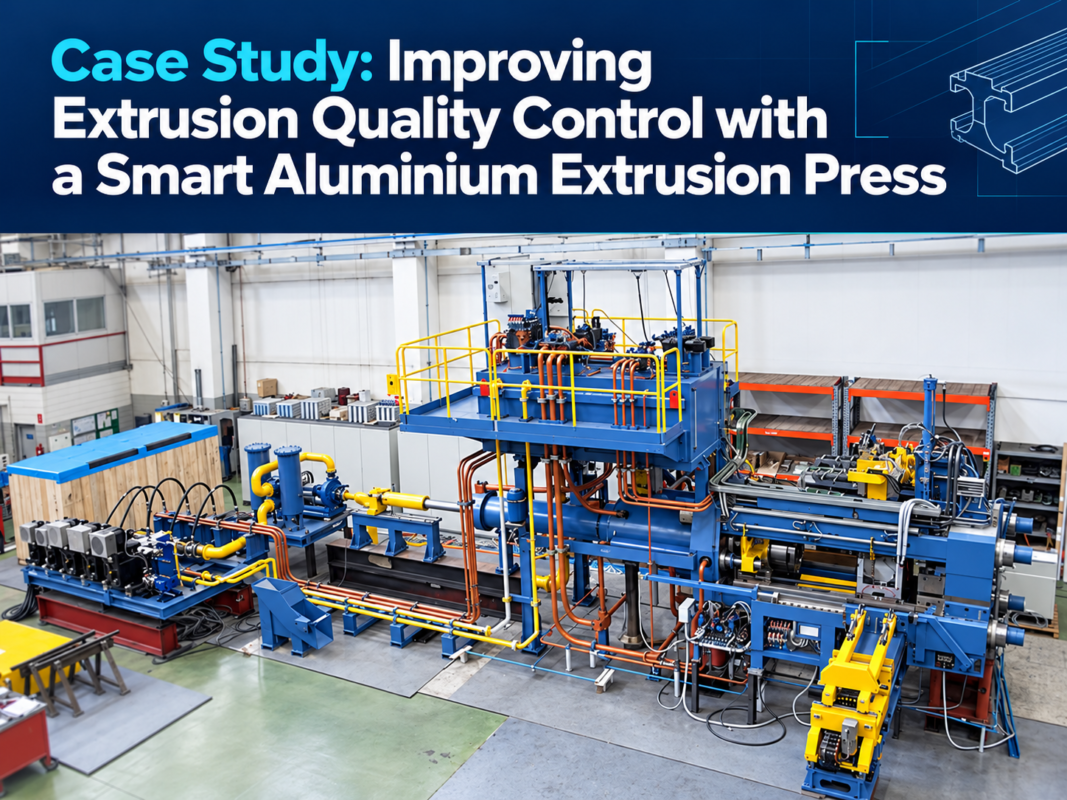
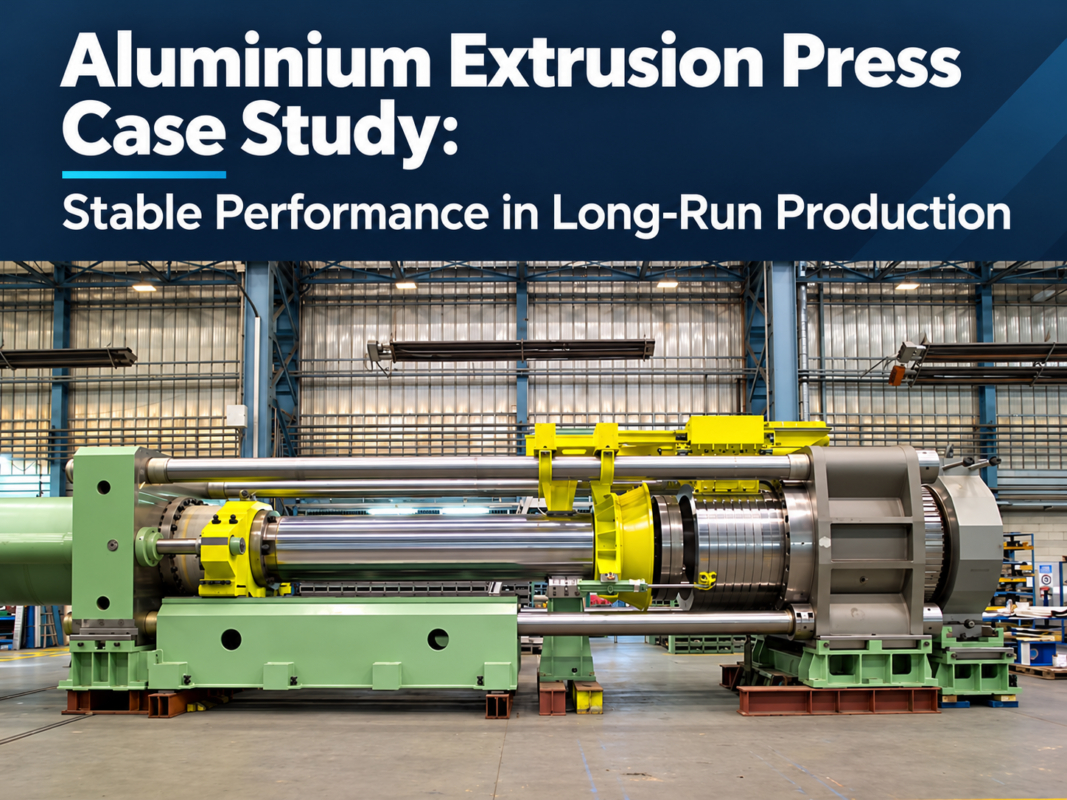
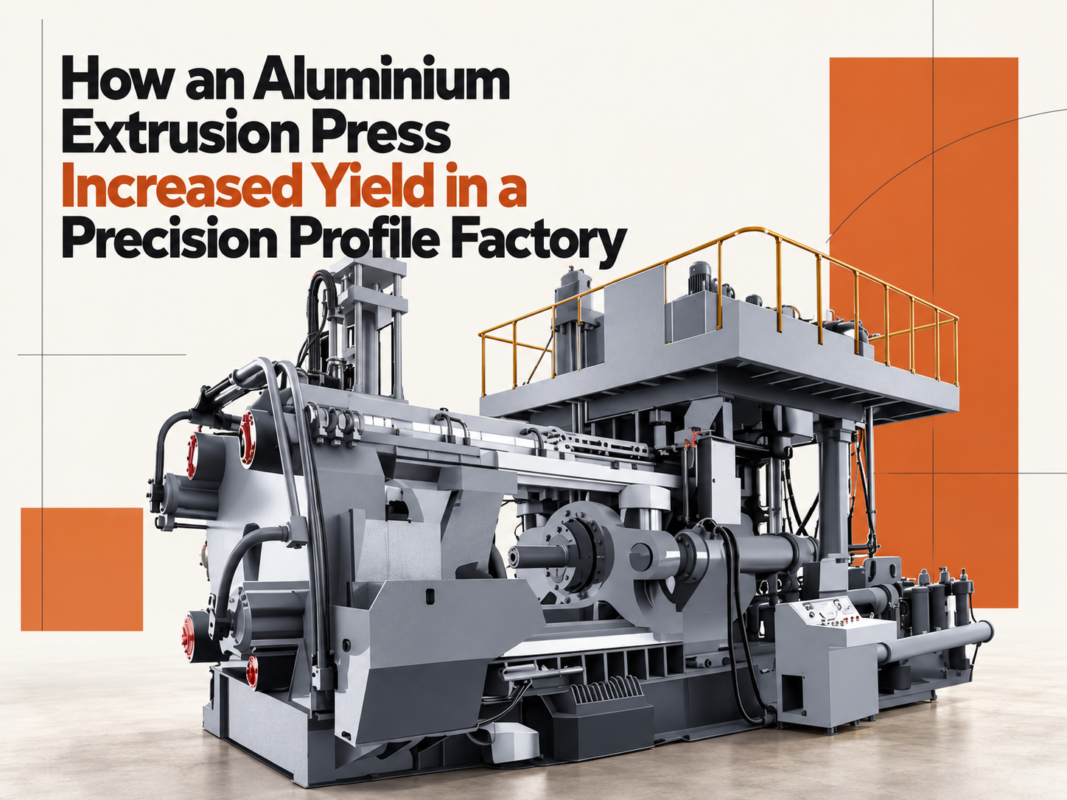
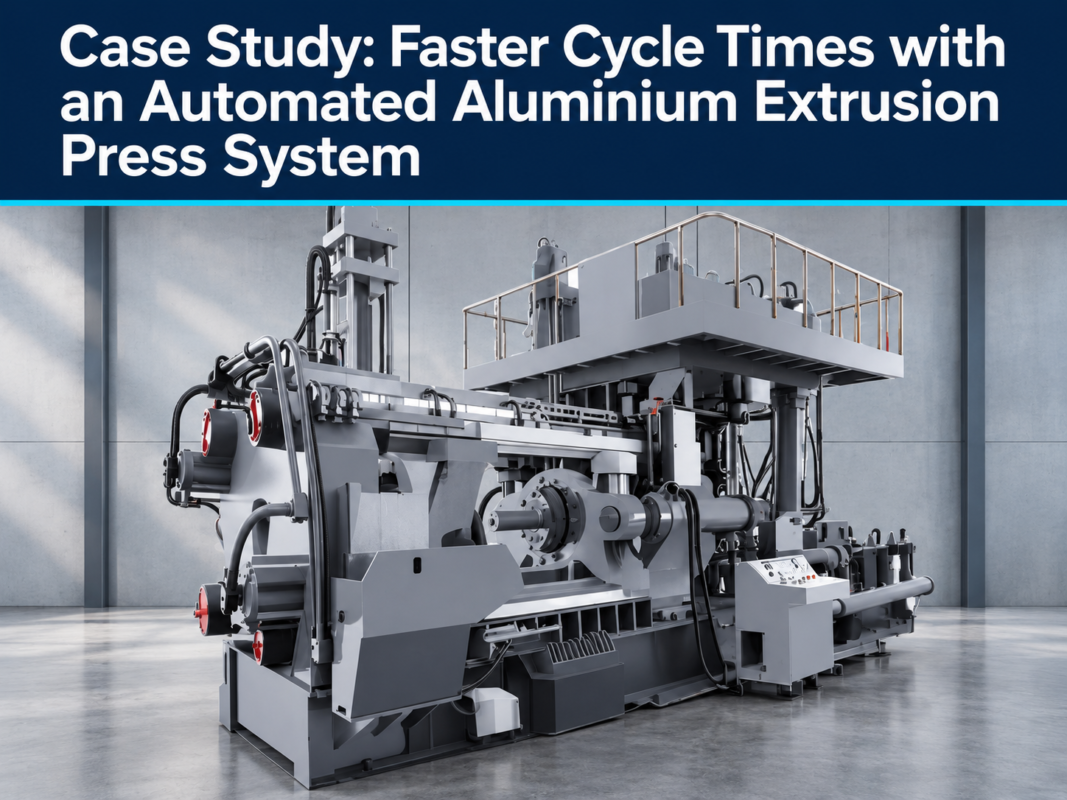
Aluminium Extrusion Press Case Study: Achieving Better Dimensional Accuracy In Extruded Profiles

Introduction
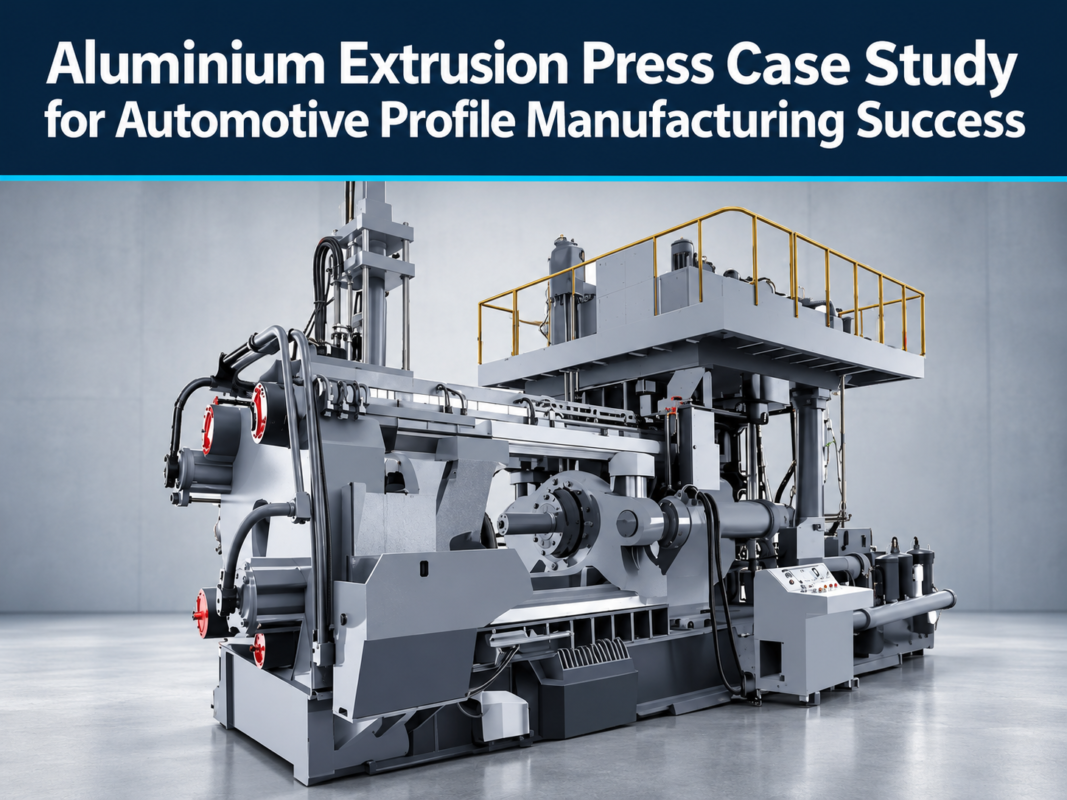
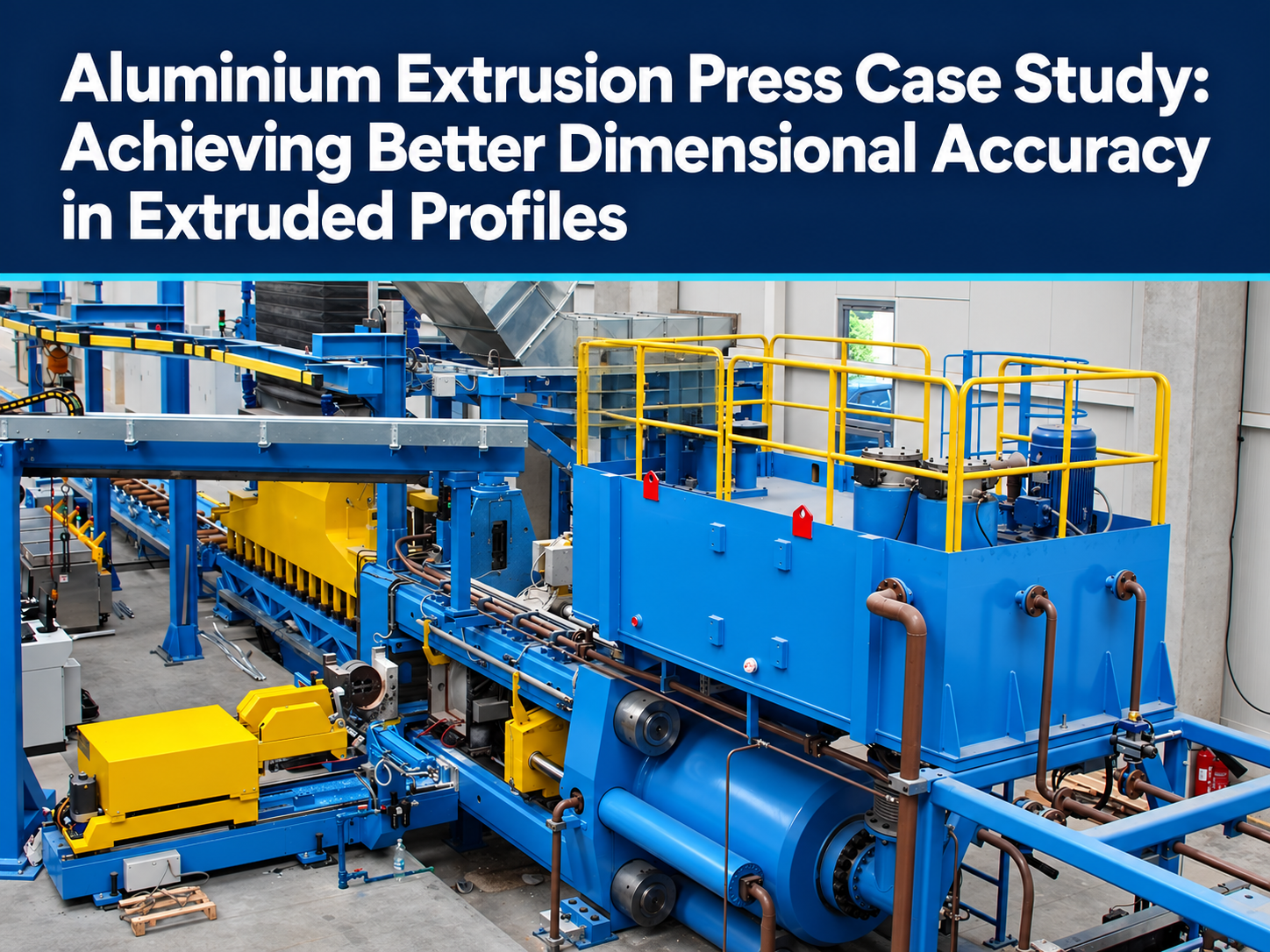
In the competitive landscape of modern manufacturing, the demand for high-precision aluminium components has reached an all-time high. Industries ranging from aerospace and automotive to architectural design require profiles that meet stringent dimensional tolerances. This Aluminium Extrusion Press Case Study: Achieving Better Dimensional Accuracy In Extruded Profiles explores how HARSLE machinery empowers fabricators to overcome common production hurdles and achieve superior results.
Dimensional accuracy is not merely a quality metric; it is the backbone of structural integrity and assembly efficiency. When profiles deviate from specified dimensions, it leads to increased waste, higher scrap rates, and costly secondary machining processes. By understanding the mechanics of the extrusion process and the role of advanced hydraulic systems, manufacturers can significantly enhance their output quality.
This article delves into the technical nuances of extrusion, providing a comprehensive look at how HARSLE equipment integrates advanced control systems to maintain consistency. We will examine a real-world scenario where a mid-sized fabrication facility transitioned to HARSLE technology to solve persistent dimensional drift issues, ultimately transforming their production capabilities.
As we navigate through the technical details and selection criteria, it becomes clear that the choice of machinery is the most critical factor in achieving repeatable precision. Whether you are upgrading an existing line or setting up a new facility, the insights provided here will serve as a foundational guide for optimizing your aluminium extrusion operations.
Key Considerations for Dimensional Accuracy
Achieving consistent dimensional accuracy in aluminium extrusion is a multi-faceted challenge that requires a deep understanding of material science and mechanical engineering. The first key consideration is the thermal stability of the press. Aluminium is highly sensitive to temperature fluctuations; even minor variations in the billet temperature or the die temperature can lead to significant changes in the flow characteristics of the metal, resulting in dimensional inconsistencies.
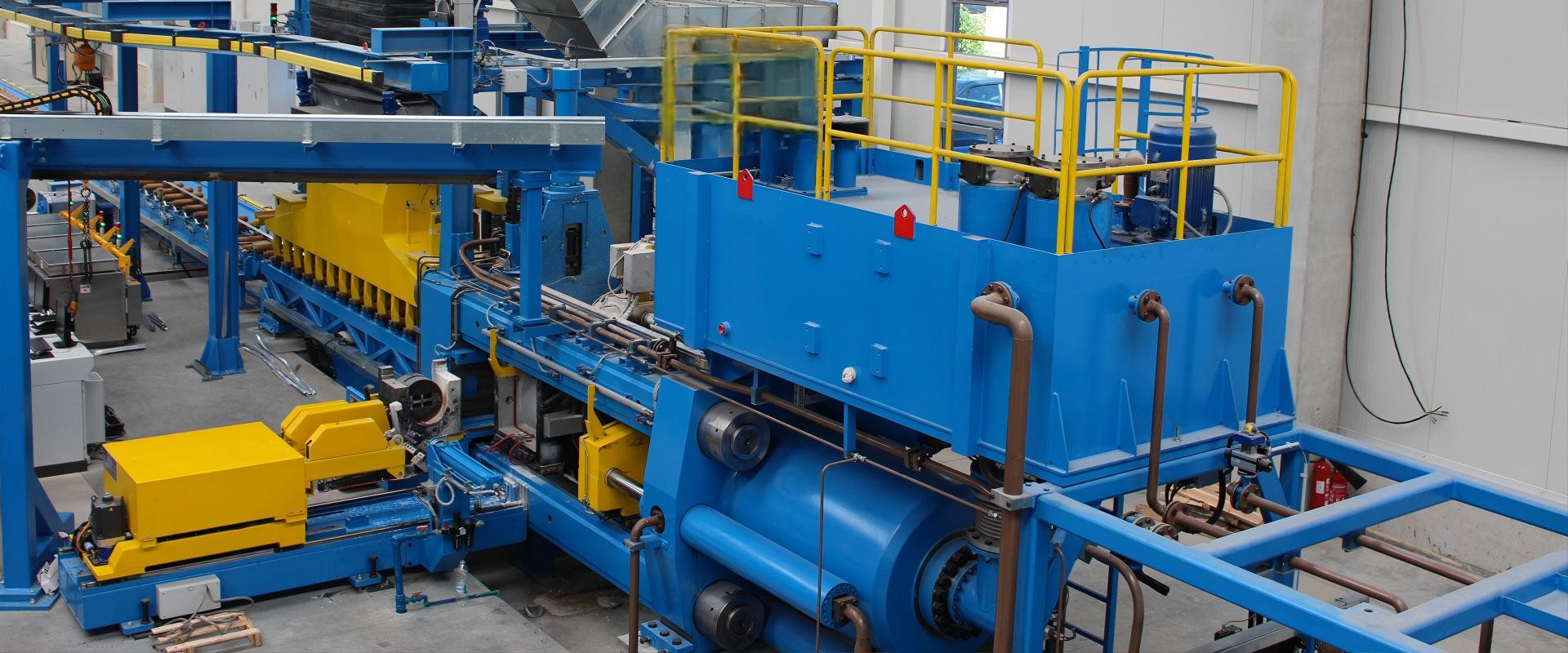
Another critical factor is the alignment of the extrusion press components. The main ram, the container, and the die assembly must maintain perfect axial alignment throughout the entire stroke. Any deviation, even at the micron level, can cause uneven pressure distribution across the die face. HARSLE presses are engineered with robust, high-rigidity frames that minimize deflection under load, ensuring that the alignment remains constant even during high-pressure cycles.
The speed of the extrusion process also plays a vital role. If the ram speed is too high, the friction between the aluminium and the die can cause localized overheating, which alters the metal’s flow rate and leads to profile distortion. Conversely, if the speed is too low, the metal may cool prematurely, increasing the required pressure and potentially causing surface defects. Finding the ‘sweet spot’ for speed control is essential for maintaining dimensional stability.
Finally, the quality of the die design and maintenance cannot be overlooked. The die is the heart of the extrusion process. Wear and tear on the die bearing surfaces can lead to profile ‘swelling’ or ‘thinning.’ Implementing a rigorous die maintenance schedule and utilizing high-quality tool steels are non-negotiable requirements for any facility aiming for high-precision output. HARSLE provides integrated monitoring tools that help operators track die performance in real-time.
Technical Details: The HARSLE Advantage
The core of the HARSLE Aluminium Extrusion Press Case Study: Achieving Better Dimensional Accuracy In Extruded Profiles lies in the integration of sophisticated hydraulic and electronic control systems. HARSLE utilizes a closed-loop control system that monitors ram pressure and position with millisecond precision. This allows the machine to make instantaneous adjustments to the hydraulic flow, compensating for any resistance variations encountered during the extrusion process.
One of the standout technical features is the proportional valve technology employed in HARSLE presses. Unlike traditional on-off hydraulic systems, proportional valves allow for smooth, stepless control of the ram speed. This prevents the ‘jerk’ or pressure spikes that often occur during the start and end of the extrusion cycle, which are primary culprits for dimensional deviations in the profile’s head and tail sections.
Furthermore, HARSLE incorporates advanced cooling systems for the container and the die. By maintaining a precise thermal gradient, the press ensures that the aluminium flows uniformly through the die apertures. This thermal management is critical when extruding complex, thin-walled profiles that are prone to warping if the cooling rate is not strictly controlled. The HARSLE control interface allows operators to program specific temperature profiles for different alloys, ensuring optimal flow characteristics for every job.
Data logging is another technical pillar of the HARSLE system. Every extrusion cycle generates a wealth of data, including pressure curves, ram speed, and temperature readings. By analyzing this data, fabricators can identify trends that precede dimensional drift, allowing for proactive maintenance rather than reactive repairs. This data-driven approach is what separates high-performance facilities from the rest of the industry.
Selection Advice: Choosing the Right Press
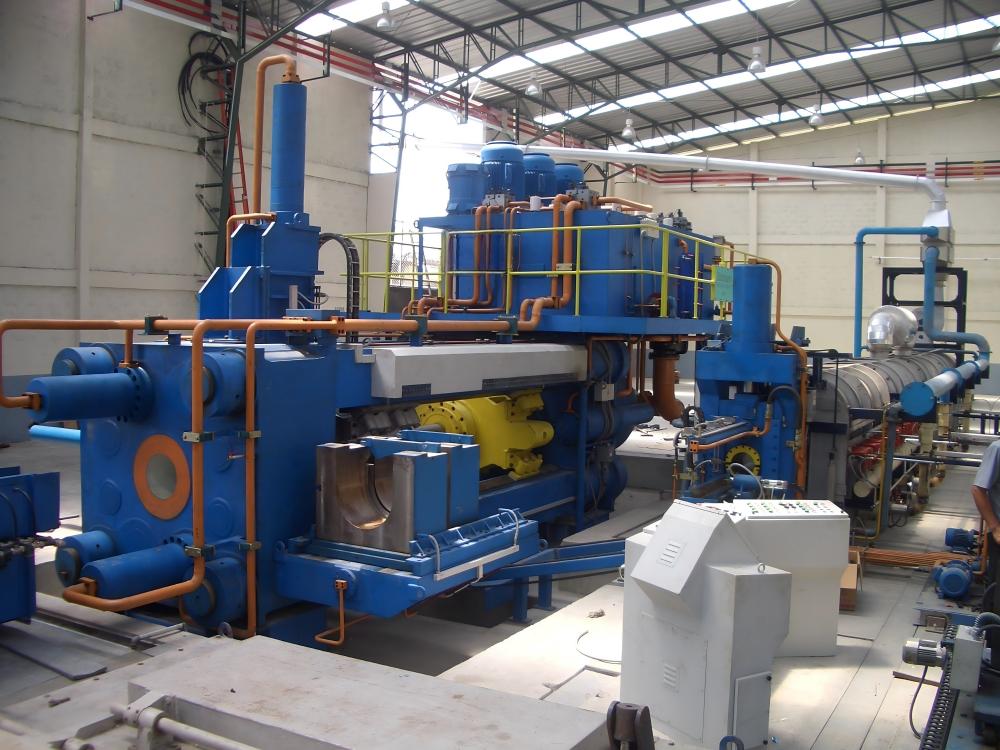
When selecting an aluminium extrusion press, the first step is to define your production requirements clearly. Consider the maximum cross-sectional area of the profiles you intend to produce, as this will dictate the required tonnage of the press. A press that is too small will struggle to maintain pressure, while a press that is significantly oversized may lead to inefficient energy consumption and difficulty in controlling low-speed extrusion for delicate profiles.
Evaluate the automation level of the press. In today’s market, manual control is rarely sufficient for achieving the high-precision tolerances required by modern industries. Look for presses that offer programmable logic controllers (PLCs) with intuitive interfaces. HARSLE presses are designed with user-friendly software that simplifies the setup process, allowing operators to save and recall parameters for recurring jobs, which significantly reduces setup time and human error.
Consider the after-sales support and availability of spare parts. An extrusion press is a long-term investment. You need a partner who can provide technical assistance, training for your staff, and rapid delivery of critical components. HARSLE has built a reputation for its comprehensive support network, ensuring that your production line remains operational and that your team is equipped with the knowledge to maximize the machine’s potential.
Finally, look at the energy efficiency of the hydraulic system. Modern extrusion presses should utilize variable frequency drives (VFDs) and energy-saving hydraulic circuits. These features not only reduce your operational costs but also contribute to a more stable hydraulic environment, which indirectly supports better dimensional accuracy by reducing heat generation and pressure fluctuations within the system.
FAQ: Common Questions About Extrusion Accuracy
- How does the alloy type affect dimensional accuracy? Different aluminium alloys have varying flow stresses. Harder alloys require higher pressures and are more sensitive to temperature changes, making precise control of the press parameters even more critical.
- What is the role of the dummy block in accuracy? The dummy block ensures that the aluminium is pushed uniformly through the die. A worn dummy block can allow aluminium to flow backward, causing pressure drops and inconsistent profile dimensions.
- Can HARSLE presses handle complex, thin-walled profiles? Yes, HARSLE presses are specifically engineered with high-precision control systems that allow for the delicate handling required for thin-walled and complex architectural profiles.
- How often should I calibrate my extrusion press? Calibration should be part of a regular maintenance schedule, typically every 6 to 12 months, or whenever you notice a trend of dimensional drift in your quality control reports.
- Does the extrusion speed affect the surface finish? Absolutely. Excessive speed can lead to surface tearing or ‘pick-up’ defects, while optimal speed ensures a smooth, high-quality finish that meets aesthetic and functional requirements.
Conclusion
The journey toward achieving better dimensional accuracy in extruded profiles is a continuous process of refinement and technological adoption. As demonstrated in this Aluminium Extrusion Press Case Study: Achieving Better Dimensional Accuracy In Extruded Profiles, the combination of robust mechanical design, advanced hydraulic control, and proactive data management is the key to success. HARSLE stands at the forefront of this technology, providing the tools necessary for fabricators to push the boundaries of what is possible in metal forming.
By investing in high-quality equipment and prioritizing the technical considerations outlined in this guide, manufacturers can significantly reduce waste, improve product quality, and gain a competitive edge in the global market. Whether you are dealing with simple structural beams or intricate, high-tolerance components, the principles of precision extrusion remain the same: control the variables, maintain the equipment, and leverage the power of modern automation.
We encourage you to assess your current production line against the standards discussed here. If you are facing challenges with dimensional consistency, it may be time to explore how HARSLE’s latest generation of extrusion presses can revitalize your operations. Contact our technical team today to discuss your specific requirements and take the first step toward achieving unparalleled accuracy in your extruded profiles.