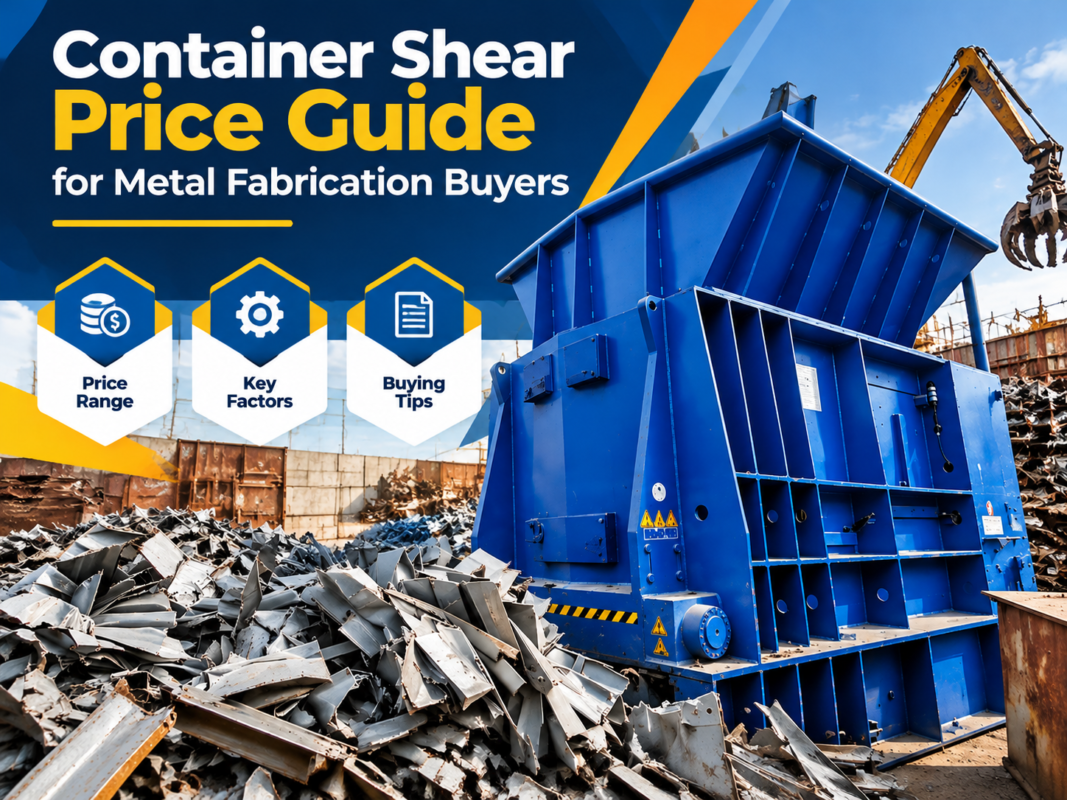
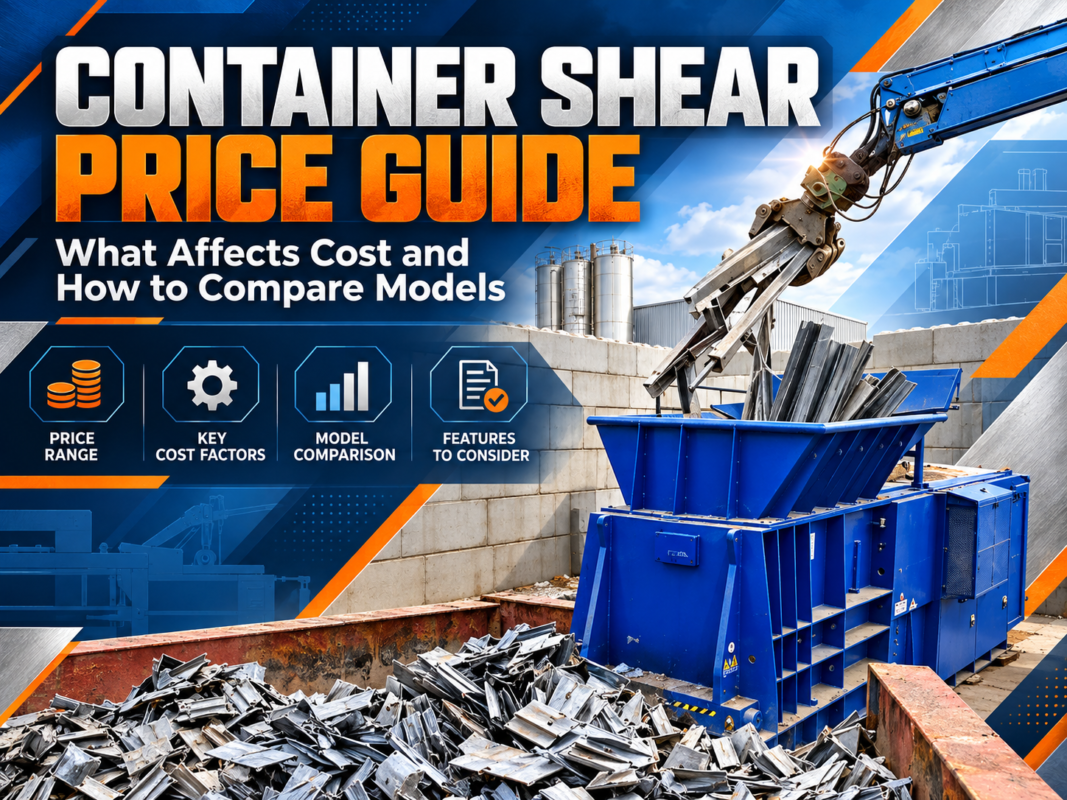
Affordable Container Shear Machines: Price Guide for Small and Mid-Sized Plants

Price Range Overview: Understanding the Investment
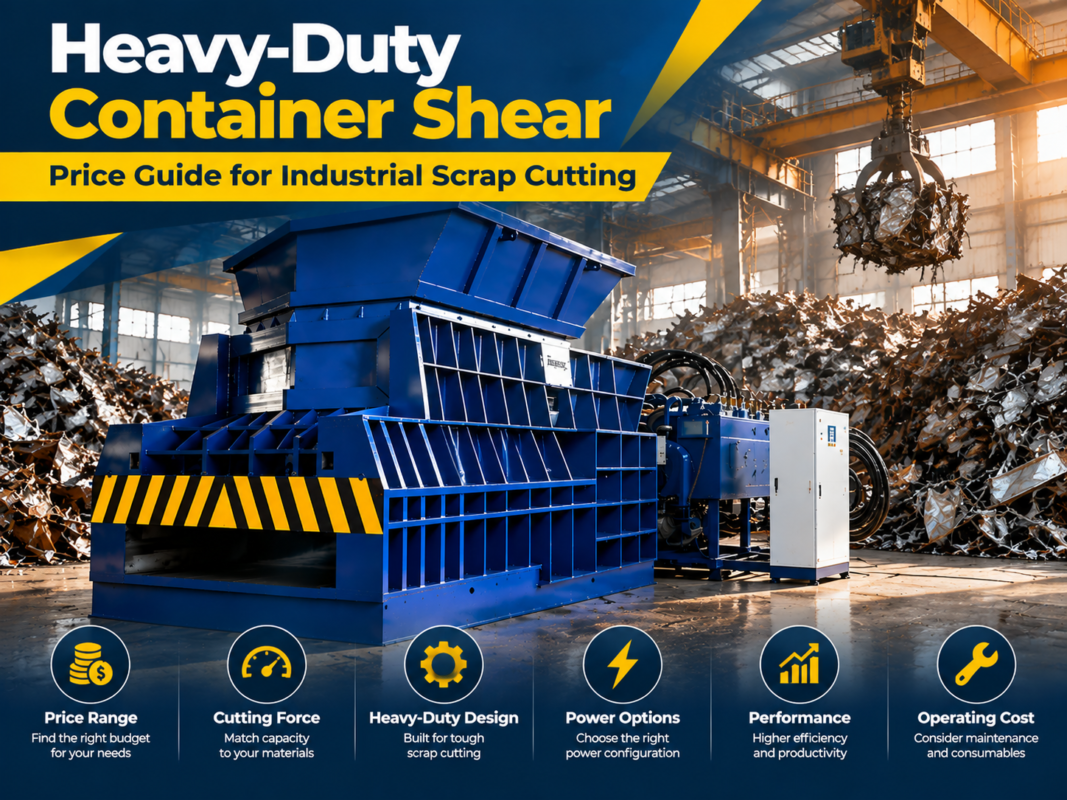
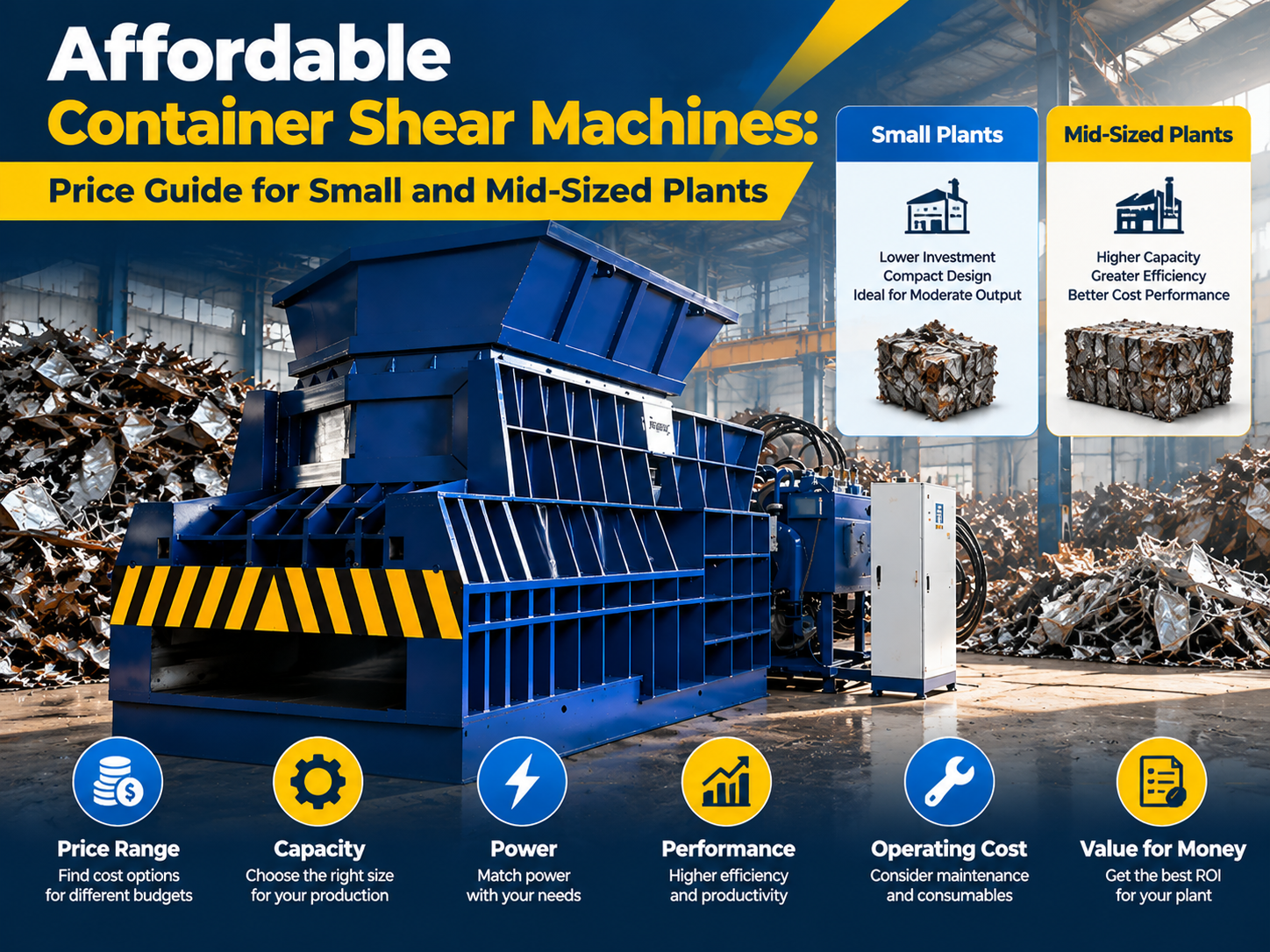
For small and mid-sized metal recycling plants and fabrication facilities, the decision to invest in a container shear is a pivotal moment for operational growth. These machines, designed to process heavy scrap metal into manageable sizes, represent a significant capital expenditure. Generally, the market for affordable container shear machines sees prices ranging from $45,000 to over $150,000, depending on the cutting force, automation level, and structural integrity of the unit.
Entry-level models, often utilized by smaller scrap yards, typically fall in the $45,000 to $75,000 range. These machines are usually characterized by lower tonnage (around 250-400 tons) and manual or semi-automatic controls. They are perfect for businesses transitioning from manual cutting torches to mechanized processing, offering a substantial increase in throughput without the massive overhead of high-end industrial giants.
Mid-range options, which are the sweet spot for many mid-sized plants, generally cost between $80,000 and $120,000. At this price point, buyers can expect enhanced hydraulic systems, PLC-controlled automation, and more robust shear blades capable of handling thicker steel sections. These machines are engineered for continuous duty cycles, ensuring that the plant can maintain consistent output throughout the work week.
High-capacity container shears exceeding $130,000 are designed for high-volume operations. While these might seem out of reach for smaller plants, they often provide the lowest cost-per-ton processing over the long term. When evaluating these price points, it is essential to look beyond the sticker price and consider the machine’s longevity, spare parts availability, and the manufacturer’s reputation for support.

Main Cost Drivers in Container Shear Manufacturing
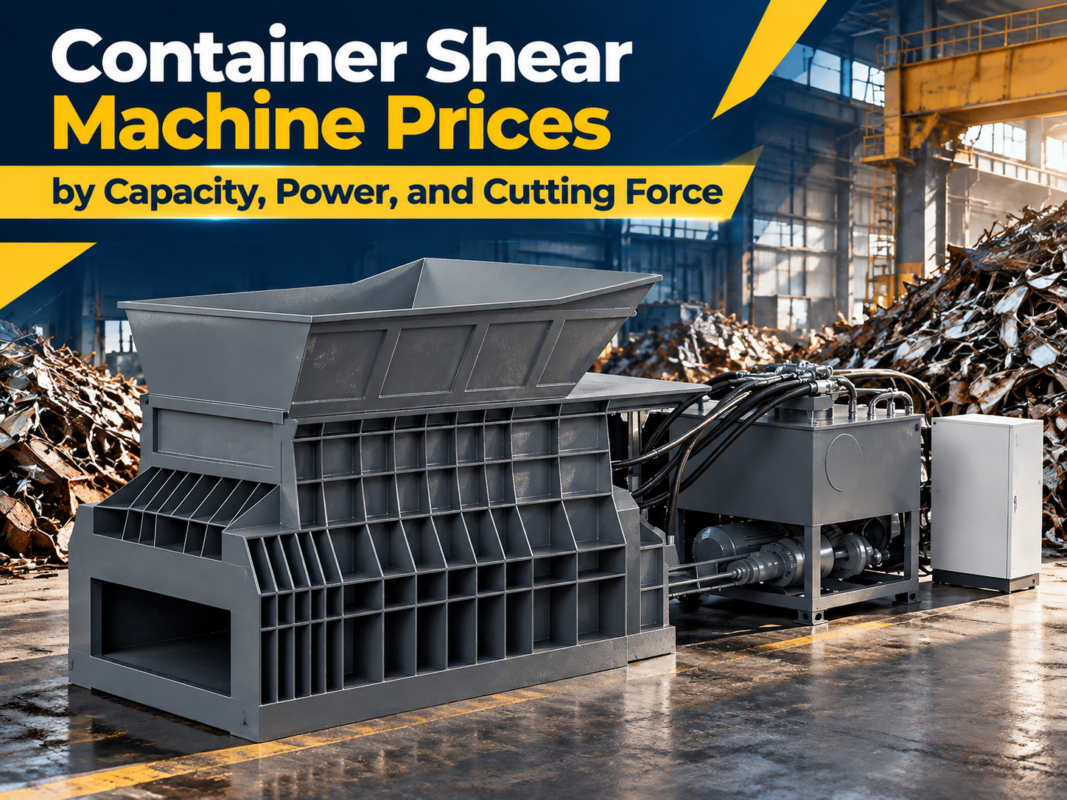
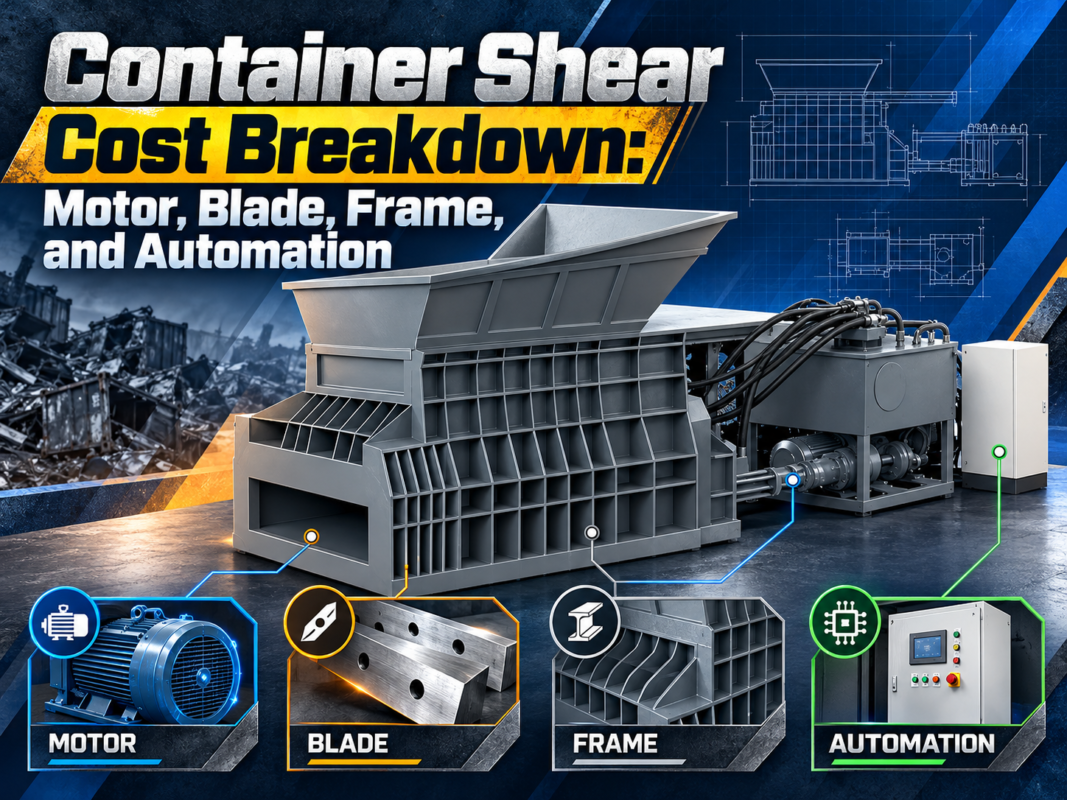
The price of a container shear is not arbitrary; it is a reflection of the engineering and material quality embedded within the machine. The primary cost driver is the cutting force, measured in tons. A 500-ton shear requires significantly thicker steel plates, larger hydraulic cylinders, and more powerful motors than a 250-ton unit. As the tonnage increases, the structural steel requirements grow exponentially to prevent frame deformation under stress.
Hydraulic components represent another major cost factor. High-quality hydraulic pumps, valves, and seals are the lifeblood of a container shear. Affordable machines often use standard industrial-grade hydraulics, while premium models incorporate high-pressure, high-efficiency systems that reduce energy consumption and heat generation. Investing in superior hydraulics often pays for itself through reduced maintenance intervals and lower electricity bills.
The quality of the shear blades is a critical, yet often overlooked, cost driver. Blades made from high-alloy, wear-resistant tool steel are more expensive upfront but offer significantly longer service life. Cheap blades may save money initially but will require frequent sharpening or replacement, leading to costly downtime. For small plants, the balance between blade durability and replacement cost is a key metric for profitability.
Automation and control systems also influence the final price. A basic machine might rely on manual lever controls, which are cheaper but require more operator skill and attention. Modern PLC-based systems allow for pre-programmed cutting cycles, remote diagnostics, and safety interlocks. While these add to the initial investment, they drastically improve safety and operational efficiency, making them a wise choice for growing businesses.
Configuration Impact on Total Cost
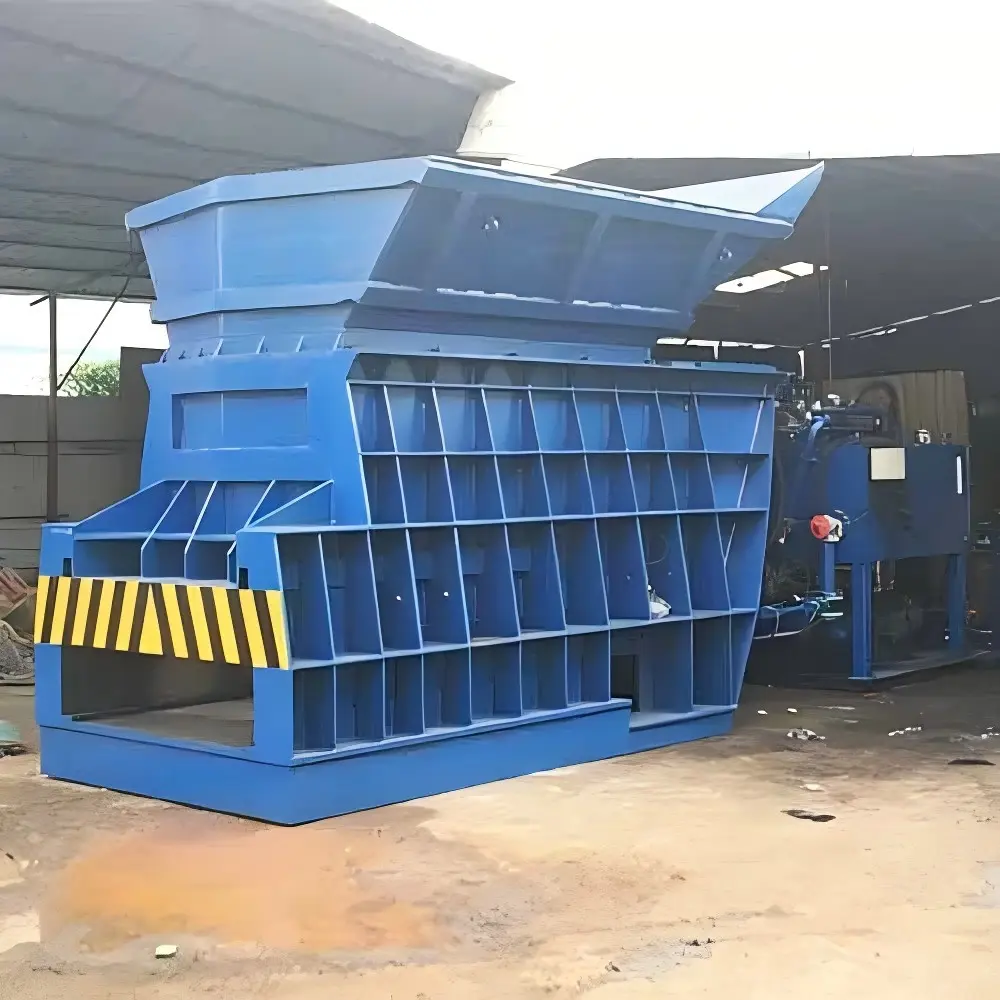
Customization is a double-edged sword for small and mid-sized plants. While it is tempting to add every available feature, each modification impacts the price. The most common configuration choice is the box size. A larger charging box allows for processing bulkier scrap, reducing the need for pre-cutting, but it requires a larger frame and more powerful hydraulic system, driving up the cost.
Another configuration factor is the feeding mechanism. Some machines come with integrated side-compression wings, which help pre-compress the scrap before it enters the shear throat. This is highly effective for light-gauge scrap like car bodies or white goods. While this adds to the machine’s complexity and price, it significantly increases the density of the processed material, which can lead to better pricing from steel mills.
The power source configuration also plays a role. While most container shears are electric-motor driven, some plants in remote areas might require diesel-powered hydraulic power units. These are generally more expensive due to the cost of the engine and the complexity of the fuel and cooling systems. However, for a plant without reliable three-phase power, this configuration is a necessary investment.
Finally, consider the discharge system. A standard gravity discharge is the most affordable option. However, if your plant layout requires the processed scrap to be moved to a specific location, you might need a conveyor system or a specialized chute. These auxiliary components are often sold separately or as part of a custom package, and they should be factored into your total budget early in the planning phase.
Hidden Costs: Beyond the Purchase Price
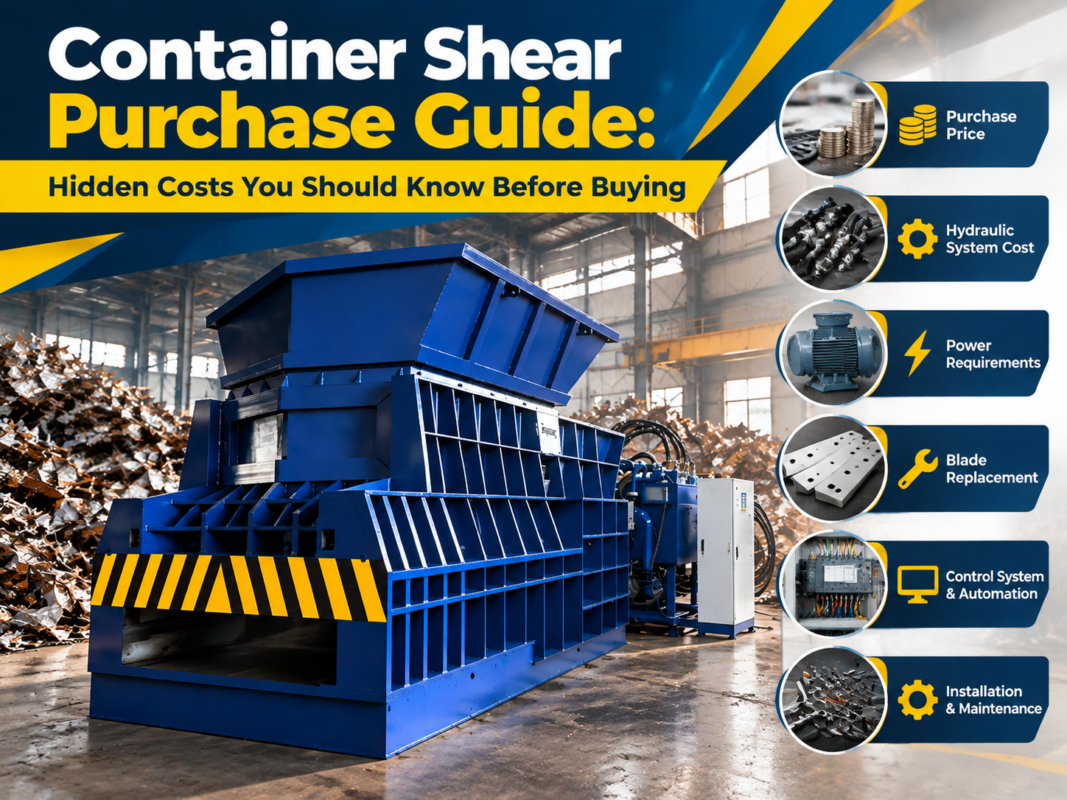
When budgeting for an affordable container shear, many buyers fall into the trap of only considering the machine price. However, the total cost of ownership includes several hidden expenses that can catch a small business off guard. The first is site preparation. These machines are heavy and generate significant vibration; they require a reinforced concrete foundation designed to withstand the dynamic loads of the shearing process.
Installation and commissioning costs are often separate from the purchase price. Unless you have an in-house team of skilled hydraulic and electrical engineers, you will need to hire professional installers. This includes the cost of shipping, crane rental for positioning the machine, and the electrical connection to your facility’s power grid. Always clarify whether the quote includes “turnkey” installation or if you are responsible for these logistics.
Maintenance and spare parts are ongoing costs that must be factored in. A container shear is a high-wear machine. You will need a steady supply of hydraulic oil, filters, and replacement blades. Additionally, you should budget for an annual service contract or training for your staff to perform routine maintenance. Neglecting these costs can lead to catastrophic failure, which is far more expensive than preventative care.
Finally, consider the cost of training and safety compliance. Operating a container shear requires specialized knowledge. You must invest in training your operators to ensure they can run the machine safely and efficiently. Furthermore, depending on your local regulations, you may need to invest in safety fencing, light curtains, or noise-reduction measures to comply with industrial health and safety standards.
ROI Calculation for Small and Mid-Sized Plants
Calculating the Return on Investment (ROI) is the most effective way to justify the purchase of a container shear. Start by analyzing your current processing costs. If you are currently using manual labor and torches, calculate the cost per ton in terms of man-hours, gas, and oxygen. Compare this to the cost per ton of a container shear, which includes electricity, blade wear, and maintenance.
The primary benefit of a container shear is the increase in scrap density. Mills pay a premium for high-density, uniform scrap. By processing your material into high-density bales or sheared pieces, you can often negotiate better prices with your buyers. Calculate the difference in revenue per ton between your current output and the output you expect from the new machine. This revenue increase is a major component of your ROI.
Consider the throughput capacity. A container shear can process in one hour what might take a team of workers an entire day to cut manually. This increased capacity allows you to process more volume, which can lead to economies of scale. If you are currently turning away business because you cannot process material fast enough, the machine will pay for itself much faster than expected.
Finally, factor in the reduction in labor costs. While you will still need operators, the automation of the shearing process means you can reallocate your workforce to more value-added tasks, such as sorting, grading, or sales. When you combine the increased revenue from higher-quality scrap, the increased volume, and the labor savings, most plants find that a well-chosen container shear pays for itself within 18 to 36 months.
Buying Advice: How to Choose the Right Machine
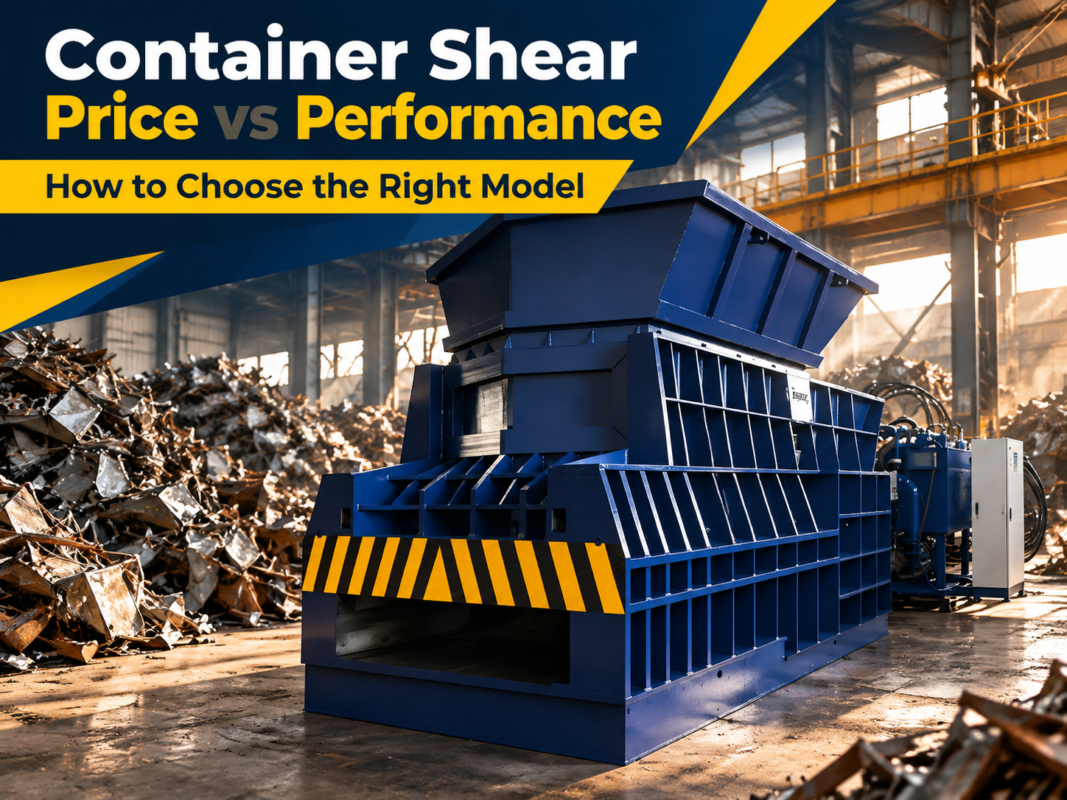
Selecting the right machine requires a clear understanding of your current and future needs. Do not buy for today’s volume alone; consider where your business will be in five years. If you anticipate growth, it is often better to buy a machine with slightly more capacity than you currently need, rather than having to upgrade in a few years.
Always request a demonstration or visit a facility that is currently using the model you are considering. Seeing the machine in action is the only way to truly understand its build quality, noise levels, and ease of operation. Ask the owner about their experience with the manufacturer, the reliability of the machine, and the quality of the after-sales support.
Check the manufacturer’s warranty and support network. A machine is only as good as the support behind it. Ensure that the company provides clear documentation, remote troubleshooting capabilities, and a reliable supply chain for spare parts. If the manufacturer is located overseas, verify that they have local agents or a robust logistics plan to get parts to you quickly in the event of a breakdown.
Finally, prioritize safety and ease of maintenance. Look for features like accessible lubrication points, clear diagnostic displays, and comprehensive safety guards. A machine that is easy to maintain is a machine that will be maintained. By following these steps, you can confidently select an affordable container shear that will serve as the backbone of your recycling operations for years to come.
FAQ: Frequently Asked Questions
- What is the typical lifespan of a container shear? With proper maintenance, a high-quality container shear can last 15 to 20 years or more.
- Can I process non-ferrous metals with a container shear? While designed for steel, many shears can handle non-ferrous metals, though blade clearance and settings may need adjustment.
- How much power does a container shear require? This depends on the motor size, typically ranging from 30kW to 100kW. Ensure your facility has the necessary electrical capacity.
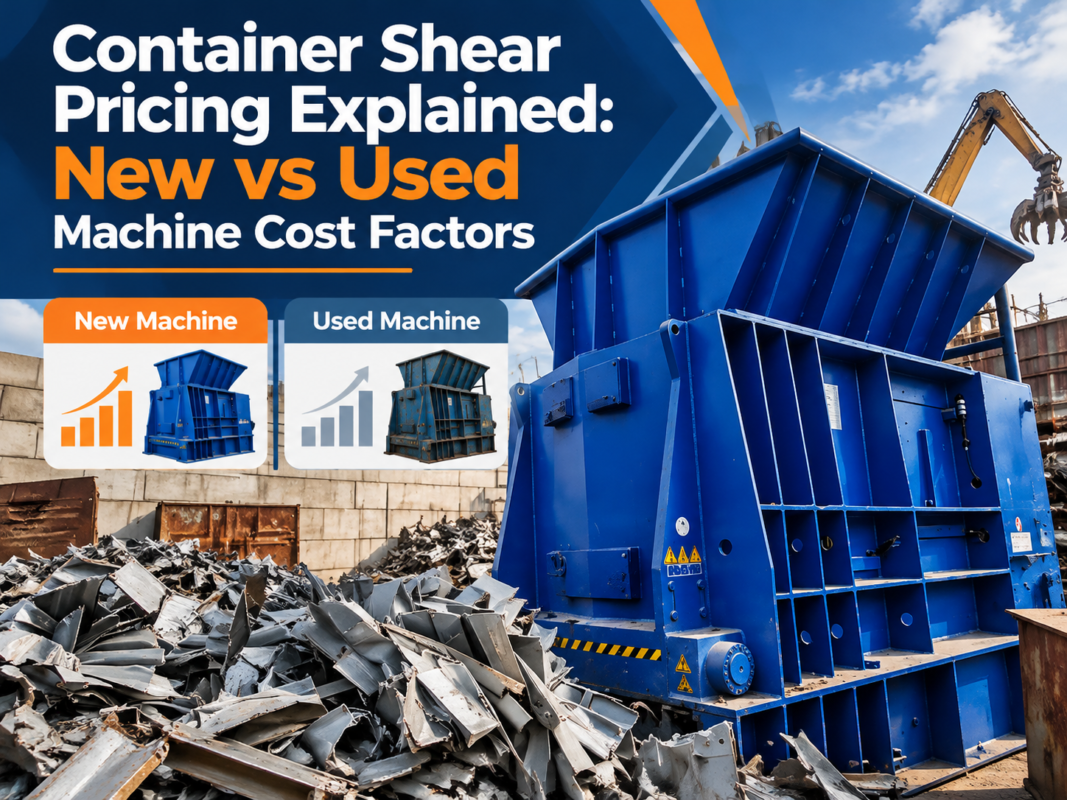
- Is it better to buy new or used? New machines offer warranties and the latest technology, while used machines are cheaper but carry higher risks of hidden mechanical issues.
- How often should blades be sharpened? This depends on the volume and type of scrap. A good rule of thumb is to inspect blades weekly and sharpen them based on the wear pattern.