How a Hammer Shredder Improved Scrap Metal Recycling Efficiency: A Case Study

Introduction
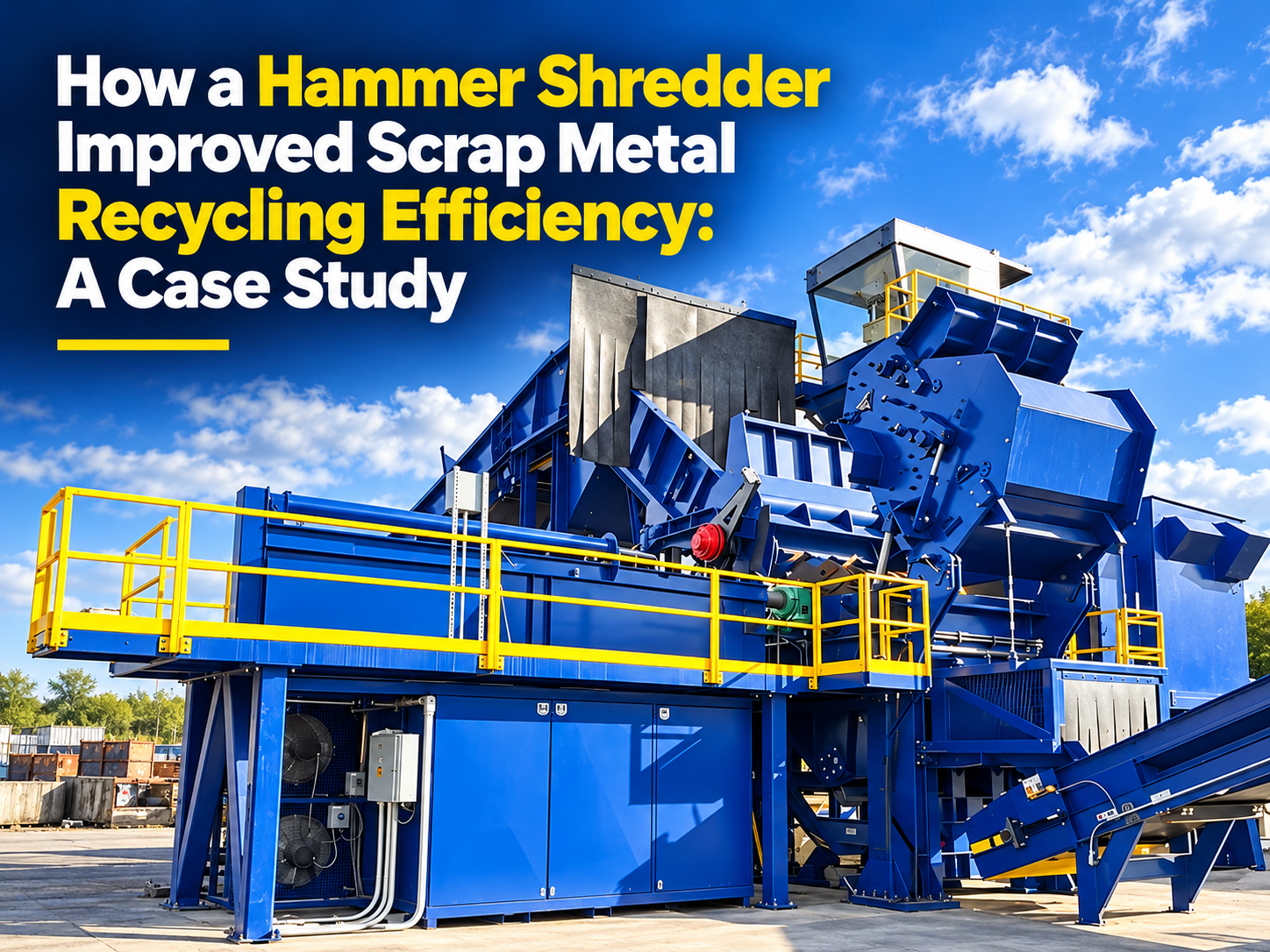
In the modern landscape of metal fabrication and industrial waste management, the ability to process scrap efficiently is not just a competitive advantage—it is a necessity. As global demand for recycled raw materials surges, facilities are under increasing pressure to maximize throughput while minimizing operational costs. This article explores the transformative impact of advanced processing technology, specifically focusing on how a hammer shredder improved scrap metal recycling efficiency: a case study of a mid-sized processing plant that transitioned from manual sorting to automated shredding.
The shift toward circular economy practices has forced many metal fabrication businesses to re-evaluate their end-of-life material handling. Traditional methods, such as shearing or manual dismantling, often result in high labor costs and significant material loss. By integrating a high-performance hammer shredder, companies can achieve a higher density of output, cleaner separation of ferrous and non-ferrous materials, and a significantly smaller carbon footprint. This case study delves into the technical and operational shifts that occur when a facility upgrades its primary reduction equipment.
HARSLE has observed that the primary bottleneck in most recycling operations is the initial size reduction phase. When scrap metal is bulky and unorganized, transport costs skyrocket and furnace efficiency drops. The implementation of a hammer shredder changes the fundamental geometry of the scrap, turning irregular waste into uniform, high-density fragments. This article will serve as a comprehensive guide for plant managers and business owners looking to understand the mechanics, benefits, and strategic selection process behind this essential piece of metal fabrication equipment.
Key Considerations for Recycling Efficiency
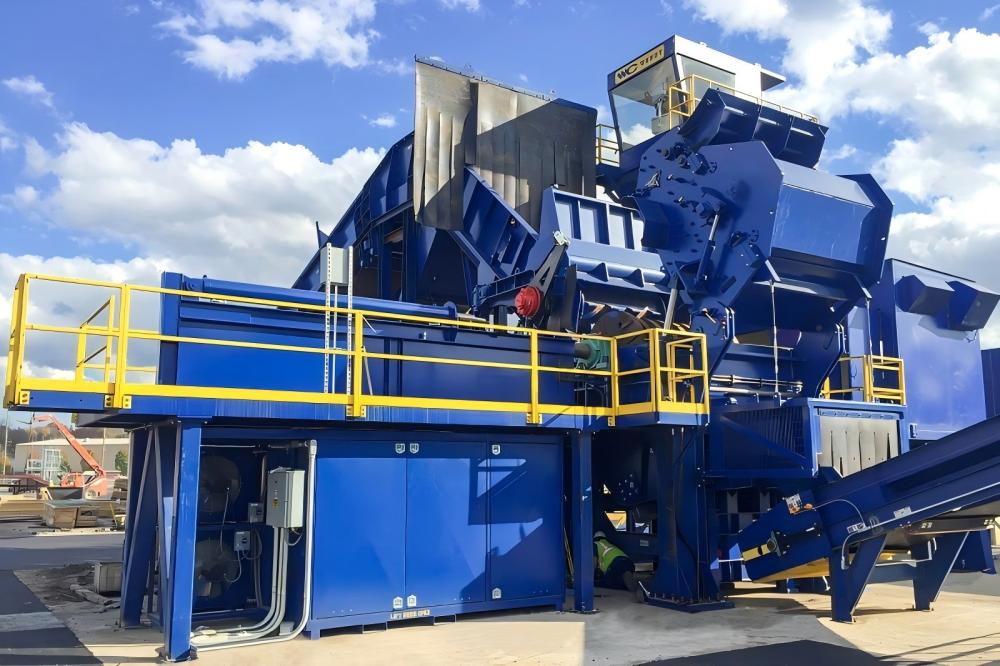
Before investing in a hammer shredder, facility managers must analyze their current workflow. Efficiency is not merely about the speed of the machine; it is about the integration of the shredder into the existing material flow. One of the most critical considerations is the feed rate. If the shredder is too fast for the downstream sorting equipment, the system will experience constant jams. Conversely, if the shredder is underpowered, it becomes a bottleneck that limits the entire plant’s output.
Another vital factor is the composition of the scrap metal. A hammer shredder is designed to handle a variety of materials, but the hardness and thickness of the input dictate the wear rate of the hammers and liners. Facilities processing high-tensile steel require different metallurgy in their shredder components compared to those processing aluminum or thin-gauge sheet metal. Understanding the specific material profile allows for the customization of the shredder’s rotor speed and grate configuration, which directly impacts the quality of the final product.
Energy consumption is a major operational expense. Modern hammer shredders are designed with variable frequency drives (VFDs) that allow the motor to adjust power consumption based on the load. This is a significant improvement over older, fixed-speed models that draw maximum power regardless of the material density. By analyzing the power curve of the shredder, managers can optimize their energy usage, leading to substantial savings over the machine’s lifecycle. Furthermore, noise and dust suppression are essential considerations for compliance with environmental regulations, which can impact the overall operational uptime of the facility.
Finally, maintenance accessibility must be prioritized. A hammer shredder is a heavy-duty machine subjected to extreme mechanical stress. The ability to quickly replace hammers, adjust grate clearances, and inspect the rotor is paramount. A machine that requires days of downtime for routine maintenance will negate any efficiency gains achieved during operation. HARSLE emphasizes that the best equipment is not just the most powerful, but the most maintainable, ensuring that the recycling line remains operational for the maximum number of hours per year.
Technical Details of the Hammer Shredder
The core of a hammer shredder lies in its rotor assembly. This component consists of a heavy-duty shaft fitted with multiple swinging hammers. As the rotor spins at high speeds, the hammers strike the incoming scrap metal, shattering it against the anvil and forcing it through a sizing grate. The kinetic energy generated by the rotor is immense, allowing the machine to reduce bulky items like car bodies, white goods, and industrial offcuts into fist-sized pieces in seconds. This process is known as impact crushing, and it is the most effective method for liberating different metals from composite structures.
The sizing grate is the secondary critical component. It acts as a filter, ensuring that only material of a specific size can exit the shredding chamber. If a piece of metal is too large, it remains in the chamber to be struck again by the hammers. This iterative process ensures a uniform output, which is highly valued by smelters and foundries. The grate can be adjusted or swapped out depending on the desired particle size, providing the flexibility to produce different grades of scrap for different market demands.
Advanced hammer shredders also incorporate sophisticated magnetic separation systems. As the shredded material exits the chamber, it passes over a magnetic drum or under an over-belt magnet. This automatically separates the ferrous metals from the non-ferrous materials and contaminants like plastic, rubber, and glass. This automated separation is the single biggest factor in how a hammer shredder improved scrap metal recycling efficiency in our case study, as it eliminated the need for manual sorting lines and significantly increased the purity of the final product.
The structural integrity of the housing is equally important. HARSLE-recommended shredders utilize reinforced steel plate construction with replaceable wear liners. These liners are made from manganese steel or other high-impact alloys, designed to absorb the shock of the shredding process and protect the main frame from damage. The integration of hydraulic opening systems for the top housing allows for quick access to the rotor, making the replacement of hammers and liners a safe and efficient task for maintenance crews.
Selection Advice for Metal Fabrication Facilities
Selecting the right hammer shredder requires a deep dive into your facility’s long-term goals. Start by calculating your daily tonnage requirements. It is always advisable to select a machine with a capacity 20-30% higher than your current peak demand. This provides a buffer for unexpected surges in scrap volume and ensures the machine is not constantly running at its maximum stress limit, which extends the lifespan of the motor and bearings.
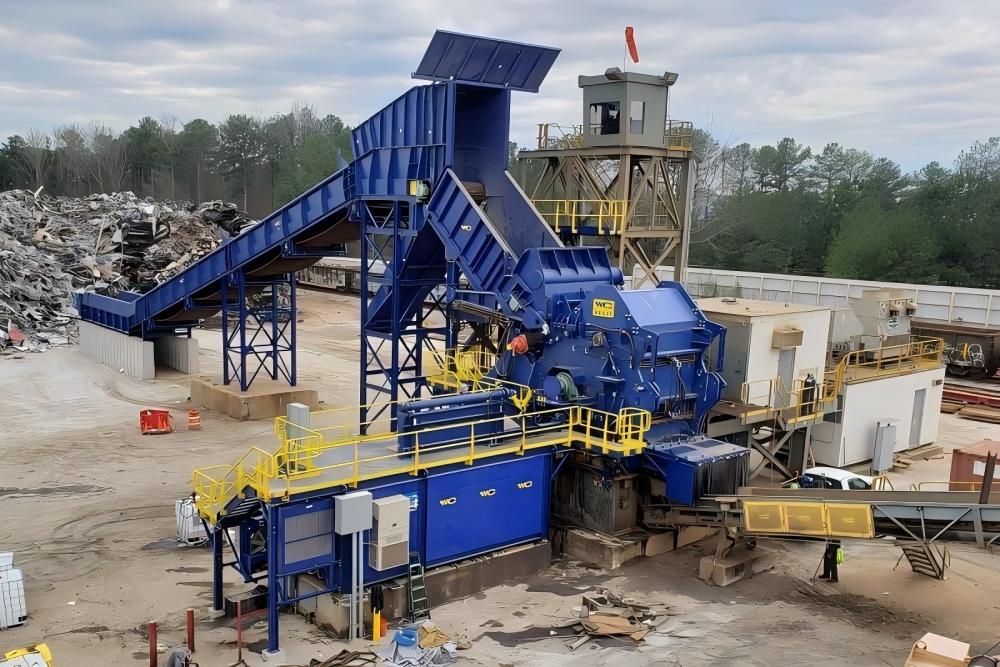
Consider the footprint of the machine and the surrounding infrastructure. A hammer shredder requires a robust foundation to handle the vibrations generated during operation. You will also need to plan for the in-feed conveyor and the out-feed system. The height of the discharge point must align with your storage bins or loading trucks. If your facility is space-constrained, look for compact designs that integrate the motor and drive system within the main frame, rather than requiring a separate, large-scale power room.
Consult with the manufacturer regarding the specific metallurgy of the hammers. Not all hammers are created equal. For high-volume, mixed-metal recycling, you need hammers that balance hardness (to resist wear) with toughness (to resist cracking upon impact with heavy steel). Ask for a performance guarantee based on the specific type of scrap you intend to process. A reputable supplier will be able to provide data on the expected wear life of the hammers based on your material profile, which is crucial for calculating your total cost of ownership.
Finally, evaluate the support and service network of the manufacturer. A hammer shredder is a long-term investment. You need a partner who can provide spare parts, technical support, and training for your operators. HARSLE prides itself on offering comprehensive after-sales support, ensuring that your investment continues to deliver peak efficiency for years to come. When comparing quotes, look beyond the initial purchase price and consider the availability of local technicians and the lead time for critical replacement parts.
FAQ: Understanding Hammer Shredder Operations
What is the primary benefit of using a hammer shredder over a shear?
While shears are excellent for cutting long, uniform pieces of metal, hammer shredders are superior for volume reduction and material liberation. A shredder turns bulky, complex scrap into uniform, high-density pieces, which makes it easier to transport and sell to smelters. It also effectively separates different types of metals, which is difficult to achieve with a shear.
How often do the hammers need to be replaced?
The wear rate depends on the abrasiveness and hardness of the material being processed. In a typical recycling environment, hammers may need to be rotated or replaced every few hundred hours of operation. Using high-quality, wear-resistant alloys can significantly extend this interval.
Can a hammer shredder handle non-metal contaminants?
Yes, but it is not ideal. While the machine is robust enough to handle small amounts of plastic, wood, or rubber, excessive contamination can lead to increased wear and lower the quality of the final metal product. It is best to have a pre-sorting process to remove large non-metallic items before they enter the shredder.
What safety measures are required for operating a hammer shredder?
Safety is paramount. Operators should be trained in lockout/tagout procedures, and the machine should be equipped with emergency stop buttons, vibration sensors, and fire suppression systems. The area around the shredder should be restricted to authorized personnel only, and noise protection gear is mandatory.
Conclusion
The transition to automated shredding technology represents a significant milestone for any metal fabrication or recycling business. As demonstrated in this case study, the implementation of a hammer shredder is not just a hardware upgrade; it is a strategic move that enhances the entire value chain of scrap metal processing. By increasing material density, improving purity through automated separation, and reducing labor-intensive manual tasks, facilities can achieve a level of efficiency that was previously unattainable.
When considering how a hammer shredder improved scrap metal recycling efficiency: a case study, it becomes clear that the success of the project relies on careful planning, proper equipment selection, and a commitment to maintenance. The ability to process scrap faster and more effectively allows businesses to capitalize on market fluctuations, reduce logistics costs, and provide a higher-quality product to their customers. As the industry continues to evolve toward more sustainable practices, the hammer shredder stands out as an essential tool for the modern metal fabrication facility.
HARSLE remains dedicated to providing the industrial machinery necessary to drive these improvements. Whether you are looking to scale up your operations or simply optimize your current workflow, understanding the technical nuances of shredding technology is the first step toward success. We encourage you to evaluate your current processes, identify the bottlenecks, and consider how a high-performance hammer shredder can transform your recycling efficiency and profitability in the long run.