Vertical Baler Maintenance Vs Troubleshooting: How to Diagnose Common Performance Issues Fast

Introduction: The Critical Balance of Baler Care
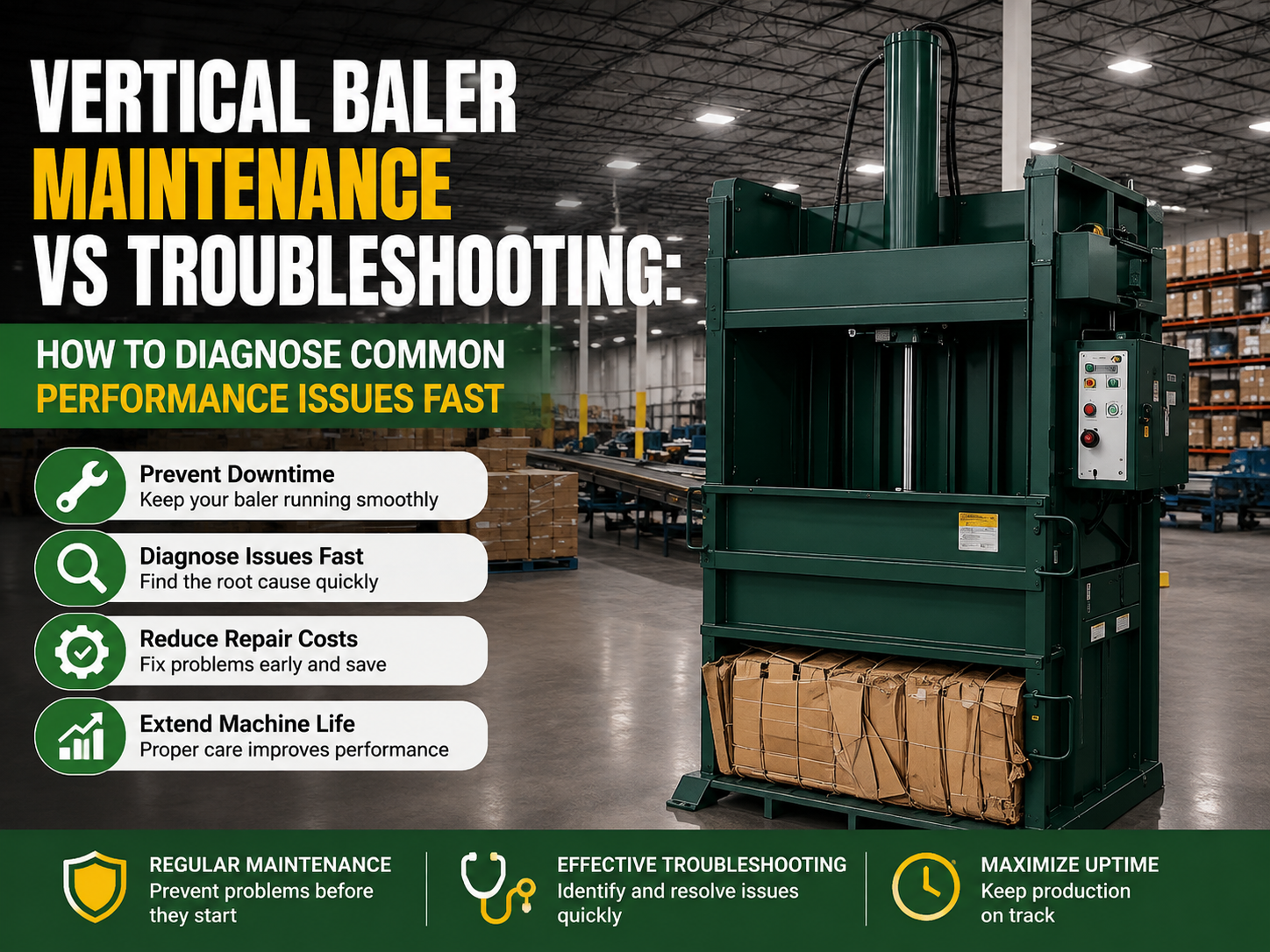
In the high-stakes environment of industrial waste management and metal fabrication, the vertical baler stands as a cornerstone of operational efficiency. Whether you are processing cardboard, plastic, or light metal scraps, the reliability of your HARSLE equipment directly impacts your bottom line. Understanding the distinction between vertical baler maintenance vs troubleshooting: how to diagnose common performance issues fast is not merely a technical skill—it is a strategic necessity for facility managers and maintenance teams.
Maintenance is the proactive heartbeat of your machinery. It involves scheduled inspections, lubrication, and component replacements designed to prevent failure before it occurs. Troubleshooting, by contrast, is the reactive process of identifying the root cause of a specific malfunction once it has manifested. By mastering both, you ensure that your vertical baler remains a productive asset rather than a bottleneck in your workflow.
This guide explores the technical nuances of keeping your baler in peak condition. We will delve into the specific diagnostic steps required to keep your hydraulic systems, electrical controls, and structural components functioning at their highest capacity. By integrating these practices into your daily routine, you minimize downtime and maximize the lifespan of your investment.
Key Considerations for Vertical Baler Maintenance
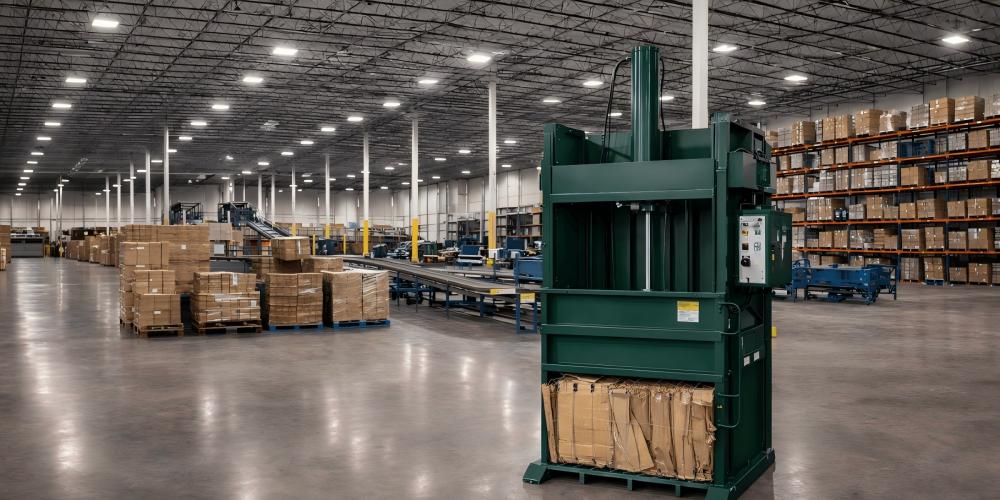
Preventative maintenance is the most effective way to avoid the costly downtime associated with emergency repairs. A structured maintenance program should be categorized into daily, weekly, and monthly tasks. Daily checks should focus on the cleanliness of the baling chamber and the integrity of the hydraulic hoses. Any sign of leakage or fraying must be addressed immediately to prevent catastrophic failure during high-pressure cycles.
Lubrication is perhaps the most overlooked aspect of vertical baler maintenance. The guide rails, pivot points, and cylinder pins require consistent lubrication to prevent friction-induced wear. Using the manufacturer-recommended grease ensures that the moving parts operate smoothly, reducing the strain on the hydraulic motor. Neglecting these points leads to jerky movements, increased noise, and eventual mechanical seizure.
Electrical system integrity is equally vital. Over time, vibration can loosen terminal connections within the control panel. Monthly inspections should include checking for loose wires, signs of overheating, and ensuring that all safety interlocks are functioning correctly. A malfunctioning safety switch will prevent the machine from starting, which is a common but easily avoidable cause of operational downtime.
Finally, consider the environment in which your HARSLE baler operates. Dust, moisture, and extreme temperatures can accelerate the degradation of seals and electronic components. Implementing a regular cleaning schedule to remove debris from the base of the machine and the hydraulic power unit will significantly extend the life of your equipment. Always document these maintenance activities in a logbook to track the health of your machine over time.
Technical Details: Troubleshooting Common Performance Issues
When a baler fails to perform as expected, the troubleshooting process must be systematic. The most common issue reported by operators is a loss of compression force. If the bale is not reaching the desired density, the first step is to check the hydraulic oil level and the condition of the hydraulic pump. Low oil levels or a failing pump will prevent the ram from exerting the necessary force to compact the material effectively.
Another frequent issue involves the ram getting stuck or moving unevenly. This is often caused by debris buildup in the guide tracks or a misalignment of the ram itself. Before calling a technician, inspect the tracks for obstructions and ensure that the guide shoes are not excessively worn. If the ram is misaligned, it may be putting uneven pressure on the cylinder, which can lead to seal failure and internal hydraulic leaks.
Electrical troubleshooting requires a different approach. If the machine fails to power on, start by checking the emergency stop buttons and the door interlock switches. These are designed to cut power for safety, and they are often the culprit when a machine appears dead. If these are clear, use a multimeter to check for voltage at the main contactor. If there is power to the contactor but the motor does not engage, the issue may lie within the motor starter or the thermal overload relay.
Hydraulic drift is another performance issue that can be frustrating. If the ram slowly descends on its own, it indicates a leak in the hydraulic circuit, likely at the directional control valve or the cylinder piston seals. This is a critical safety issue and should be addressed immediately. Troubleshooting this involves isolating the cylinder to determine if the leak is internal (bypassing the piston) or external (leaking through a valve or hose).
Selection Advice: Choosing the Right Baler for Your Needs
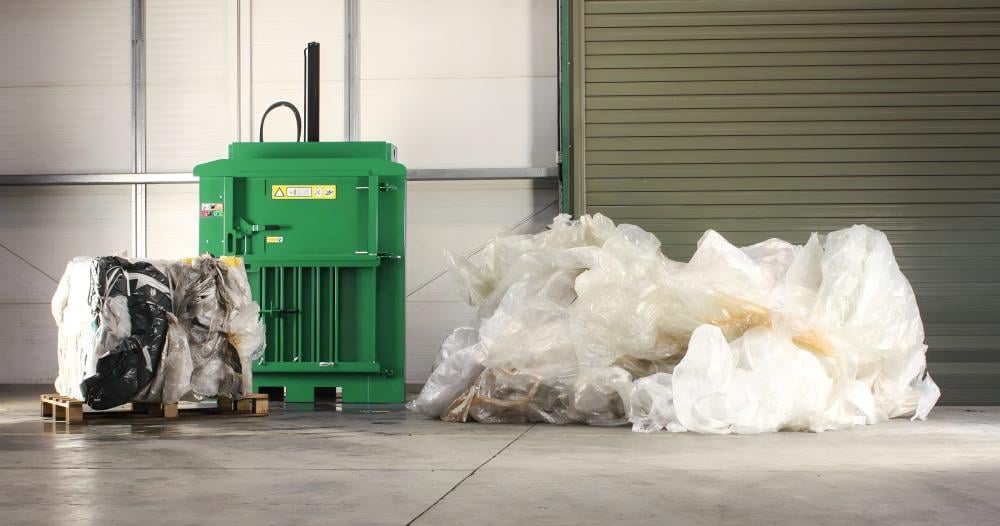
Selecting the right vertical baler is the first step in minimizing maintenance headaches. When evaluating options, consider the volume and type of material you intend to process. A baler designed for light cardboard will quickly fail if used for heavy-duty metal scraps. HARSLE offers a range of machines tailored to specific industrial requirements, and choosing the correct tonnage is essential for long-term reliability.
Consider the ease of access for maintenance. A well-designed baler will have clear access panels to the hydraulic power unit, the electrical cabinet, and the cylinder mounting points. If a machine is difficult to service, maintenance tasks are more likely to be skipped, leading to a faster decline in performance. Look for machines with modular designs that allow for easy replacement of wear parts like guide shoes and seals.
Another factor is the availability of spare parts. When investing in industrial machinery, ensure that the manufacturer provides comprehensive support and a readily available inventory of components. HARSLE provides robust support networks, ensuring that when a part does eventually wear out, you can source a replacement quickly, minimizing the impact on your production schedule.
Finally, evaluate the control interface. Modern vertical balers often feature PLC (Programmable Logic Controller) systems that provide diagnostic feedback. These systems can alert operators to specific faults, such as low oil pressure or door sensor errors, significantly reducing the time spent on troubleshooting. Investing in a machine with advanced diagnostic capabilities pays for itself by reducing the time required to identify and resolve performance issues.
FAQ: Frequently Asked Questions
How often should I change the hydraulic oil in my vertical baler?
Generally, hydraulic oil should be changed every 1,000 to 2,000 hours of operation, or annually, depending on the intensity of use. Always check the oil clarity and viscosity; if it appears dark or smells burnt, it should be replaced immediately.
Why is my baler making a loud screeching noise during operation?
A screeching noise usually indicates a lack of lubrication on the guide rails or worn guide shoes. Inspect these areas for debris and apply the recommended lubricant. If the noise persists, check the hydraulic pump for signs of cavitation.
What should I do if the bale door won’t open?
First, ensure the ram is fully retracted. If the ram is retracted and the door still won’t open, check the locking mechanism for debris or mechanical binding. Never attempt to force the door open while the machine is under pressure.
Can I use any hydraulic fluid in my HARSLE baler?
No, you should always use the hydraulic fluid grade specified in your HARSLE operation manual. Using the wrong viscosity can lead to pump damage and poor performance in varying temperature conditions.
How do I know if my hydraulic seals are failing?
Signs of seal failure include visible oil leaks around the cylinder rod, a loss of compression force, or the ram drifting downward when the machine is idle. If you notice these symptoms, contact a technician to replace the seals.
Conclusion: Mastering Your Machinery
The relationship between vertical baler maintenance vs troubleshooting: how to diagnose common performance issues fast is a cycle of continuous improvement. By prioritizing preventative maintenance, you create a stable environment where your equipment can perform at its peak. When issues do arise, a systematic approach to troubleshooting allows you to resolve them with minimal disruption to your operations.
Remember that your HARSLE vertical baler is a precision instrument. Treating it with the care it deserves—through regular lubrication, electrical inspections, and adherence to operational guidelines—will ensure it remains a reliable workhorse for years to come. Do not wait for a breakdown to learn the mechanics of your machine; start your maintenance program today and keep your facility running at maximum efficiency.
By investing time in understanding these technical aspects, you empower your team to make informed decisions, reduce reliance on external service providers, and ultimately protect your bottom line. Whether you are managing a small recycling center or a large metal fabrication plant, these practices are the key to sustained success in industrial waste management.