Troubleshooting Material Deformation During Gantry Shear Cutting: A Comprehensive Guide

Introduction to Gantry Shear Precision
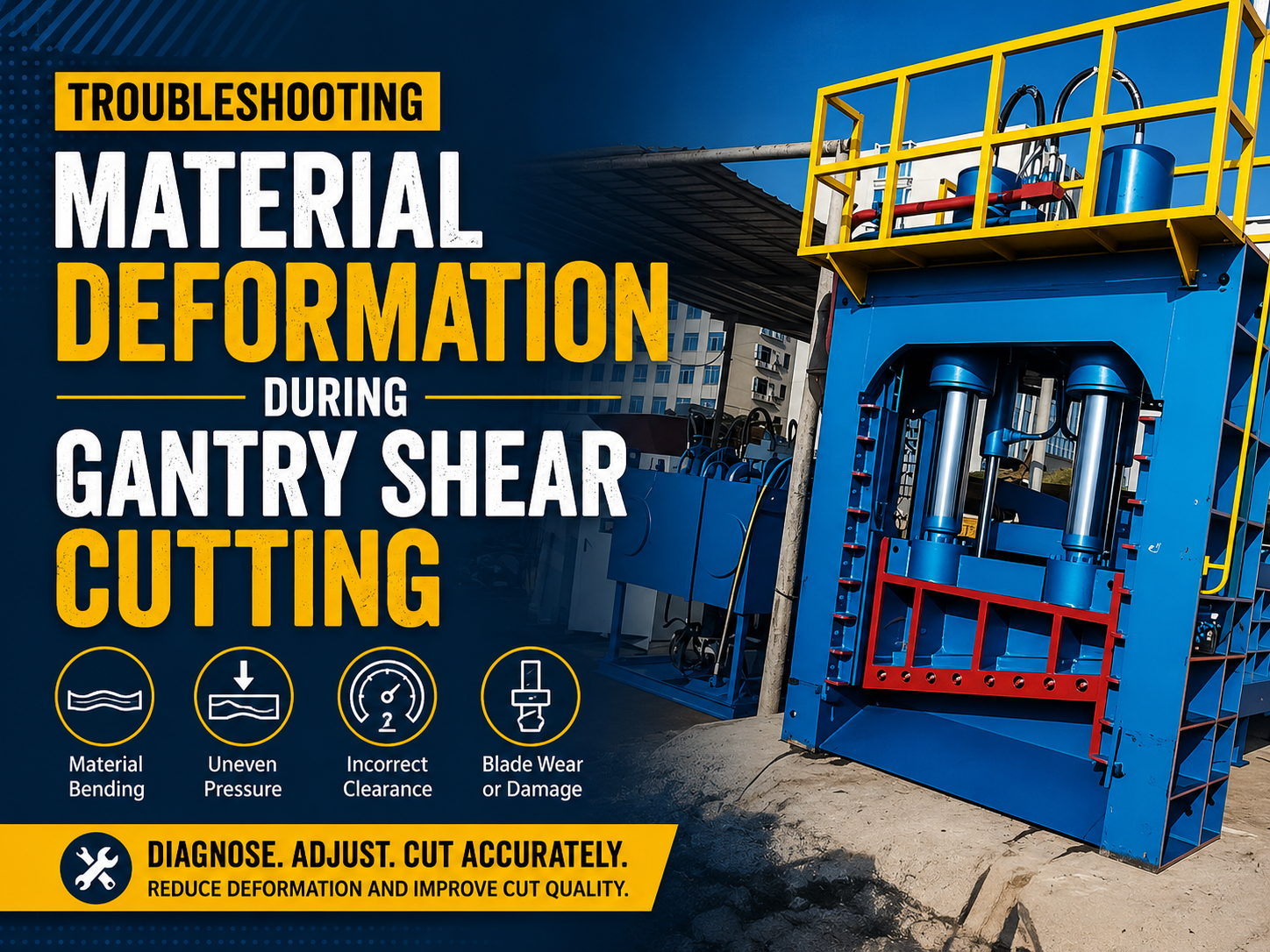
In the demanding world of heavy-duty metal fabrication, the gantry shear stands as a cornerstone of efficiency and throughput. However, even the most robust HARSLE machinery can encounter challenges when processing high-tensile or thin-gauge materials. Troubleshooting material deformation during gantry shear cutting is a critical skill for operators and maintenance engineers alike. When material warps, twists, or exhibits burrs, it not only compromises the quality of the final product but also places unnecessary stress on the machine’s hydraulic and structural components.
Material deformation often manifests as bowing, cambering, or edge distortion. These issues are rarely the result of a single factor; rather, they are usually the cumulative effect of blade clearance, material clamping pressure, and the inherent mechanical properties of the workpiece. Understanding the physics behind these deformations is the first step toward achieving the clean, square cuts that HARSLE equipment is designed to deliver.
This guide explores the technical nuances of gantry shear operations, providing actionable insights into identifying the root causes of deformation. By systematically addressing these variables, fabrication shops can significantly reduce scrap rates, improve safety, and extend the operational lifespan of their cutting blades and hydraulic systems.
Key Considerations for Material Stability
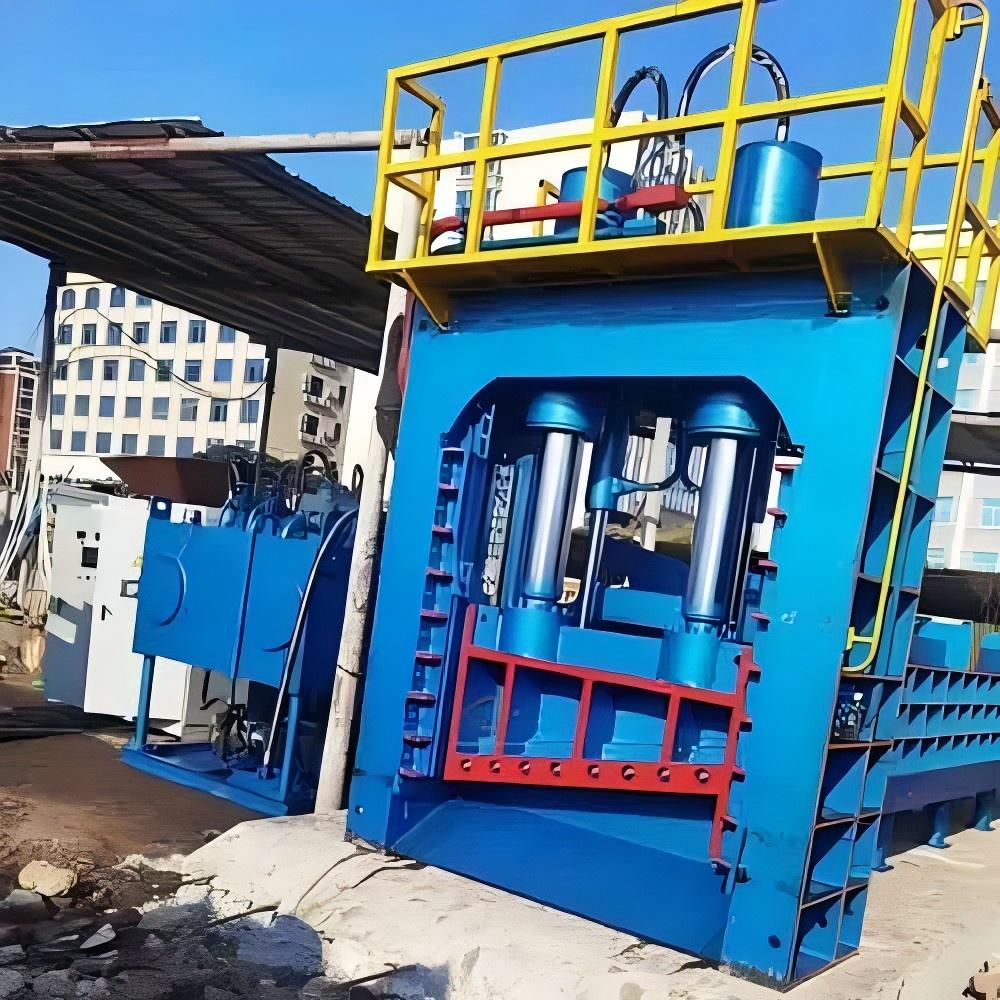
The primary factor in preventing deformation is the management of the material during the cutting stroke. When a gantry shear descends, it exerts immense downward force. If the material is not adequately supported or clamped, the force of the blade can cause the metal to deflect before the shear action is completed. This deflection is the leading cause of edge distortion and inconsistent cut angles.
Material thickness and tensile strength must be matched with the machine’s capacity. Attempting to shear material that exceeds the machine’s rated capacity will inevitably lead to structural deflection in the gantry itself. Operators must ensure that the material is properly staged and that the hold-down cylinders are functioning at the correct pressure. If the hold-down force is insufficient, the material will lift or shift, leading to a jagged cut and permanent deformation of the workpiece edge.
Furthermore, the condition of the shear blades is paramount. Dull blades do not cut; they crush. When a blade loses its edge, the force required to penetrate the material increases significantly, pushing the metal downward rather than slicing through it. This increased downward pressure is a frequent culprit in material deformation. Regular inspection and sharpening schedules are essential for maintaining the integrity of the cut.
Finally, the environment and material storage play a role. Cold-rolled steel, for instance, may have internal stresses that release during the cutting process, leading to unexpected warping. Understanding the metallurgical state of your raw material allows for better planning of the cutting sequence and the use of appropriate support systems to counteract these internal stresses.
Technical Details: Blade Clearance and Hydraulic Pressure
Blade clearance is perhaps the most technical aspect of troubleshooting material deformation during gantry shear cutting. The clearance between the upper and lower blades must be precisely adjusted based on the material thickness. If the clearance is too wide, the material is pulled into the gap, causing excessive burrs and bending the metal downward. If the clearance is too tight, the machine experiences excessive friction, which can lead to blade chipping and heat-induced deformation.
HARSLE gantry shears feature adjustable clearance mechanisms that allow operators to fine-tune the gap. A general rule of thumb is that the clearance should be approximately 5% to 10% of the material thickness. However, for high-strength alloys, this ratio may need to be adjusted. Operators should use feeler gauges to verify the gap across the entire length of the blade, as uneven clearance is a common cause of localized deformation.
Hydraulic pressure settings also play a vital role. The hold-down system must exert enough force to keep the material flat against the table, but not so much that it leaves deep indentations or causes the material to buckle. Modern HARSLE systems allow for proportional pressure control, which can be adjusted based on the material’s yield strength. By optimizing the hold-down pressure, you ensure that the material remains stationary throughout the entire cutting cycle.
Another technical factor is the rake angle of the upper blade. A steeper rake angle reduces the total cutting force required, which can minimize deformation in thicker plates. However, a steeper angle also increases the tendency for the material to twist. Finding the balance between rake angle and cutting force is a hallmark of an experienced operator. When troubleshooting, consider if the rake angle is appropriate for the specific material being processed.
Selection Advice for Optimal Performance
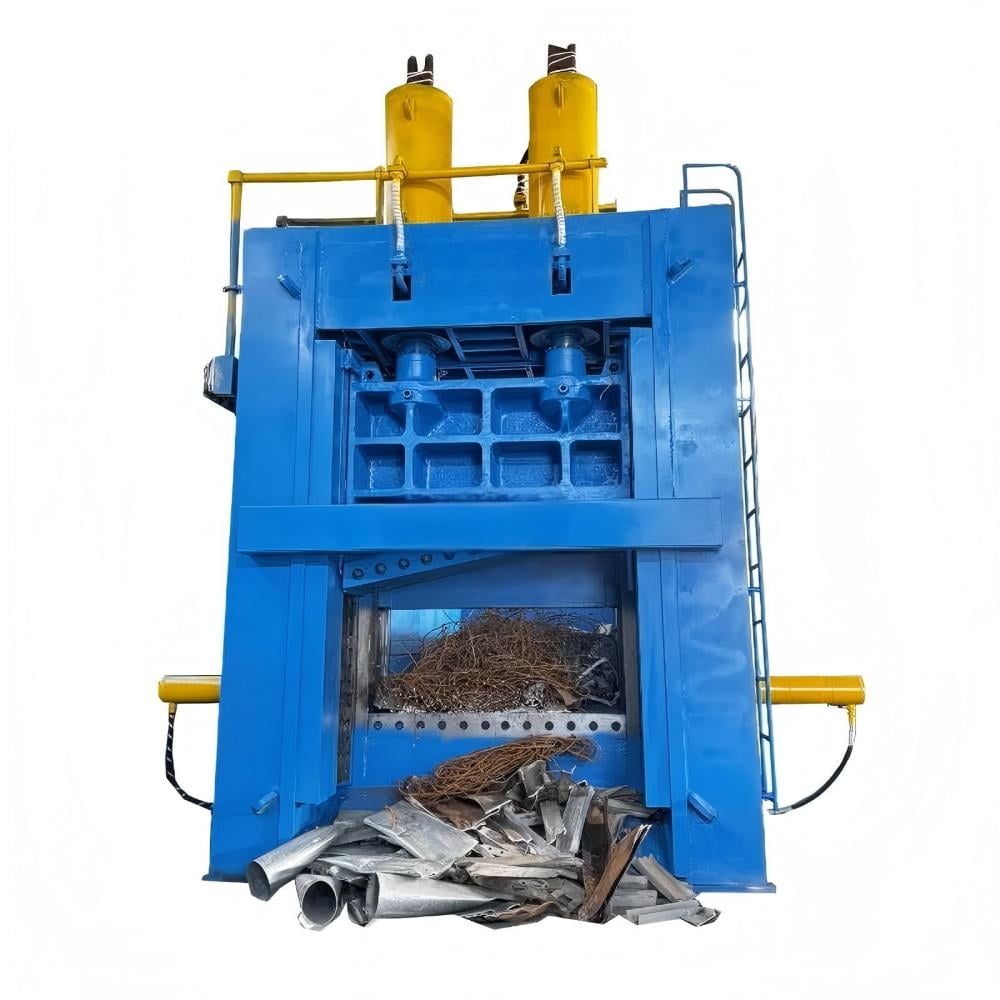
When selecting a gantry shear, it is crucial to consider the specific range of materials you intend to process. A machine that is perfectly suited for mild steel may struggle with stainless steel or high-tensile alloys. Look for machines with robust, heavy-duty frames that minimize vibration and structural flex. HARSLE offers a range of models designed to handle varying levels of stress, ensuring that the machine frame remains rigid even under maximum load.
Consider the automation features available. Modern gantry shears often come with CNC backgauges and automatic blade clearance adjustment. These features remove the margin for human error, ensuring that the machine is always set to the optimal parameters for the material being cut. Investing in these technologies is one of the most effective ways to prevent material deformation, as the machine can automatically compensate for variations in material thickness.
Evaluate the support systems. For large plates, a motorized sheet support or a pneumatic support system is essential. These systems prevent the material from sagging as it is cut, which is a primary cause of bowing and edge distortion. If your fabrication shop frequently handles large, thin sheets, a machine with integrated support tables is a non-negotiable requirement.
Finally, consider the manufacturer’s support and training. Troubleshooting material deformation is easier when you have access to expert guidance. HARSLE provides comprehensive training and technical support to ensure that your team understands how to calibrate the machine for different materials. Choosing a partner that stands behind their equipment ensures that you can maintain high production standards over the long term.
Troubleshooting Checklist for Operators
- Check Blade Clearance: Use a feeler gauge to ensure the gap is consistent across the entire blade length.
- Inspect Blade Sharpness: Dull blades increase cutting force and cause material bending. Sharpen or replace as needed.
- Verify Hold-Down Pressure: Ensure the hydraulic hold-downs are engaging firmly before the blade makes contact.
- Assess Material Support: Use support tables or rollers to prevent the material from sagging during the cut.
- Review Rake Angle: Ensure the rake angle is set correctly for the material thickness and type.
- Check Machine Leveling: An unlevel machine can cause uneven stress distribution, leading to skewed cuts.
- Monitor Hydraulic Fluid: Contaminated or low-pressure fluid can cause inconsistent hold-down force.
FAQ: Common Questions About Gantry Shears
Why does my material have a burr on the edge after cutting?
A burr is usually a sign of excessive blade clearance or dull blades. Check your clearance settings and ensure the blades are sharp.
How often should I adjust the blade clearance?
You should adjust the clearance whenever you switch to a material with a significantly different thickness or hardness.
Can I cut multiple sheets at once to save time?
While possible, stacking sheets often leads to deformation and poor cut quality. It is generally recommended to cut one sheet at a time for maximum precision.
What is the most common cause of material bowing?
Bowing is typically caused by a lack of support for the cut piece or insufficient hold-down pressure, allowing the material to deflect during the shear stroke.
Conclusion
Troubleshooting material deformation during gantry shear cutting is a multifaceted process that requires attention to detail, regular maintenance, and a deep understanding of your equipment. By focusing on blade clearance, hold-down pressure, and proper material support, you can eliminate the most common causes of deformation and achieve the high-quality results that HARSLE machinery is known for. Remember that consistent maintenance and operator training are the best investments you can make in your fabrication shop’s productivity. With the right approach, your gantry shear will provide years of reliable, precise service, helping you maintain a competitive edge in the metal fabrication industry.