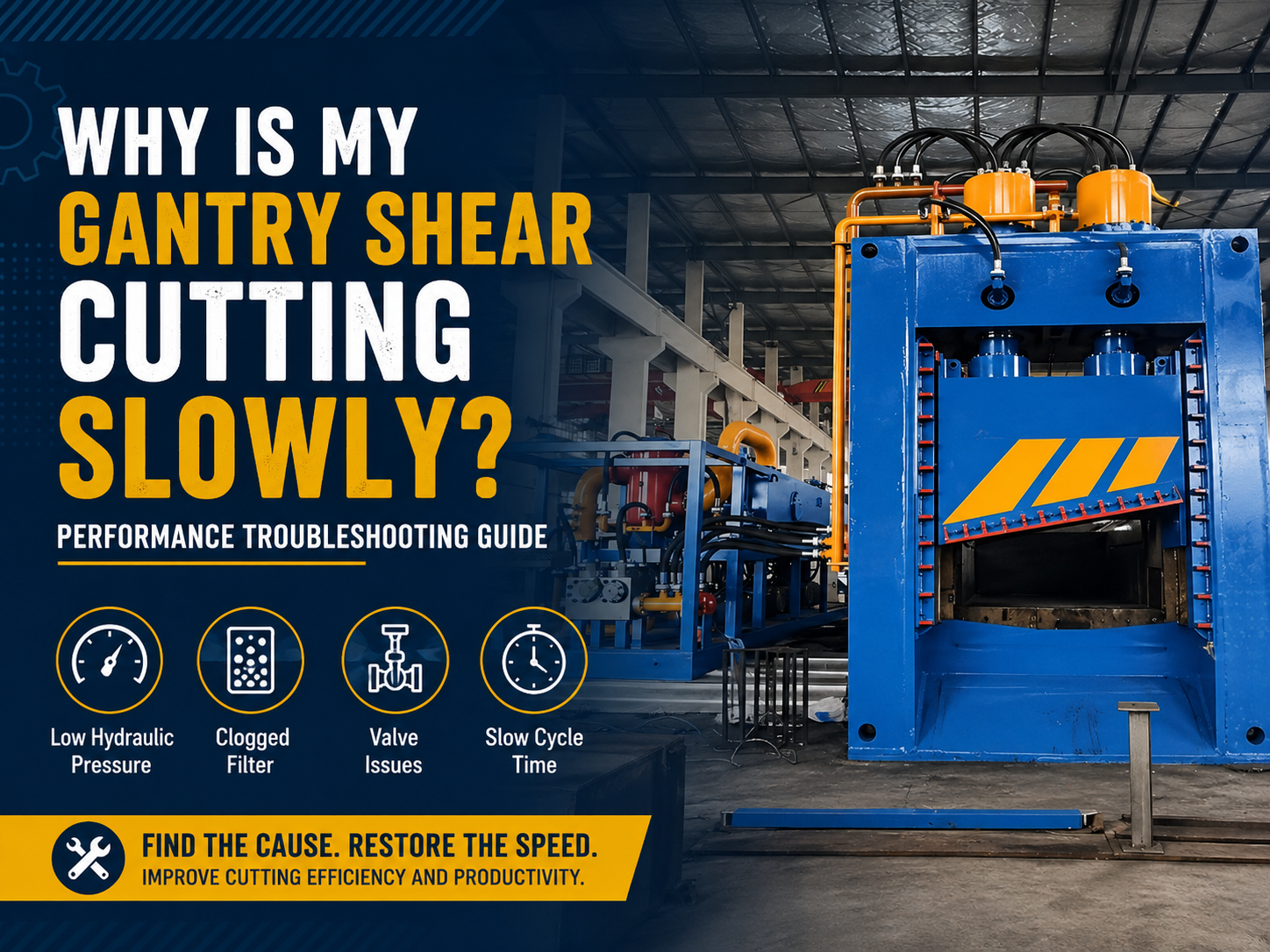
Why Is My Gantry Shear Cutting Slowly? Performance Troubleshooting Guide

Introduction: Understanding Gantry Shear Performance
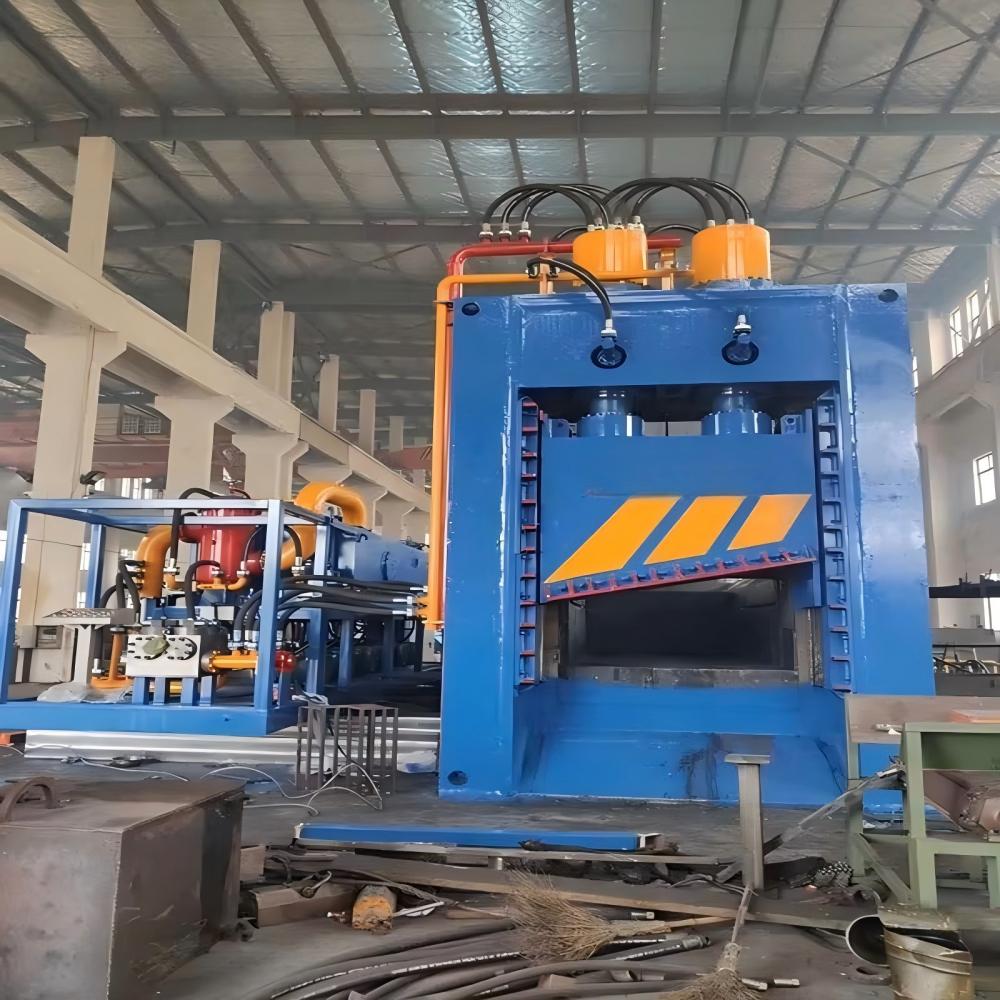
In the high-stakes environment of metal fabrication, efficiency is the heartbeat of your production line. When you ask, “Is my gantry shear cutting slowly? Performance troubleshooting is the first step toward restoring your operational throughput. A gantry shear is a robust piece of industrial machinery designed for high-volume scrap processing and heavy-duty metal cutting. When these machines begin to lag, it is rarely a sign of simple wear and tear; rather, it is often a symptom of underlying mechanical, hydraulic, or electrical inefficiencies that require immediate attention.
At HARSLE, we understand that downtime is costly. A gantry shear that operates at half-capacity not only delays your project timelines but also increases the cost-per-cut, eating into your profit margins. Whether you are processing structural steel, heavy plates, or recycled scrap, maintaining optimal cycle times is essential for staying competitive in the metal fabrication industry.
This guide is designed to walk you through the systematic process of identifying why your gantry shear might be underperforming. We will explore the technical nuances of hydraulic systems, blade maintenance, and control settings to ensure your equipment returns to peak performance. By following these troubleshooting steps, you can diagnose common issues before they escalate into expensive, long-term mechanical failures.
Key Considerations: Identifying the Root Cause
When investigating why your gantry shear is cutting slowly, the first step is to categorize the symptoms. Is the machine slow throughout the entire stroke, or does it hesitate at the point of impact? A consistent slow speed usually points to a hydraulic supply issue, whereas a hesitation during the cut often suggests mechanical resistance or blade dullness.
Environmental factors also play a significant role. Have you recently changed the type of material being processed? If you are attempting to cut material that exceeds the shear’s rated capacity, the internal relief valves may be triggering, effectively slowing down the machine to protect the structural integrity of the frame. Always verify that your material thickness and hardness align with the machine’s specifications.
Another key consideration is the ambient temperature of your facility. Hydraulic oil viscosity changes with temperature. If your machine is located in an unheated warehouse during winter, the oil may be too thick to flow efficiently through the valves, leading to sluggish movement. Conversely, in extreme heat, oil can become too thin, leading to internal leakage within the cylinders and a subsequent loss of force and speed.
Finally, consider the human element. Have there been recent changes to the operator settings? Sometimes, a simple adjustment in the pressure settings or the stroke length limiters can inadvertently restrict the machine’s speed. Always check the control panel for any active alarms or diagnostic codes that might indicate a system-wide performance restriction.
Technical Details: Hydraulic and Mechanical Troubleshooting
The hydraulic system is the lifeblood of your gantry shear. If the pump is failing to deliver the required volume of oil, the shear will inevitably slow down. Check the hydraulic pump for signs of cavitation or excessive noise, which often indicate air in the system or a failing pump component. Ensure that the oil filters are clean and that the hydraulic fluid is at the correct level and free of contaminants.
Blade clearance is another critical technical factor. If the gap between the upper and lower blades is too wide, the material will bend rather than shear, requiring significantly more force and time to complete the cut. Conversely, if the clearance is too tight, the friction between the blades increases, causing the machine to work harder and move slower. Regularly check your blade clearance settings against the manufacturer’s recommendations for the specific material thickness you are processing.
Electrical control systems also dictate cycle times. Modern gantry shears use PLC (Programmable Logic Controller) systems to manage the sequencing of the cutting stroke. If the sensors that detect the position of the blade are dirty or misaligned, the controller may be receiving delayed signals, causing the machine to pause unnecessarily between cycles. Inspect all limit switches and proximity sensors for debris or physical damage.
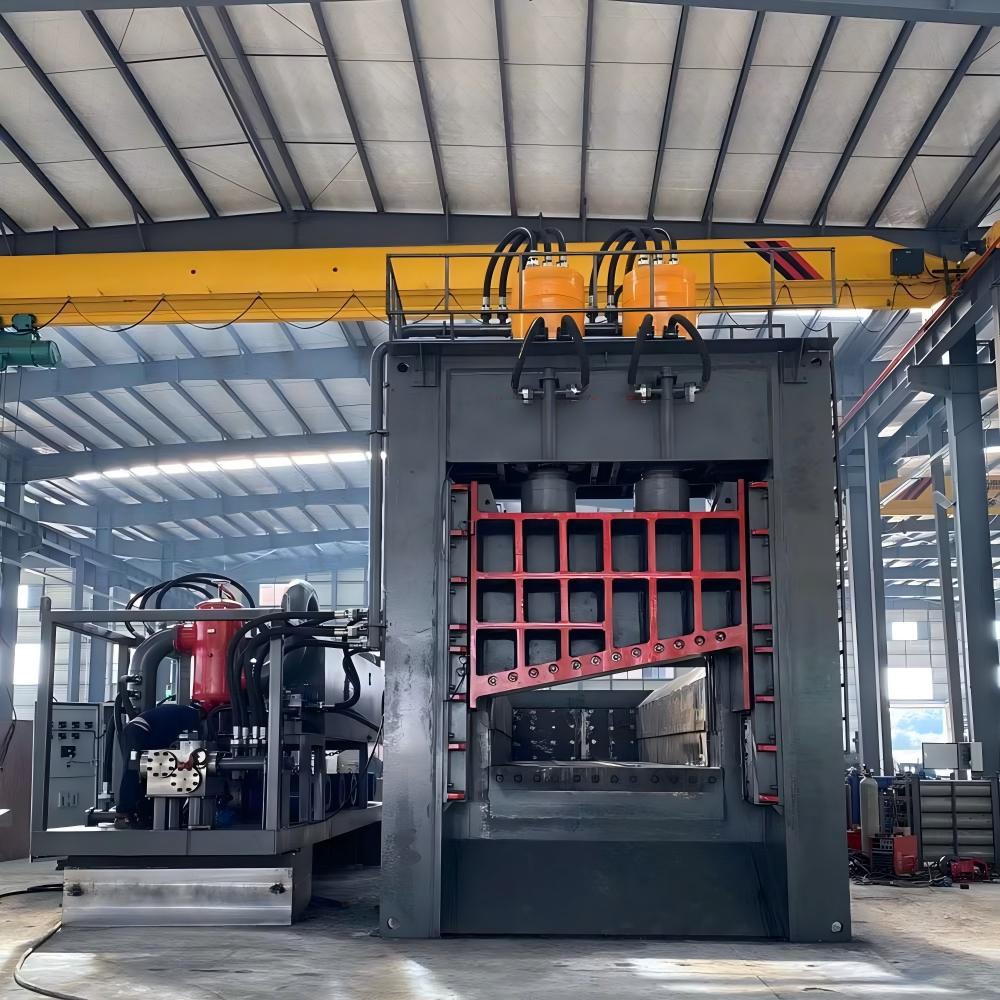
Internal cylinder leakage is a silent performance killer. Over time, the seals within the main hydraulic cylinders can wear down, allowing oil to bypass the piston. This results in a loss of pressure and speed. To test for this, perform a drift test: raise the shear to its top position, turn off the machine, and observe if the blade drifts downward over time. If it does, your seals likely need replacement.
Selection Advice: Choosing the Right Equipment for Your Needs
If you find that your current gantry shear is consistently struggling to keep up with your production demands, it may be time to evaluate whether your equipment is properly sized for your application. When selecting a new gantry shear, consider the maximum tonnage required for your thickest material, but also consider the cycle time requirements for your thinnest, most frequent cuts.
Look for machines that offer variable speed controls or high-speed return strokes. These features allow you to optimize the cycle time based on the specific job at hand. A machine that is “over-engineered” for your needs might be slower than a machine specifically designed for high-speed, light-to-medium duty applications. Always consult with HARSLE engineers to match the machine’s hydraulic capacity with your throughput goals.
Consider the build quality of the frame. A rigid, heavy-duty frame minimizes deflection during the cut. When a frame deflects, the blades lose their alignment, which increases friction and slows down the cutting process. Investing in a high-quality, stress-relieved steel frame ensures that your shear maintains its precision and speed over many years of operation.
Finally, look for ease of maintenance. A machine that is easy to service is a machine that stays running. Features like centralized lubrication points, easy-access hydraulic manifolds, and intuitive diagnostic interfaces can save hours of troubleshooting time. When you choose HARSLE, you are choosing equipment designed with the operator and maintenance technician in mind, ensuring that performance issues are easy to identify and resolve.
FAQ: Common Questions About Gantry Shear Performance
- Q: How often should I sharpen my shear blades?
A: Blade sharpening frequency depends on the material type and volume. Generally, if you notice burrs on the cut edge or the machine seems to labor during the cut, it is time to inspect and sharpen the blades. - Q: Can low hydraulic oil levels cause slow cutting?
A: Yes. Low oil levels can lead to air entering the system, which causes cavitation and reduces the efficiency of the hydraulic pump, resulting in slower cycle times. - Q: Why does my shear hesitate at the start of the cut?
A: This is often due to incorrect blade clearance or a need for increased hydraulic pressure. Check your clearance settings first, as this is the most common culprit. - Q: Is it normal for the machine to slow down when cutting thicker steel?
A: While some minor speed reduction is normal due to the increased load, a significant drop in speed suggests that the hydraulic system is reaching its relief pressure limit. Ensure your machine is rated for the material thickness you are cutting. - Q: How do I know if my hydraulic pump is failing?
A: Signs of a failing pump include unusual whining noises, increased oil temperature, and a noticeable decrease in the speed of the shear across all operations.
Conclusion: Maintaining Peak Performance
Addressing the question, “Is my gantry shear cutting slowly? Performance troubleshooting” is a vital part of maintaining a healthy fabrication shop. By systematically checking your hydraulic system, blade clearance, sensor alignment, and material compatibility, you can identify the root cause of performance drops and implement effective solutions. Regular maintenance is not just about fixing what is broken; it is about preventing issues before they impact your bottom line.
At HARSLE, we are committed to providing you with the highest quality metal fabrication equipment and the support you need to keep it running at peak efficiency. If you have exhausted these troubleshooting steps and are still experiencing performance issues, our technical support team is always ready to assist you. Remember, a well-maintained gantry shear is the foundation of a productive and profitable workshop. Invest time in your maintenance routine today to ensure your production remains fast, accurate, and reliable for years to come.