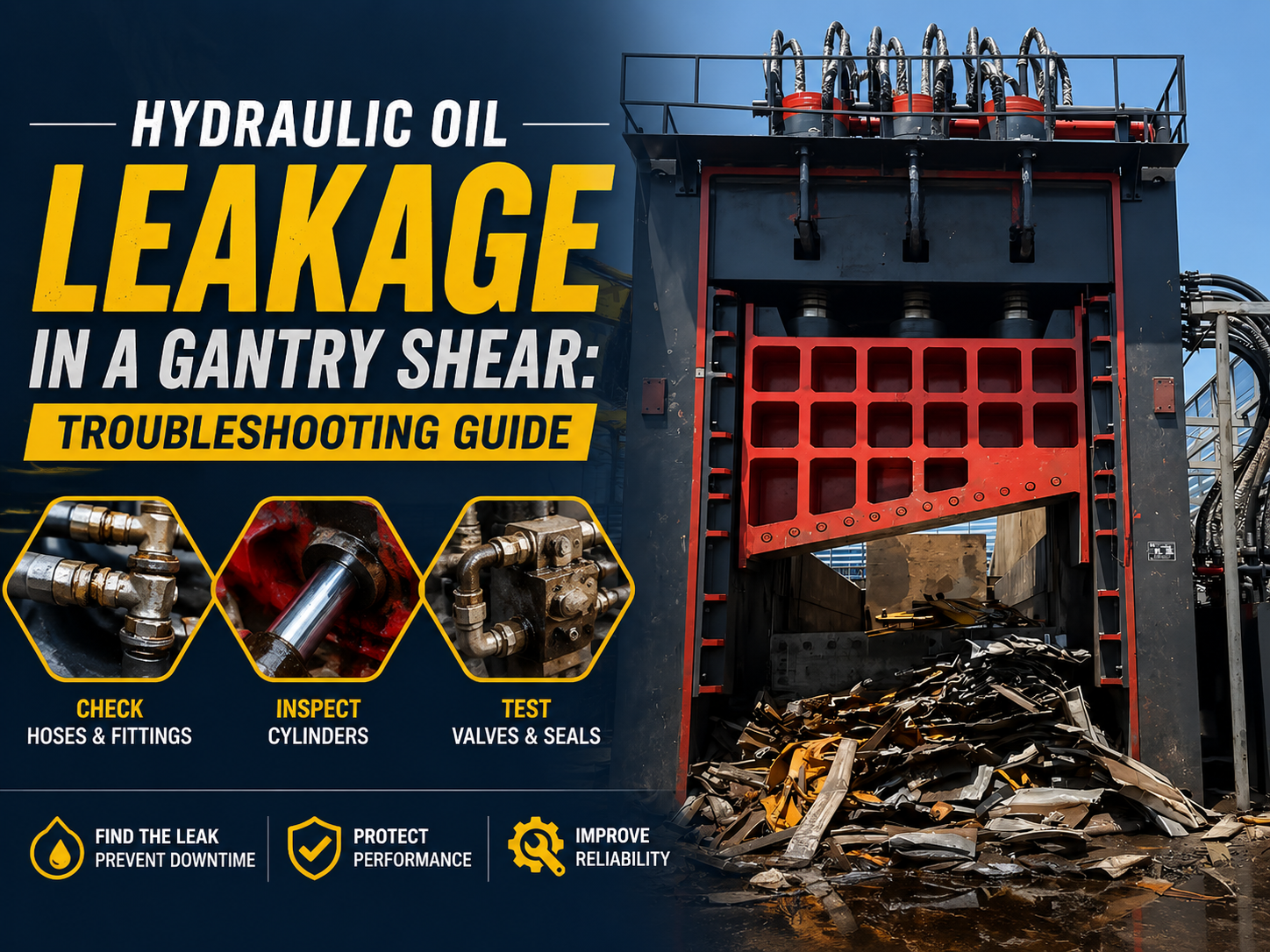
Hydraulic Oil Leakage In A Gantry Shear: Troubleshooting Guide

Introduction to Hydraulic Systems in Gantry Shears
In the world of heavy-duty metal fabrication, the gantry shear stands as a cornerstone of production efficiency. These machines are engineered to process large volumes of scrap metal and structural steel with immense force. At the heart of this power lies the hydraulic system, a complex network of pumps, valves, cylinders, and hoses designed to convert fluid pressure into mechanical shearing force. When this system functions optimally, the gantry shear operates with precision and reliability. However, hydraulic oil leakage in a gantry shear: troubleshooting guide is a critical necessity for any facility manager or maintenance technician.
Hydraulic leaks are more than just a messy inconvenience; they represent a significant threat to machine longevity, operational safety, and environmental compliance. A small drip can quickly escalate into a catastrophic failure if left unaddressed, leading to pressure loss, overheating, and potential damage to the internal components of the hydraulic circuit. Understanding the root causes of these leaks is the first step toward maintaining a high-performance production line.
HARSLE is committed to ensuring that our clients achieve maximum uptime with their equipment. This comprehensive guide is designed to walk you through the systematic process of identifying, diagnosing, and resolving hydraulic leaks. By following these professional maintenance protocols, you can protect your investment and ensure that your gantry shear continues to deliver the high-force shearing performance required for your industrial applications.
Key Considerations for Hydraulic Integrity
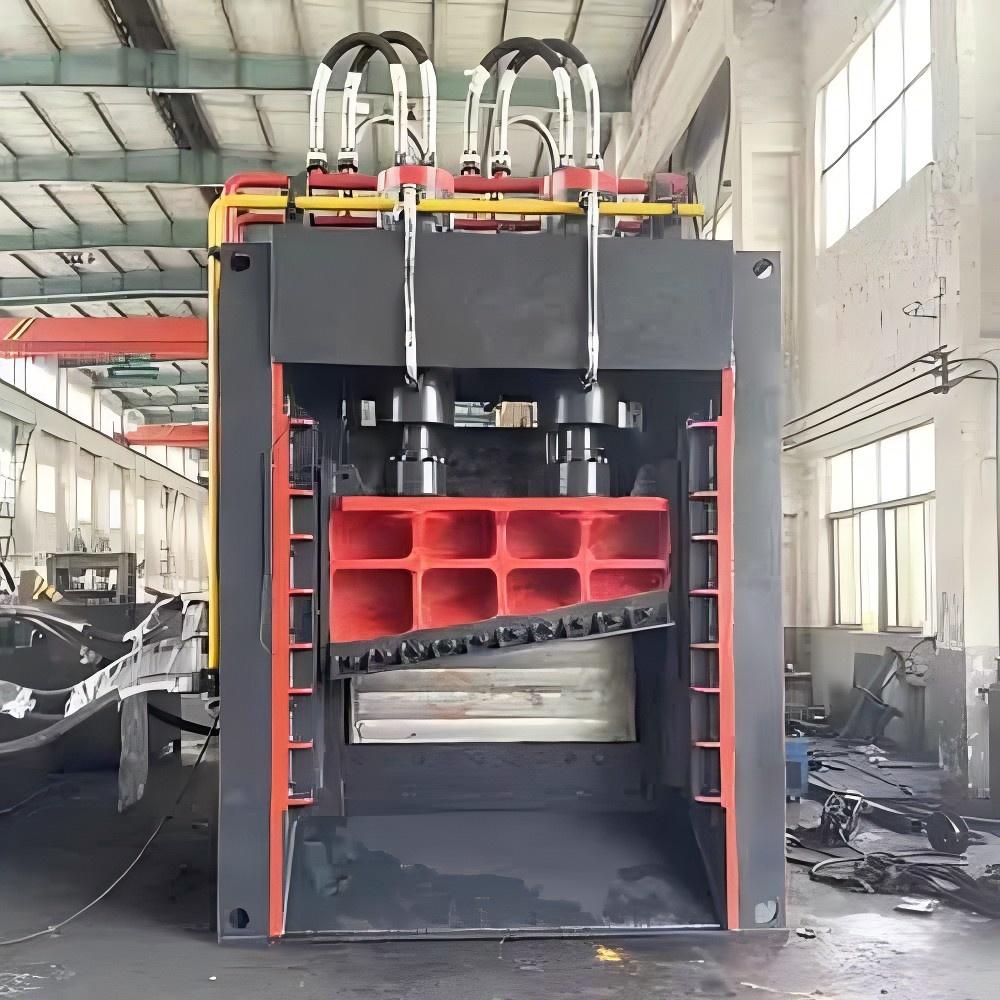
Maintaining the integrity of a hydraulic system requires a proactive mindset. The first key consideration is the regular inspection of high-pressure hoses. In a gantry shear, these hoses are subjected to constant vibration and rapid pressure fluctuations. Over time, the rubber compounds can degrade, leading to micro-cracks that eventually result in pinhole leaks. Operators should perform a visual check at the start of every shift, looking for signs of weeping or localized oil accumulation.
Another vital consideration is the condition of the hydraulic seals and gaskets. These components act as the primary barrier between the pressurized fluid and the external environment. In high-stress environments, seals can harden due to excessive heat or become brittle due to chemical incompatibility with the hydraulic fluid. When a seal fails, the resulting leak is often located at the cylinder rod or the valve manifold, which can be particularly difficult to access without proper safety protocols.
Environmental factors also play a significant role in hydraulic leakage. Dust, metal shavings, and debris common in fabrication shops can settle on exposed cylinder rods. As the rod retracts, these contaminants are pulled past the wiper seal, scoring the surface and creating a pathway for oil to escape. Keeping the machine clean and ensuring that protective bellows are in good condition is essential for preventing premature seal wear.
Finally, the quality and viscosity of the hydraulic oil itself cannot be overlooked. Using the wrong grade of oil can cause the system to run hotter than intended, which accelerates the degradation of rubber seals and hoses. Always refer to the HARSLE technical manual to ensure you are using the manufacturer-recommended fluid. Proper filtration is equally important; contaminated oil acts as an abrasive, wearing down internal pump components and valve seats, which eventually leads to internal leakage that manifests as a loss of system pressure.
Technical Details: Troubleshooting Hydraulic Oil Leakage In A Gantry Shear
When you encounter hydraulic oil leakage in a gantry shear: troubleshooting must be approached with a logical, step-by-step methodology. The first technical step is to clean the area around the suspected leak. It is nearly impossible to pinpoint the source of a leak if the machine is covered in layers of grime and old oil. Use a degreaser and compressed air to expose the metal surfaces, then cycle the machine under load to observe exactly where the fluid is emerging.
If the leak is emanating from a fitting or connection, the issue is often as simple as a loose nut or a damaged O-ring. However, do not simply overtighten the fitting, as this can crack the housing or damage the threads. Instead, loosen the connection, inspect the threads for debris or damage, replace the O-ring or seal if necessary, and re-torque the connection to the manufacturer’s specifications. Always ensure the system is de-pressurized before attempting any mechanical adjustments.
For leaks originating from the hydraulic cylinders, the problem is usually internal or external seal failure. If oil is leaking from the rod end, the rod seal or wiper seal is likely compromised. If the machine is losing pressure but there is no visible external leak, you may be dealing with internal bypass leakage, where oil is leaking past the piston seals inside the cylinder. This requires a more intensive teardown and inspection of the cylinder barrel and piston assembly.
Valve manifolds are another common point of failure. These blocks contain multiple ports and internal channels. If a leak is detected here, check the mounting bolts for the valves. Vibration can cause these bolts to loosen over time, breaking the seal between the valve body and the manifold. If the bolts are tight, the issue may be a failed gasket or an O-ring between the valve and the manifold plate. Replacing these gaskets is a standard maintenance task that can prevent significant fluid loss.
Selection Advice: Choosing the Right Components
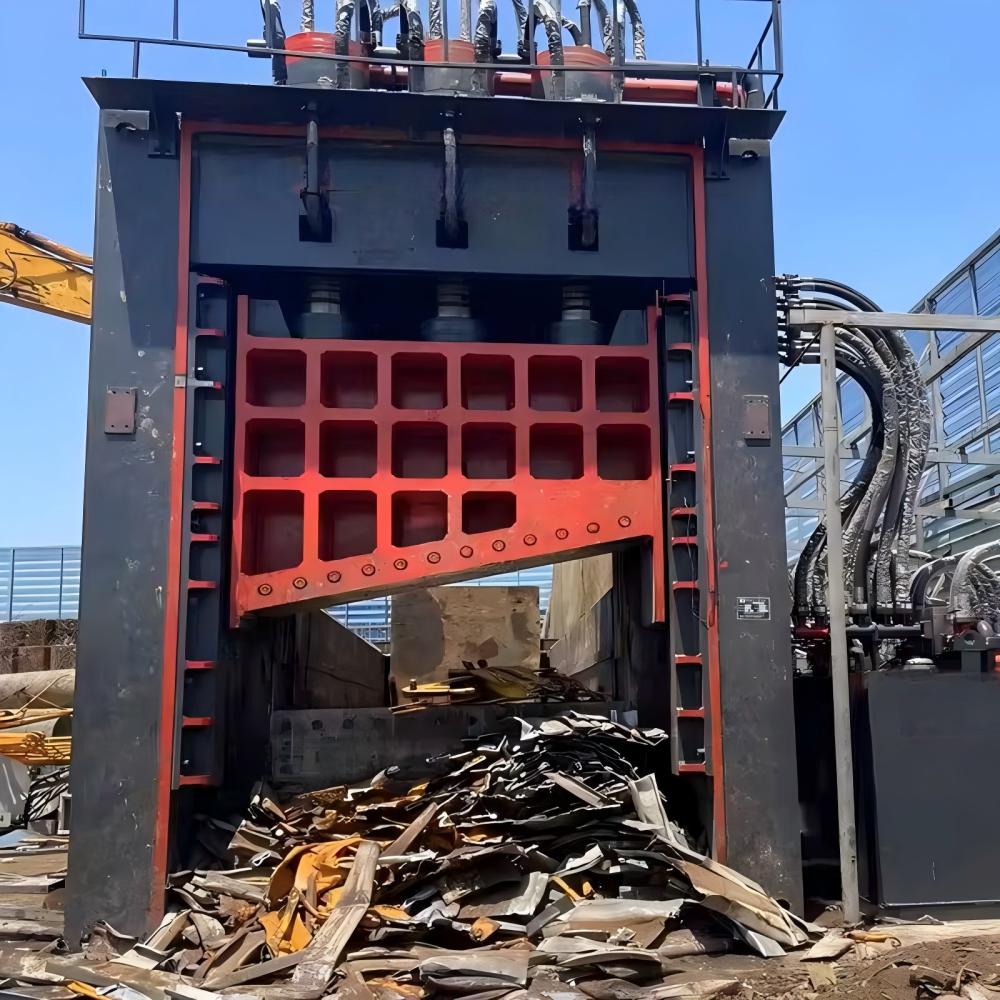
When replacing components to resolve hydraulic oil leakage in a gantry shear, quality should be your primary selection criterion. Not all hydraulic hoses and seals are created equal. Opt for high-pressure rated hoses that meet or exceed the original equipment manufacturer (OEM) specifications. Cheap, generic hoses may fail prematurely under the intense pressure cycles of a gantry shear, leading to a recurring maintenance cycle that costs more in downtime than the initial savings on parts.
When selecting seals, consider the operating temperature of your hydraulic system. If your facility operates in a high-heat environment, standard nitrile seals may not be sufficient. You might need to upgrade to Viton or other high-temperature synthetic rubber compounds that offer superior resistance to heat and chemical degradation. Consult with HARSLE support to determine the exact material specifications required for your specific model.
It is also advisable to keep a comprehensive spare parts kit on hand. This should include a variety of O-rings, backup rings, hydraulic fittings, and a spare set of high-pressure hoses for the most critical lines. Having these parts readily available minimizes the time the machine spends in a non-operational state. Furthermore, consider investing in a high-quality hydraulic oil filtration system if your current setup is prone to contamination.
Finally, when selecting a hydraulic fluid, prioritize products with excellent anti-wear and anti-foaming properties. The fluid is the lifeblood of the machine; it lubricates moving parts, transfers power, and dissipates heat. Investing in premium-grade hydraulic oil will pay dividends in the form of longer seal life, smoother valve operation, and a significant reduction in the frequency of leak-related repairs.
FAQ: Common Questions About Gantry Shear Maintenance
- How often should I inspect my gantry shear for leaks? We recommend a visual inspection before every shift and a more thorough, deep-cleaning inspection on a monthly basis.
- Can I use Teflon tape on hydraulic fittings? No. Teflon tape can shred and enter the hydraulic system, causing blockages in valves and pumps. Always use the correct O-rings or flare-seal fittings.
- What should I do if I find a pinhole leak in a hose? Never attempt to patch a hydraulic hose. A pinhole leak is under extreme pressure and can cause severe injection injuries. Replace the hose immediately.
- Why does my machine leak only when it is under load? This is a classic sign of a seal that has lost its elasticity. Under pressure, the seal expands and fails to maintain a tight contact with the moving surface.
- Is it normal for a gantry shear to have a small amount of oil on the cylinder rod? A very thin film of oil is normal for lubrication, but if you see drips or a visible buildup, it indicates a failing wiper seal.
Conclusion: Ensuring Long-Term Reliability
Addressing hydraulic oil leakage in a gantry shear: troubleshooting guide is an essential skill for any operator or maintenance team. By understanding the mechanics of the system, performing regular inspections, and using high-quality replacement parts, you can significantly extend the life of your HARSLE equipment. Remember that a well-maintained machine is not only more productive but also safer for your workforce and better for the environment.
If you encounter a leak that you cannot resolve using these steps, do not hesitate to contact the HARSLE technical support team. Our experts are available to provide guidance, supply genuine replacement parts, and assist with complex repairs to ensure your gantry shear remains a reliable workhorse in your metal fabrication facility. Consistent maintenance is the key to avoiding the high costs of emergency repairs and ensuring that your production schedule remains on track.