Troubleshooting Gantry Shear Back Gauge Errors and Positioning Failures: A Comprehensive Guide

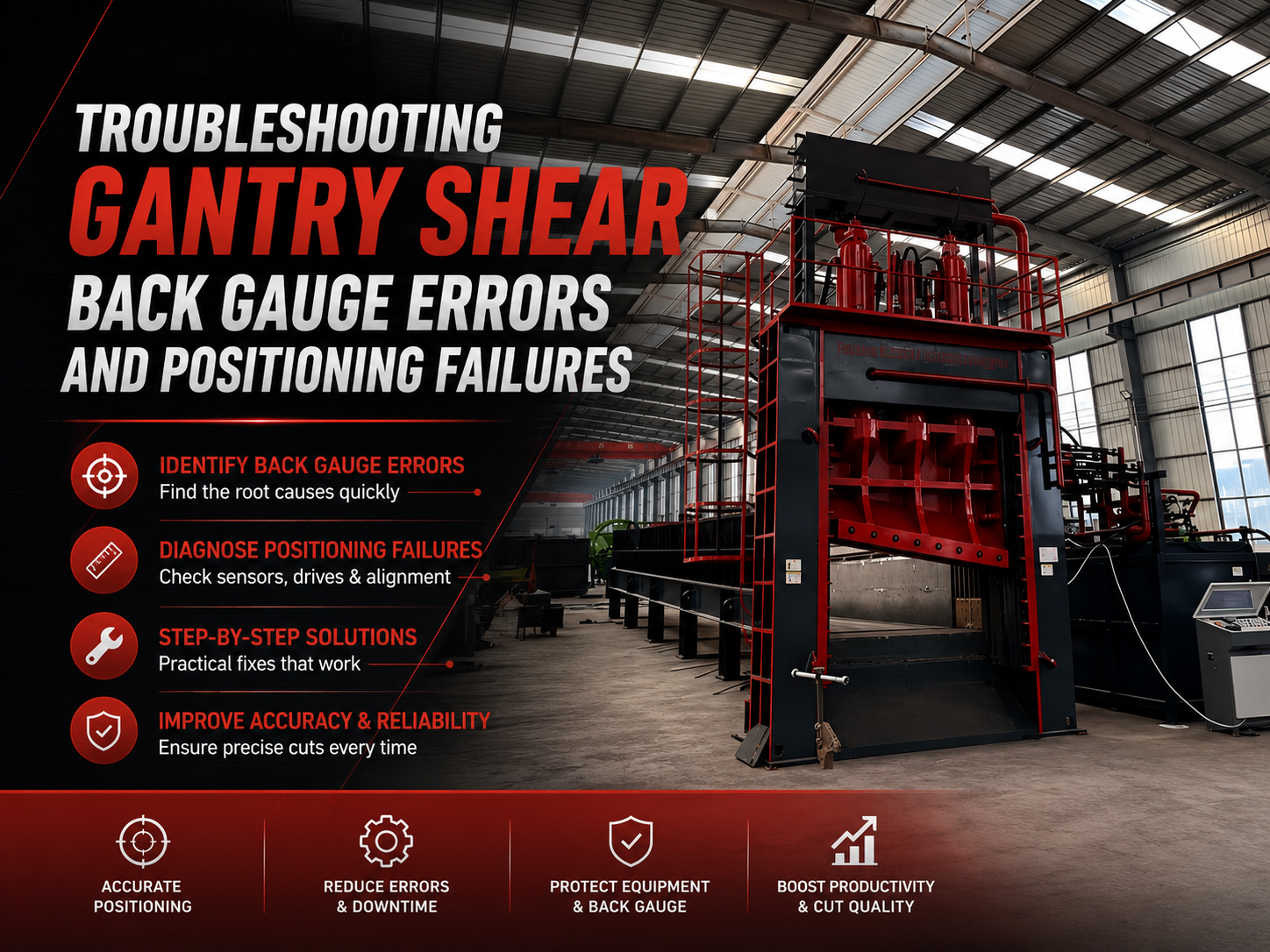
Introduction to Gantry Shear Precision
In the high-stakes environment of modern metal fabrication, the gantry shear stands as a cornerstone of productivity. Whether you are processing heavy-duty steel plates or precision-cut aluminum sheets, the accuracy of your back gauge system determines the quality of your final output. Troubleshooting Gantry Shear Back Gauge Errors Positioning Failures is not merely a maintenance task; it is a critical operational necessity that ensures your facility maintains its competitive edge and minimizes costly material waste.
The back gauge system is the brain of the shearing process. It dictates the exact position of the workpiece relative to the blade, ensuring that every cut is consistent and within tolerance. When this system fails, the ripple effect on production schedules and material costs can be devastating. At HARSLE, we understand that downtime is the enemy of profitability. This guide is designed to provide operators and maintenance technicians with a deep dive into identifying, diagnosing, and resolving the most common positioning issues encountered in industrial gantry shearing machines.
Understanding the mechanical and electronic synergy of your machine is the first step toward mastery. A gantry shear is a complex assembly of hydraulic actuators, precision ball screws, servo motors, and sophisticated CNC controllers. When one of these components falls out of sync, the back gauge may report incorrect positions, drift during operation, or fail to move entirely. By following a structured troubleshooting approach, you can restore your machine to peak performance levels efficiently.
This article will walk you through the technical nuances of back gauge systems, offering actionable advice on calibration, sensor maintenance, and electrical diagnostics. We will explore why positioning failures occur, how to prevent them through proactive maintenance, and when it is time to consult with HARSLE technical support for advanced repairs. Let us dive into the mechanics of precision.
Key Considerations for Back Gauge Performance
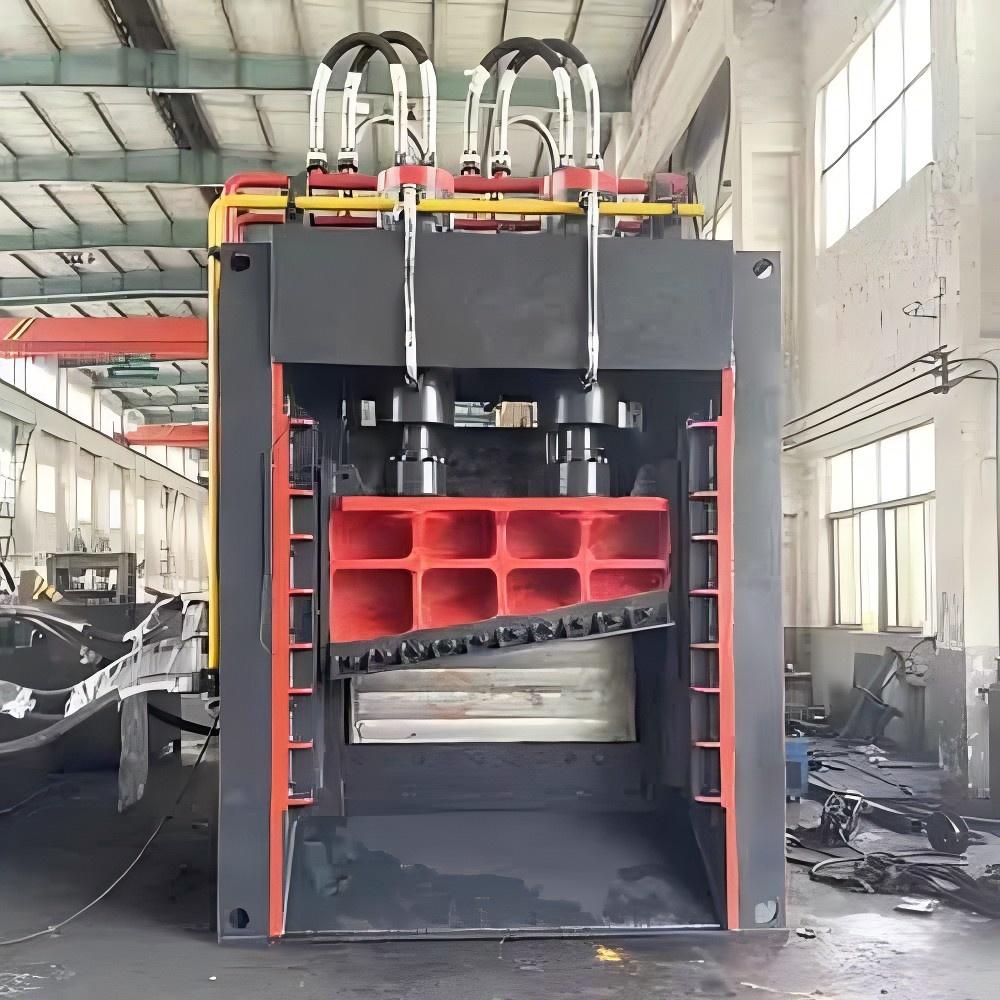
Before diving into complex repairs, it is essential to establish a baseline for what constitutes a healthy back gauge system. The primary consideration is the environment. Metal fabrication shops are inherently dusty, vibrating, and subject to temperature fluctuations. These factors can wreak havoc on sensitive electronic components and mechanical drive systems. Ensuring that your machine is installed on a level, vibration-dampened foundation is the first step in preventing positioning errors.
Another key consideration is the integrity of the drive mechanism. Most modern gantry shears utilize ball screws or rack-and-pinion systems to move the back gauge. These components require consistent lubrication and protection from debris. If your back gauge is stuttering or failing to reach the programmed position, the first suspect should always be the mechanical drive. Check for signs of wear, such as backlash in the ball screw or debris accumulation in the rack teeth.
Electrical interference is a silent killer of precision. In many industrial settings, high-voltage equipment can induce noise into the signal cables of your back gauge encoders. If you notice intermittent positioning errors that seem to occur randomly, consider checking the shielding on your encoder cables. Ensuring that all signal lines are properly grounded and separated from high-power motor cables can eliminate a significant percentage of mysterious positioning failures.
Finally, consider the human element. Operator input errors are a frequent cause of perceived positioning failures. Ensure that your team is properly trained on the specific CNC controller interface used by your HARSLE machine. Misunderstanding the coordinate system, failing to perform a proper homing sequence, or entering incorrect material thickness parameters can all lead to results that look like mechanical failures but are actually software-based discrepancies.
Technical Details: Diagnosing Positioning Failures
When Troubleshooting Gantry Shear Back Gauge Errors Positioning Failures, a systematic approach is required. Start by verifying the ‘Home’ position. If the machine does not correctly identify its zero point, every subsequent movement will be offset. Check the limit switches and proximity sensors that define the home position. A dirty or misaligned sensor can cause the machine to ‘hunt’ for its zero point, leading to cumulative errors across the entire work cycle.
Next, examine the servo motor and drive system. The servo drive is responsible for translating CNC commands into physical movement. If the drive is reporting an ‘excessive following error’ alarm, it means the motor is unable to reach the commanded position within the allotted time. This could be due to mechanical binding, a failing motor, or a loose coupling between the motor shaft and the drive screw. Use a dial indicator to check for physical play in the drive assembly while the machine is powered down.
The encoder is the feedback loop that tells the controller where the back gauge is located. If the encoder is faulty, the controller will receive incorrect data, leading to positioning drift. Inspect the encoder mounting for rigidity. Even a slight wobble in the encoder housing can cause the controller to misinterpret the position. If the encoder is clean and secure, use an oscilloscope to check the signal quality of the A and B channels to ensure a clean square wave is being transmitted to the controller.
Software parameters and compensation tables are the final frontier of diagnostics. Many HARSLE machines allow for pitch error compensation. If your back gauge is accurate at the start of its travel but loses accuracy as it moves further away, you may need to update the pitch compensation table in the CNC controller. This is a sophisticated process that involves measuring the actual position against the commanded position at various intervals and inputting the correction factors into the machine’s memory.
Selection Advice for Reliable Shearing
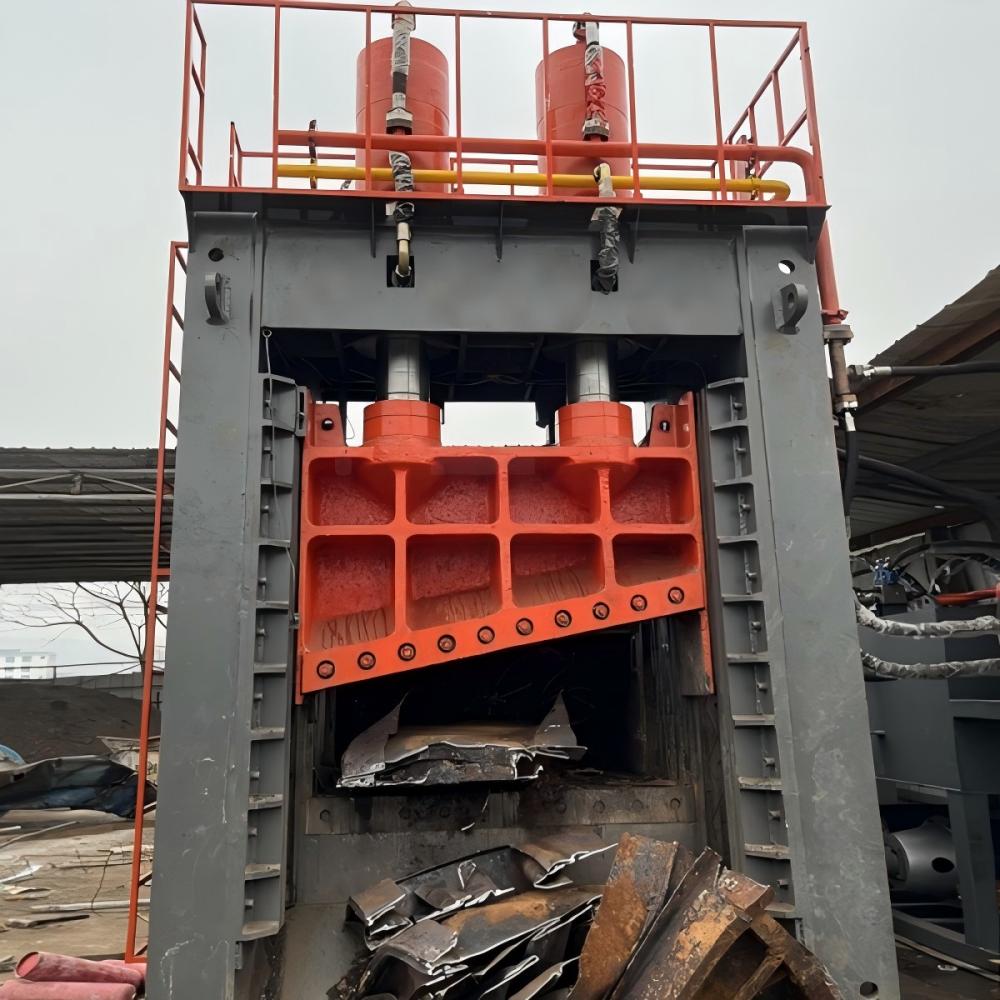
Choosing the right gantry shear is the best way to avoid future troubleshooting headaches. When selecting equipment, prioritize machines with robust, heavy-duty back gauge designs. Look for features like hardened and ground ball screws, which offer superior longevity and precision compared to standard lead screws. A machine that is built with high-quality components from the start will naturally exhibit fewer positioning failures over its lifespan.
Consider the CNC controller capabilities. A user-friendly interface with advanced diagnostic tools can save hours of troubleshooting time. HARSLE machines often feature integrated error logging, which allows technicians to see exactly what the machine was doing when a positioning error occurred. This ‘black box’ data is invaluable for identifying whether a failure was caused by a power surge, a mechanical obstruction, or a software glitch.
Think about the support ecosystem. When you purchase a gantry shear, you are entering a long-term relationship with the manufacturer. Ensure that the supplier provides comprehensive documentation, including detailed wiring diagrams, mechanical assembly drawings, and a library of troubleshooting guides. Having access to responsive technical support can mean the difference between a one-hour fix and a three-day production stoppage.
Finally, evaluate the expandability of the system. As your business grows, your requirements for precision and automation may increase. Selecting a machine that supports modular upgrades—such as automatic sheet support systems or advanced material handling—ensures that your investment remains relevant. A well-integrated system is less prone to the ‘Frankenstein’ issues that arise when trying to add third-party components to an existing machine.
FAQ: Common Questions on Gantry Shear Maintenance
- Q: Why does my back gauge show a different position than the actual measurement?
A: This is usually due to a calibration drift or a loose mechanical coupling. Perform a re-homing sequence and check the ball screw nut for wear. - Q: How often should I lubricate the back gauge drive system?
A: We recommend a weekly inspection and lubrication schedule, depending on the volume of production and the cleanliness of your shop environment. - Q: Can electrical noise cause positioning errors?
A: Yes, absolutely. Ensure all signal cables are shielded and that the machine is properly grounded to a dedicated earth ground. - Q: What should I do if the back gauge hits a hard stop?
A: Immediately stop the machine and inspect for mechanical damage. Check the alignment of the back gauge bar and ensure the drive screw is not bent before attempting to re-home. - Q: Is it possible to calibrate the back gauge myself?
A: Yes, most HARSLE machines have a calibration routine in the service menu. However, ensure you have a precision gauge block or laser tracker to verify the results.
Conclusion: Maintaining Long-Term Precision
Troubleshooting Gantry Shear Back Gauge Errors Positioning Failures is a fundamental skill for any metal fabrication professional. By maintaining a clean environment, adhering to a strict lubrication schedule, and understanding the electronic feedback loops of your CNC system, you can prevent the vast majority of positioning issues before they impact your production line. Remember that precision is not a static state; it is a continuous process of monitoring, adjusting, and refining.
At HARSLE, we are committed to providing the tools and knowledge necessary for your success. Whether you are performing routine maintenance or diagnosing a complex electrical fault, the key is to remain methodical. Do not rush the diagnostic process, and always rely on the technical documentation provided with your machine. When in doubt, our support team is always available to assist you in navigating the complexities of your gantry shear.
Investing in high-quality equipment and prioritizing operator training will pay dividends in the form of reduced downtime, lower scrap rates, and higher customer satisfaction. As you continue to refine your fabrication processes, keep this guide as a reference for your maintenance team. With the right approach, your HARSLE gantry shear will remain a reliable, high-precision workhorse in your shop for many years to come.