Troubleshooting Gantry Shear Noise, Vibration, and Abnormal Operation: A Comprehensive Guide

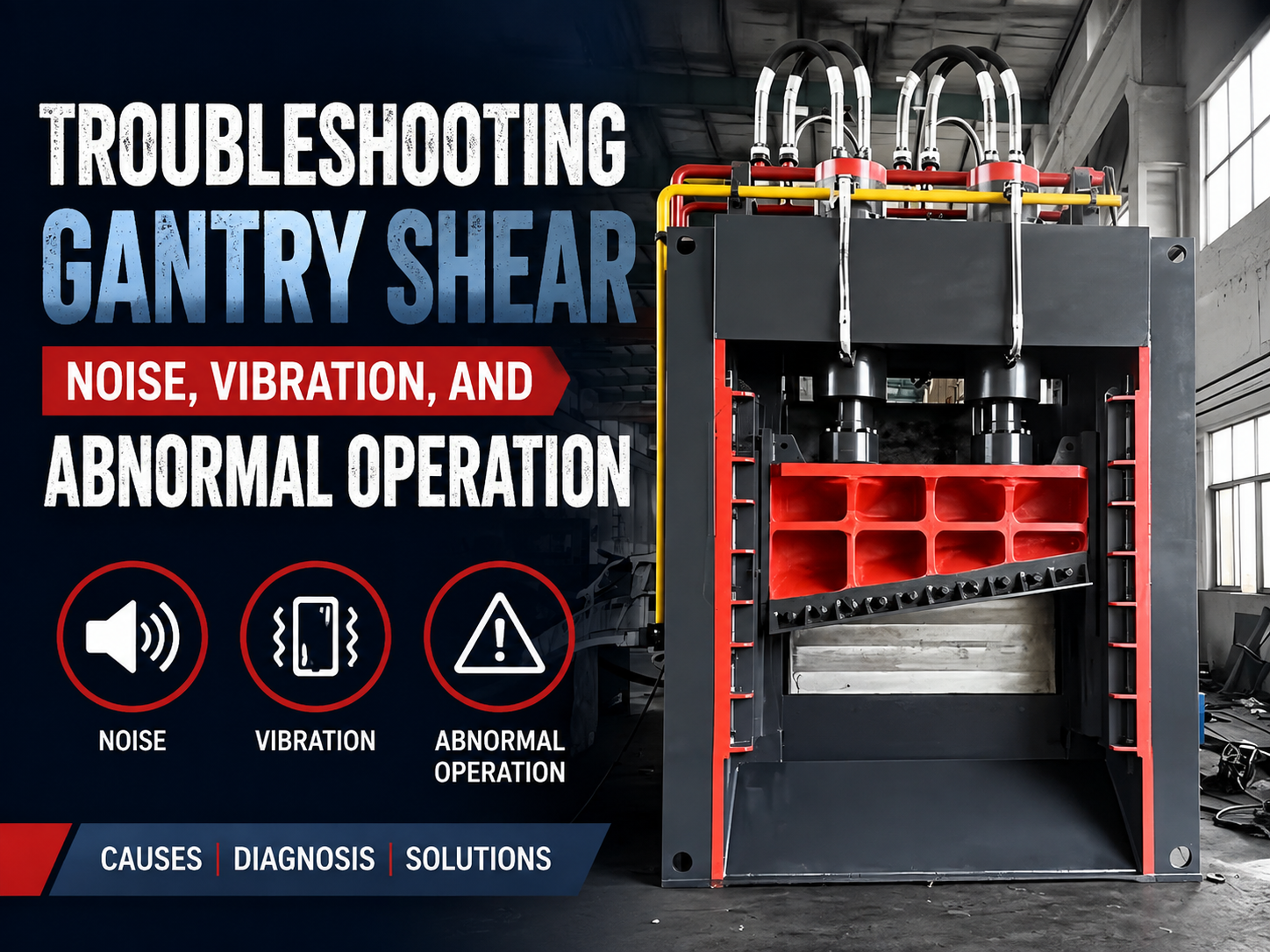
Introduction to Gantry Shear Performance
In the demanding world of metal fabrication, the gantry shear stands as a cornerstone of efficiency and precision. As a heavy-duty hydraulic machine, it is designed to process large-scale scrap metal and structural steel with immense force. However, like any high-performance industrial asset, it is susceptible to mechanical wear and operational irregularities. Troubleshooting gantry shear noise, vibration, and abnormal operation is a critical skill for maintenance teams aiming to maximize uptime and extend the lifespan of their equipment.
When a gantry shear begins to exhibit unusual acoustic signatures or physical tremors, it is rarely a random occurrence. These symptoms are almost always early warning signs of underlying mechanical stress, hydraulic instability, or structural misalignment. Ignoring these indicators can lead to catastrophic failure, costly downtime, and safety hazards for operators. At HARSLE, we emphasize that proactive maintenance is the most effective strategy for managing these complex systems.
This guide serves as a technical manual for identifying, diagnosing, and resolving the most common operational anomalies found in gantry shearing machines. By understanding the interplay between hydraulic pressure, blade clearance, and structural integrity, operators can transition from reactive repairs to predictive maintenance. Whether you are dealing with high-frequency screeching or low-frequency structural vibrations, this article provides the framework needed to restore your machine to factory-standard performance.
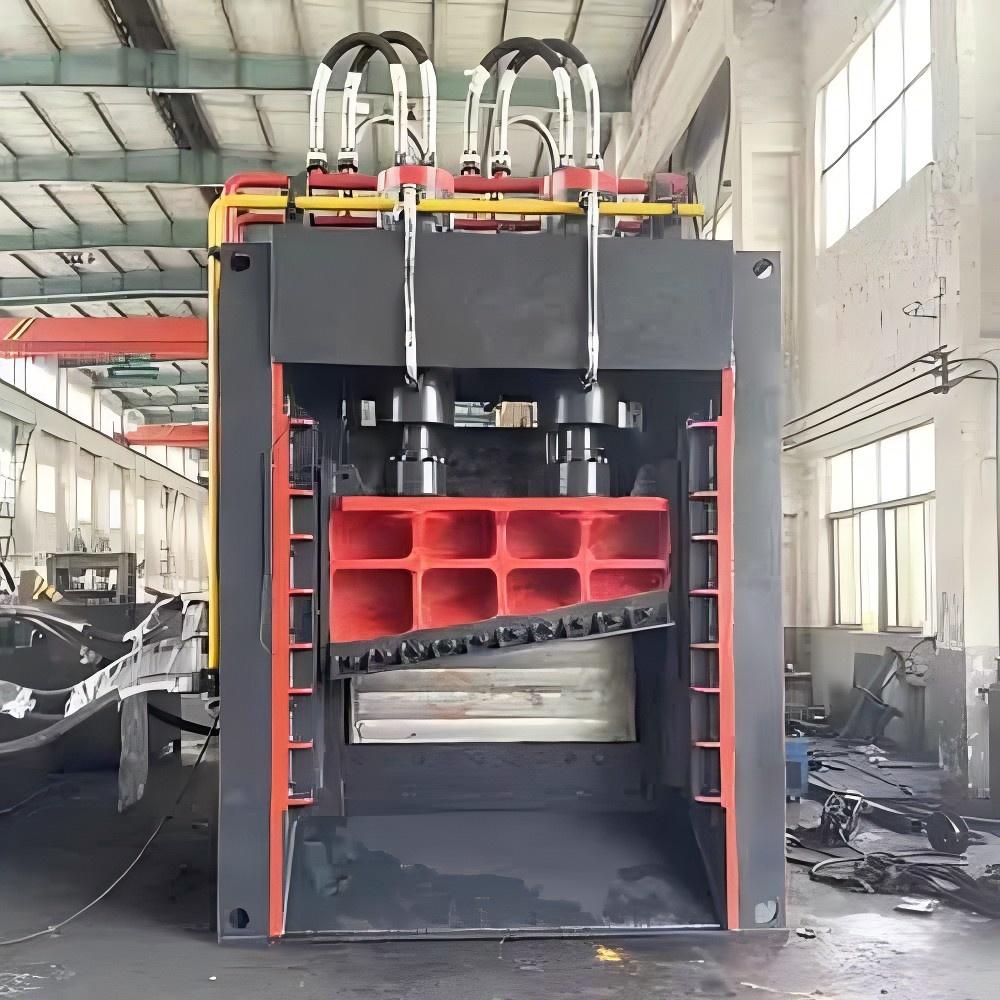
Key Considerations for Operational Stability
The first step in troubleshooting gantry shear noise, vibration, and abnormal operation is establishing a baseline for normal machine behavior. Every gantry shear has a unique acoustic profile during the cutting cycle. Operators must be trained to distinguish between the standard hydraulic hum of a pump under load and the sharp, metallic clatter of a loose component. Regular auditory inspections are the simplest yet most effective form of condition monitoring.
Environmental factors also play a significant role in machine stability. Gantry shears are often installed in harsh, high-vibration environments. If the foundation is not perfectly level or if the anchor bolts have loosened over time, the machine will naturally vibrate more than intended. Vibration is not merely a nuisance; it is a force that accelerates the fatigue of welds, seals, and electrical connections. Ensuring a solid, vibration-dampened foundation is the foundation of all maintenance efforts.
Hydraulic fluid quality is another critical consideration. Contaminated oil, air bubbles in the lines, or incorrect viscosity can cause the hydraulic system to “chatter” or operate erratically. Because the gantry shear relies on massive hydraulic cylinders to drive the blade, any instability in the fluid delivery system will manifest as jerky motion or abnormal noise. Maintaining a strict schedule for oil filtration and replacement is essential for preventing these issues before they escalate.
Finally, consider the material being processed. Overloading the shear or attempting to cut materials that exceed the machine’s rated capacity will inevitably lead to abnormal operation. The shear is designed with specific force limits; exceeding these limits causes the frame to flex, the blades to deflect, and the hydraulic system to bypass pressure, all of which create significant noise and vibration. Always verify the material specifications against the machine’s technical manual before beginning a production run.
Technical Details: Diagnosing Noise and Vibration
When troubleshooting gantry shear noise, vibration, and abnormal operation, it is helpful to categorize the symptoms. High-pitched, intermittent squealing is often indicative of friction-related issues, such as dry guide rails or misaligned blade assemblies. If the guide rails are not properly lubricated, the lateral movement of the gantry will create significant resistance, resulting in a screeching sound that indicates metal-on-metal contact.
Low-frequency thumping or rhythmic vibration is typically associated with the hydraulic power unit or the drive system. If the pump is cavitating, it will produce a distinct, gravelly sound. This is often caused by a restricted suction line or a failing pump bearing. In such cases, the vibration is usually felt throughout the machine frame. Checking the pump intake filters and ensuring the hydraulic reservoir is filled to the correct level are the first steps in resolving this type of abnormal operation.
Blade clearance is perhaps the most common culprit for abnormal cutting noise. If the gap between the upper and lower blades is too wide, the material will bend rather than shear, causing a loud “bang” as the material finally snaps. Conversely, if the clearance is too tight, the blades will rub against each other, creating a grinding noise and causing rapid edge degradation. Adjusting the blade clearance to the manufacturer’s specifications is a precise task that requires feeler gauges and careful measurement.
Electrical and control system issues can also lead to abnormal operation. If the solenoid valves are not opening or closing fully, the hydraulic flow may be interrupted, causing the cylinder to stutter. This stuttering creates a vibration that can be mistaken for a mechanical fault. Inspecting the electrical connections to the valves and ensuring the PLC (Programmable Logic Controller) is sending clean signals is vital for maintaining smooth, consistent shearing cycles.
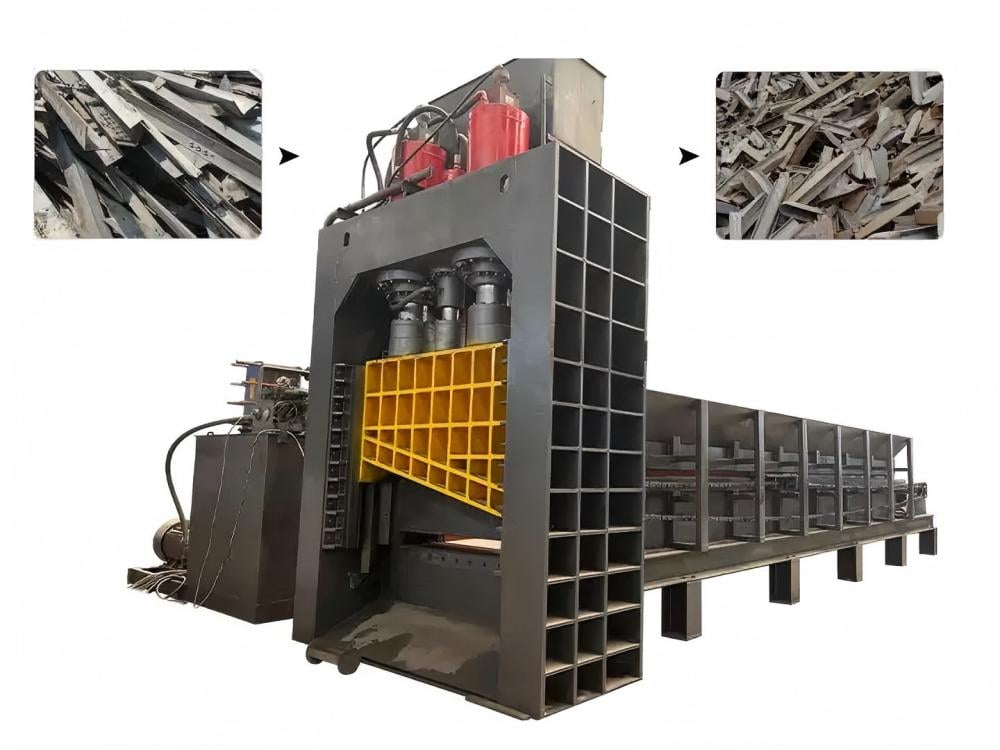
Selection Advice for Long-Term Reliability
When selecting a gantry shear, the initial purchase decision is the most important factor in preventing future maintenance headaches. A machine that is undersized for your application will always struggle, leading to constant noise, vibration, and premature component failure. Always choose a machine with a safety margin—if your typical workload is 500 tons, consider a machine rated for 600 or 700 tons to ensure the system operates well within its comfort zone.
Look for manufacturers that prioritize structural rigidity. A heavy, reinforced frame is less prone to the harmonic vibrations that cause noise and wear. HARSLE machines are engineered with high-tensile steel and stress-relieved frames to ensure that the cutting force is contained effectively. When evaluating a machine, ask about the thickness of the steel plate used in the gantry and the quality of the guide rail systems.
Consider the hydraulic components used in the build. Premium pumps, valves, and seals from reputable global brands are less likely to fail or cause erratic operation. A machine that uses proprietary, low-quality hydraulic components will be difficult to troubleshoot and expensive to repair. Ensure that the machine comes with a comprehensive maintenance manual and that spare parts are readily available in your region.
Finally, evaluate the ease of maintenance. A well-designed gantry shear should have accessible lubrication points, easy-to-read pressure gauges, and a clear diagnostic interface. If the machine is designed with maintenance in mind, your team will be more likely to perform the necessary checks, which is the best way to prevent the noise and vibration issues discussed in this guide.
Troubleshooting Checklist: A Quick Reference
To assist your maintenance team, we have compiled a quick-reference checklist for troubleshooting gantry shear noise, vibration, and abnormal operation. Use this list during your routine inspections:
- Check Lubrication: Are all guide rails and moving parts properly greased?
- Verify Blade Clearance: Is the gap between blades set according to material thickness?
- Inspect Hydraulic Fluid: Is the oil clean, at the right level, and free of air bubbles?
- Check Foundation Bolts: Are all anchor bolts tightened to the specified torque?
- Monitor Pump Sound: Is there any gravelly noise indicating pump cavitation?
- Examine Electrical Connections: Are all solenoid valves receiving consistent power?
- Review Material Load: Is the material within the machine’s rated shearing capacity?
- Inspect Structural Welds: Are there any visible cracks or signs of fatigue on the frame?
By systematically working through this checklist, you can isolate the source of most operational issues. If a problem persists after these checks, it is advisable to contact the manufacturer’s technical support team for a more in-depth diagnostic analysis.
FAQ: Common Questions About Gantry Shear Maintenance
Why does my gantry shear make a loud banging noise during the cut?
A loud banging noise is usually caused by excessive blade clearance. When the gap is too wide, the material is forced into the space between the blades, causing it to snap rather than shear cleanly. Adjusting the blade clearance to the correct specification will resolve this.
What causes the hydraulic system to vibrate excessively?
Excessive vibration in the hydraulic system is often caused by air in the lines, a failing pump, or a restricted suction filter. Ensure the hydraulic reservoir is full and check for any leaks that might be allowing air to enter the system.
How often should I lubricate the gantry guide rails?
Lubrication frequency depends on the intensity of use. For high-volume production, the guide rails should be inspected and lubricated daily. Refer to your HARSLE maintenance manual for the specific grease type and interval recommended for your model.
Can I cut materials that are harder than the machine’s rating?
No. Cutting materials that exceed the machine’s rated capacity will cause severe structural stress, blade damage, and hydraulic system failure. Always adhere to the material hardness and thickness limits provided in the machine specifications.
What should I do if the machine starts to shake during the return stroke?
Shaking during the return stroke often indicates a problem with the hydraulic cylinder seals or a misalignment in the gantry guide system. Check for uneven wear on the guide pads and ensure the hydraulic pressure is consistent throughout the entire cycle.
Conclusion
Troubleshooting gantry shear noise, vibration, and abnormal operation is an essential aspect of industrial maintenance. By understanding the mechanical and hydraulic systems that drive your HARSLE equipment, you can identify potential issues before they result in costly downtime. Remember that most abnormal operation is a symptom of a manageable problem—whether it is a simple lubrication issue, a blade clearance adjustment, or a hydraulic fluid concern.
Investing time in regular maintenance and operator training will pay dividends in the form of increased machine longevity, higher product quality, and a safer working environment. At HARSLE, we are committed to providing not only the highest quality metal fabrication machinery but also the knowledge required to keep that machinery running at peak performance for years to come. If you encounter persistent issues, do not hesitate to reach out to our technical support team for expert guidance tailored to your specific machine model.