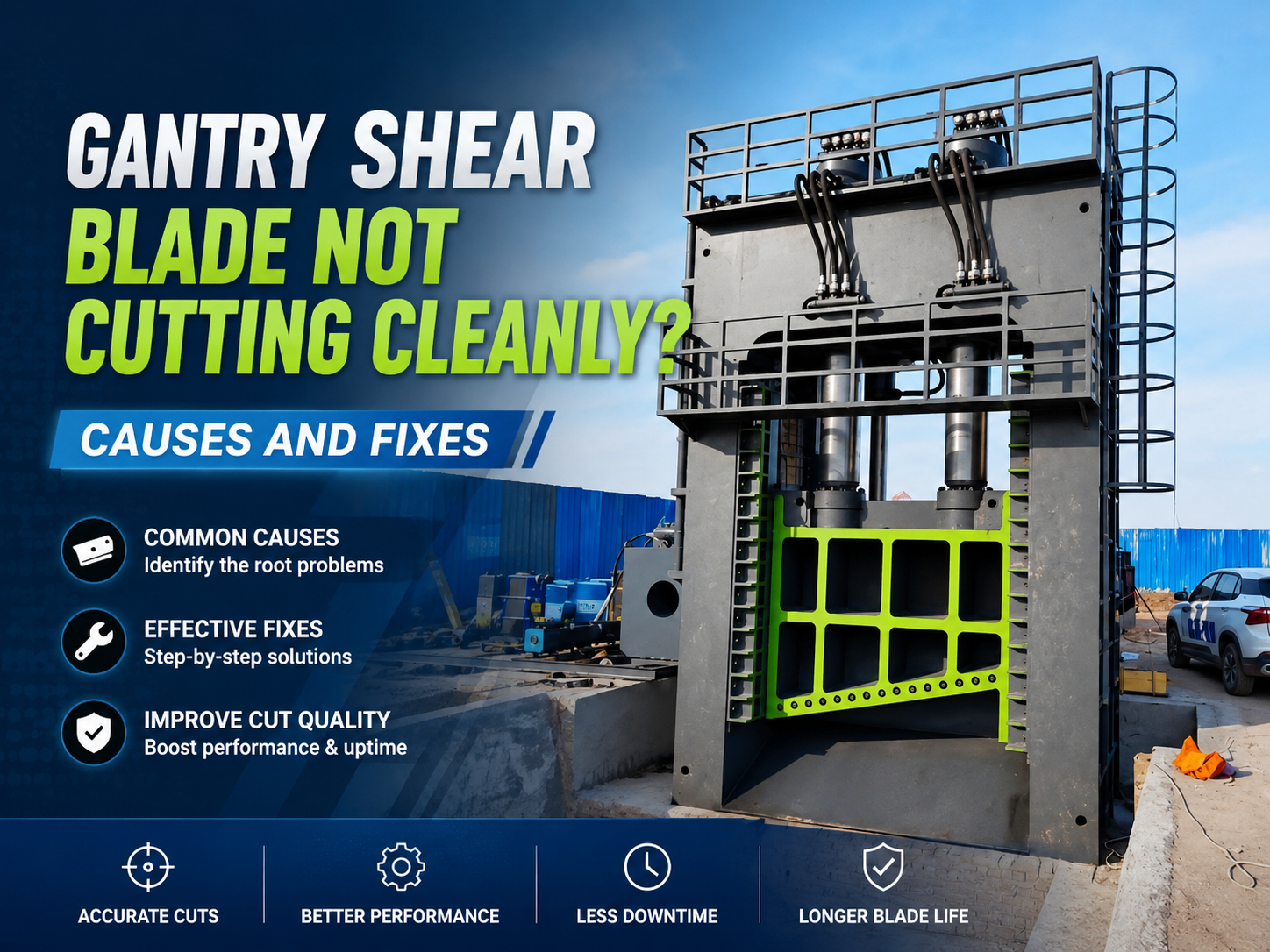
Gantry Shear Blade Not Cutting Cleanly? Causes and Fixes

Introduction: Understanding the Importance of Precision in Gantry Shearing
In the high-stakes world of metal fabrication, the gantry shear stands as a cornerstone of efficiency and productivity. Whether you are processing heavy scrap metal or precision-cutting structural steel, the quality of your output is entirely dependent on the integrity of your cutting edge. When operators notice that their gantry shear blade not cutting cleanly? causes and fixes must be identified immediately to prevent downtime and material waste.
A clean cut is not merely an aesthetic requirement; it is a structural necessity. Burrs, jagged edges, or incomplete shears can compromise the integrity of downstream processes like welding or bending. At HARSLE, we emphasize that a shearing machine is a precision instrument, even when dealing with massive forces. Understanding the mechanical nuances of your equipment is the first step toward maintaining a high-performance production line.
This comprehensive guide explores the technical reasons behind poor shearing performance. From blade clearance settings to material hardness variables, we will dissect the common pitfalls that lead to subpar cuts. By following these maintenance protocols, you can extend the lifespan of your HARSLE machinery and ensure that every stroke is as accurate as the first.
Ultimately, the goal of this article is to empower maintenance teams and machine operators with the knowledge required to troubleshoot effectively. When you encounter a gantry shear blade not cutting cleanly? causes and fixes are often rooted in simple mechanical adjustments that, if ignored, can lead to catastrophic equipment failure or costly blade replacements.
Key Considerations: Why Your Gantry Shear Blade Not Cutting Cleanly? Causes and Fixes
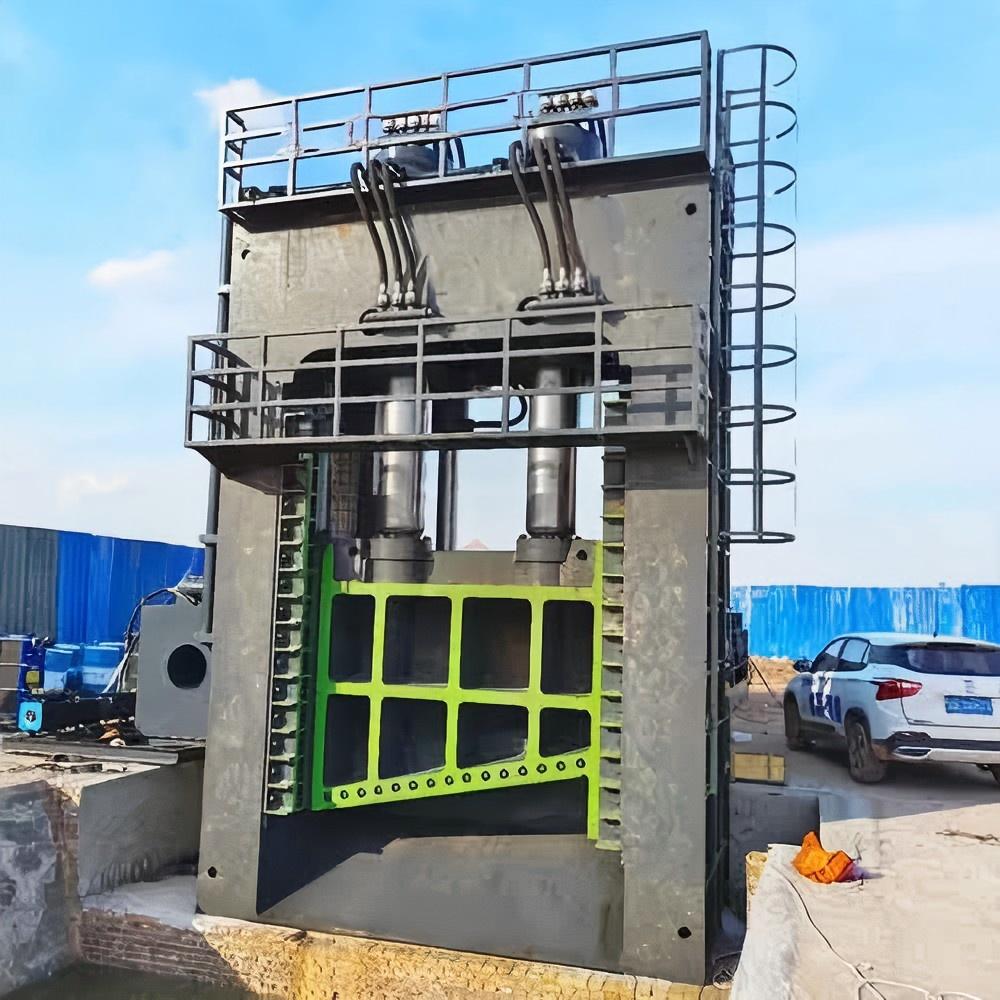
The most frequent culprit behind a poor cut is improper blade clearance. In the context of gantry shears, clearance refers to the horizontal gap between the upper and lower blades. If this gap is too wide, the material tends to bend or fold into the gap rather than shearing cleanly. Conversely, if the gap is too narrow, the blades may collide, leading to chipping, cracking, or severe damage to the blade edges.
Material characteristics play a pivotal role in how your shear performs. Different metals—such as mild steel, stainless steel, or high-tensile alloys—require specific clearance settings. If you are switching between material types without adjusting the shear settings, you will inevitably experience poor cut quality. Always consult the HARSLE manual for the recommended clearance percentages based on the material thickness and tensile strength.
Blade wear is an inevitable reality of industrial metal fabrication. Over time, the microscopic edge of the blade dulls due to friction and the sheer force of impact. A dull blade requires more force to penetrate the material, which can lead to deflection in the gantry frame. If you notice the machine struggling to complete a stroke, it is a clear indicator that the blades require sharpening or replacement.
Finally, consider the structural stability of the machine itself. If the gantry frame has developed play or if the hydraulic system is not providing consistent pressure, the blades may shift during the cutting cycle. This misalignment prevents the blades from passing each other with the precision required for a clean shear. Regular inspection of the guide ways and hydraulic seals is essential for maintaining the structural rigidity of your HARSLE equipment.
Technical Details: Deep Dive into Shearing Mechanics
To truly understand why a gantry shear blade not cutting cleanly? causes and fixes must be viewed through the lens of physics. The shearing process is essentially a controlled fracture. As the upper blade descends, it creates a stress concentration in the metal. If the clearance is set correctly, the cracks initiated from the top and bottom blades meet in the middle, resulting in a clean, smooth surface.
When the clearance is incorrect, the material is subjected to excessive plastic deformation before the fracture occurs. This results in a “rolled” edge or a heavy burr. In extreme cases, the material may simply be crushed between the blades. This not only ruins the workpiece but also places immense, unnecessary stress on the hydraulic cylinders and the gantry guide system.
Hydraulic pressure consistency is another technical factor that often goes overlooked. If the hydraulic pump is failing to maintain the required pressure throughout the entire stroke, the shearing speed may fluctuate. A drop in speed at the end of the cut can cause the material to tear rather than shear. Ensure that your hydraulic fluid is clean, at the correct viscosity, and that the pressure relief valves are calibrated to HARSLE specifications.
Furthermore, the mounting of the blades is critical. Blades must be shimmed correctly to ensure they are perfectly parallel. Even a fraction of a millimeter of misalignment across the length of a large gantry blade can result in a clean cut on one end and a jagged, incomplete cut on the other. Using precision feeler gauges during the blade installation process is non-negotiable for high-quality results.
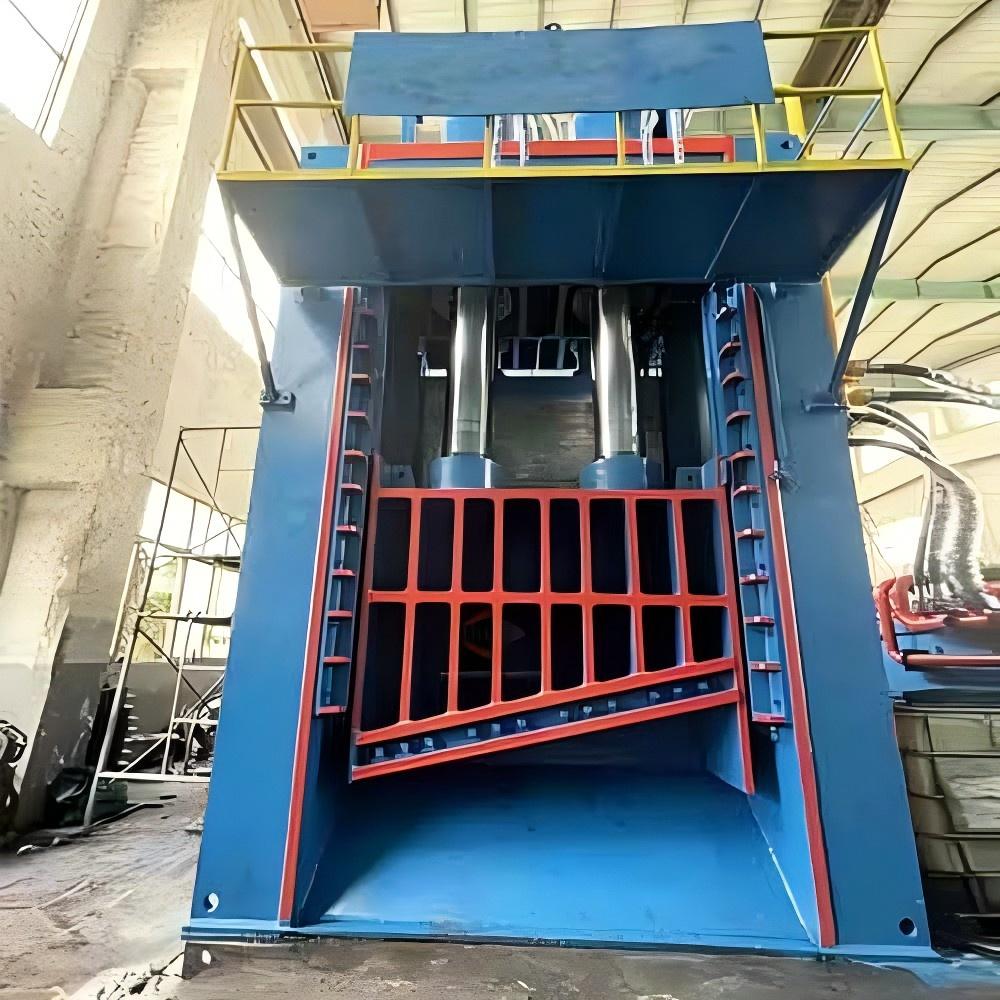
Selection Advice: Choosing the Right Blades and Maintenance Tools
When it comes to selecting replacement blades, quality should always take precedence over cost. HARSLE recommends using high-carbon, high-chromium tool steels that are heat-treated to a specific Rockwell hardness. These blades are designed to withstand the shock of impact while maintaining their edge for extended periods. Cheap, generic blades often lack the metallurgical consistency required for heavy-duty gantry shearing.
Investing in a proper blade clearance adjustment kit is a wise decision for any fabrication shop. These kits typically include precision feeler gauges, alignment shims, and specialized torque wrenches. Having the right tools on hand ensures that your maintenance team can perform adjustments quickly and accurately, minimizing the time the machine spends in a non-operational state.
Consider the application environment as well. If you are shearing abrasive materials, such as recycled scrap containing dirt or rust, your blades will dull significantly faster than if you are cutting clean, new steel. In such cases, you may want to explore specialized blade coatings or more frequent sharpening schedules. Proactive maintenance is always cheaper than reactive repairs.
Finally, keep a detailed maintenance log. Tracking the number of cycles between blade sharpenings allows you to predict when maintenance will be required before the cut quality degrades. By establishing a baseline for your specific production volume, you can transition from reactive maintenance to a predictive model, ensuring your HARSLE gantry shear remains a reliable asset for years to come.
Troubleshooting Checklist for Operators
- Check blade clearance: Is it set to the manufacturer’s recommended percentage?
- Inspect blade edges: Are there visible chips or signs of rounding?
- Verify hydraulic pressure: Is the system maintaining consistent force?
- Check guide ways: Is there excessive play in the gantry movement?
- Examine material: Is the material thickness or hardness within the machine’s rated capacity?
- Check shims: Are the blades properly aligned and parallel?
FAQ: Common Questions Regarding Gantry Shear Maintenance
Q: How often should I sharpen my gantry shear blades?
A: The frequency depends on the material type and volume. Generally, if you notice a burr forming on the cut edge, it is time to sharpen. Keeping a log of cycles will help you determine the optimal interval for your specific operation.
Q: Can I adjust the clearance myself?
A: Yes, HARSLE machines are designed with accessible adjustment points. However, you must follow the manual precisely. If you are unsure, contact a HARSLE technician to avoid damaging the blades or the machine frame.
Q: Why does my shear blade chip?
A: Chipping is usually caused by the blades being set too close together, causing them to collide, or by attempting to cut material that exceeds the machine’s hardness or thickness rating.
Q: What is the most common cause of a poor cut?
A: In 90% of cases, the issue is incorrect blade clearance. It is the first thing you should check whenever the cut quality begins to decline.
Q: Does hydraulic oil quality affect shearing?
A: Absolutely. Contaminated or degraded hydraulic oil can lead to inconsistent pressure, which directly impacts the speed and force of the shear stroke, leading to poor cut quality.
Conclusion: Maintaining Excellence with HARSLE
Addressing the issue of a gantry shear blade not cutting cleanly? causes and fixes is a fundamental aspect of industrial maintenance. By focusing on blade clearance, material compatibility, and regular mechanical inspections, you can ensure that your HARSLE gantry shear continues to deliver the precision and reliability your business demands. Remember that a well-maintained machine is not just a tool; it is the engine of your production efficiency.
Do not wait for a total machine failure to address minor cutting issues. Small adjustments made today can prevent expensive repairs tomorrow. Whether you are a seasoned fabricator or new to the industry, the principles of precision shearing remain the same: respect the machine, follow the maintenance schedule, and never compromise on the quality of your consumables.
For further technical support or to explore our range of high-performance shearing solutions, reach out to the HARSLE support team. We are committed to providing the guidance and equipment necessary to keep your fabrication shop operating at peak performance. Invest in quality, maintain with care, and your gantry shear will provide consistent, clean cuts for years to come.