Container Shear Performance Troubleshooting: A Complete Guide to Common Operating Faults

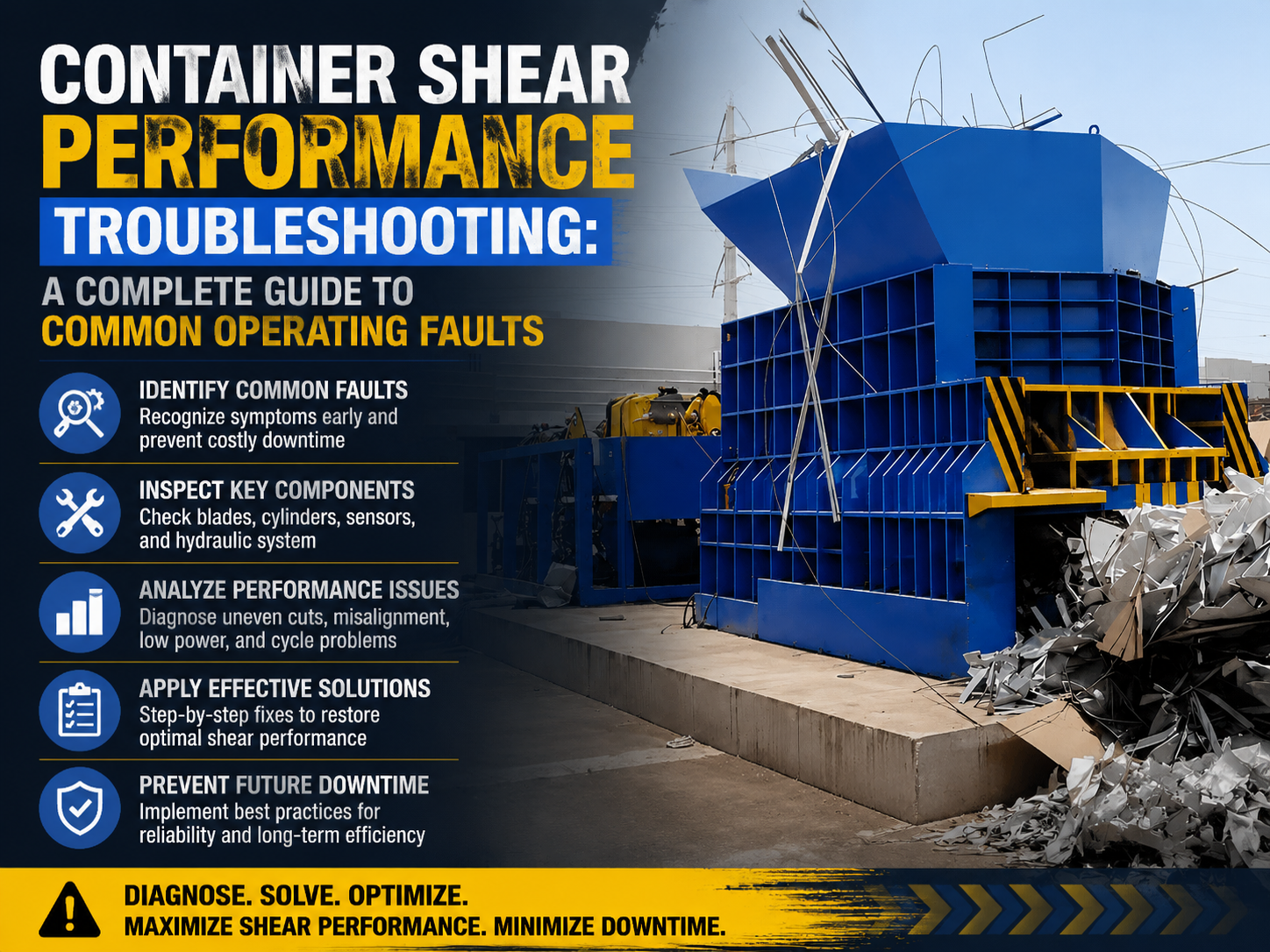
Introduction to Container Shear Performance Troubleshooting
In the demanding world of scrap metal processing and heavy-duty metal fabrication, the container shear stands as a cornerstone of operational efficiency. These machines are engineered to handle massive volumes of ferrous and non-ferrous materials, reducing them to manageable sizes for recycling or further processing. However, due to the extreme forces involved, even the most robust HARSLE container shears can encounter operational hurdles. Understanding the nuances of Container Shear Performance Troubleshooting: A Complete Common Operating Faults is essential for facility managers and maintenance technicians aiming to minimize downtime and maximize throughput.
When a container shear begins to underperform, the symptoms often manifest as slow cycle times, incomplete cuts, or unusual mechanical vibrations. These issues are rarely the result of a single failure point; rather, they are often symptomatic of a deeper systemic imbalance within the hydraulic, electrical, or mechanical subsystems. By adopting a systematic approach to diagnostics, operators can identify the root cause of performance degradation before it leads to catastrophic equipment failure or costly production halts.
This comprehensive guide is designed to serve as a technical roadmap for troubleshooting your container shear. We will explore the common operating faults that plague high-capacity shearing equipment, providing actionable insights into how to diagnose, repair, and prevent these issues. Whether you are dealing with pressure fluctuations, blade misalignment, or sensor malfunctions, this guide provides the technical depth required to maintain peak operational performance in your facility.
Effective maintenance is not merely about fixing what is broken; it is about proactive monitoring. By integrating the troubleshooting steps outlined in this article into your daily and weekly maintenance routines, you can extend the lifespan of your HARSLE machinery and ensure that your production line remains competitive in an increasingly demanding market. Let us delve into the critical components and common failure modes that define the landscape of container shear maintenance.
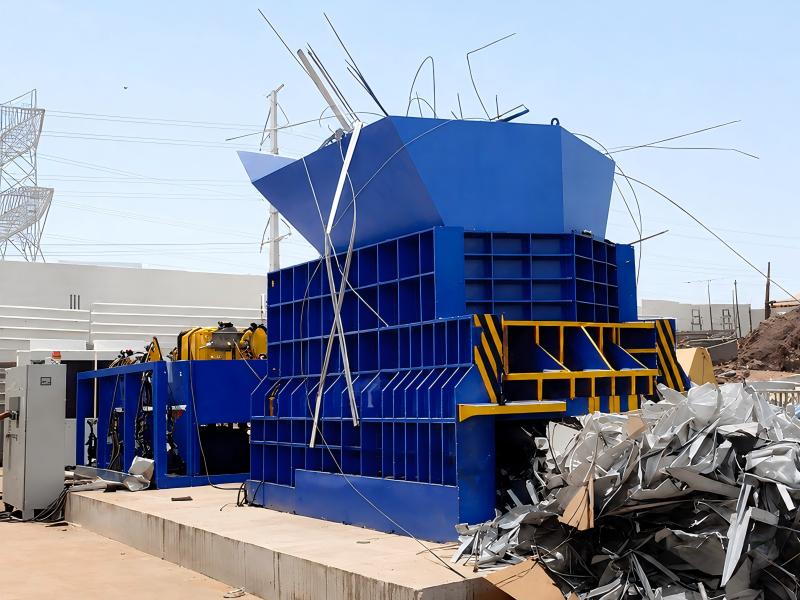
Key Considerations for Optimal Shear Performance
The first step in any troubleshooting process is establishing a baseline for ‘normal’ operation. A container shear is a complex assembly of hydraulic cylinders, heavy-duty steel frames, and precision-engineered blades. When performance deviates from this baseline, the operator must consider environmental factors, material quality, and lubrication standards. Often, performance issues are traced back to the quality of the scrap being processed; feeding oversized or excessively hardened materials can place undue stress on the shear’s structural integrity.
Hydraulic fluid integrity is another critical consideration. The hydraulic system is the lifeblood of the container shear, providing the immense force required to slice through thick steel. Contamination, oxidation, or incorrect viscosity levels can lead to sluggish valve response times and reduced cutting pressure. Regular fluid analysis should be a non-negotiable part of your maintenance schedule, as it provides early warning signs of internal component wear, such as pump cavitation or seal degradation.
Mechanical alignment is equally vital. Over time, the constant impact of shearing operations can cause subtle shifts in the blade clearance. If the gap between the upper and lower blades is not maintained within the manufacturer’s specified tolerances, the shear will experience ‘tearing’ rather than ‘cutting.’ This not only degrades the quality of the output but also places excessive strain on the shear’s guide rails and cylinders, leading to premature mechanical failure.
Finally, the electrical control system must be monitored for consistency. Modern HARSLE shears rely on sophisticated PLC (Programmable Logic Controller) systems to coordinate the timing of the feed, the compression, and the shearing stroke. Faulty sensors, loose wiring, or software glitches can cause the machine to enter a ‘safe mode’ or cycle improperly. Understanding the diagnostic codes provided by the HMI (Human-Machine Interface) is the fastest way to isolate electrical faults from mechanical ones.
Technical Details: Diagnosing Common Operating Faults
One of the most frequent complaints in container shear performance troubleshooting is a significant drop in cutting force. This is often caused by a failing hydraulic pump or a bypassed relief valve. If the pump is unable to maintain the required system pressure, the shear will struggle to complete the stroke, often stalling mid-cut. Technicians should use a calibrated pressure gauge to verify that the system pressure matches the manufacturer’s specifications under load.
Blade wear is another common culprit for poor performance. As blades dull, the force required to cut the material increases exponentially. This creates a feedback loop where the machine works harder, generates more heat, and consumes more energy, all while producing lower-quality scrap. Inspecting the cutting edge for chipping, rounding, or uneven wear patterns is essential. In many cases, simply rotating or sharpening the blades can restore the machine to its original performance levels.
Structural fatigue and guide rail wear can lead to ‘blade deflection.’ When the shear frame experiences excessive play, the blades may overlap or collide, causing severe damage to the cutting edges. This is often characterized by a loud metallic ‘clanging’ sound during the shearing cycle. Checking the clearance of the guide shoes and ensuring that the lubrication system is delivering adequate grease to these high-friction areas is critical for preventing this type of mechanical failure.
Cylinder seal leakage is a silent performance killer. Internal leakage, where hydraulic fluid bypasses the piston seal, can lead to a loss of force that is difficult to detect without specialized testing. If the shear cycle is slow or the machine lacks the ‘punch’ it once had, it is highly likely that the internal seals are worn. Replacing these seals is a significant maintenance task, but it is often necessary to restore the machine to its full operational capacity.
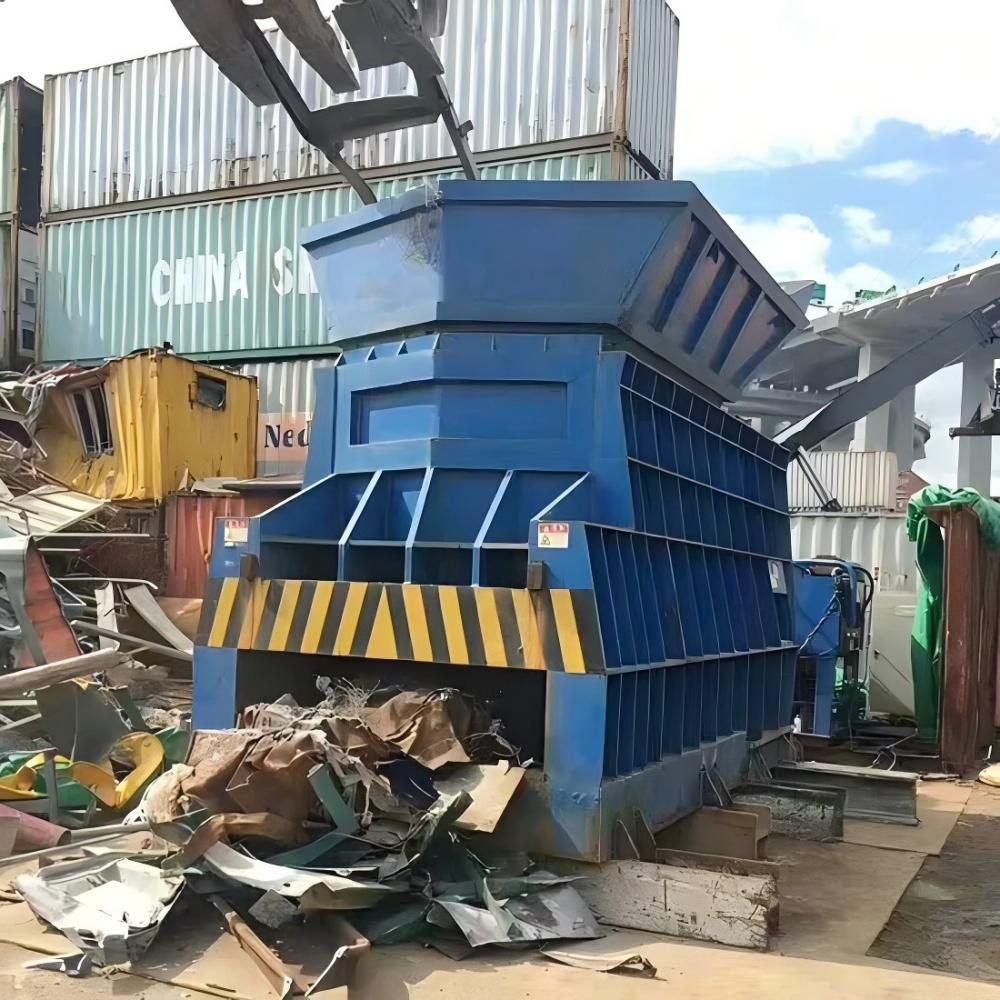
Troubleshooting Table: Quick Reference Guide
| Symptom | Potential Cause | Recommended Action |
|---|---|---|
| Slow cycle time | Hydraulic pump wear/Low fluid | Check pump pressure and fluid levels |
| Incomplete cuts | Dull blades/Incorrect gap | Sharpen blades and adjust clearance |
| Excessive noise | Loose guide rails/Lack of lube | Tighten guides and check grease lines |
| System stalling | Relief valve failure | Test and recalibrate relief valves |
| Electrical errors | Sensor misalignment | Check PLC inputs and sensor status |
Selection Advice for Long-Term Reliability
When investing in a container shear, the selection process is the first line of defense against future performance issues. It is crucial to choose a machine that is appropriately sized for your specific material throughput. A machine that is constantly pushed to its maximum capacity will inevitably experience more frequent faults than one that operates within its optimal range. HARSLE offers a range of models, and consulting with our technical team to match the shear’s tonnage to your material profile is a vital step.
Consider the ease of maintenance when selecting your equipment. Look for machines that feature modular designs, allowing for quick access to hydraulic valves, electrical panels, and blade adjustment points. A machine that is difficult to service will often be neglected, leading to a cycle of deferred maintenance and eventual breakdown. Prioritize equipment that includes comprehensive diagnostic software, which can alert operators to potential issues before they become critical.
The quality of the components used in the shear’s construction cannot be overstated. High-quality hydraulic cylinders, hardened steel blades, and robust PLC systems are the hallmarks of a reliable machine. While the initial investment for premium components may be higher, the total cost of ownership is significantly lower due to reduced downtime and fewer replacement parts. Always verify the availability of spare parts and the quality of technical support provided by the manufacturer.
Finally, consider the environment in which the shear will operate. If your facility is located in an area with extreme temperatures or high dust levels, ensure that the machine is equipped with appropriate cooling systems and filtration. Protecting the hydraulic system from environmental contaminants is one of the most effective ways to ensure long-term performance and reliability. A well-selected, well-maintained shear is an asset that will provide years of consistent service.
FAQ: Frequently Asked Questions
How often should I sharpen the blades on my container shear?
The frequency of blade sharpening depends on the volume and type of material processed. As a general rule, inspect the blades weekly. If you notice burrs on the cut material or an increase in the force required to shear, it is time for maintenance.
Why is my container shear stalling during the cutting stroke?
Stalling is usually caused by insufficient hydraulic pressure or an obstruction in the cutting chamber. Check your hydraulic pump pressure and ensure that the material being fed is within the machine’s rated capacity.
Can I adjust the blade clearance myself?
Yes, blade clearance can be adjusted by qualified maintenance personnel. However, it is critical to follow the manufacturer’s manual precisely to ensure the blades are perfectly aligned to prevent damage to the shear frame.
What are the signs of hydraulic fluid contamination?
Signs include a milky appearance in the oil, unusual odors, or sluggish operation of the hydraulic cylinders. Regular oil analysis is the best way to detect contamination before it causes internal damage.
How do I interpret PLC error codes?
Each HARSLE machine comes with a detailed manual listing common PLC error codes. If you encounter a code, consult the manual first. If the issue persists, contact our technical support team with the specific error number for faster resolution.
Conclusion
Mastering Container Shear Performance Troubleshooting: A Complete Common Operating Faults is a journey of continuous learning and proactive management. By understanding the intricate relationship between hydraulic pressure, mechanical alignment, and electrical control, you can ensure that your HARSLE container shear remains a productive powerhouse in your facility. Remember that the most effective troubleshooting strategy is prevention; regular inspections, timely lubrication, and adherence to operational guidelines will save you countless hours of downtime.
As your operations grow and the demands on your equipment increase, do not hesitate to reach out to professional support teams for guidance. Whether it is a minor adjustment or a major component replacement, having a clear understanding of your machine’s health is the key to maintaining a competitive edge in the metal fabrication industry. Use this guide as a reference, keep your maintenance logs updated, and prioritize the long-term health of your machinery to ensure consistent, high-quality output for years to come.