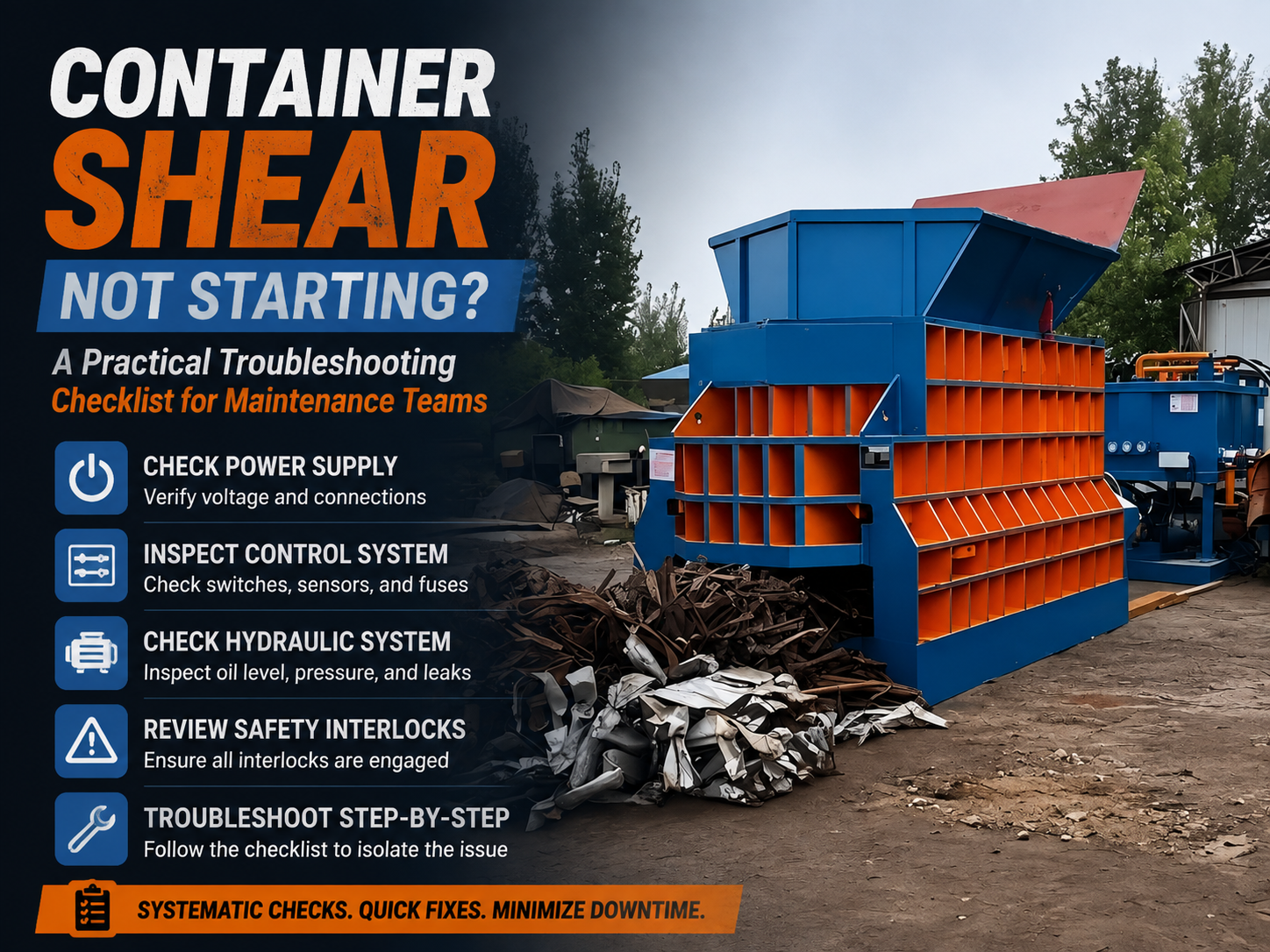
Container Shear Not Starting? A Practical Troubleshooting Checklist for Maintenance Teams

Introduction
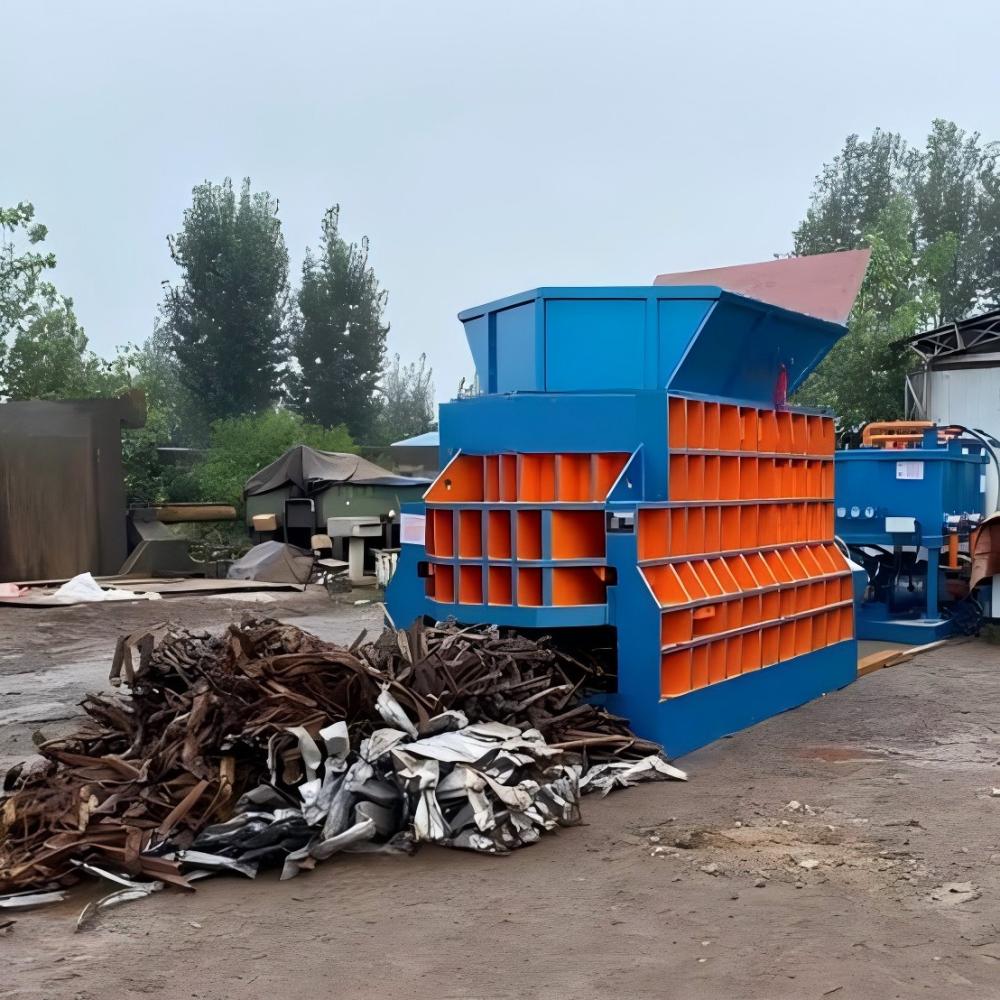
In the high-stakes environment of metal recycling and heavy-duty fabrication, downtime is the enemy of profitability. When your HARSLE container shear refuses to start, it can bring an entire production line to a standstill. For maintenance teams, the challenge lies in quickly identifying whether the issue stems from a simple electrical fault, a hydraulic pressure failure, or a mechanical obstruction. This guide serves as a comprehensive resource for diagnosing and resolving the most common reasons a container shear fails to initiate its cycle.
Understanding the architecture of your container shear is the first step toward effective troubleshooting. These machines are complex integrations of high-voltage electrical systems, sophisticated hydraulic circuits, and robust mechanical assemblies. When the start button is pressed, a sequence of safety interlocks, relay logic, and pressure checks must occur before the main motor engages. If any link in this chain is broken, the machine will remain idle, protecting itself from potential damage.
This article is designed for maintenance professionals who need a systematic approach to diagnostics. By following this checklist, you can move from reactive panic to proactive resolution, ensuring that your HARSLE equipment returns to peak performance with minimal delay. We will explore the critical components that often cause startup failures and provide actionable steps to verify their status.
Safety remains the paramount concern throughout this process. Before performing any inspection, ensure that the machine is locked out and tagged out (LOTO) according to your facility’s safety protocols. Never attempt to bypass safety sensors or electrical interlocks while the machine is energized unless you are conducting specific, authorized diagnostic testing with appropriate personal protective equipment.
Key Considerations for Maintenance Teams
Before diving into the technical specifics, maintenance teams must assess the environmental and operational context of the machine. Often, the reason a container shear is not starting is related to external factors rather than internal component failure. Start by checking the power supply stability. Industrial shears require consistent voltage; a brownout or a phase imbalance can prevent the motor starter from pulling in, effectively disabling the machine.
Environmental factors such as extreme temperature fluctuations or moisture ingress can also play a role. If the control cabinet has been exposed to humidity, condensation may have formed on the printed circuit boards (PCBs) or relay contacts, leading to intermittent signal failure. Ensure that your control panels are sealed properly and that cooling fans are operational to prevent overheating of the logic controllers.
Another key consideration is the state of the safety interlocks. Modern container shears are equipped with multiple safety gates, emergency stop buttons, and light curtains. If any of these circuits are open, the machine will not start. Maintenance teams should check the status indicators on the PLC (Programmable Logic Controller) to see if a safety input is showing as ‘false’ or ‘open’. A single tripped emergency stop button in a remote area of the facility can often be the culprit.
Finally, consider the recent operational history of the machine. Did the shear stop mid-cycle during the last shift? If so, the machine might be stuck in a ‘fault’ state, requiring a manual reset or a specific homing procedure. Understanding the sequence of events leading up to the failure provides invaluable clues for the troubleshooting process. Always consult the HARSLE operation manual for specific error codes displayed on the HMI (Human-Machine Interface).
Technical Details: Diagnosing Electrical and Hydraulic Failures
When the machine fails to start, the electrical system is the most common point of failure. Begin by inspecting the main disconnect switch and the circuit breakers within the control cabinet. A tripped breaker is often a symptom of a deeper issue, such as a motor winding short or a seized hydraulic pump. Use a multimeter to verify that all three phases are present at the input of the motor starter.
If the electrical power is confirmed, move to the control circuit. Check the status of the contactors. When the start command is issued, you should hear an audible ‘click’ as the contactor engages. If there is no sound, the issue likely lies in the control voltage circuit, such as a blown control fuse, a faulty start button, or a broken wire in the control loop. Inspect the PLC outputs to ensure the command signal is actually being sent to the contactor coil.
Hydraulic issues can also mimic electrical failures. If the motor starts but the shear does not move, or if the motor refuses to start due to a pressure-related safety interlock, check the hydraulic system. Low oil levels can trigger a low-level switch that prevents the motor from starting to protect the pump from cavitation. Additionally, check the hydraulic pressure transducers; if they are providing an out-of-range signal, the PLC may prevent the machine from starting to avoid a pressure spike.
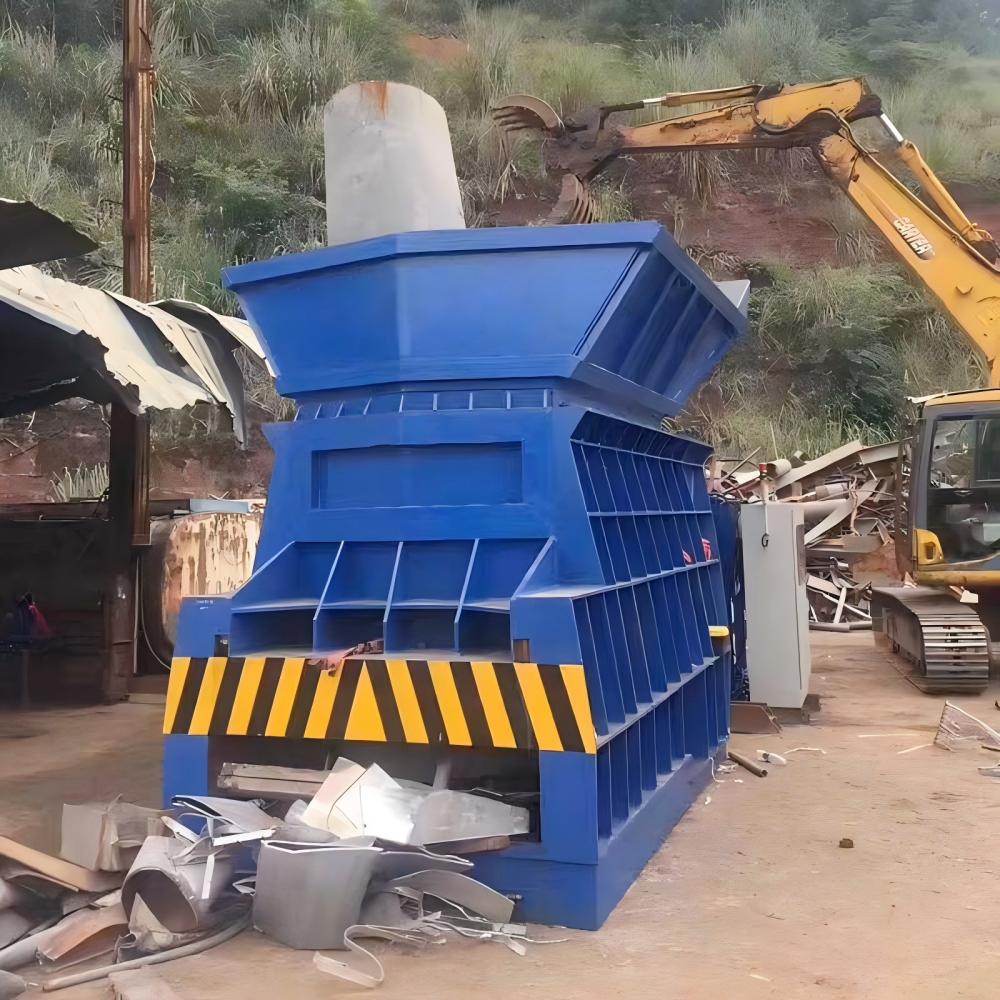
Mechanical obstructions are the final piece of the puzzle. If the shear blade is jammed against a piece of scrap metal, the motor may experience an over-torque condition upon startup. Check the shear chamber for any debris that might be preventing the blade from moving. In some cases, the mechanical linkage may be misaligned, triggering a limit switch that tells the controller the blade is not in the ‘home’ position, thereby disabling the start function.
Selection Advice: Choosing the Right Maintenance Tools
To effectively troubleshoot a HARSLE container shear, your maintenance team must be equipped with the right tools. A high-quality digital multimeter is non-negotiable for checking voltage, continuity, and resistance. Ensure that your multimeter is rated for the voltage levels present in your control cabinet to prevent equipment damage and personal injury.
An infrared thermal camera is an excellent investment for identifying ‘hot spots’ in electrical panels. Loose connections or failing contactors often generate excess heat before they fail completely. By performing periodic thermal scans, your team can identify potential startup failures before they actually occur, allowing for scheduled repairs rather than emergency downtime.
For hydraulic diagnostics, a portable pressure gauge kit is essential. Being able to verify the pressure at various points in the circuit allows you to isolate whether a failure is due to a pump issue, a relief valve malfunction, or a blocked hydraulic line. Always ensure that your gauges are calibrated and compatible with the hydraulic fluid used in your HARSLE shear.
Finally, maintain a comprehensive library of electrical schematics and hydraulic diagrams. Digital copies are useful, but having a laminated hard copy near the machine is often more practical during a troubleshooting session. Ensure that these documents are updated whenever modifications or repairs are made to the machine. A well-documented machine is significantly easier to repair than one where the wiring has been altered without record.
Troubleshooting Checklist Summary
To streamline your maintenance process, keep this checklist handy:
- Power Supply: Verify main voltage and phase balance. Check all fuses and circuit breakers.
- Safety Interlocks: Confirm all emergency stops are released and safety gates are closed. Check PLC inputs for ‘open’ safety circuits.
- Control Logic: Listen for contactor engagement. Check for error codes on the HMI.
- Hydraulic System: Check oil levels and temperature. Verify that pressure transducers are within operating range.
- Mechanical: Inspect the shear chamber for debris or jammed material. Ensure the blade is in the ‘home’ position.
- Motor/Pump: Check for signs of overheating or unusual noises during the startup attempt.
FAQ
Why does my container shear stop immediately after I press the start button?
This is usually caused by a safety interlock being triggered or a ‘home’ position sensor not being satisfied. Check your HMI for specific fault messages that indicate which sensor is preventing the cycle.
Can low hydraulic oil prevent the motor from starting?
Yes, most HARSLE container shears are equipped with a low-level float switch in the hydraulic reservoir. If the oil level is too low, the system will lock out the motor to prevent pump damage.
How often should I inspect the electrical contactors?
We recommend a visual inspection of contactor points every 500 operating hours. Look for signs of pitting or carbon buildup, which can cause high resistance and startup failures.
What should I do if the HMI is blank?
Check the 24V DC power supply for the control panel. If the power supply is functional, check the fuse protecting the HMI circuit.
Conclusion
A container shear not starting is a frustrating experience, but it is rarely an unsolvable mystery. By approaching the problem with a systematic, safety-first mindset, maintenance teams can quickly isolate the root cause—whether it is a simple tripped breaker, a misaligned safety sensor, or a hydraulic pressure issue. HARSLE equipment is built for durability, and with proper maintenance and a logical troubleshooting approach, your shear will provide years of reliable service. Always remember to document your findings, as this data is the key to preventing future downtime and optimizing your facility’s operational efficiency.