How to Troubleshoot Container Shear Hydraulic Valve Malfunctions: A Comprehensive HARSLE Guide

Introduction to Container Shear Hydraulic Systems
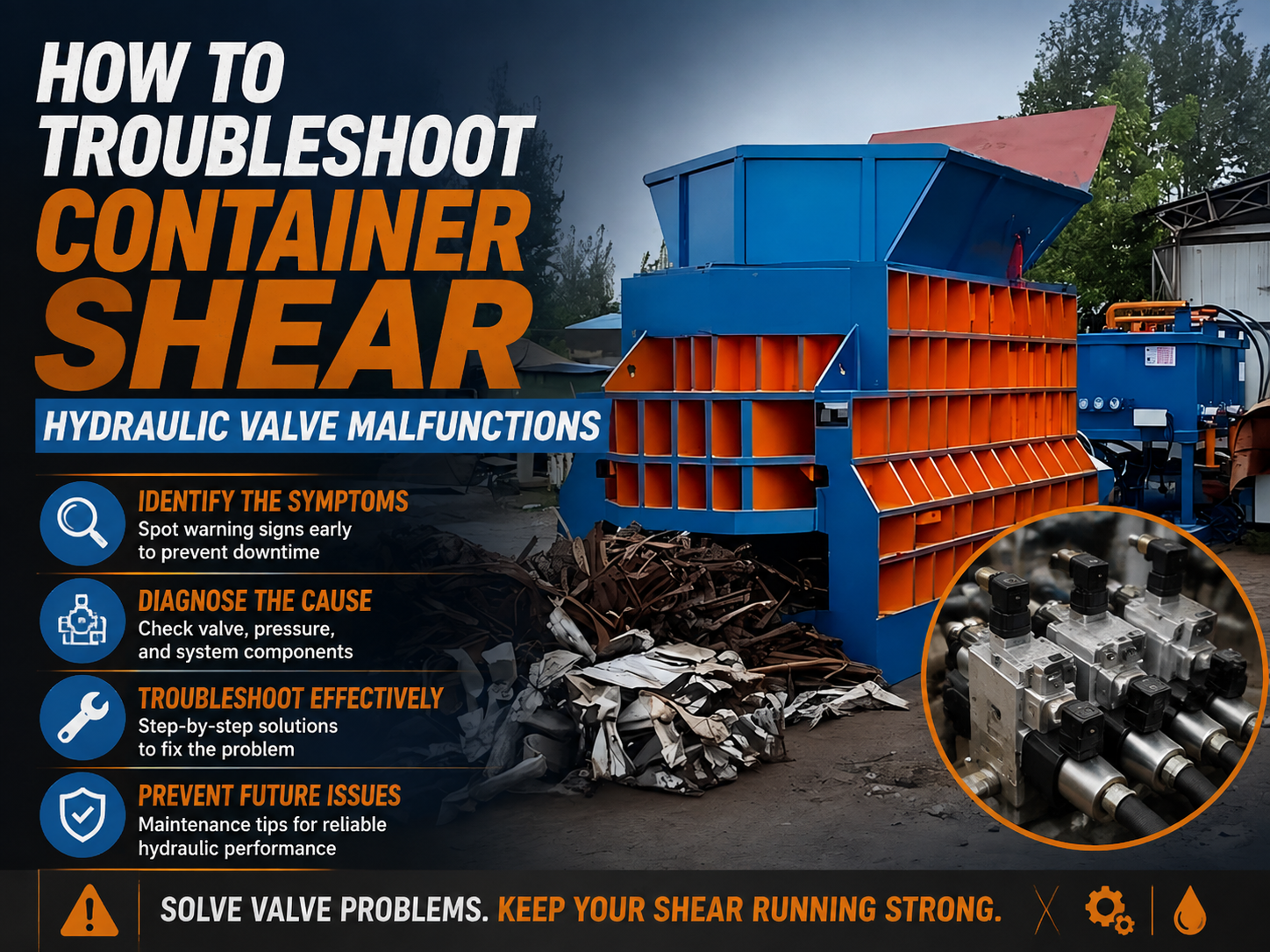
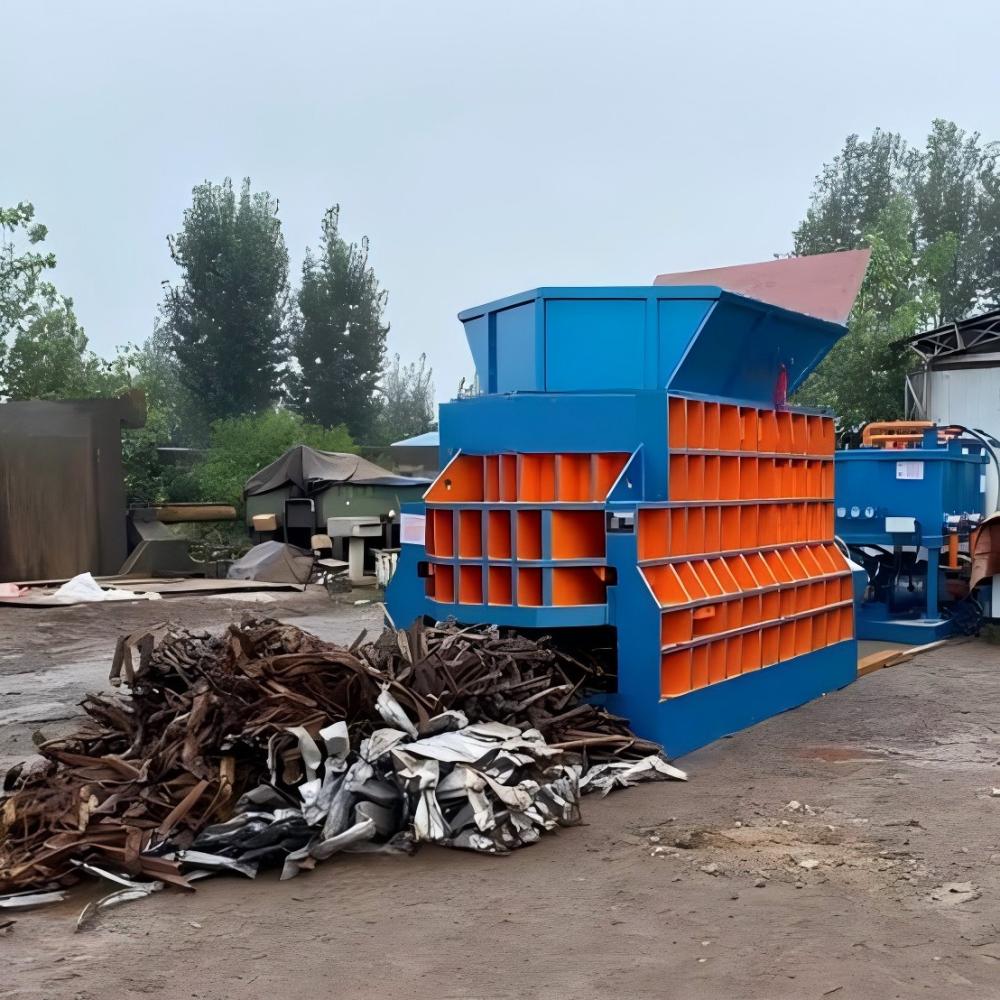
In the demanding world of metal recycling and heavy-duty fabrication, the container shear stands as a cornerstone of operational efficiency. These machines rely heavily on complex hydraulic systems to exert the immense force required to process scrap metal. At the heart of this power transmission lies the hydraulic valve, a precision component that directs fluid flow, controls pressure, and manages the direction of the shear blades. When these valves fail, the entire production line can grind to a halt, leading to costly downtime and potential safety hazards.
Understanding how to troubleshoot container shear hydraulic valve malfunctions is not merely a maintenance task; it is a critical skill for any facility manager or technician aiming to maximize the lifespan of their HARSLE equipment. Hydraulic valves are sensitive to contamination, thermal stress, and mechanical wear. By recognizing the early warning signs of a failing valve, operators can transition from reactive emergency repairs to proactive, scheduled maintenance, significantly reducing the total cost of ownership.
This guide provides a deep dive into the technical aspects of hydraulic valve diagnostics. We will explore the common failure modes, the diagnostic procedures required to isolate issues, and the best practices for ensuring your container shear remains in peak operating condition. Whether you are dealing with sluggish blade movement, pressure drops, or erratic system behavior, this article serves as your definitive resource for restoring hydraulic integrity.
HARSLE is committed to providing not just high-quality metal fabrication equipment, but also the knowledge necessary to maintain it. As we navigate the complexities of hydraulic circuitry, remember that safety is paramount. Always ensure the machine is properly locked out and tagged out (LOTO) before performing any physical inspection or disassembly of hydraulic components.
Key Considerations for Hydraulic System Integrity
Before diving into specific troubleshooting steps, it is vital to understand the environment in which your container shear operates. Hydraulic systems are closed-loop circuits that demand absolute cleanliness. Even microscopic particles of dust, metal shavings, or degraded oil can cause a spool valve to stick or a relief valve to bypass prematurely. The first consideration in any troubleshooting process is the condition of the hydraulic fluid itself.
Temperature management is another critical factor. Hydraulic oil that is too hot loses its viscosity, leading to internal leakage within the valve body. Conversely, oil that is too cold can cause sluggish response times and cavitation. Monitoring the system temperature during operation provides immediate clues about whether the valve malfunction is electrical, mechanical, or fluid-related. Always check the oil cooler and the reservoir levels as part of your initial diagnostic sweep.
Electrical connectivity often gets overlooked when troubleshooting hydraulic valves. Many modern container shears utilize solenoid-operated directional control valves. If the solenoid coil is burnt out, or if there is a loose connection in the wiring harness, the valve will fail to actuate regardless of the hydraulic pressure. Always verify the voltage at the solenoid terminals using a multimeter before assuming the valve itself is mechanically jammed.
Finally, consider the operational history of the machine. Have there been recent spikes in pressure? Has the machine been subjected to over-capacity loads? Documenting these events helps in identifying whether the valve failure is a result of normal wear and tear or an acute mechanical shock. Keeping a detailed maintenance log is the most effective way to track the health of your hydraulic components over time.
Technical Details: How to Troubleshoot Container Shear Hydraulic Valve Malfunctions
To effectively troubleshoot container shear hydraulic valve malfunctions, you must follow a systematic approach. Start by observing the machine’s behavior. If the shear blade moves slowly or fails to retract, the issue is likely related to flow control or pressure relief. If the blade moves in the wrong direction or fails to move entirely, the directional control valve is the primary suspect.
Begin your diagnostic process by checking the system pressure using a calibrated gauge. Compare the actual readings against the manufacturer’s specifications provided in your HARSLE manual. If the pressure is significantly lower than required, the relief valve may be stuck in the open position due to debris. Carefully remove the relief valve cartridge and inspect the seat for scoring or contamination. Often, a simple cleaning is all that is required to restore full functionality.
Next, evaluate the directional control valves. If the valve is solenoid-operated, listen for a distinct ‘click’ when the control signal is sent. If you hear the click but the valve does not shift, the internal spool is likely jammed. This can be caused by varnish buildup from degraded oil or physical deformation of the spool. In such cases, the valve must be disassembled, cleaned with an appropriate solvent, and inspected for burrs or scratches.
For proportional valves, which control the speed and force of the shear, the troubleshooting process is more nuanced. These valves rely on electronic feedback loops. Use a diagnostic tool to check the signal input from the PLC (Programmable Logic Controller). If the PLC is sending the correct signal but the valve is not responding, the internal electronics of the valve or the LVDT (Linear Variable Differential Transformer) may be faulty. These components often require specialized testing equipment or replacement by a certified technician.

Step-by-Step Diagnostic Checklist
- Verify Power Supply: Ensure the solenoid coils are receiving the correct voltage.
- Check Fluid Quality: Inspect the oil for signs of oxidation, water contamination, or metallic particles.
- Pressure Testing: Use a gauge to confirm that the pump is delivering the required pressure to the valve manifold.
- Solenoid Functionality: Manually actuate the valve (if the model allows) to determine if the issue is electrical or mechanical.
- Spool Inspection: Check for sticking or binding in the valve spool due to debris or thermal expansion.
- Seal Integrity: Look for external leaks around the valve body, which can indicate failing O-rings or gaskets.
Selection Advice for Replacement Hydraulic Valves
When troubleshooting leads to the conclusion that a valve must be replaced, selecting the correct component is paramount. Never attempt to substitute a valve with one that has different flow or pressure ratings. The hydraulic system of a container shear is engineered for specific performance parameters; using an incompatible valve can lead to catastrophic system failure or dangerous pressure spikes.
Always refer to the HARSLE parts catalog for the specific model of your container shear. When ordering, ensure you match the mounting pattern (such as CETOP standards), the voltage requirements for the solenoids, and the flow capacity (GPM). If you are upgrading or replacing an obsolete valve, consult with a HARSLE technical representative to ensure the new component is fully compatible with your existing manifold and control system.
Consider the environment of your facility when selecting replacement valves. If your container shear operates in an area with high dust or moisture, look for valves with higher IP (Ingress Protection) ratings for their electrical connectors. Investing in high-quality, original equipment manufacturer (OEM) parts ensures that the metallurgical properties of the valve internals match the rigorous demands of metal shearing, providing a longer service life compared to generic aftermarket alternatives.
Finally, consider the lead time and availability of critical spare parts. It is a best practice to keep a small inventory of common valve seals, O-rings, and even a spare directional control valve on-site. This proactive approach minimizes the impact of a potential failure, allowing your maintenance team to perform a quick swap and get the machine back into production while the faulty valve is sent for professional refurbishment.
Frequently Asked Questions (FAQ)
Why does my container shear blade move slowly?
Slow blade movement is often caused by low hydraulic pressure, a partially blocked flow control valve, or worn pump components. Start by checking the system pressure and inspecting the relief valve for debris.
How often should I change the hydraulic oil?
Hydraulic oil should be changed according to the schedule in your HARSLE manual, typically every 2,000 to 4,000 operating hours. However, if oil analysis shows high levels of contamination or degradation, it should be changed immediately.
Can I repair a stuck hydraulic valve myself?
Minor issues like debris in a relief valve can often be cleared by a trained maintenance technician. However, complex proportional valves or those requiring internal machining should be handled by authorized service professionals to avoid voiding warranties or causing further damage.
What are the signs of a failing solenoid coil?
Signs include the valve failing to shift, the coil becoming excessively hot to the touch, or a visible break in the electrical insulation. Use a multimeter to check for continuity in the coil.
Is it necessary to flush the hydraulic system after a valve failure?
Yes, if a valve has suffered internal mechanical failure, metal particles may have entered the hydraulic circuit. Flushing the system and replacing the filters is essential to prevent the new valve from being damaged by residual debris.
Conclusion
Learning how to troubleshoot container shear hydraulic valve malfunctions is an essential investment in the reliability of your metal fabrication operations. By maintaining a clean hydraulic environment, monitoring system performance, and following a structured diagnostic process, you can prevent minor issues from escalating into major equipment failures. Remember that the hydraulic system is the lifeblood of your container shear; treat it with the precision and care it requires.
HARSLE remains dedicated to supporting your facility with top-tier equipment and technical expertise. Should you encounter a malfunction that exceeds your on-site capabilities, do not hesitate to reach out to our support team. With the right knowledge and a commitment to proactive maintenance, your container shear will continue to deliver the high-performance results your business depends on for years to come.