How to Diagnose Container Shear Electrical Failures in Daily Operation: A Comprehensive HARSLE Guide

Introduction
In the high-stakes environment of metal recycling and heavy-duty fabrication, the container shear stands as a cornerstone of operational efficiency. As a critical piece of metal fabrication equipment, its reliability is paramount to maintaining production schedules and profitability. However, like any complex industrial machine, it is susceptible to electrical anomalies that can bring operations to a grinding halt. Understanding how to diagnose container shear electrical failures in daily operation is not just a technical skill; it is a vital component of proactive facility management.
At HARSLE, we recognize that downtime is the enemy of productivity. When a container shear fails to cycle, exhibits erratic behavior, or triggers emergency stops, the immediate reaction is often frustration. By implementing a systematic approach to electrical diagnostics, operators and maintenance teams can transition from reactive emergency repairs to controlled, efficient troubleshooting. This guide aims to demystify the electrical systems of container shears, providing actionable insights to keep your machinery running at peak performance.
Electrical failures in container shears often manifest as intermittent power loss, sensor malfunctions, or PLC (Programmable Logic Controller) communication errors. Because these machines operate in harsh environments—often exposed to dust, vibration, and extreme temperature fluctuations—the electrical infrastructure is under constant stress. Recognizing the early warning signs of these failures can save thousands of dollars in lost production time and prevent catastrophic damage to the hydraulic and mechanical components of the shear.
This article will walk you through the essential steps to diagnose container shear electrical failures in daily operation. We will cover everything from basic visual inspections to advanced multimeter testing and PLC diagnostics. By adhering to these professional standards, your maintenance team can ensure that your HARSLE equipment remains a reliable asset for years to come.
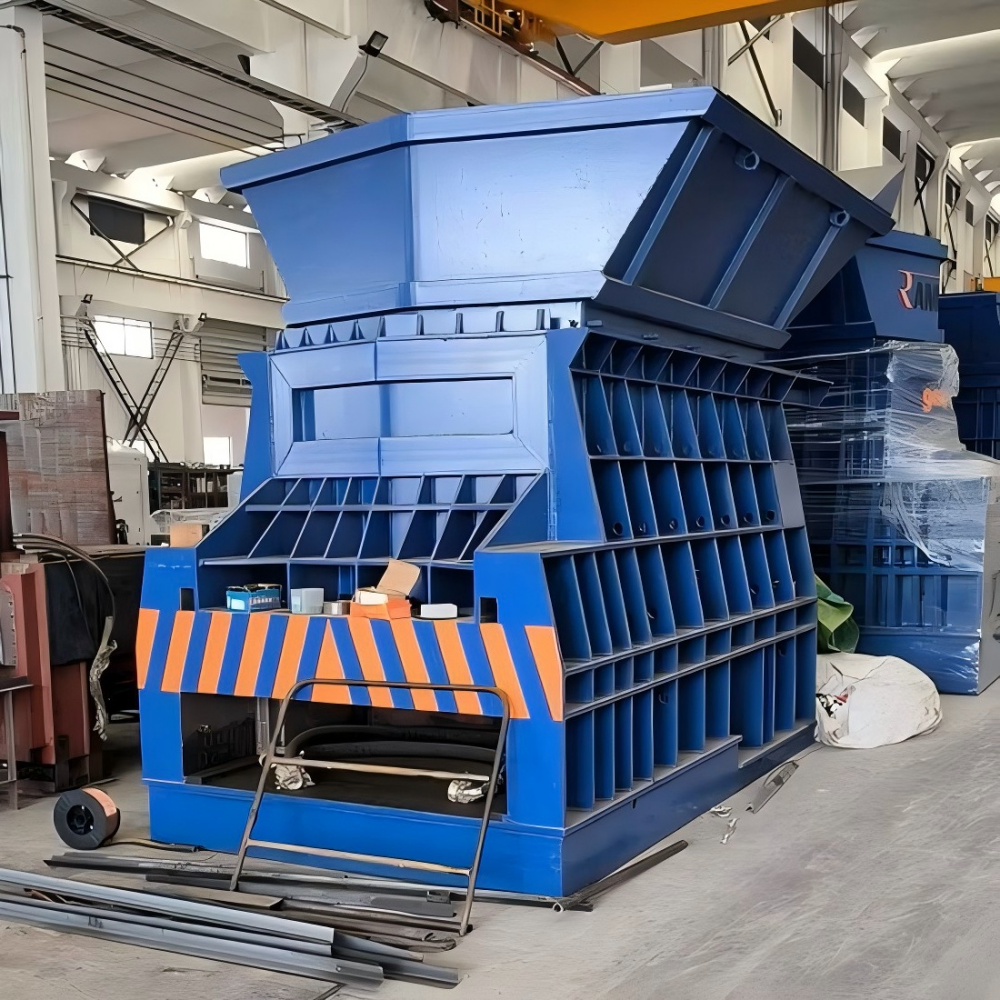
Key Considerations for Electrical System Integrity
Before diving into complex diagnostics, it is essential to establish a baseline for the electrical environment of your container shear. The most common electrical failures are not caused by complex component failure, but by environmental factors that degrade connections over time. Vibration is the silent killer of industrial electrical systems; it loosens terminal screws, causes wire fatigue, and can lead to intermittent contact issues that are notoriously difficult to track down.
Moisture and dust ingress are equally problematic. Metal fabrication facilities are inherently dusty, and conductive metal particles can cause short circuits if they penetrate control cabinets. Ensuring that your NEMA-rated enclosures are properly sealed and that cabinet cooling fans are clean is a fundamental part of daily operation. A clogged filter can lead to overheating of the PLC and variable frequency drives (VFDs), which will inevitably trigger thermal protection shutdowns.
Another key consideration is the quality of the power supply. Container shears require stable, clean voltage to operate their heavy-duty solenoids and motors. Voltage spikes or brownouts caused by other heavy equipment on the same power grid can cause the PLC to reset or behave erratically. Installing a power quality monitor or a dedicated transformer can often resolve mysterious “ghost” errors that appear during peak production hours.
Finally, documentation is your best tool. Maintaining a detailed log of electrical events—including the time of day, the specific operation being performed, and any error codes displayed on the HMI (Human Machine Interface)—is crucial. When you need to diagnose container shear electrical failures in daily operation, having a historical record allows you to identify patterns. For example, if a failure only occurs when the shear is under maximum load, you can narrow your search to the high-current circuits and motor starters.
Technical Details: Troubleshooting the Electrical Chain
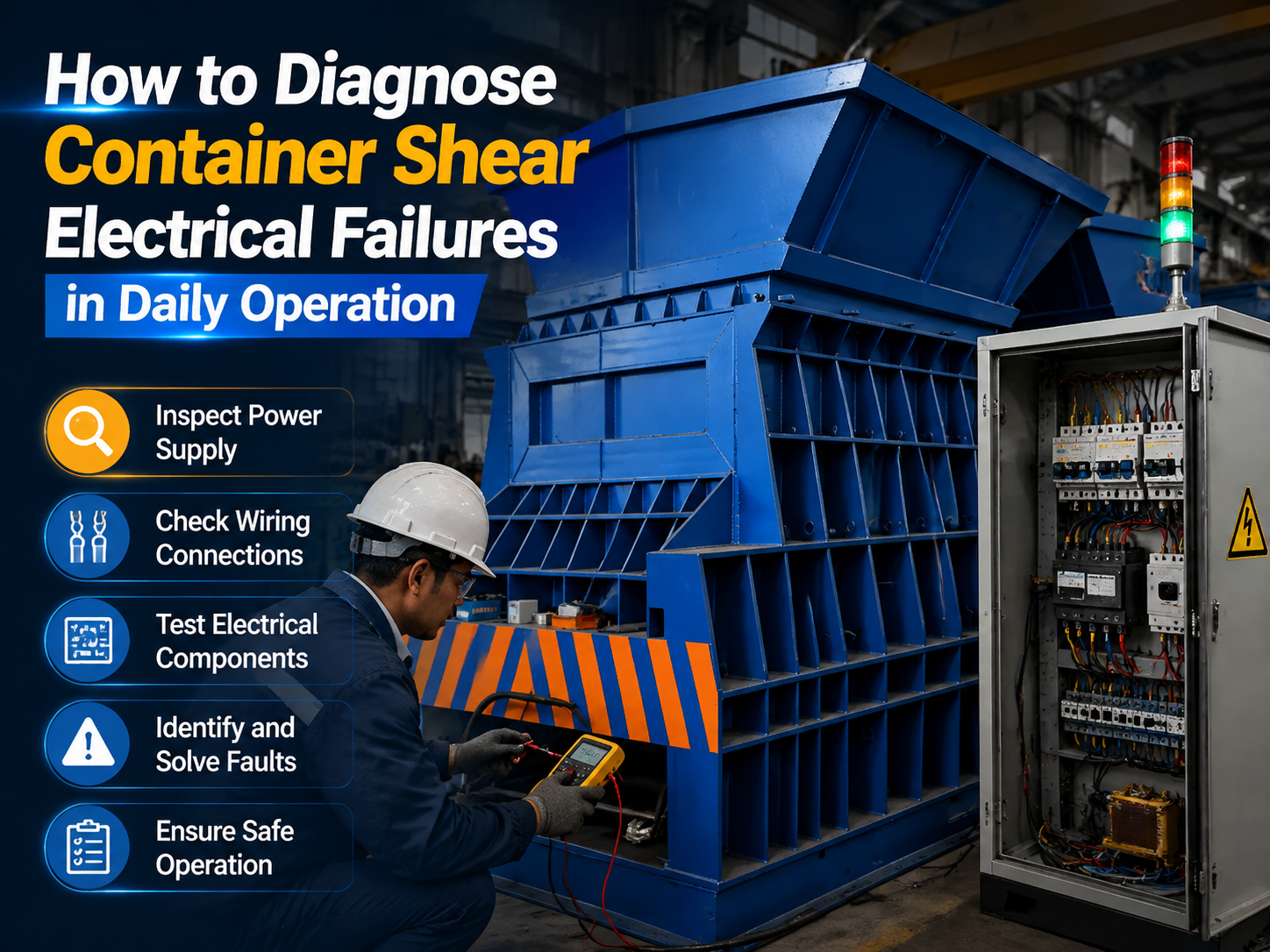
To effectively diagnose container shear electrical failures in daily operation, you must approach the machine as a series of interconnected circuits: the power input, the control logic, and the output devices. Start your diagnostic process at the main disconnect switch. Use a calibrated multimeter to verify that all three phases are present and balanced. An unbalanced phase can cause the motor to draw excessive current, leading to premature failure of the contactors and thermal overloads.
Once the power supply is verified, move to the control cabinet. The PLC is the brain of the container shear. Most modern HARSLE shears feature diagnostic LEDs on the PLC modules. A flashing red light on an input or output module is an immediate indicator of a fault. Check the wiring diagrams provided with your machine to identify which sensor or solenoid corresponds to the faulted channel. Often, a damaged proximity sensor cable—caused by debris or mechanical impact—is the culprit behind a “machine not ready” error.
Solenoid valves are another frequent point of failure. These valves control the hydraulic flow that drives the shear blade. If a solenoid coil burns out, the machine will fail to execute a specific movement. You can test a solenoid by checking for voltage at the connector when the command is active. If voltage is present but the valve does not actuate, the coil is likely open or the valve spool is mechanically jammed. Always ensure the machine is in a safe, de-energized state before attempting to remove or replace hydraulic components.
Emergency stop (E-stop) circuits are designed to be fail-safe, but they are also common sources of nuisance tripping. If your shear refuses to start, check the continuity of the E-stop loop. A single loose connection or a faulty contact block in one of the E-stop buttons will break the circuit and prevent the machine from powering up. Using a multimeter to check for continuity across the entire safety chain is a standard procedure when you need to diagnose container shear electrical failures in daily operation.
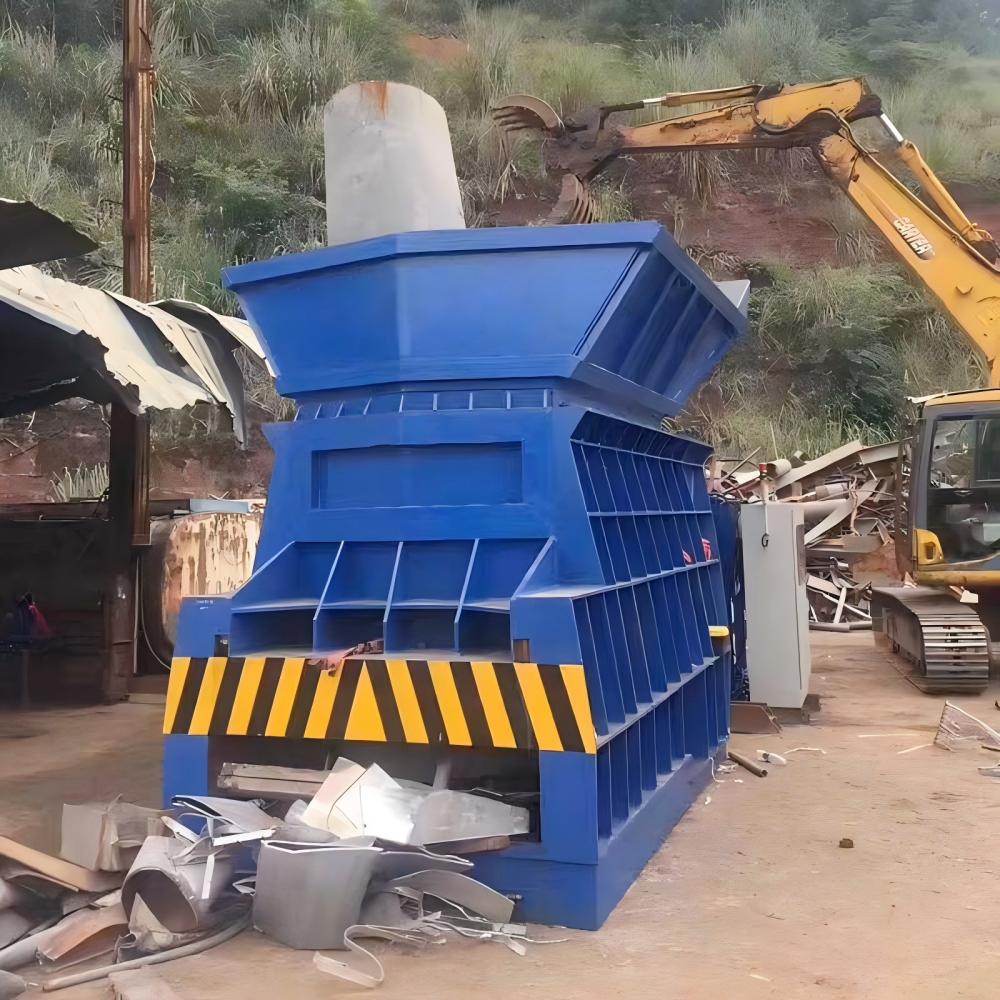
Selection Advice: Choosing Reliable Electrical Components
When replacing components to resolve electrical failures, the quality of the replacement part is just as important as the diagnostic process itself. In the world of metal fabrication equipment, “bargain” electrical components are a false economy. A cheap contactor or relay may work for a few weeks, but its failure under the high-vibration environment of a container shear will lead to further downtime and potential damage to more expensive components like the PLC.
Always source replacement parts that meet or exceed the original specifications provided by HARSLE. Look for components with high vibration resistance and dust-tight ratings. When replacing sensors, consider upgrading to heavy-duty, shielded versions if the original sensors are frequently damaged by falling scrap metal. Investing in high-quality, oil-resistant wiring and conduit will also pay dividends in the long run by preventing insulation breakdown.
Consider the modularity of the electrical system. When selecting or upgrading your container shear, look for machines that utilize standardized, widely available electrical components. This ensures that if a failure occurs, you can source a replacement locally rather than waiting for a proprietary part to be shipped. A well-designed electrical panel should be clearly labeled, with wire numbers corresponding to the electrical schematics provided in the machine manual.
Finally, talk to your HARSLE representative about preventive maintenance kits. These kits often include pre-selected, high-wear electrical items such as contactor tips, fuses, and common relays. Having these items on hand allows your maintenance team to perform immediate repairs, significantly reducing the time required to diagnose container shear electrical failures in daily operation and return the machine to service.
FAQ: Common Electrical Troubleshooting Questions
- Q: Why does my container shear stop mid-cycle?
A: This is often caused by a thermal overload trip or a loose connection in the safety circuit. Check the motor current draw and ensure the cabinet cooling system is functioning correctly. - Q: How do I identify a faulty proximity sensor?
A: Most sensors have an LED indicator. If the sensor is physically triggered but the LED does not light up, or if the PLC input does not change state, the sensor is likely faulty or misaligned. - Q: Can I bypass an E-stop to keep working?
A: Absolutely not. Bypassing safety circuits is a severe violation of industrial safety standards and puts operators at extreme risk of injury. Always repair the fault properly. - Q: What should I do if the HMI screen is blank?
A: Check the power supply to the HMI unit first. If it has power, check the communication cable between the HMI and the PLC. A loose data cable is a common cause of display failure. - Q: How often should I tighten electrical connections?
A: In a high-vibration environment, we recommend a full electrical cabinet inspection and tightening of all terminal connections every six months as part of your preventive maintenance schedule.
Conclusion
Learning how to diagnose container shear electrical failures in daily operation is an essential skill for any facility manager or maintenance technician working with HARSLE metal fabrication equipment. By maintaining a clean environment, keeping accurate records, and following a systematic diagnostic approach, you can minimize downtime and extend the lifespan of your machinery. Remember that the electrical system is the nervous system of your shear; treat it with care, use high-quality components, and never compromise on safety.
While electrical failures can be intimidating, they are almost always solvable with a logical, step-by-step approach. Start with the basics—power, connections, and safety loops—before moving into complex PLC diagnostics. If you ever find yourself in a situation where a failure is persistent or beyond your team’s capacity, do not hesitate to reach out to HARSLE’s technical support team. We are committed to ensuring that your container shear remains a productive, reliable, and safe component of your fabrication workflow.
Ultimately, the goal of these maintenance practices is to foster a culture of reliability. When your team is empowered to diagnose and resolve electrical issues quickly, the entire operation benefits from increased uptime and reduced stress. Keep your schematics handy, keep your tools calibrated, and keep your HARSLE container shear running at its best.