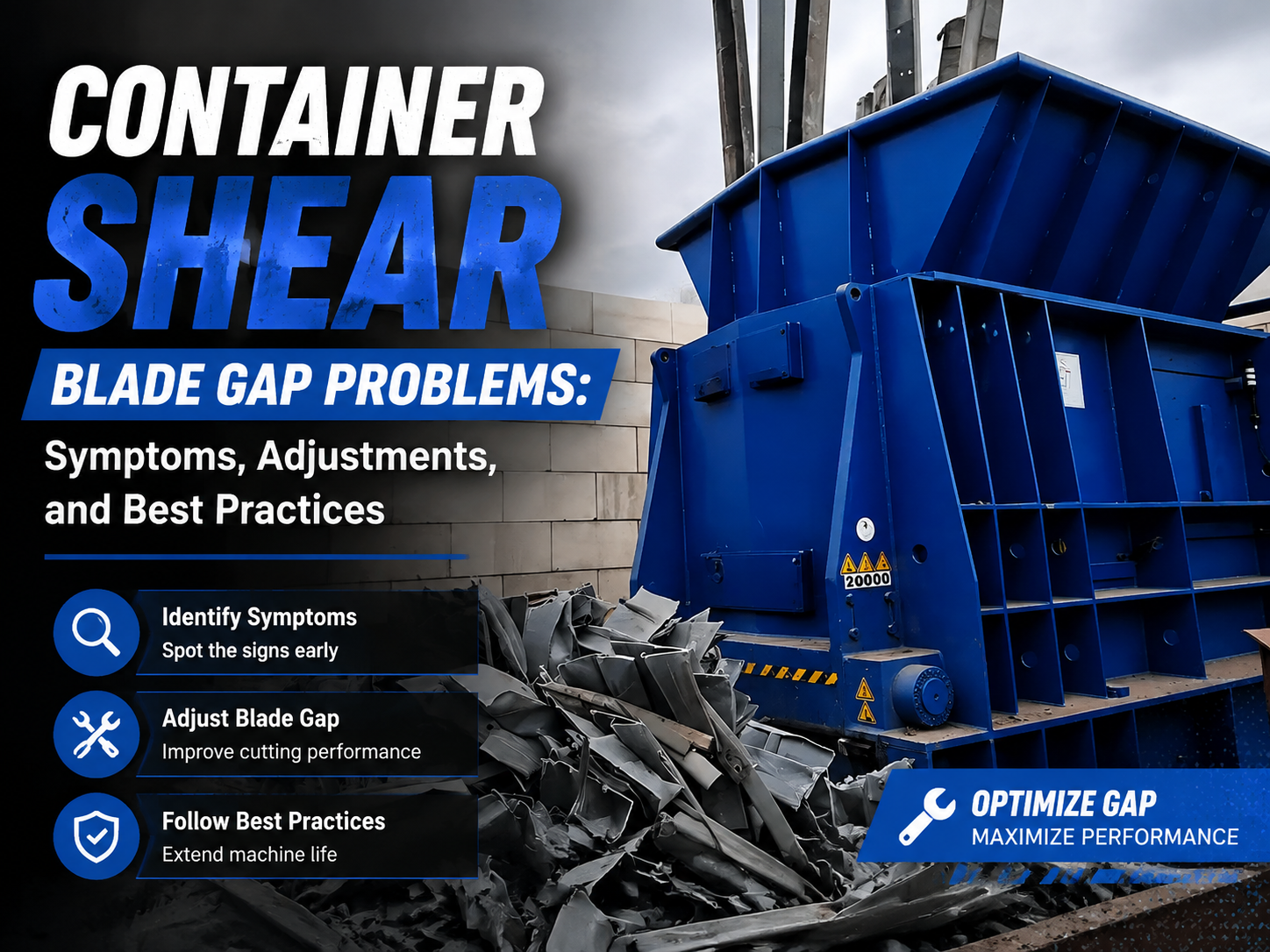
Container Shear Blade Gap Problems: Symptoms, Adjustments, and Best Practices

Introduction to Container Shear Blade Gap Management
In the high-stakes world of metal recycling and heavy-duty fabrication, the container shear stands as a cornerstone of operational efficiency. These massive machines are engineered to process oversized scrap metal, turning bulky industrial waste into manageable, high-density commodities. However, the heart of any shear—the blade assembly—is subject to extreme mechanical stress. Understanding Container Shear Blade Gap Problems: Symptoms, Adjustments, and Best Practices is not merely a maintenance task; it is a fundamental requirement for any facility manager looking to maximize uptime and protect their capital investment.
The blade gap, or clearance, refers to the precise distance between the upper (moving) blade and the lower (stationary) blade. This clearance is the single most critical factor in determining the quality of the cut, the longevity of the blades, and the overall load on the hydraulic system. When this gap deviates from the manufacturer’s specifications, the machine begins to suffer from a cascade of performance issues that can lead to catastrophic failure if left unaddressed.
At HARSLE, we emphasize that precision is the difference between a profitable operation and a maintenance nightmare. A gap that is too wide will cause the material to fold or ‘burr’ between the blades, while a gap that is too tight leads to metal-on-metal contact, resulting in chipping, cracking, and severe blade degradation. This guide explores the technical nuances of managing these gaps to ensure your HARSLE equipment remains at peak performance.
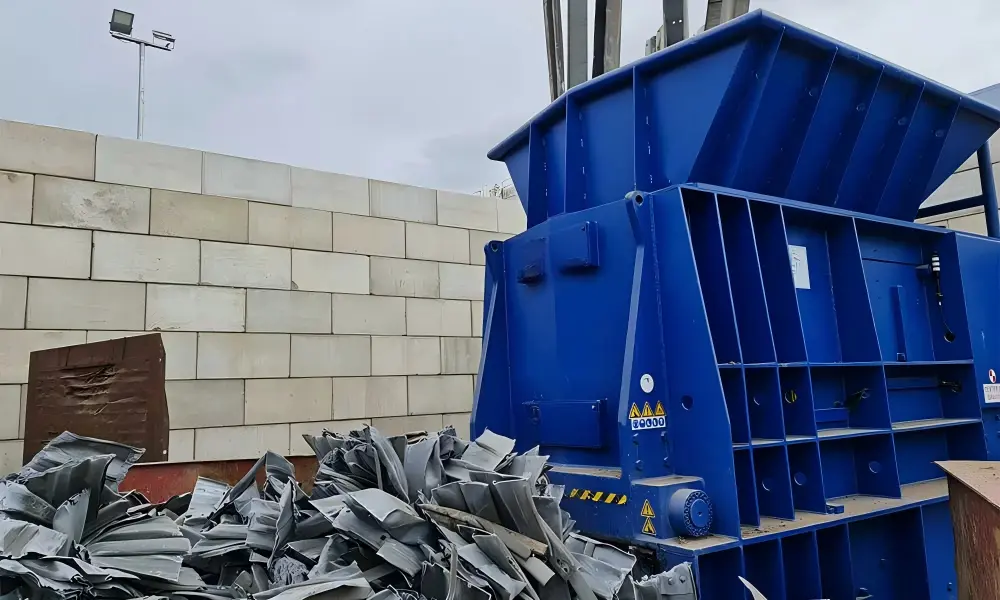
Key Considerations for Blade Gap Integrity
Maintaining the correct blade gap is a balancing act between material thickness, material hardness, and the structural integrity of the shear frame. Operators must understand that the gap is not a ‘set it and forget it’ parameter. As the shear processes different grades of steel—from light-gauge sheet metal to heavy structural beams—the mechanical forces exerted on the blades change significantly.
One of the primary considerations is the material type. Harder, high-tensile steels require a tighter gap to ensure a clean shear without excessive deformation. Conversely, softer, more ductile metals may allow for a slightly wider gap, but this must be calibrated carefully to prevent the material from being pulled into the clearance space. Failure to adjust for these variations is the most common cause of premature blade wear in industrial environments.
Environmental factors also play a role. Thermal expansion of the machine frame during long shifts can subtly alter the blade gap. In high-volume facilities where the shear runs continuously, the heat generated by the hydraulic system and the friction of the cutting process can cause the frame to expand, effectively closing the gap. Operators should perform periodic checks during the shift to ensure that the clearance remains within the optimal range specified in the HARSLE technical manual.
Furthermore, the structural rigidity of the shear housing is paramount. If the housing has developed play or if the guide rails are worn, the blades may shift during the cutting stroke. This ‘dynamic gap’ is often more dangerous than a static misaligned gap because it is unpredictable. Regular inspection of the guide systems is essential to ensure that the blades remain parallel throughout the entire stroke length, regardless of the load.
Technical Details: Identifying Symptoms of Misalignment
Recognizing the symptoms of blade gap problems early can save thousands of dollars in replacement costs and downtime. The most immediate symptom is the quality of the cut edge. If you observe excessive ‘ragged’ edges, heavy burrs, or a ‘smeared’ appearance on the sheared metal, it is a clear indicator that the gap is too wide. When the gap is too large, the material is not cleanly severed; instead, it is forced into the gap, causing the metal to tear rather than cut.
Conversely, if the machine exhibits signs of excessive vibration, ‘clunking’ noises, or if the hydraulic pressure spikes significantly during the cut, the gap is likely too tight. A tight gap causes the blades to rub against each other, creating immense friction and heat. This friction can lead to ‘galling,’ where metal from the blade surface is transferred to the opposing blade, leading to rapid, localized wear that ruins the blade edge profile.
Another critical symptom is the presence of metal shavings or ‘slivers’ found in the scrap bin. These slivers are a byproduct of the material being pinched between the blades. If left unchecked, these slivers can work their way into the blade housing, causing damage to the guide surfaces and potentially leading to a blade jam. Operators should make it a habit to inspect the scrap output for signs of poor shear quality at the start of every shift.
Finally, monitor the hydraulic system’s performance. If the shear seems to struggle or ‘stall’ mid-cut on materials that it previously processed with ease, it is often a sign that the blades are dull or the gap is improperly set, forcing the hydraulic cylinders to work harder than necessary. This increased load not only shortens the life of the hydraulic seals and pumps but also consumes significantly more electricity, impacting the operational cost-efficiency of the facility.

Adjustment Procedures and Best Practices
Adjusting the blade gap on a HARSLE container shear requires a systematic approach. Before beginning any adjustment, ensure the machine is locked out and tagged out (LOTO) to prevent accidental activation. The first step is to clean the blade area thoroughly. Any debris, grease, or metal dust can lead to inaccurate measurements, which will compromise the entire adjustment process.
Use a high-precision feeler gauge to measure the gap at multiple points along the length of the blade. It is not enough to check the gap at one end; the blades must be parallel across their entire working surface. If the gap is inconsistent, check the adjustment bolts and the shim packs. Many HARSLE shears utilize a shim-based adjustment system or fine-thread adjustment screws that allow for micro-adjustments. Always adjust in small increments, and re-measure after each tightening or loosening step.
Best practices dictate that you should document every adjustment. Keep a maintenance log that records the date, the specific gap measurement, the material being processed, and the name of the technician. This data is invaluable for identifying trends. For example, if you find yourself needing to adjust the gap more frequently than the manufacturer’s recommended interval, it may indicate that the blade material is not suitable for the scrap grade you are processing, or that the guide rails require replacement.
When replacing or shimming blades, ensure that the mating surfaces are perfectly clean. Even a microscopic piece of grit trapped behind a blade can cause it to sit at an angle, leading to uneven wear. Once the adjustment is complete, perform a test cut on a piece of scrap material of known thickness. Inspect the cut quality carefully. If the results are satisfactory, tighten all locking bolts to the specified torque settings. Never operate the machine with loose adjustment hardware, as the vibration of the shear will quickly cause the settings to drift.
Selection Advice: Choosing the Right Blades for Your Application
The longevity of your blade gap settings is heavily dependent on the quality and material of the blades themselves. When selecting replacement blades for your HARSLE container shear, consider the specific scrap metal you process most frequently. Blades are typically manufactured from high-carbon, high-chromium tool steels, but the heat treatment process can vary significantly to favor either toughness or hardness.
For facilities processing heavy structural steel, a blade with higher toughness is preferred to prevent chipping under high impact. If your facility focuses on thin-gauge sheet metal or aluminum, a harder blade will maintain its edge sharpness for longer, allowing for a tighter, more consistent gap. Consult with HARSLE technical support to ensure you are selecting the correct blade grade for your specific operational profile.
Additionally, consider the blade geometry. Some blades feature a specific rake angle designed to reduce the force required for the cut. While this reduces the load on the hydraulic system, it also changes the way the blade interacts with the gap. Always ensure that the replacement blades match the original design specifications of your shear, as mixing blade profiles can lead to unpredictable cutting behavior and accelerated wear on the blade housing.
Finally, consider the investment in high-quality, regrindable blades. While the initial cost may be higher, the ability to regrind the blades multiple times significantly lowers the total cost of ownership. Ensure that your maintenance team has access to a professional grinding service that understands the tolerances required for shear blades. Improper grinding can ruin the blade profile, making it impossible to achieve a consistent gap regardless of how much you adjust the machine.
FAQ: Common Questions About Container Shear Maintenance
How often should I check the blade gap on my HARSLE shear?
We recommend a visual inspection of the cut quality at the start of every shift. A formal measurement of the blade gap using feeler gauges should be performed weekly, or immediately if you notice any change in the quality of the sheared material.
What happens if I run the shear with a gap that is too tight?
Running with a gap that is too tight causes metal-to-metal contact. This leads to immediate chipping of the blade edges, severe overheating, and potential damage to the shear housing and guide rails. It is one of the fastest ways to destroy a set of high-quality blades.
Can I use shims to fix a worn blade housing?
Shims are intended for fine-tuning the gap, not for compensating for significant wear in the machine structure. If you find that you need excessive shimming to achieve a consistent gap, it is a sign that your guide rails or blade seats are worn and require professional repair or replacement.
Is it normal for the gap to change during the day?
Minor fluctuations can occur due to thermal expansion as the machine warms up. However, if the gap changes significantly, it usually indicates loose adjustment bolts or worn guide components that are allowing the blade to shift under load.
What is the best way to clean the blade area?
Use a stiff-bristled brush and compressed air to remove metal dust and debris. Avoid using harsh solvents that could damage the seals of the hydraulic cylinders. Always ensure the machine is in a ‘zero energy’ state before cleaning.
Conclusion: Prioritizing Maintenance for Long-Term Success
Mastering the management of your container shear blade gap is a hallmark of a professional metal fabrication facility. By understanding the symptoms of misalignment, adhering to rigorous adjustment procedures, and investing in the right blade materials, you can significantly extend the life of your HARSLE equipment. The goal is to move from a reactive maintenance posture—where you fix things only when they break—to a proactive strategy that anticipates wear and maintains precision.
Remember that the container shear is a high-force machine. Every adjustment you make, every inspection you perform, and every blade you select contributes to the overall safety and productivity of your shop floor. When in doubt, always refer to your HARSLE operation manual or contact our technical support team. We are committed to ensuring that your machinery remains the most reliable asset in your production line. By following these best practices, you ensure that your facility continues to produce high-quality scrap, minimizes downtime, and maintains a competitive edge in the metal recycling industry.