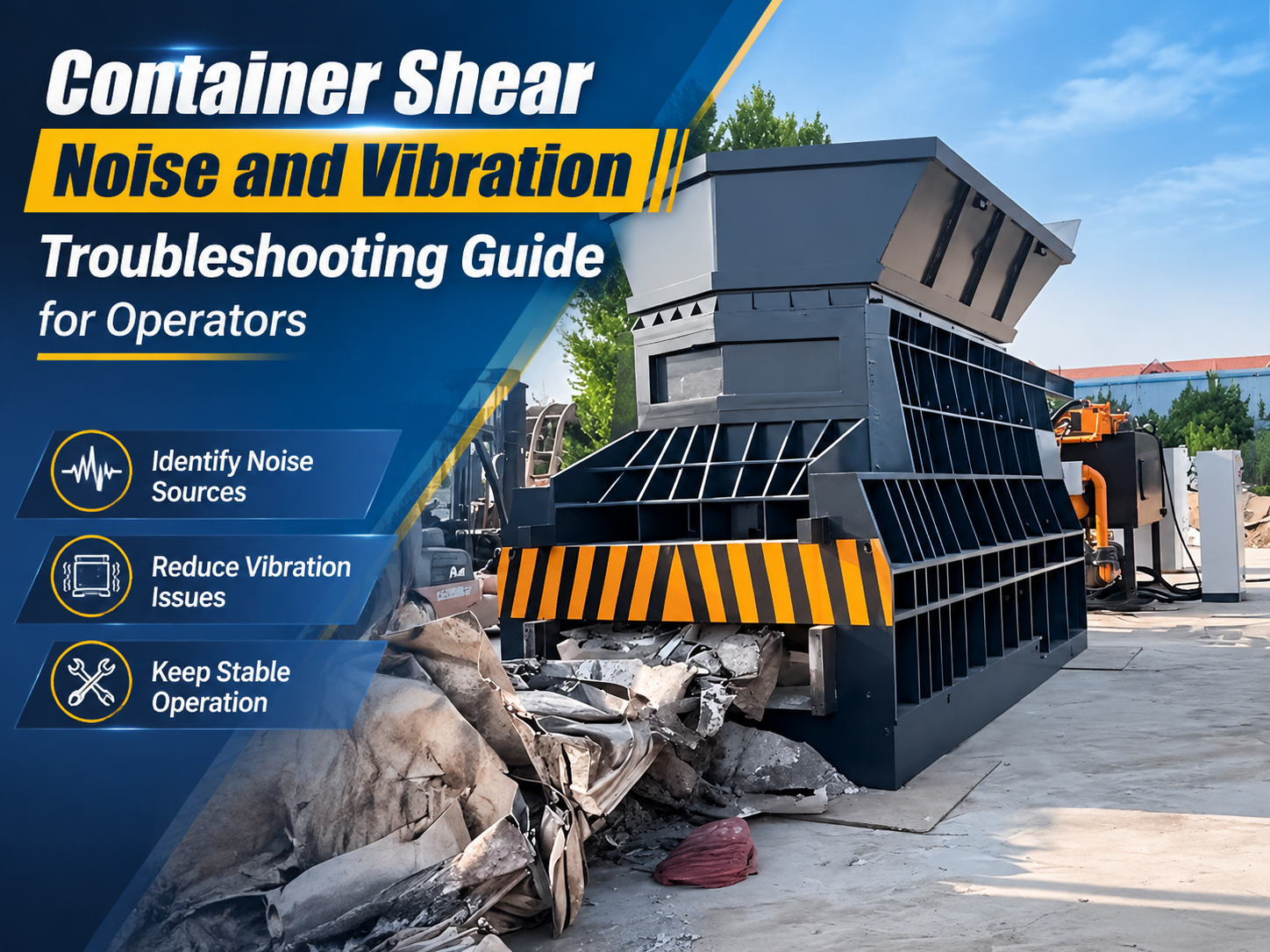
Container Shear Noise and Vibration Troubleshooting Guide for Operators

Introduction to Container Shear Performance
In the demanding world of metal recycling and heavy-duty fabrication, the container shear stands as a cornerstone of operational efficiency. As an operator, you are the first line of defense in ensuring that these massive hydraulic machines function at their peak. However, even the most robust HARSLE equipment can encounter operational anomalies. Among the most common and concerning issues are excessive noise and vibration. These symptoms are not merely nuisances; they are critical indicators of mechanical stress, hydraulic instability, or structural fatigue that, if ignored, can lead to catastrophic failure.
This Container Shear Noise and Vibration Troubleshooting Guide for Operators is designed to provide you with the technical insight required to diagnose and mitigate these issues effectively. By understanding the relationship between hydraulic pressure, structural integrity, and mechanical wear, you can extend the lifespan of your equipment and maintain a safer, more productive work environment. Whether you are dealing with high-frequency rattling or low-frequency structural tremors, this guide serves as your primary resource for maintaining industrial excellence.
Understanding the root cause of noise and vibration is essential for any professional in the metal fabrication industry. Often, operators mistake these symptoms for normal wear and tear, but in high-tonnage container shears, noise is almost always a symptom of a specific mechanical or hydraulic imbalance. By following the structured troubleshooting steps outlined in this guide, you will be able to distinguish between routine operational sounds and warning signs that require immediate maintenance intervention.
HARSLE is committed to providing not just the machinery, but the knowledge required to operate it safely and efficiently. This guide covers the entire spectrum of troubleshooting, from basic hydraulic checks to advanced structural inspections. We encourage all operators to treat this document as a living manual, integrating these practices into their daily pre-shift inspections and long-term maintenance schedules to ensure the longevity of their investment.
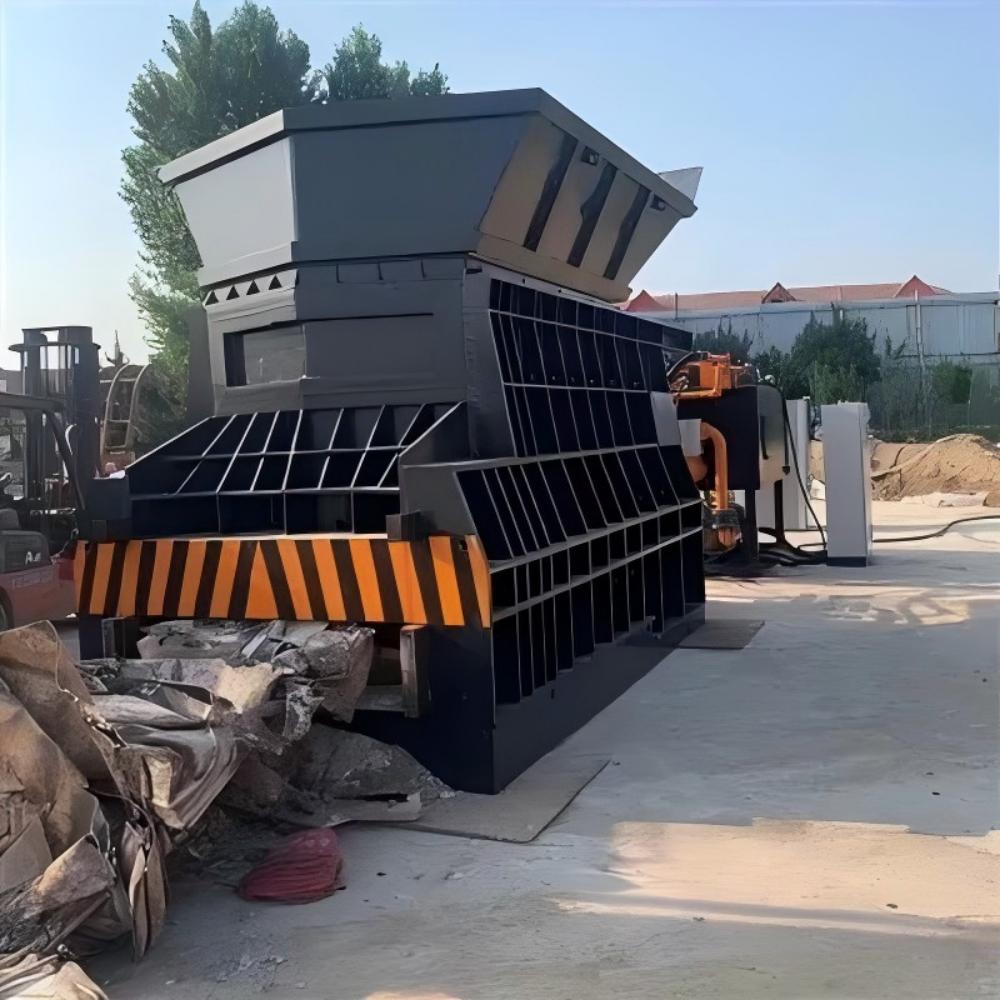
Key Considerations for Container Shear Noise and Vibration Troubleshooting Operators
When approaching the task of troubleshooting, the first step is to establish a baseline for what constitutes ‘normal’ operation. Every container shear has a unique acoustic signature based on its tonnage, the type of scrap metal being processed, and the specific hydraulic configuration. Operators should spend time listening to the machine during a standard cycle when it is known to be in perfect working order. This baseline allows you to quickly identify deviations that indicate a problem.
Environmental factors play a significant role in how noise and vibration are perceived and generated. For instance, an improperly leveled foundation can amplify vibrations, causing them to resonate through the entire facility. Before diving into the mechanical components, ensure that the machine is securely anchored to a reinforced concrete pad. Any movement at the base of the shear can lead to misalignment in the cutting blades, which in turn creates the very noise and vibration you are trying to eliminate.
Hydraulic fluid quality is another critical consideration. Air entrapment in the hydraulic lines is a leading cause of ‘cavitation’ noise—a distinct, high-pitched whining or grinding sound that occurs when air bubbles collapse under pressure. If you hear this sound, it is an immediate signal to check your fluid levels, inspect the suction lines for leaks, and ensure that the hydraulic system is properly bled. Neglecting this will lead to permanent damage to the hydraulic pumps and valves.
Finally, consider the material being fed into the shear. Overloading the container or attempting to process material that exceeds the machine’s rated capacity will inevitably cause the system to struggle. This struggle manifests as increased vibration and strained motor noise. Always adhere to the material specifications provided by HARSLE. Using the machine outside of its design parameters is the fastest way to induce premature wear and tear on the shear blades and the main hydraulic cylinders.
Technical Details: Diagnosing Hydraulic and Mechanical Faults
To effectively troubleshoot noise and vibration, one must understand the two primary systems involved: the hydraulic power unit and the mechanical cutting assembly. Hydraulic noise is typically characterized by whining, clicking, or rhythmic pulsing. This is often caused by pump wear, pressure relief valve instability, or air in the system. If the noise changes when the shear is under load versus when it is idling, the issue is almost certainly related to the hydraulic pump or the pressure regulation system.
Mechanical noise, on the other hand, is usually characterized by clanking, banging, or grinding. This points directly to the cutting head, the blade clearances, or the guide rails. If you hear a loud ‘bang’ at the end of a cut, it may indicate that the blade clearance is too wide, allowing the metal to ‘snap’ rather than shear cleanly. Conversely, a grinding noise suggests that the blades are dull or that the guide rails are misaligned, causing metal-on-metal contact that should never occur during a clean shearing cycle.
Vibration analysis is a more nuanced process. High-frequency vibrations are often associated with rotating components, such as the electric motor or the hydraulic pump shaft. If you notice a high-frequency buzz, check the motor mounts and the coupling between the motor and the pump. If the vibration is low-frequency and heavy, it is likely structural. This could be due to loose anchor bolts, a cracked frame, or uneven wear on the main shear ram guides.
The following table provides a quick reference for common symptoms and their likely causes:
| Symptom | Potential Cause | Recommended Action |
|---|---|---|
| High-pitched whining | Hydraulic cavitation or pump wear | Check fluid levels and suction lines |
| Loud metallic banging | Excessive blade clearance | Adjust blade gap settings |
| Rhythmic pulsing | Pressure relief valve instability | Inspect and clean relief valves |
| Constant low-frequency vibration | Loose foundation or anchor bolts | Re-level and tighten base bolts |
| Grinding noise | Dull blades or guide rail wear | Sharpen blades and lubricate rails |
Selection Advice: Best Practices for Buying a Container Shear
When selecting a container shear, the initial purchase decision is the most important step in preventing future noise and vibration issues. A machine that is under-specced for your volume of work will be pushed to its limits every day, leading to the exact problems we are discussing. Always choose a shear with a capacity rating that exceeds your average daily throughput by at least 20%. This ‘headroom’ ensures that the machine operates within its comfort zone, significantly reducing the stress on hydraulic and mechanical components.
Consider the build quality of the frame. HARSLE container shears are engineered with heavy-duty steel plate construction to dampen vibrations naturally. When evaluating different models, look for the thickness of the steel and the quality of the welds. A rigid, well-constructed frame is the best defense against the structural vibrations that can lead to fatigue cracks over time. Never prioritize a lower price point over structural integrity, as the long-term maintenance costs of a poorly built machine will far outweigh the initial savings.
Look for advanced hydraulic features such as proportional valves and integrated cooling systems. Proportional valves allow for smoother transitions in pressure, which reduces the ‘shock’ that occurs when the shear ram changes direction. This shock is a major contributor to vibration. Furthermore, an integrated cooling system keeps the hydraulic oil at an optimal temperature, preventing the viscosity changes that can lead to pump cavitation and noisy operation.
Finally, consider the availability of spare parts and technical support. A container shear is a long-term asset. Ensure that the manufacturer provides comprehensive documentation, including detailed schematics and troubleshooting guides. HARSLE offers extensive support to ensure that your operators are never left guessing. Choosing a partner who understands the importance of maintenance and provides the necessary resources is just as important as the machine itself.
FAQ: Frequently Asked Questions
How often should I check the blade clearance to prevent noise?
Blade clearance should be checked weekly, or more frequently if you are processing high-tensile materials. Proper clearance is vital for a clean cut and prevents the ‘snapping’ noise that causes structural vibration.
Why does my shear vibrate more when the oil is hot?
As hydraulic oil heats up, its viscosity decreases. If the oil becomes too thin, it may not provide adequate lubrication for the pump, leading to increased friction and noise. Ensure your cooling system is functioning correctly.
Can loose anchor bolts cause internal machine damage?
Yes. If the machine is not securely anchored, the energy from the shearing process is not properly dissipated into the foundation. This causes the machine to ‘walk’ or shake, which can lead to misalignment of the internal guides and premature wear on the hydraulic cylinders.
What is the most common cause of hydraulic whining?
The most common cause is air in the hydraulic system. This is often caused by low oil levels or a leak in the suction side of the pump, which allows air to be drawn into the fluid stream.
How do I know if my shear blades are dull?
Dull blades will produce a distinct grinding noise and will require more hydraulic pressure to complete a cut. You may also notice that the edges of the sheared metal are jagged or deformed rather than clean.
Conclusion: Maintaining Operational Excellence
Troubleshooting noise and vibration in a container shear is a critical skill for any operator. By staying vigilant and performing regular inspections, you can identify minor issues before they escalate into major mechanical failures. Remember that a quiet, smooth-running machine is a sign of a healthy, efficient operation. When you hear something out of the ordinary, do not ignore it—investigate it, document it, and take the necessary steps to resolve it.
HARSLE is dedicated to the success of your metal fabrication business. We provide the tools, the technology, and the support you need to keep your equipment running at its best. By following the guidelines in this article, you are not just fixing a machine; you are protecting your investment and ensuring the safety of your team. Continue to prioritize maintenance, invest in high-quality equipment, and never hesitate to reach out to professional support when complex issues arise.
Ultimately, the longevity of your container shear depends on the care it receives. From the daily checks of hydraulic fluid levels to the periodic adjustment of blade clearances, every action you take contributes to the overall performance of the machine. Use this guide as a reference, train your team on these best practices, and enjoy the reliability and productivity that comes with a well-maintained HARSLE container shear.