Container Shear Cutting Angle Problems: How to Diagnose Misalignment Fast

Introduction to Container Shear Precision
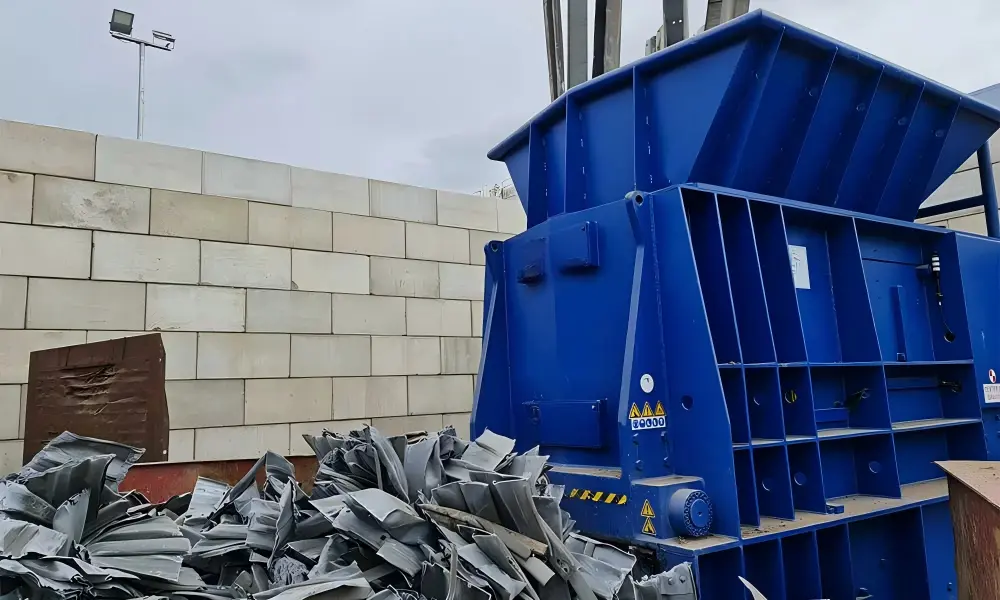
In the high-stakes world of industrial metal recycling and heavy-duty fabrication, the container shear stands as a cornerstone of operational efficiency. These massive machines are engineered to process oversized scrap metal, turning bulky waste into manageable, high-density material. However, the performance of these machines is entirely dependent on the precision of their cutting geometry. When operators encounter container shear cutting angle problems, the entire production line can grind to a halt, leading to costly downtime and potential damage to the shear blades.
Understanding how to diagnose misalignment fast is not just a maintenance skill; it is a critical operational requirement for any facility manager or maintenance technician. Misalignment in the cutting angle does not merely result in poor cut quality; it places excessive stress on the hydraulic cylinders, the frame, and the blade seats. By mastering the diagnostic process, you can extend the lifespan of your HARSLE equipment and ensure consistent throughput in your scrap processing operations.
This guide provides a comprehensive look at the mechanics of shear angles, the symptoms of misalignment, and the systematic approach required to restore your machinery to factory specifications. Whether you are dealing with burred edges, incomplete cuts, or excessive vibration, the following sections will help you identify the root cause and implement a fast, effective solution.
Key Considerations for Shear Geometry
The cutting angle of a container shear is the specific rake angle at which the moving blade meets the stationary blade. This angle is engineered to minimize the force required to shear through thick steel while ensuring a clean, efficient cut. When this angle deviates from the manufacturer’s specifications, the shear force is no longer distributed evenly across the blade surface, leading to localized stress points that can cause catastrophic blade failure.
One of the primary considerations in maintaining this angle is the clearance between the upper and lower blades. If the clearance is too wide, the material will fold or bend rather than shear, causing the cutting angle to effectively change as the material wedges between the blades. Conversely, if the clearance is too tight, the blades will clash, leading to rapid wear and potential chipping of the hardened steel edges. Maintaining the correct gap is the first step in ensuring the cutting angle remains effective.
Environmental factors also play a significant role in alignment stability. Heavy-duty shears are subject to immense vibrations during the cutting cycle. Over time, these vibrations can cause mounting bolts to loosen or shim plates to shift. Regular inspection of the structural integrity of the shear housing is essential. If the frame itself has experienced any deformation due to overloading, the cutting angle will be permanently compromised until the structural issue is addressed.
Finally, the type of material being processed dictates the required cutting angle. Processing high-tensile steel requires a different approach than processing standard structural scrap. Operators must ensure that the machine settings are adjusted according to the material density and thickness. Ignoring these operational parameters is a common cause of perceived misalignment, where the machine is functioning correctly, but the settings are inappropriate for the specific task at hand.
Technical Details: Diagnosing Misalignment Fast
To diagnose container shear cutting angle problems, you must first establish a baseline. Use a precision feeler gauge to measure the blade gap at multiple points along the length of the shear. If the gap is inconsistent, you have confirmed a physical misalignment. A fast way to check for angular deviation is to perform a test cut on a standard piece of scrap and inspect the cross-section of the cut. A clean, perpendicular cut indicates proper alignment, while a slanted or jagged edge suggests that the blade angle is off-axis.
Another diagnostic technique involves monitoring the hydraulic pressure during the cutting cycle. If the pressure spikes significantly higher than the machine’s rated capacity before the cut is completed, it is a strong indicator that the blades are not meeting at the correct angle, forcing the machine to work harder than necessary. This “over-working” is a silent killer of hydraulic pumps and seals, and identifying it early can save thousands in repair costs.
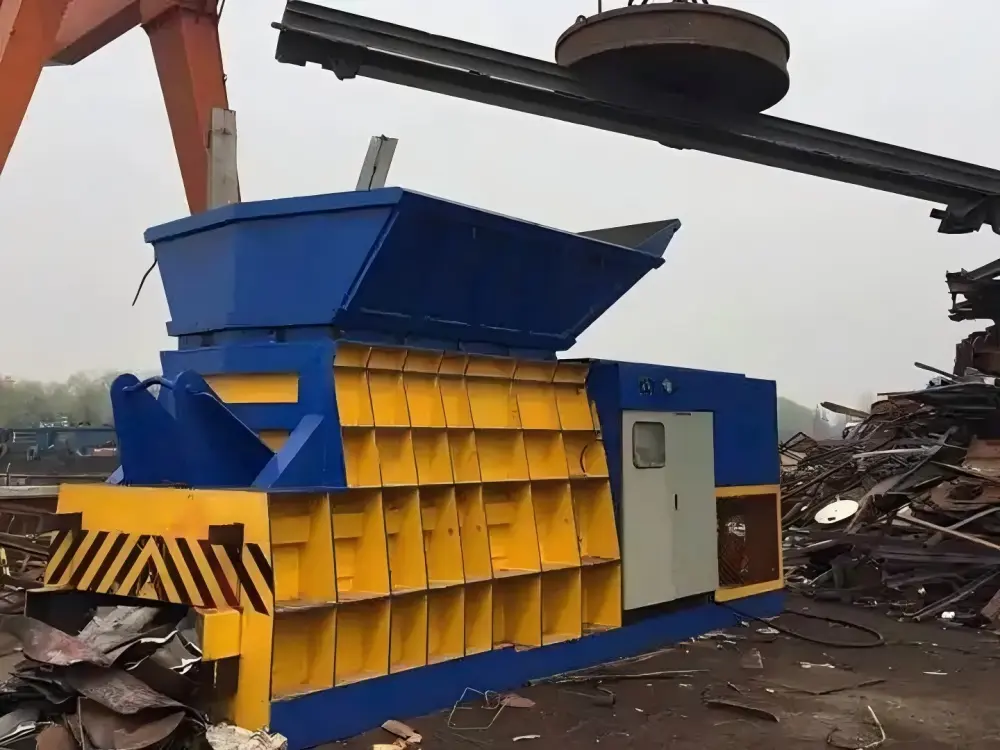
Check the blade seats for debris buildup. In many cases, misalignment is not caused by a mechanical failure but by a small piece of scrap metal lodged behind the blade. This debris can push the blade out of its intended plane, creating a subtle but destructive change in the cutting angle. A thorough cleaning of the blade housing should always be the first step in your diagnostic process before attempting any mechanical adjustments.
Finally, examine the wear patterns on the blades themselves. If one side of the blade shows significantly more wear than the other, it indicates that the blade is not hitting the material squarely. This uneven wear pattern is a classic symptom of a misaligned cutting angle. By documenting these wear patterns, you can determine exactly which direction the blade needs to be adjusted to restore the intended geometry.
Selection Advice for Long-Term Reliability
When selecting a container shear, prioritize models that feature adjustable blade clearance and reinforced structural frames. HARSLE equipment is designed with these considerations in mind, offering robust adjustment mechanisms that allow technicians to fine-tune the cutting angle with minimal downtime. Look for machines that include integrated sensors to monitor blade alignment and hydraulic pressure, as these features provide real-time data that can prevent misalignment before it leads to damage.
Consider the rigidity of the shear housing. A machine that is built with heavy-gauge steel and reinforced gussets will be far more resistant to the vibrations that cause alignment drift. While the initial investment in a high-rigidity machine may be higher, the long-term savings in maintenance and blade replacement costs are substantial. Always review the manufacturer’s maintenance manual to ensure that the adjustment procedures are clearly defined and accessible.
Evaluate the availability of spare parts and technical support. A container shear is a long-term asset, and you need a partner who can provide replacement blades, shim kits, and expert guidance when issues arise. HARSLE provides comprehensive support to ensure that your equipment remains in peak condition throughout its operational life. Choosing a reputable manufacturer is the best way to ensure that your machine remains reliable for years to come.
Lastly, invest in operator training. Many alignment issues are the result of improper machine operation, such as overloading the container or failing to clear the shear chamber between cycles. A well-trained operator who understands the mechanics of the shear will be the first line of defense against misalignment. Regular training sessions can significantly reduce the frequency of mechanical issues and improve overall facility safety.
FAQ: Common Questions on Shear Maintenance
- How often should I check the blade gap? We recommend a visual inspection daily and a precision measurement with feeler gauges at least once a week, or more frequently if the machine is running 24/7.
- Can I adjust the cutting angle myself? Yes, most HARSLE container shears are designed for technician-led adjustments. However, always follow the specific manual provided with your model to ensure safety and accuracy.
- What are the signs of a dull blade? Signs include increased noise during the cut, excessive vibration, and a rough, burred finish on the sheared metal.
- Why does my shear stall mid-cut? This is often caused by either an incorrect cutting angle, insufficient hydraulic pressure, or attempting to cut material that exceeds the machine’s rated capacity.
- Does temperature affect alignment? Extreme temperature fluctuations can cause minor thermal expansion in the metal frame, which may require periodic adjustments to the blade clearance.
Conclusion
Container shear cutting angle problems are a common challenge in the metal fabrication industry, but they do not have to be a permanent obstacle to your productivity. By understanding the mechanics of your equipment, performing regular inspections, and knowing how to diagnose misalignment fast, you can maintain the high standards of quality and efficiency that your business demands. Remember that the longevity of your HARSLE machinery is a direct result of the care and precision you apply to its maintenance.
If you find that your diagnostic efforts are not resolving the issue, do not hesitate to reach out to professional support. Attempting to force a misaligned machine to operate can lead to irreversible damage to the frame and hydraulic systems. By staying proactive and informed, you ensure that your container shear remains a powerful, reliable asset in your scrap processing operations for years to come.