Container Shear Blade Wear Problems: Signs, Causes, and Maintenance Solutions

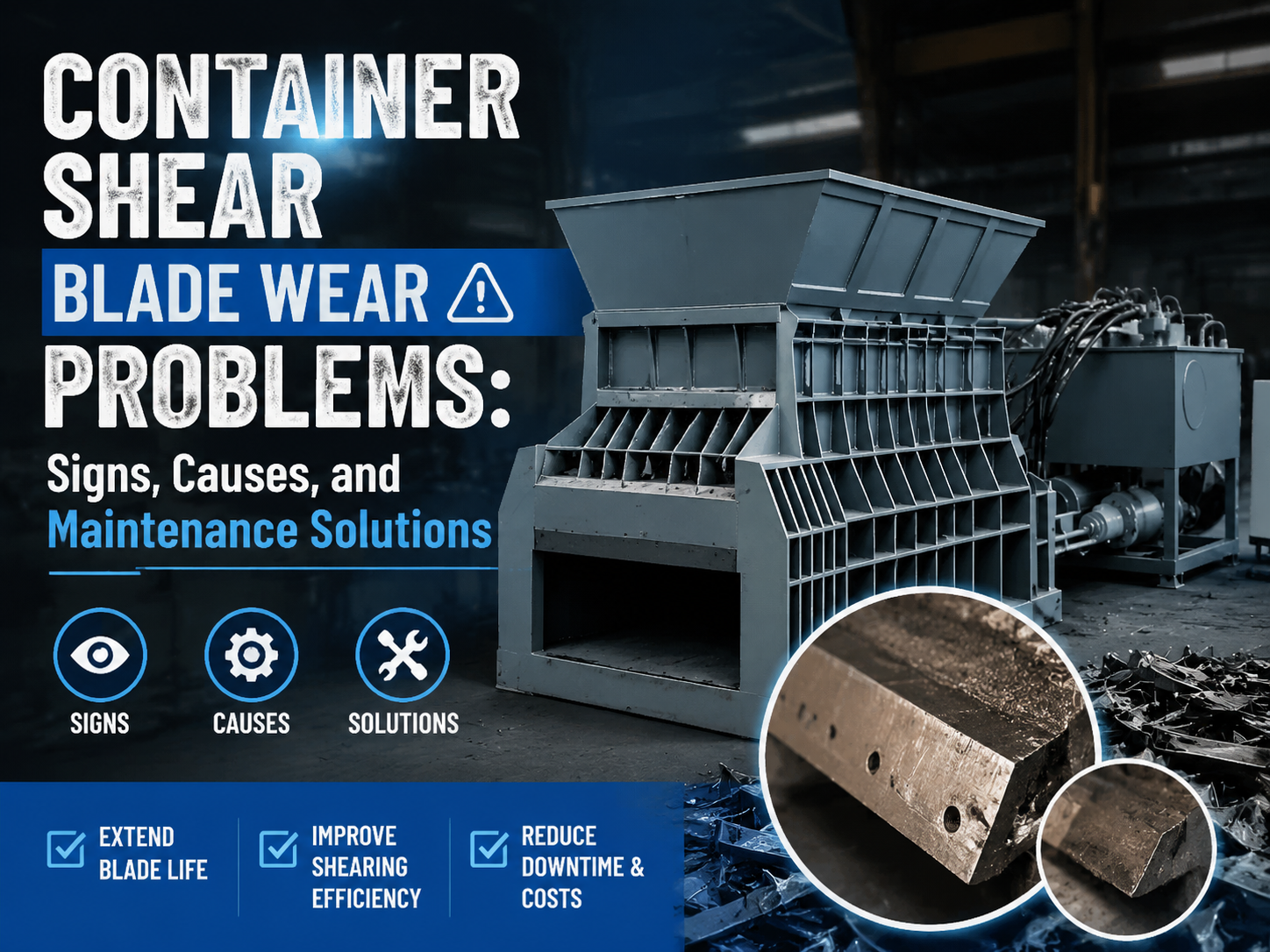
Introduction to Container Shear Blade Performance
In the high-stakes world of metal recycling and heavy-duty fabrication, the container shear stands as a cornerstone of operational efficiency. These massive machines are engineered to process oversized scrap metal, turning bulky waste into manageable, high-density commodities. However, the heart of this operation—the shear blade—is subjected to extreme mechanical stress, friction, and thermal loading. Understanding Container Shear Blade Wear Problems: Signs, Causes, and Maintenance Solutions is not merely a technical necessity; it is a critical business strategy to minimize downtime and maximize ROI.
At HARSLE, we recognize that even the most robust industrial machinery is only as effective as its cutting components. When blades begin to degrade, the entire production line suffers. From increased energy consumption to jagged, low-quality cuts that fail to meet mill specifications, the consequences of neglected blade maintenance are far-reaching. This comprehensive guide explores the lifecycle of shear blades, providing actionable insights for facility managers and maintenance technicians to ensure peak performance.
The longevity of a container shear blade is influenced by a complex interplay of material hardness, cutting speed, and the consistency of the scrap being processed. While modern metallurgy has significantly improved blade durability, no component is immune to the laws of physics. By mastering the signs of wear and implementing a proactive maintenance schedule, operators can extend the life of their equipment by hundreds of hours, significantly reducing the total cost of ownership.
This article serves as an industrial-grade resource for troubleshooting and optimizing your shearing operations. Whether you are managing a scrap yard or a large-scale metal fabrication facility, the following sections will provide the technical depth required to maintain your equipment at the highest standard. Let us delve into the mechanics of wear and the strategies required to combat it effectively.
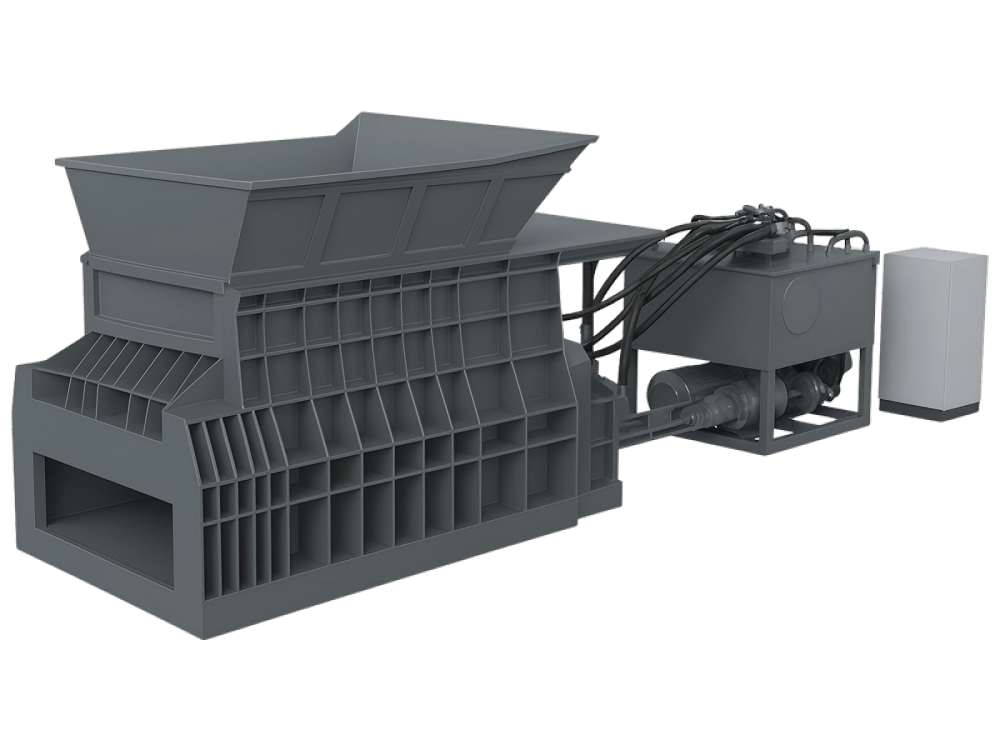
Key Considerations for Identifying Blade Wear
The first step in mitigating Container Shear Blade Wear Problems: Signs, Causes, and Maintenance Solutions is early detection. Operators must be trained to recognize the subtle indicators that a blade is beginning to lose its edge. The most obvious sign is a change in the quality of the cut. If the shear begins to produce “tearing” rather than clean shearing, or if the scrap pieces show excessive burrs, it is a clear signal that the blade clearance or sharpness has been compromised.
Another critical indicator is the audible feedback from the machine. A sharp, well-maintained blade should produce a consistent, rhythmic sound during the cutting cycle. If you notice a change in the pitch of the motor or an increase in the vibration of the shear frame, it often indicates that the blade is struggling to penetrate the material. This increased resistance forces the hydraulic system to work harder, leading to higher energy consumption and potential strain on the hydraulic pumps and cylinders.
Visual inspections should be a daily ritual. During downtime, maintenance crews should examine the cutting edge for signs of chipping, rounding, or uneven wear patterns. A healthy blade should have a crisp, defined edge. If you observe rounded edges or visible “nicks” along the length of the blade, the cutting efficiency has already dropped significantly. These nicks act as stress concentrators, which can lead to catastrophic blade failure if left unaddressed.
Finally, monitor the hydraulic pressure gauges during the cutting process. If the machine requires significantly higher pressure to cut the same type and thickness of material as it did previously, it is a definitive sign of blade dullness. By tracking these pressure trends over time, maintenance teams can predict exactly when a blade change or sharpening is required, moving from reactive repairs to a predictive maintenance model that keeps the facility running smoothly.
Technical Details: Causes of Premature Blade Failure
Understanding why blades fail is essential to preventing future issues. One of the primary causes of premature wear is improper blade clearance. The gap between the upper and lower blades must be precisely calibrated based on the thickness and tensile strength of the material being processed. If the clearance is too wide, the material is pulled into the gap rather than sheared, causing excessive bending stress on the blade and leading to rapid edge degradation.
Material contamination is another frequent culprit. Scrap metal is rarely pure; it often contains hardened steel inclusions, non-metallic debris, or even hidden contaminants like concrete or stone. When a shear blade strikes these materials, the impact force can cause micro-fractures in the blade steel. Over time, these micro-fractures propagate, leading to large-scale chipping that renders the blade ineffective. Ensuring that the feed material is properly sorted is a vital step in protecting your investment.
Thermal fatigue also plays a significant role in blade wear. The intense friction generated during the shearing process creates localized heat at the cutting edge. If the blade material is not properly heat-treated or if the shearing cycle is too rapid without adequate cooling time, the blade can lose its temper, becoming softer and more susceptible to deformation. This is particularly common in high-volume operations where the shear is running at maximum capacity for extended periods.
Lastly, poor lubrication and maintenance of the blade guides can lead to misalignment. If the blade carrier or the guides are worn, the blades may not meet with the necessary precision. Even a slight misalignment can cause the blades to rub against each other, creating friction that generates heat and wears down the cutting edges prematurely. Regular inspection of the guide system is just as important as the inspection of the blades themselves.
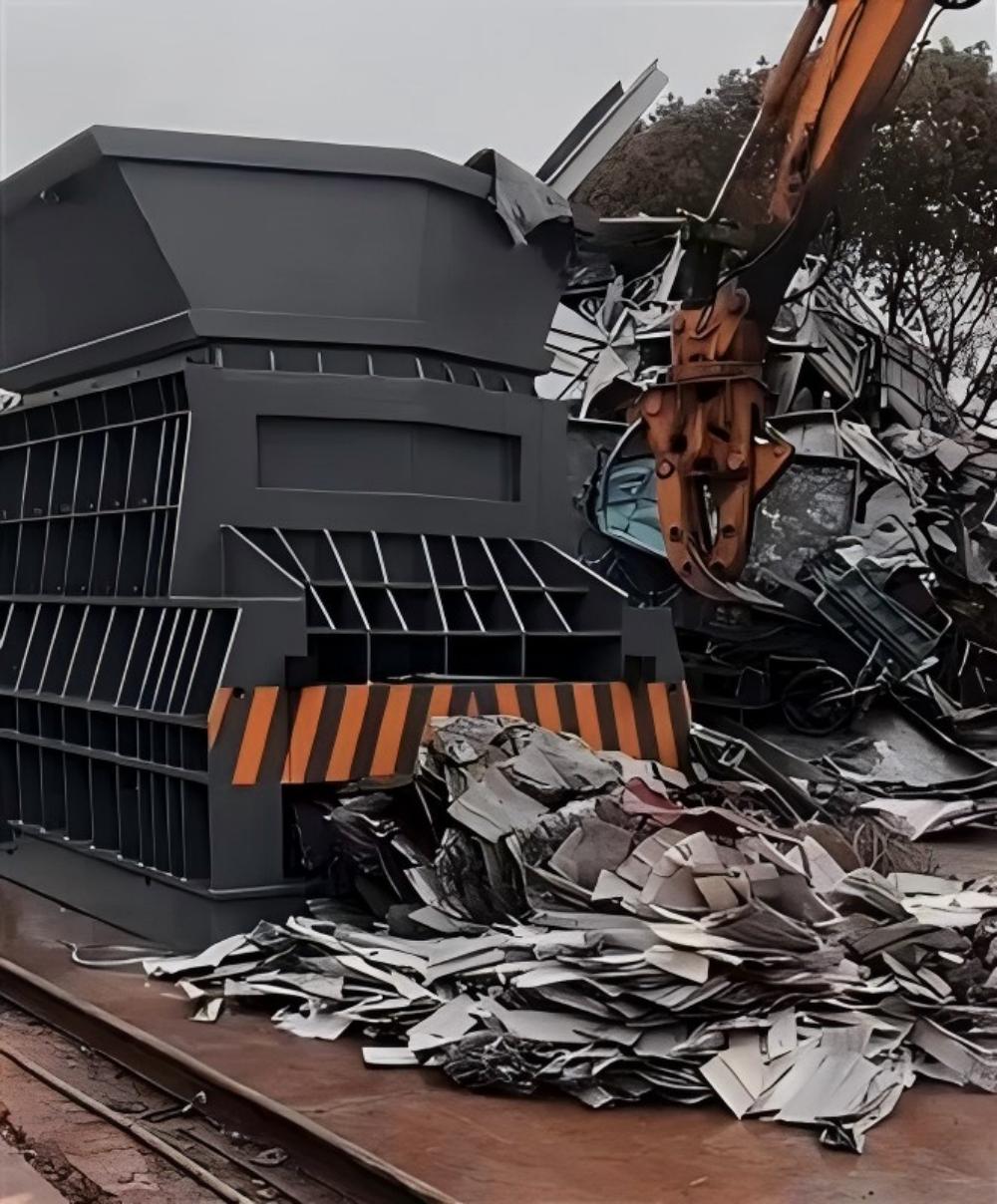
Selection Advice: Choosing the Right Blades for Your Application
When it comes to Container Shear Blade Wear Problems: Signs, Causes, and Maintenance Solutions, the solution often begins with the initial selection of the blade material. Not all blades are created equal. For high-tensile scrap, you require blades with high toughness and impact resistance. For general-purpose shearing, a balanced alloy that offers both wear resistance and durability is typically the best choice. Consulting with HARSLE experts can help you match the blade grade to your specific scrap profile.
Consider the geometry of the blade as well. Different edge profiles are designed for different types of shearing. A double-edged blade allows for flipping, effectively doubling the service life before requiring a regrind. However, ensure that your machine’s mounting system is compatible with the specific blade geometry you choose. Investing in high-quality, precision-ground blades may have a higher upfront cost, but the reduction in downtime and the improved quality of the output make it a highly cost-effective decision in the long run.
Furthermore, look for manufacturers that provide detailed heat-treatment specifications. The depth of the hardened layer is critical; if the hardening is too shallow, the blade will lose its edge quickly after the first regrind. If it is too deep, the blade may become brittle and prone to cracking under impact. A reputable supplier will provide documentation on the metallurgical properties of the blade, ensuring you get the performance you expect.
Finally, always maintain a spare set of blades on-site. The cost of a few hours of downtime due to a broken blade far outweighs the cost of keeping a backup set in inventory. By having a replacement ready, you can perform a quick swap and send the worn blades out for professional regrinding, ensuring your operation never grinds to a halt due to a simple maintenance issue.
Maintenance Solutions and Best Practices
Implementing a robust maintenance schedule is the most effective way to address Container Shear Blade Wear Problems: Signs, Causes, and Maintenance Solutions. Start with a daily checklist: clean the blade area of debris, check for loose mounting bolts, and inspect the cutting edge for visible damage. Tightening bolts to the manufacturer’s specified torque is crucial, as loose blades can vibrate and cause uneven wear or damage to the blade seat.
Establish a regular regrinding schedule. Do not wait until the blade is completely dull to sharpen it. Regular, light regrinding removes less material than a heavy grind required for a severely damaged blade, thereby extending the total life of the component. Always ensure that the grinding process is performed by professionals who understand the importance of maintaining the correct blade angle and surface finish.
Lubrication is often overlooked but is vital for reducing friction. Use high-quality, heat-resistant lubricants on the blade guides and sliding surfaces. This reduces the mechanical load on the shear and prevents the buildup of heat that can degrade the blade material. Additionally, keep the hydraulic system clean and the oil at the correct temperature, as a smooth-running hydraulic system ensures consistent blade speed and force.
Finally, keep detailed maintenance logs. Record the number of cycles, the type of material processed, and the condition of the blades at each inspection. This data will allow you to identify patterns and optimize your maintenance intervals. Over time, you will be able to predict exactly when a blade needs attention, allowing you to schedule maintenance during planned downtime rather than reacting to an emergency failure.
FAQ: Common Questions About Shear Blade Maintenance
- How often should I check my container shear blades?
We recommend a visual inspection at the start of every shift and a more thorough mechanical check every 100-200 operating hours. - Can I sharpen my blades myself?
While minor touch-ups might be possible, professional regrinding is highly recommended to ensure the correct blade geometry and hardness are maintained. - What is the most common cause of blade chipping?
The most common cause is the presence of non-metallic or hardened steel contaminants in the scrap feed. - How do I know if my blade clearance is correct?
Refer to your HARSLE manual for the specific clearance settings based on your material type. Generally, a feeler gauge should be used to verify the gap across the entire length of the blade. - Does the type of scrap affect blade life?
Absolutely. Processing high-tensile steel or abrasive materials will significantly reduce the time between sharpenings compared to processing mild steel.
Conclusion
Managing Container Shear Blade Wear Problems: Signs, Causes, and Maintenance Solutions is a fundamental aspect of running a successful metal fabrication or recycling business. By understanding the signs of wear, identifying the root causes, and implementing a proactive maintenance strategy, you can significantly enhance the performance and longevity of your HARSLE container shear. Remember that the goal is not just to fix problems as they arise, but to create an environment where the machine operates at its peak potential consistently.
Investing in high-quality blades, maintaining proper clearance, and keeping detailed records are the hallmarks of a professional operation. When you prioritize these maintenance practices, you are not just protecting your equipment; you are protecting your bottom line. HARSLE is committed to supporting your operations with the best machinery and the technical knowledge required to keep your production moving forward. If you have further questions or require specific maintenance advice for your model, our team of experts is always ready to assist.