Horizontal Baler Maintenance Checklist to Prevent Common Troubleshooting Problems

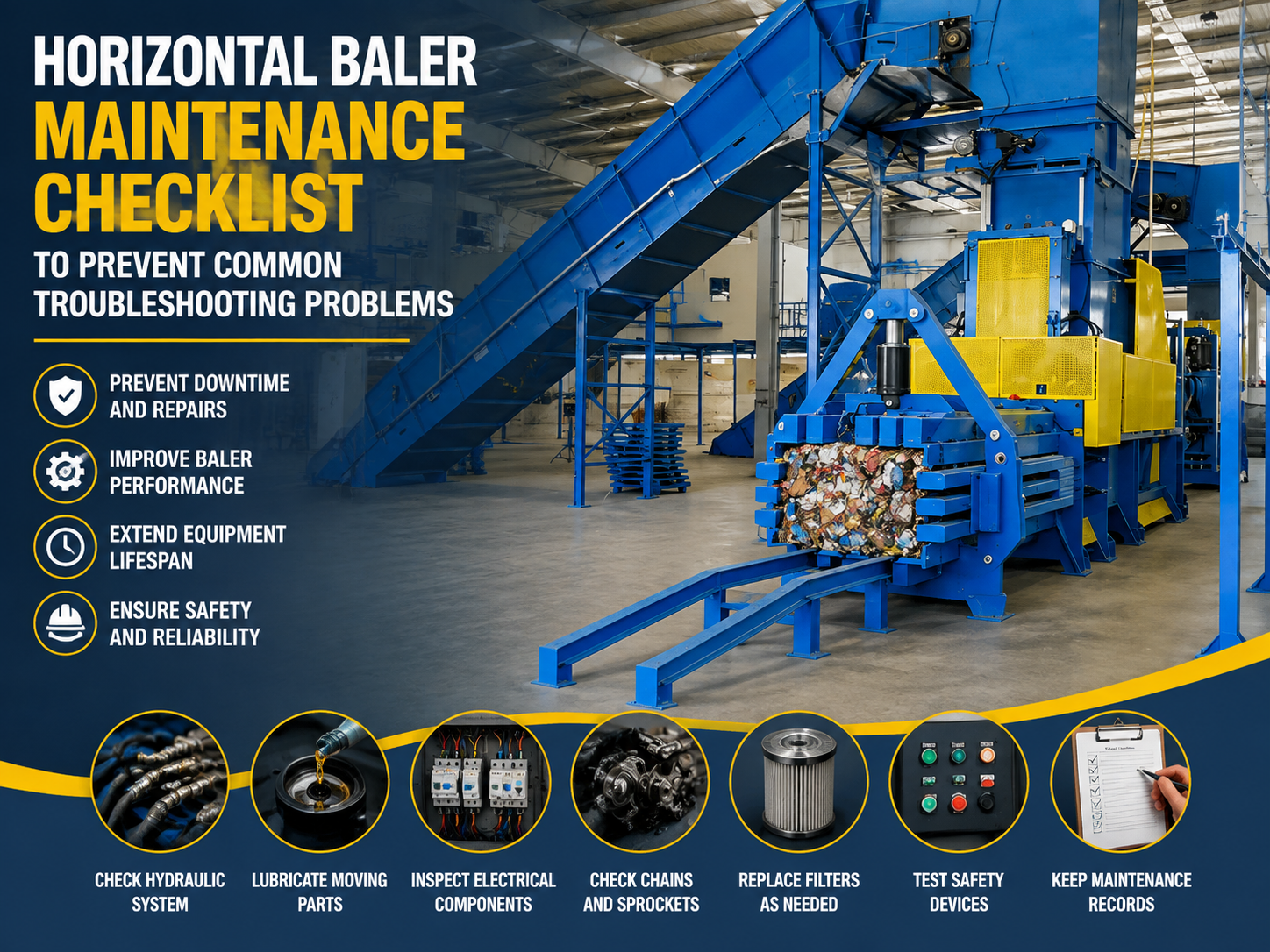
Introduction to Horizontal Baler Maintenance
In the high-stakes environment of metal fabrication and industrial waste management, the horizontal baler stands as a critical piece of infrastructure. These machines are engineered to handle massive volumes of scrap metal, cardboard, and plastic, transforming loose waste into dense, manageable bales. However, the sheer force and repetitive nature of these operations mean that without a rigorous maintenance strategy, even the most robust HARSLE equipment can succumb to wear and tear. Implementing a comprehensive Horizontal Baler Maintenance Checklist to Prevent Common Troubleshooting Problems is not merely an operational suggestion; it is a financial necessity to ensure longevity and safety.
When a horizontal baler experiences downtime, the ripple effect across your production line can be devastating. From backed-up waste streams to halted processing cycles, the costs accumulate rapidly. By understanding the mechanical intricacies of your baler, you can transition from reactive repairs to proactive maintenance. This guide serves as a technical roadmap for facility managers and maintenance technicians to identify potential failure points before they manifest as costly troubleshooting headaches.
The goal of this article is to provide a deep dive into the mechanical, hydraulic, and electrical systems that define modern horizontal balers. We will explore the specific maintenance intervals required to keep your machinery operating at peak efficiency. By adhering to these standards, you protect your capital investment and ensure that your facility remains compliant with safety regulations while maximizing throughput.
Key Considerations for Operational Longevity
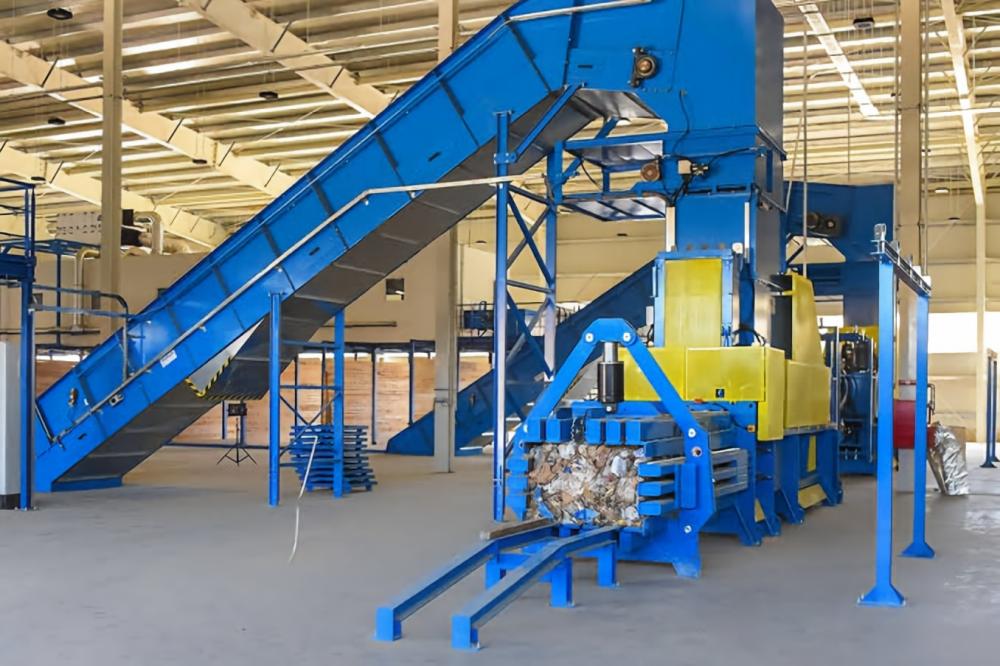
The first step in any effective maintenance program is establishing a culture of daily inspection. Operators are your first line of defense; they are the ones who hear the unusual noises, notice the slight variations in bale density, and observe the early signs of hydraulic leaks. A daily checklist should include a visual inspection of the feed hopper, the ram face, and the surrounding floor area for any signs of debris or fluid accumulation.
Environmental factors play a significant role in the health of your horizontal baler. If the machine is located in an outdoor or semi-exposed environment, moisture and temperature fluctuations can accelerate the degradation of seals and electrical components. Ensure that the area around the baler is kept clean and that the machine is protected from extreme weather conditions. Dust and particulate matter, common in metal fabrication, can infiltrate sensitive sensors and cooling systems, leading to overheating and premature failure.
Lubrication is the lifeblood of any mechanical system. Horizontal balers feature numerous moving parts, including guide rails, cylinders, and pivot points, all of which require consistent lubrication. Using the manufacturer-recommended grease and oil is critical. Over-greasing can be just as detrimental as under-greasing, as it can attract contaminants and lead to overheating in bearings. Always follow the HARSLE maintenance manual for specific lubrication schedules and product specifications.
Finally, consider the importance of operator training. A well-trained operator understands the limitations of the machine and knows how to avoid common pitfalls, such as overfilling the hopper or attempting to bale materials that are outside the machine’s design specifications. Training programs should be refreshed annually to ensure that all staff members are aware of the latest safety protocols and maintenance requirements.
Technical Details: The Anatomy of Maintenance
The hydraulic system is the heart of the horizontal baler. It provides the immense pressure required to compress materials into dense bales. Maintenance of this system involves regular checks of hydraulic fluid levels, pressure gauges, and the condition of hoses and fittings. Contaminated hydraulic fluid is the leading cause of pump failure and valve sticking. Implementing a schedule for fluid analysis can help you detect microscopic wear particles before they cause catastrophic damage to the system.
Electrical systems in modern balers are sophisticated, often incorporating PLCs (Programmable Logic Controllers) and complex sensor arrays. These sensors monitor ram position, bale size, and safety gate status. If a sensor fails, the entire machine may lock out for safety reasons. Regularly cleaning these sensors and checking the integrity of the wiring harnesses is essential. Ensure that all electrical cabinets are sealed properly to prevent the ingress of dust and moisture, which can cause short circuits and erratic machine behavior.
The ram and chamber assembly must be inspected for structural integrity. Over time, the constant impact of heavy materials can cause deformation of the ram face or the chamber walls. If the ram becomes misaligned, it can cause uneven pressure distribution, leading to poor bale quality and increased stress on the hydraulic cylinders. Check the guide rails for signs of excessive wear or scoring. If the ram is not tracking perfectly, it is time to adjust the guides or replace the wear plates.
The tying system, whether manual or automatic, is another critical component. Automatic tying systems are complex mechanisms with many moving parts, including needles, twisters, and cutters. These components must be kept clean and free of debris. A buildup of wire scraps or plastic residue can jam the mechanism, leading to failed ties and loose bales. Regularly inspect the wire tensioners and ensure that the wire path is clear and unobstructed.
Selection Advice: Choosing the Right Equipment
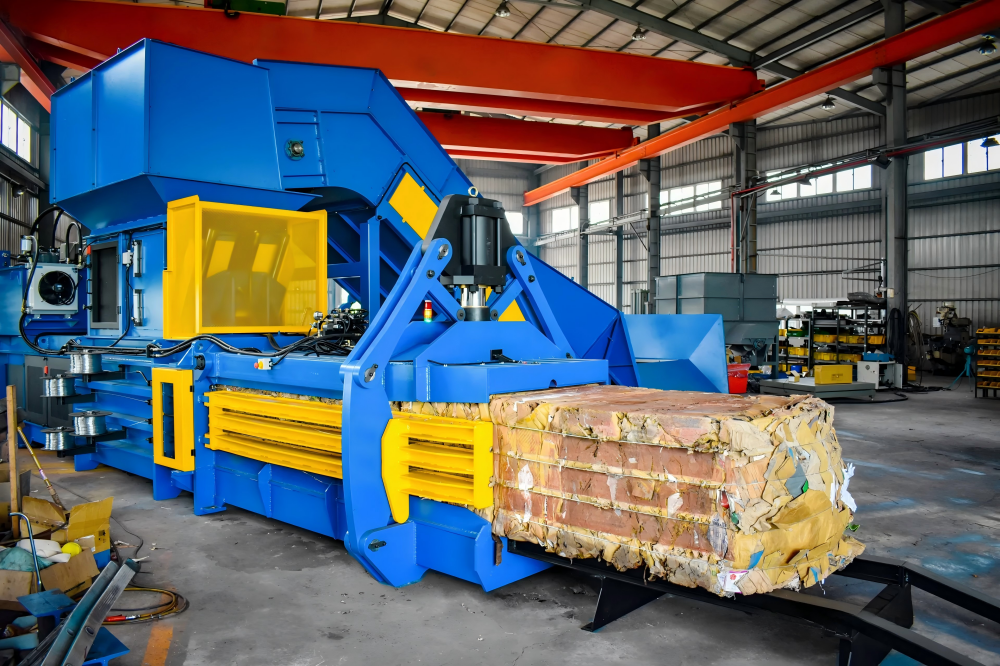
When selecting a horizontal baler, maintenance considerations should be at the forefront of your decision-making process. Not all balers are created equal; some are designed for high-volume, continuous operation, while others are better suited for intermittent use. Choosing a machine that is under-specced for your volume will lead to excessive wear and frequent breakdowns. Always consult with HARSLE experts to determine the throughput requirements of your facility before making an investment.
Look for features that simplify maintenance. For example, machines with easy-access panels for hydraulic components and centralized lubrication points significantly reduce the time required for routine checks. Consider the availability of spare parts and the quality of the manufacturer’s support network. A machine that is easy to maintain but lacks a reliable supply chain for parts is a liability in the long run.
Consider the integration of remote monitoring technology. Modern horizontal balers often come equipped with IoT sensors that provide real-time data on machine health. These systems can alert you to pressure drops, temperature spikes, or impending component failures before they result in downtime. While this technology may increase the initial cost, the return on investment through reduced maintenance costs and increased uptime is substantial.
Finally, evaluate the build quality of the baler. Look for heavy-duty steel construction, reinforced chambers, and high-quality hydraulic components from reputable suppliers. A machine built with durability in mind will require less frequent intervention and will be more forgiving of the harsh conditions typical in metal fabrication environments. Investing in quality upfront is the most effective way to prevent common troubleshooting problems later.
FAQ: Common Troubleshooting Questions
How often should I change the hydraulic oil in my horizontal baler?
Generally, hydraulic oil should be changed every 2,000 to 4,000 operating hours, depending on the intensity of use and environmental conditions. However, we recommend performing an oil analysis every 1,000 hours to check for contamination and viscosity breakdown, which may necessitate an earlier change.
What should I do if the baler ram is stuck?
First, ensure the machine is in a safe state and follow all lockout/tagout procedures. Check for obstructions in the chamber or debris jammed in the ram guides. If the ram is still unresponsive, check the hydraulic pressure gauges to see if the system is reaching the required pressure. If the pressure is low, there may be a pump or valve issue. Never attempt to force the ram manually without professional guidance.
Why are my bales coming out loose or misshapen?
Loose or misshapen bales are often caused by improper material distribution, worn ram guides, or insufficient hydraulic pressure. Ensure the material is being fed evenly into the hopper. If the problem persists, inspect the ram guides for wear and check the hydraulic system for leaks or pressure loss. It could also be an issue with the tying mechanism not securing the wire properly.
How can I prevent electrical sensor failures?
Keep the electrical cabinet and sensor areas clean and free of dust. Ensure all seals are intact to prevent moisture ingress. Regularly inspect wiring for signs of fraying or heat damage. If a sensor is frequently failing, check for vibrations or mechanical misalignment that might be causing the sensor to drift out of position.
Conclusion: Sustaining Performance
The Horizontal Baler Maintenance Checklist to Prevent Common Troubleshooting Problems is a foundational document for any facility manager. By integrating these practices into your daily, weekly, and monthly routines, you create a buffer against the unpredictability of industrial machinery. Remember that maintenance is not an expense; it is a strategic investment in the reliability and productivity of your metal fabrication operations.
HARSLE is committed to providing not only the highest quality industrial machinery but also the knowledge required to maintain it. By staying vigilant, training your staff, and adhering to the technical specifications outlined in this guide, you ensure that your horizontal baler remains a powerful asset for years to come. Do not wait for a breakdown to prioritize maintenance; start today by auditing your current procedures and implementing the steps detailed in this guide.
Ultimately, the success of your baling operation depends on the synergy between the machine’s design and your maintenance efforts. When you treat your equipment with the care it deserves, it will return the favor with consistent performance, reduced downtime, and a safer working environment for your team. Continue to monitor your equipment, keep detailed maintenance logs, and never hesitate to reach out to HARSLE support for technical assistance when needed.