Horizontal Baler Sensor Problems: How to Identify and Correct Failures

Introduction to Horizontal Baler Sensor Systems
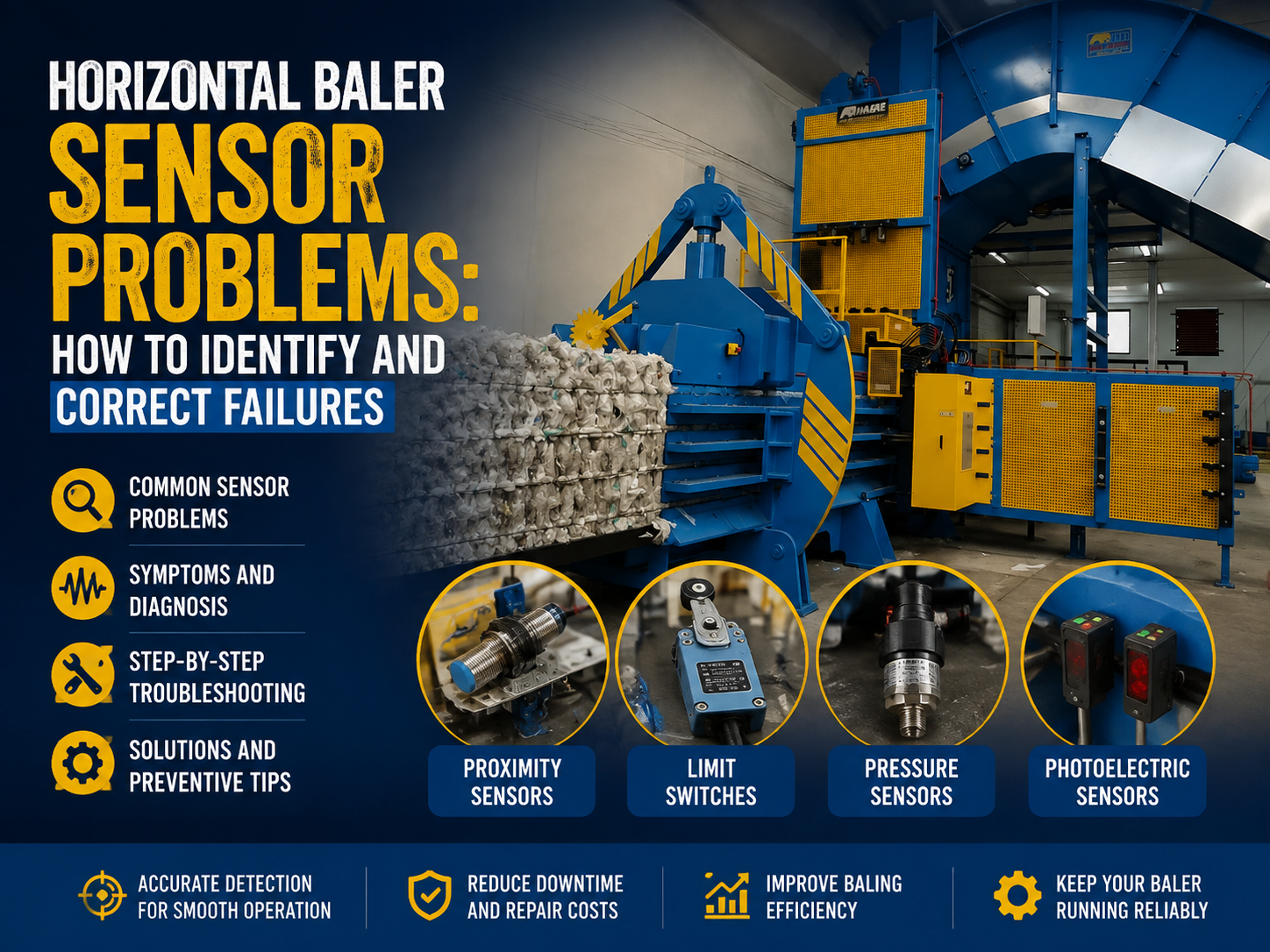
In the high-stakes environment of metal fabrication and waste management, the horizontal baler stands as a cornerstone of operational efficiency. These machines rely on a sophisticated network of sensors to monitor ram position, bale density, door locking mechanisms, and safety interlocks. When you encounter horizontal baler sensor problems, the entire production line can grind to a halt, leading to costly downtime and potential safety hazards. Understanding how these sensors interact with the Programmable Logic Controller (PLC) is the first step toward maintaining a high-performance facility.
HARSLE horizontal balers are engineered for durability, but even the most robust industrial equipment requires precise calibration of its electronic monitoring systems. Sensors act as the eyes and ears of the baler, providing real-time data that dictates the hydraulic cycle. Whether it is a proximity switch detecting the ram’s home position or a pressure transducer monitoring the compaction force, these components are subject to vibration, debris accumulation, and electrical interference. Identifying these issues early is essential for long-term reliability.
This comprehensive guide explores the common horizontal baler sensor problems, how to identify and correct failures, and the best practices for preventative maintenance. By mastering these technical aspects, operators and maintenance teams can ensure their equipment remains compliant with safety standards while maximizing throughput. We will delve into the specific diagnostic procedures required to isolate faulty sensors and restore your baler to peak operational status.
Key Considerations for Sensor Reliability
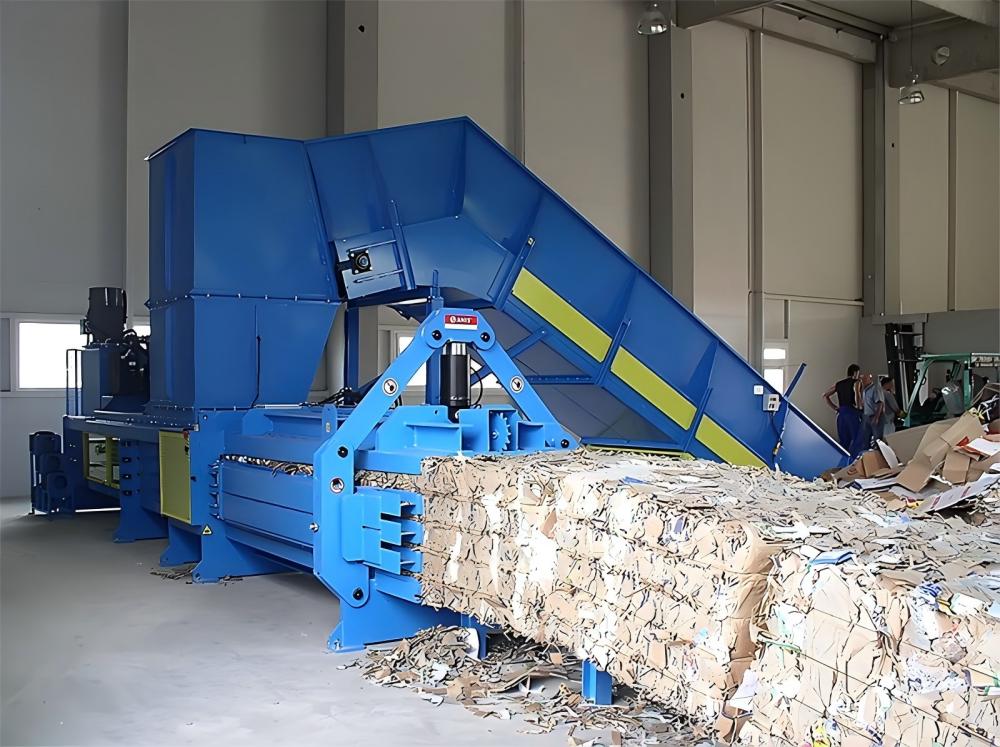
The reliability of a horizontal baler is intrinsically linked to the quality and placement of its sensors. In an industrial setting, sensors are exposed to harsh conditions, including metal dust, hydraulic fluid leaks, and extreme temperature fluctuations. To minimize horizontal baler sensor problems, it is vital to consider the environmental rating of the components. IP67 or IP69K rated sensors are generally recommended for these applications to ensure they can withstand the rigors of a metal fabrication shop.
Another key consideration is the mounting integrity of the sensor. Vibration is the silent killer of industrial electronics. If a sensor bracket is loose or improperly secured, the sensor may drift out of its detection range, leading to intermittent signal loss. Regular inspections should include checking the tightness of all mounting hardware and ensuring that the sensor face is clean and free from metallic buildup, which can interfere with inductive proximity sensors.
Electrical interference, or electromagnetic compatibility (EMC), is another frequent culprit in sensor failure. Horizontal balers utilize high-power motors and hydraulic pumps that can generate significant electrical noise. If sensor cables are routed alongside high-voltage power lines without proper shielding, the PLC may receive false signals. Ensuring that signal cables are shielded and separated from power cables is a fundamental step in preventing ghost signals and erratic machine behavior.
Finally, consider the age and wear of the sensor components. Over time, the internal circuitry of a sensor can degrade, or the sensing face can become pitted due to contact with debris. Establishing a replacement schedule based on machine hours rather than waiting for a total failure can significantly reduce the risk of unexpected downtime. Keeping a stock of critical spare sensors, such as ram position switches and door interlocks, is a best practice for any facility manager.
Technical Details: Identifying and Correcting Failures
When troubleshooting horizontal baler sensor problems, a systematic approach is required. The first step is to consult the machine’s electrical schematic to identify the specific sensor in question. Most modern HARSLE balers feature a PLC interface that displays diagnostic codes. If the machine stops mid-cycle, the PLC will often indicate which sensor is failing to trigger, providing a clear starting point for your investigation.
To identify a faulty sensor, start by checking the LED indicator on the sensor body itself. Most industrial proximity sensors have a built-in light that illuminates when the target is detected. If the sensor is physically positioned over the target (e.g., the ram is at the home position) but the light is off, the sensor is likely defective or has lost power. Use a multimeter to verify that the sensor is receiving the correct input voltage, typically 24V DC, and that it is outputting a signal when triggered.
If the sensor has power but fails to output a signal, check for physical obstructions. Metal shavings or compacted debris can often bridge the gap between the sensor and its target, causing a false “on” state or preventing the sensor from detecting the target entirely. Clean the sensor face with a non-abrasive cloth and compressed air. If the issue persists, the internal circuitry may have failed due to a voltage spike or moisture ingress, necessitating a replacement.
Correcting failures often involves more than just swapping the part. You must ensure the new sensor is calibrated to the correct distance. For inductive sensors, this usually means adjusting the gap between the sensor face and the target metal to within the manufacturer’s specified range—often 2mm to 5mm. If the gap is too large, the sensor will be unreliable; if it is too small, the sensor may be damaged by mechanical contact during the baling cycle.
Selection Advice and Best Practices
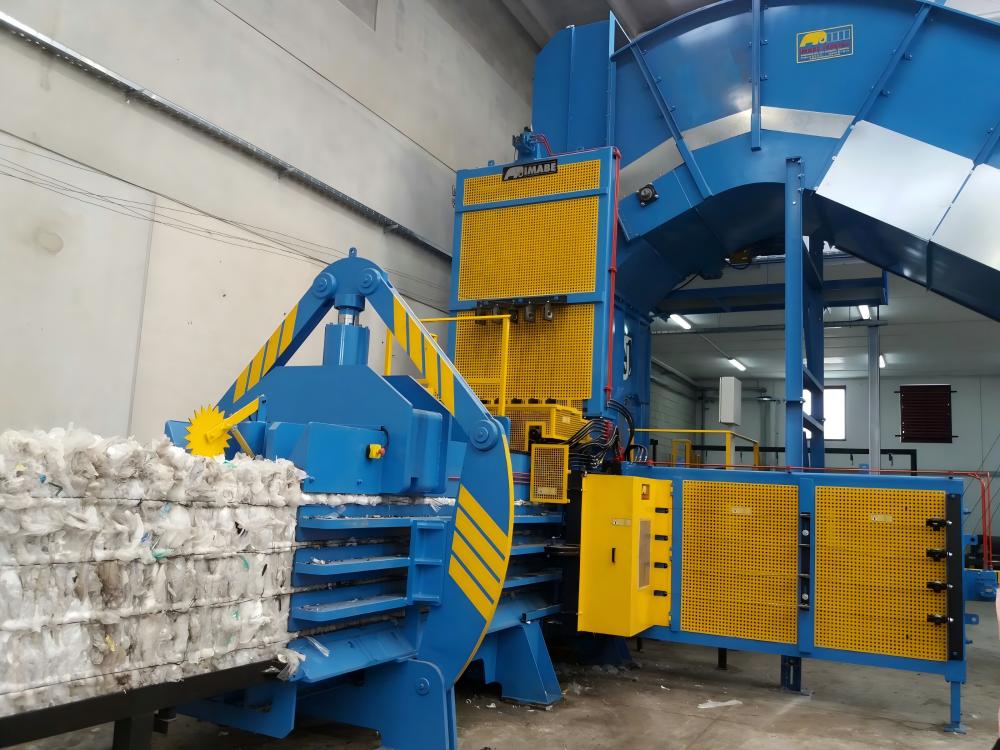
Choosing the right replacement sensor is just as important as the installation process. When selecting sensors for your horizontal baler, prioritize industrial-grade components that are specifically designed for high-vibration environments. Avoid generic, low-cost sensors that lack the necessary shielding or environmental protection. HARSLE recommends using sensors that are compatible with your existing PLC input modules to ensure seamless communication and signal processing.
Consider the type of sensor technology best suited for the application. Inductive proximity sensors are the standard for detecting metal components like the ram or door locks. However, for measuring bale density or hydraulic pressure, you may need analog transducers that provide a variable output signal. Understanding the difference between discrete (on/off) and analog (variable) sensors is crucial for effective troubleshooting and system upgrades.
Another piece of advice is to document every sensor replacement in a maintenance log. By tracking the frequency of failures for specific sensors, you can identify patterns. For example, if a particular door interlock sensor fails every three months, it may indicate a mechanical alignment issue with the door itself rather than a faulty sensor. Addressing the root cause—the mechanical misalignment—will prevent the sensor from failing repeatedly.
Finally, invest in training for your maintenance staff. Understanding the basics of PLC logic and sensor wiring can empower your team to resolve horizontal baler sensor problems quickly without waiting for an external technician. Regular training sessions on the specific HARSLE baler models in your facility will pay dividends in reduced downtime and increased operational safety.
Frequently Asked Questions (FAQ)
Why does my horizontal baler stop mid-cycle?
A mid-cycle stop is often caused by a sensor losing its signal, such as a ram position sensor failing to confirm the ram has reached the end of its stroke. Check the PLC diagnostic screen for error codes and inspect the sensors along the ram path for debris or misalignment.
How do I know if a sensor is bad or if it’s a wiring issue?
Use a multimeter to check for voltage at the sensor terminals. If the sensor has power but does not change state when a metal object is placed in front of it, the sensor is likely faulty. If there is no power at the sensor, the issue is likely a broken wire or a blown fuse in the control cabinet.
Can I bypass a safety sensor to keep the baler running?
Absolutely not. Bypassing safety sensors is extremely dangerous and violates industrial safety regulations. If a safety sensor is faulty, it must be replaced immediately to ensure the protection of your operators.
How often should I clean the sensors on my baler?
In a high-volume metal fabrication environment, sensors should be inspected and cleaned weekly. If you notice a buildup of dust or oil, increase the frequency of inspections to ensure the sensor faces remain clear.
Conclusion
Managing horizontal baler sensor problems is a critical aspect of maintaining a productive and safe metal fabrication facility. By understanding how to identify, troubleshoot, and correct sensor failures, you can significantly reduce downtime and extend the lifespan of your HARSLE equipment. Remember that a proactive approach—regular cleaning, proper mounting, and systematic diagnostic procedures—is always more effective than reactive repairs.
As you continue to operate your horizontal baler, keep these technical insights in mind. Whether you are dealing with a simple proximity switch issue or a more complex transducer failure, the key is to remain methodical and prioritize safety above all else. By following the guidelines outlined in this article, you will be well-equipped to handle the challenges of industrial baler maintenance and ensure your operations run smoothly for years to come.