Why the Horizontal Baler Cutter Is Not Working and How to Solve It: A Comprehensive HARSLE Maintenance Guide

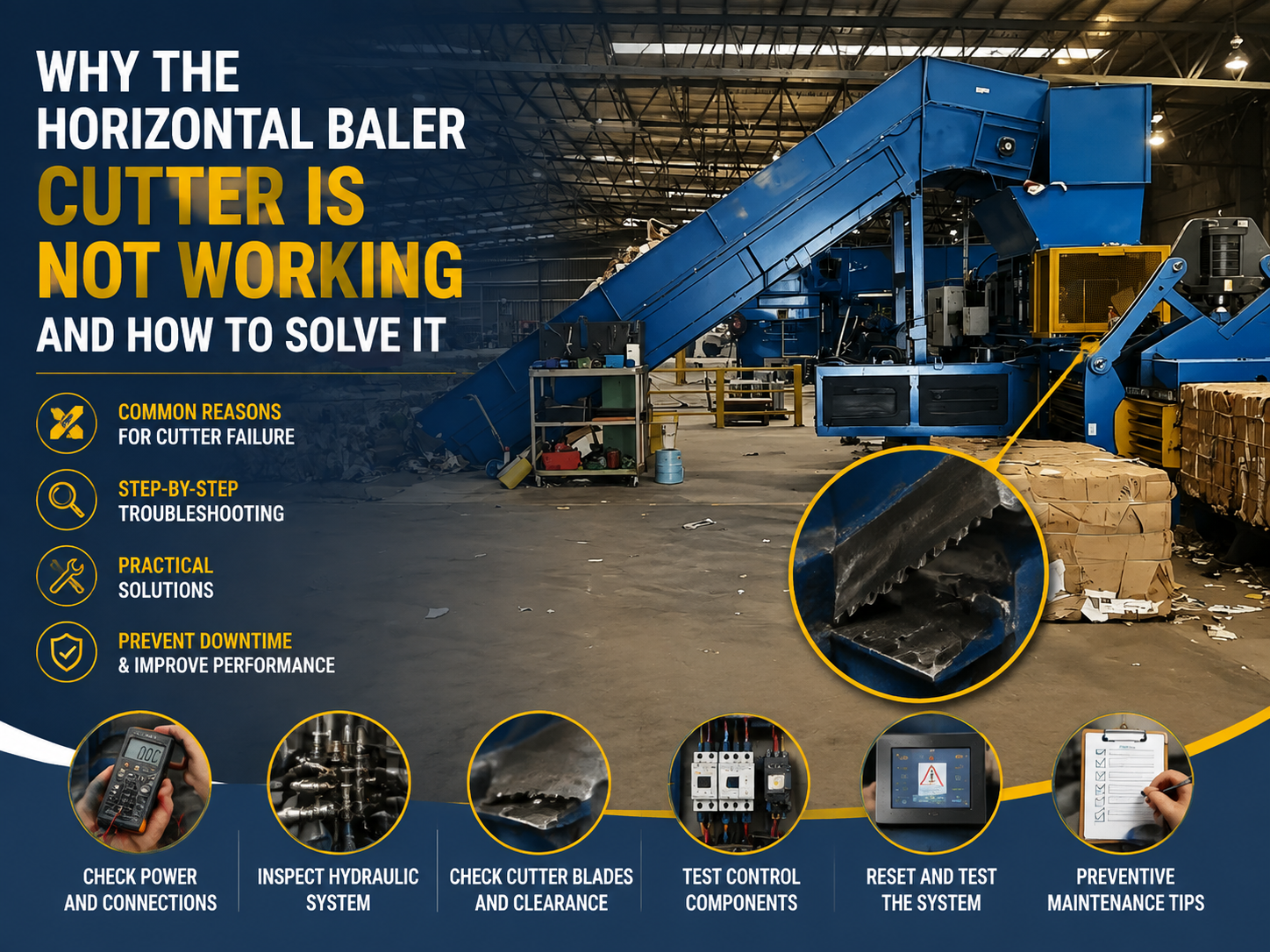
Introduction: Understanding the Critical Role of the Horizontal Baler Cutter
In the high-stakes world of metal fabrication and waste management, the horizontal baler stands as the backbone of efficiency. These machines are designed to compress massive volumes of scrap metal, cardboard, or plastic into manageable, high-density bales. However, the most critical component of this process is the cutter—the heavy-duty blade responsible for shearing off excess material to ensure a clean, uniform bale. When you find that your horizontal baler cutter is not working, it can bring your entire production line to a grinding halt, leading to costly downtime and missed deadlines.
At HARSLE, we understand that industrial machinery is an investment. When a component as vital as the cutter fails, it is rarely due to a single catastrophic event. More often, it is the result of gradual wear, improper maintenance, or operational strain. This guide is designed to help facility managers and operators diagnose why the horizontal baler cutter is not working and how to solve it effectively. By understanding the mechanical nuances of your equipment, you can transition from reactive repairs to proactive maintenance, ensuring your HARSLE machinery operates at peak performance for years to come.
The cutter assembly in a horizontal baler is subjected to immense pressure and abrasive forces. Whether you are processing ferrous metals or high-tensile plastics, the blade must maintain a precise clearance against the counter-blade. If this clearance is compromised, or if the hydraulic force driving the ram is insufficient, the shearing action fails. This article will walk you through the diagnostic steps, safety protocols, and technical adjustments required to restore your baler to full functionality.
Before diving into the technical repairs, it is essential to emphasize safety. Working on industrial balers involves high-pressure hydraulics and sharp, heavy components. Always ensure the machine is locked out and tagged out (LOTO) before performing any inspection or maintenance. Never attempt to clear a jam or adjust a blade while the power is connected. With safety as our priority, let us explore the common reasons why your horizontal baler cutter might be failing and the systematic approach to solving these issues.
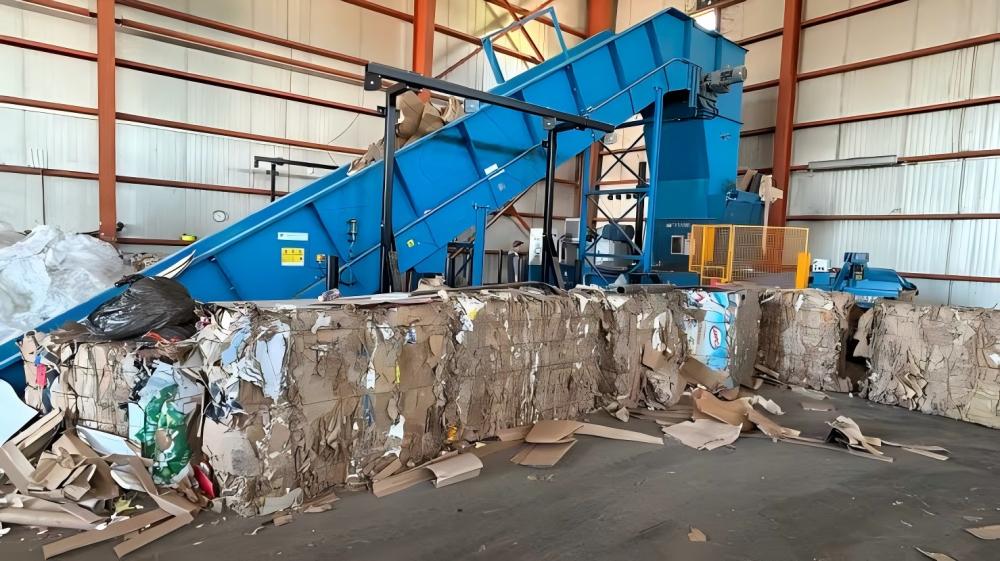
Key Considerations: Diagnosing the Root Cause
When the horizontal baler cutter is not working, the first step is to identify whether the issue is mechanical, hydraulic, or electrical. Mechanical issues are the most common, often stemming from dull blades or improper blade gap settings. If the blade has become chipped or rounded, it will fail to shear the material, causing the ram to stall or the material to bunch up at the shear point. This is a classic sign that the cutting edge has reached the end of its service life and requires sharpening or replacement.
Hydraulic pressure issues are the second most frequent culprit. The shear force required to cut through thick metal or dense waste is immense. If your hydraulic system is leaking, or if the pressure relief valves are set too low, the ram may not have the necessary force to complete the cutting stroke. You should monitor the pressure gauges during the cycle. If you notice a significant drop in pressure as the ram reaches the cutting zone, you are likely dealing with a hydraulic pump inefficiency or a faulty pressure valve that needs immediate calibration.
Electrical and sensor-related failures can also mimic mechanical problems. Modern HARSLE horizontal balers are equipped with sophisticated PLC (Programmable Logic Controller) systems and limit switches that monitor the position of the ram. If a limit switch is misaligned or damaged, the machine may think the ram has completed its stroke prematurely, or it may fail to initiate the cutting sequence entirely. Checking the control panel for error codes is a vital first step in your troubleshooting process.
Finally, consider the material being fed into the machine. Overloading the chamber or introducing materials that exceed the machine’s rated capacity can cause the cutter to jam. If the baler is designed for cardboard but is being used to process heavy-gauge steel, the cutter will inevitably fail. Ensure that your operators are trained on the specific material limitations of your HARSLE equipment. Often, the solution is not a repair, but a change in operational procedure to prevent future strain on the cutting assembly.
Technical Details: Troubleshooting and Solving the Problem
To solve the issue of a non-functional cutter, you must perform a systematic inspection of the blade clearance. The gap between the moving blade and the stationary counter-blade is critical. If this gap is too wide, the material will simply fold over the blade rather than being sheared. Using a feeler gauge, check the clearance across the entire length of the blade. For most industrial balers, this gap should be kept within a very tight tolerance, typically between 0.5mm and 1.5mm, depending on the material density. Adjusting the shims behind the blade is the standard method for correcting this gap.
If the blade is sharp and the clearance is correct, but the cutter is still not working, inspect the hydraulic cylinders. A bypass leak within the cylinder can cause the ram to lose force. This happens when the internal seals wear out, allowing hydraulic fluid to leak from the high-pressure side to the low-pressure side. If you hear a hissing sound during the cutting stroke, it is a strong indicator of internal cylinder leakage. Replacing the cylinder seals is a technical task that may require professional assistance, but it is a necessary step to restore full shearing power.
Another technical aspect to investigate is the condition of the guide rails. The ram must travel in a perfectly straight line to maintain the blade alignment. If the wear pads or guide rails are worn down, the ram may shift or tilt under load. This misalignment causes the blade to strike the counter-blade, leading to catastrophic damage. Regularly inspect the guide rails for signs of uneven wear and replace the wear pads as part of your preventative maintenance schedule. Keeping the rails lubricated is also essential to reduce friction and ensure smooth movement.
Electrical troubleshooting involves verifying the signal path from the sensors to the PLC. Use a multimeter to check the continuity of the limit switches. If a switch is stuck in the ‘open’ position, the PLC will not receive the signal to trigger the next phase of the cycle. Additionally, check the solenoid valves that control the hydraulic flow to the shear cylinder. Sometimes, a simple electrical connection issue or a clogged pilot valve can prevent the hydraulic fluid from reaching the cylinder, effectively disabling the cutter.
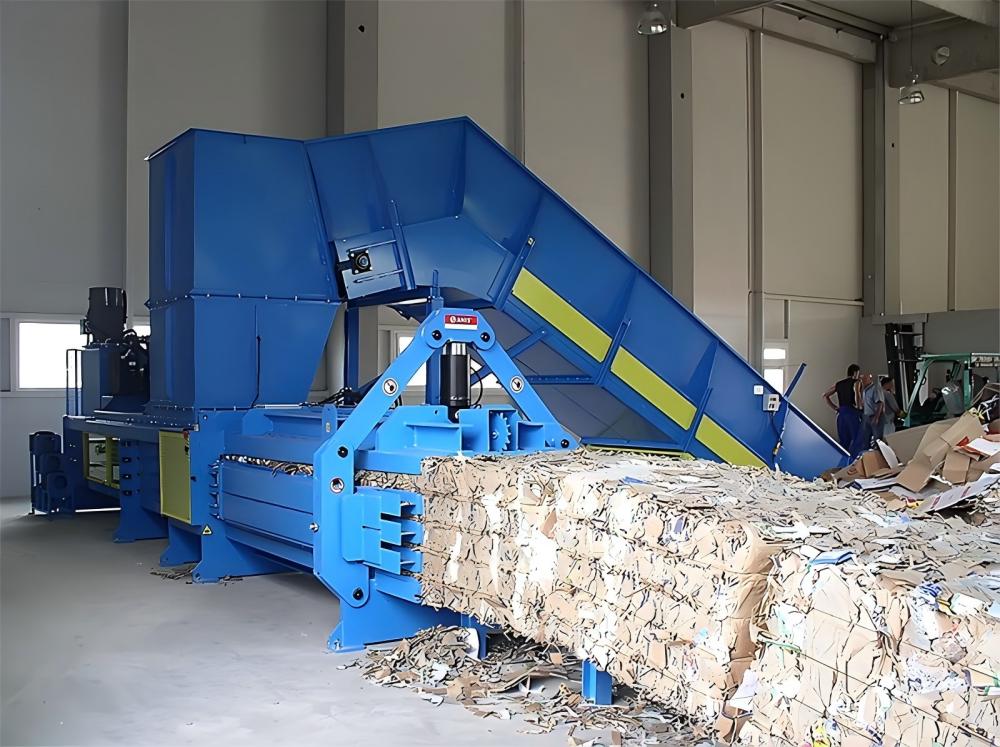
Selection Advice: Choosing the Right Equipment for Your Needs
When selecting a horizontal baler, the cutter design should be a primary consideration. HARSLE offers various configurations, including serrated blades and straight-edge blades, each suited for different material types. If your facility processes mixed waste, a serrated blade is often superior as it provides a ‘sawing’ action that reduces the total force required to shear the material. Choosing the wrong blade type for your specific application is a common reason for premature failure and frequent maintenance requirements.
Consider the structural integrity of the baler frame. A machine that is under-engineered will flex under the pressure of the cutting stroke. This flexing leads to misalignment of the blades, which is why the horizontal baler cutter is not working in many cases. Investing in a heavy-duty, reinforced frame from a reputable manufacturer like HARSLE ensures that the cutting assembly remains stable even under maximum load. Look for machines with high-tensile steel construction and precision-machined guide surfaces.
Automation features can also prevent cutter failure. Modern balers come with auto-reverse functions that detect a jam and automatically retract the ram to clear the obstruction. This prevents the cutter from being forced against an immovable object, which is the leading cause of blade breakage. When shopping for a new baler, prioritize models with advanced PLC diagnostics and jam-detection sensors. These features pay for themselves by reducing the frequency of manual interventions and extending the life of your cutting components.
Finally, consider the availability of spare parts and technical support. A baler is a long-term asset. Ensure that the manufacturer provides easy access to replacement blades, seals, and sensors. HARSLE prides itself on providing comprehensive support, ensuring that when you need a replacement part, it is available and compatible with your specific model. Avoid ‘off-brand’ replacement parts, as they often lack the metallurgical quality required for industrial shearing, leading to faster wear and potential damage to the counter-blade.
FAQ: Frequently Asked Questions
- Q: How often should I sharpen the horizontal baler cutter?
A: The frequency depends on the material processed. For abrasive metals, sharpening may be required every 3-6 months. For cardboard, it may be once a year. Monitor the quality of the bale edges; if they become ragged, it is time for sharpening. - Q: Can I adjust the blade gap myself?
A: Yes, but it requires precision. Use a feeler gauge and follow the manufacturer’s manual. If you are unsure, it is safer to have a trained technician perform the adjustment to avoid damaging the blades. - Q: Why does my baler make a loud banging noise during the cut?
A: This usually indicates that the blade clearance is too wide, causing the blade to ‘slam’ against the material, or that the guide rails are worn, allowing the ram to shift. Inspect both immediately. - Q: What is the most common cause of a jammed cutter?
A: Overloading the chamber or feeding material that is too thick for the machine’s capacity. Always adhere to the manufacturer’s material guidelines. - Q: How do I know if my hydraulic pump is failing?
A: If the cycle time increases significantly or if the baler struggles to reach the required pressure to complete a cut, the pump may be losing efficiency. Check the hydraulic oil temperature and pressure levels.
Conclusion: Maintaining Your HARSLE Baler for Long-Term Success
Solving the issue of a horizontal baler cutter that is not working requires a blend of mechanical knowledge, systematic troubleshooting, and a commitment to preventative maintenance. By regularly inspecting blade clearance, monitoring hydraulic system health, and ensuring that the machine is operated within its design parameters, you can avoid the frustration of unexpected downtime. Remember that the cutter is the heart of your baler’s efficiency; treating it with the care it deserves will ensure your HARSLE equipment remains a productive asset for your business.
At HARSLE, we are committed to the success of our clients. Whether you are troubleshooting a minor alignment issue or looking to upgrade your current machinery, our team is here to provide the expertise you need. Industrial metal fabrication is a demanding field, but with the right equipment and the right maintenance strategy, you can overcome any challenge. Keep your blades sharp, your hydraulics clean, and your operators trained, and your horizontal baler will continue to deliver the high-density, clean-cut bales your operation requires.
If you find that your troubleshooting efforts are not yielding results, do not hesitate to reach out to our technical support team. Sometimes, a fresh pair of eyes or a professional diagnostic check is all that is needed to get your production line moving again. Investing in your machinery is investing in your future—ensure that your horizontal baler is always ready to perform at its best.