How to Troubleshoot a Horizontal Baler With Uneven Bale Density: A Comprehensive Guide

Introduction
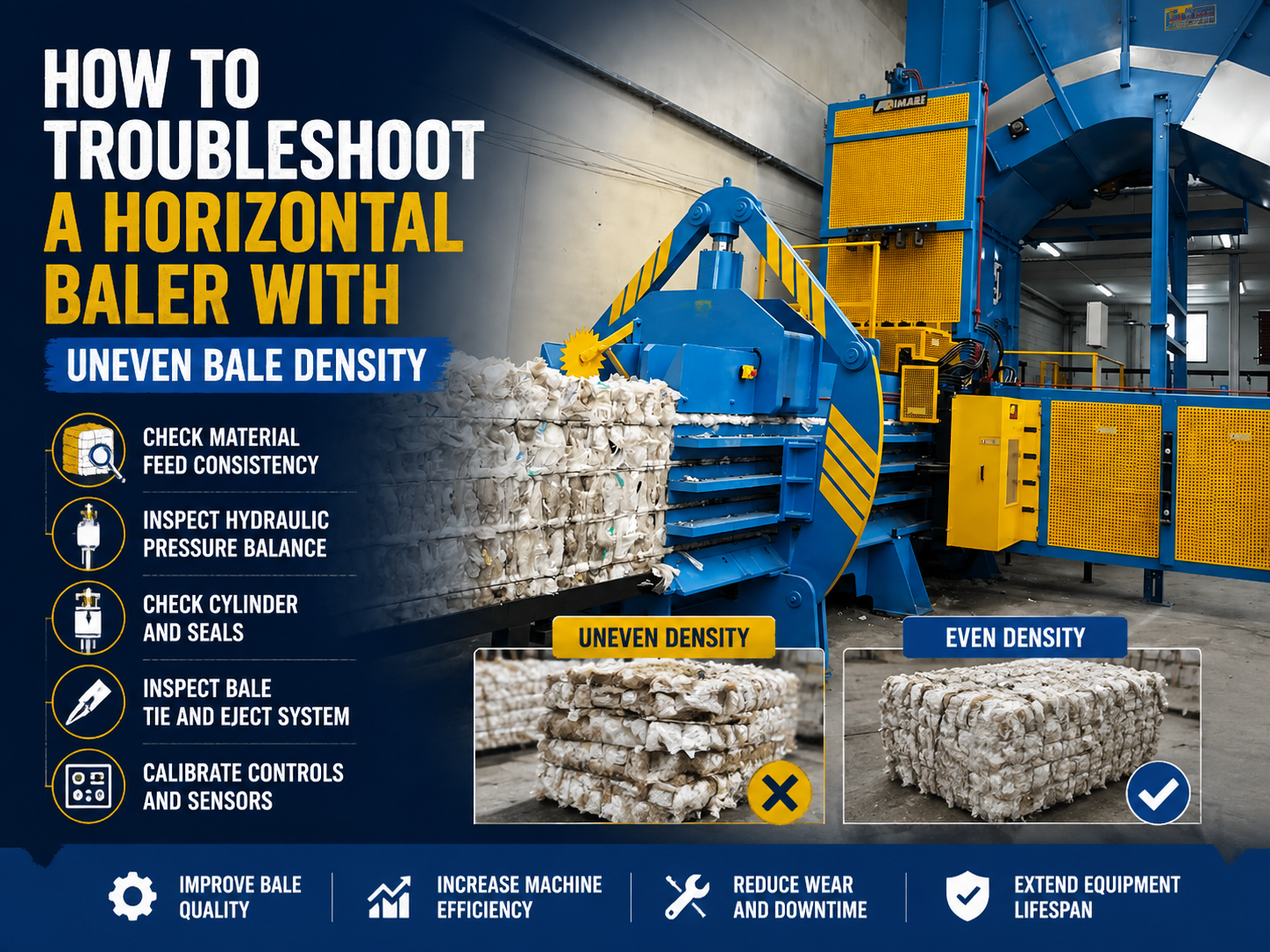
In the world of industrial waste management and metal fabrication, the efficiency of your operations often hinges on the performance of your baling equipment. A horizontal baler is a critical asset, designed to compress loose materials into dense, uniform, and stackable bales. However, operators frequently encounter the frustrating issue of inconsistent bale quality. When you need to troubleshoot a horizontal baler with uneven bale density, it is essential to understand that this problem is rarely caused by a single factor. Instead, it is usually a combination of mechanical wear, hydraulic pressure fluctuations, and material handling inconsistencies.
At HARSLE, we emphasize that a high-quality bale is the hallmark of a well-maintained machine. Uneven density not only compromises the structural integrity of the bale during transport but also leads to increased labor costs and potential safety hazards in your facility. Whether you are processing cardboard, plastics, or light-gauge metal scraps, achieving consistent density is paramount for maximizing your return on investment. This guide provides a deep dive into the technical aspects of baler performance, helping you identify the root causes of density issues and implement effective solutions.
Understanding the mechanics of your horizontal baler is the first step toward long-term operational success. By systematically evaluating your machine’s hydraulic system, feed rate, and structural components, you can prevent downtime and extend the lifespan of your equipment. This article will walk you through the diagnostic process, offering actionable advice for maintenance teams and plant managers who need to ensure their baling operations remain at peak performance levels.
Key Considerations for Bale Density
Before diving into complex mechanical repairs, it is important to consider the operational environment and the nature of the material being processed. Bale density is fundamentally a function of force, time, and material distribution. If the material is not fed into the chamber evenly, the ram will encounter varying levels of resistance, leading to pockets of low density and areas of excessive compression. This is often the most overlooked aspect when operators attempt to troubleshoot a horizontal baler with uneven bale density.
Material moisture content and composition also play a significant role. For instance, if you are baling mixed paper or metal scraps, the moisture levels can change the friction coefficient of the material against the chamber walls. High-friction materials require more force to move through the chamber, and if the hydraulic system is not calibrated to handle these variations, the resulting bale will lack uniformity. Operators should always ensure that the material is pre-sorted and fed at a consistent rate to avoid “bridging” or uneven distribution.
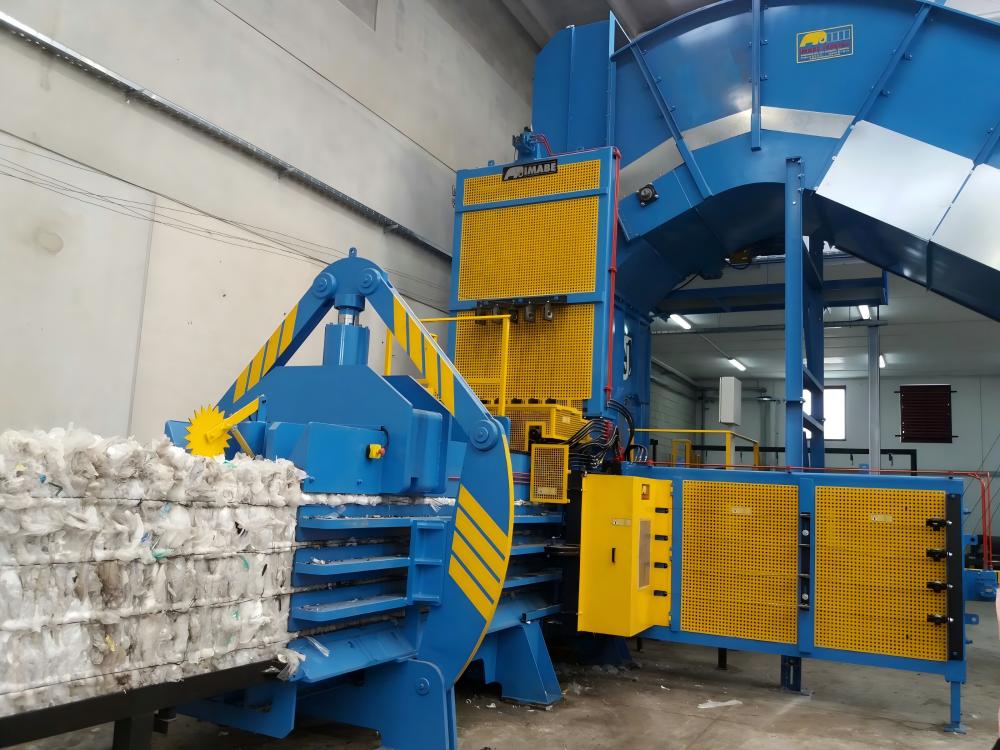
Another key consideration is the condition of the bale chamber liners and the ram face. Over time, these components experience significant abrasion. If the liners are worn or warped, the material can snag or shift during the compression cycle. This creates internal resistance that prevents the ram from applying uniform pressure across the entire surface area of the bale. Regular visual inspections of the chamber interior are necessary to identify these wear patterns before they result in significant density issues.
Finally, consider the settings on your programmable logic controller (PLC). Modern horizontal balers are equipped with sophisticated sensors that monitor ram position and pressure. If these sensors are misaligned or if the software parameters have been altered, the machine may terminate the compression cycle prematurely. Ensuring that your PLC settings match the material density requirements is a fundamental step in the troubleshooting process. Always consult your HARSLE operation manual to verify that your machine’s settings are optimized for the specific material type you are currently processing.
Technical Details: Diagnosing the Hydraulic System
The hydraulic system is the heart of your horizontal baler. When bale density is uneven, the hydraulic pressure is often the primary suspect. A drop in pressure during the final stages of the stroke can prevent the ram from achieving the necessary compaction force. This is often caused by a failing hydraulic pump, a leaking cylinder seal, or a malfunctioning pressure relief valve. If the pump is struggling to maintain pressure, the ram will move slower and with less force, resulting in a “soft” bale.
To troubleshoot this, start by checking the hydraulic fluid levels and the condition of the fluid itself. Contaminated or degraded hydraulic oil can lead to sluggish valve response and internal bypass within the cylinders. If the oil appears milky or contains metallic particles, it is a clear sign of internal component wear that requires immediate attention. Furthermore, check the hydraulic hoses and fittings for external leaks. Even a small pressure drop caused by a leaking hose can significantly impact the total force applied to the bale.
The pressure relief valve is another critical component. If this valve is set too low or is sticking due to debris, it will bypass hydraulic fluid back to the reservoir before the ram reaches its maximum compression force. You should use a calibrated pressure gauge to verify the system pressure against the manufacturer’s specifications. If the pressure readings fluctuate wildly during the compression cycle, it indicates an issue with the pump’s output or a restriction in the hydraulic lines that needs to be cleared.
Finally, consider the condition of the hydraulic cylinders. Internal leakage within the cylinder—often caused by worn piston seals—allows high-pressure oil to bypass the piston. This results in a loss of force that is not always visible from the outside. If you notice that the ram is “drifting” or failing to hold its position under load, it is highly likely that the cylinder seals need to be replaced. Addressing these hydraulic issues is essential to restore the consistent force required for high-density baling.
Selection Advice: Choosing the Right Baler for Your Needs
When you find yourself constantly needing to troubleshoot a horizontal baler with uneven bale density, it may be an indication that your current machine is not suited for your specific application. Selecting the right baler involves matching the machine’s throughput capacity, compression force, and chamber size to your waste stream. If you are attempting to process high-density metal scraps with a baler designed for light cardboard, you will inevitably face performance issues and increased maintenance requirements.
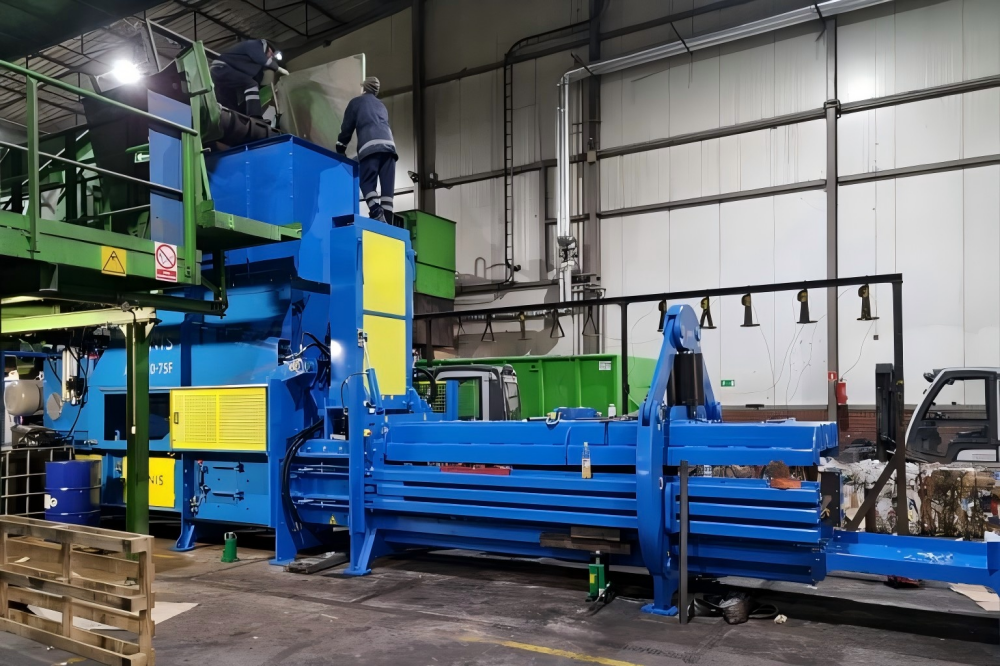
Consider the feed system as a primary selection criterion. For high-volume operations, an automatic conveyor feed is superior to manual or hopper-fed systems because it ensures a steady, consistent flow of material into the chamber. Inconsistent feeding is the leading cause of uneven density. By automating the feed, you remove the human element of variability, allowing the baler to operate within its optimal design parameters consistently throughout the day.
Another factor is the type of baler configuration. For example, closed-end horizontal balers are excellent for smaller facilities, but they require more manual intervention, which can lead to density inconsistencies if the operator does not pack the chamber correctly. Conversely, open-end auto-tie balers are designed for continuous operation and provide superior density control through automated pressure adjustments. If your business is scaling up, upgrading to an auto-tie system might be the most effective way to eliminate density issues permanently.
Finally, look for manufacturers that offer robust support and readily available spare parts. HARSLE provides comprehensive documentation and technical support to ensure that your equipment selection is backed by long-term reliability. When choosing a baler, prioritize machines with heavy-duty construction, high-quality hydraulic components, and advanced PLC systems that allow for precise control over the baling cycle. Investing in the right technology upfront will save you countless hours of troubleshooting and repair in the future.
FAQ: Common Questions About Bale Density
- Q: Why does my bale have a “banana” shape?
A: A curved or “banana” bale is usually caused by uneven material distribution in the chamber. Ensure that the material is being fed evenly across the entire width of the feed opening. - Q: How often should I check my hydraulic pressure?
A: We recommend checking the hydraulic pressure during your weekly maintenance routine. If you notice a decline in bale density, check it immediately. - Q: Can worn chamber liners affect bale density?
A: Yes. Worn liners create friction and uneven resistance, which prevents the ram from compressing the material uniformly. Replace liners as soon as they show signs of significant wear. - Q: Is it possible that my material is too dry?
A: Extremely dry material can sometimes lack the necessary friction to hold a shape, but usually, the issue is related to the compression force. Check your hydraulic system settings first. - Q: What is the ideal bale weight?
A: The ideal weight depends on the material type and the baler’s specifications. Refer to your HARSLE manual for the target bale weight for your specific model.
Conclusion
Troubleshooting a horizontal baler with uneven bale density requires a methodical approach that combines mechanical knowledge with operational discipline. By focusing on the key areas of material distribution, hydraulic system integrity, and machine settings, you can identify the root cause of your density issues and implement lasting solutions. Remember that consistent maintenance is the best way to prevent these problems from occurring in the first place. Regularly inspecting your baler, monitoring hydraulic health, and ensuring that your operators are trained in proper feeding techniques will keep your equipment running at peak efficiency.
At HARSLE, we are committed to providing the metal fabrication and waste management industries with high-performance machinery that stands the test of time. If you have followed these troubleshooting steps and are still experiencing issues, do not hesitate to reach out to our technical support team. We are here to help you optimize your baling process, reduce downtime, and achieve the high-quality, dense bales your business requires. By investing in the right equipment and maintaining it with care, you ensure that your facility remains productive, safe, and profitable for years to come.