Why Is My Horizontal Baler Cycle Time Too Slow? Troubleshooting Tips

Introduction
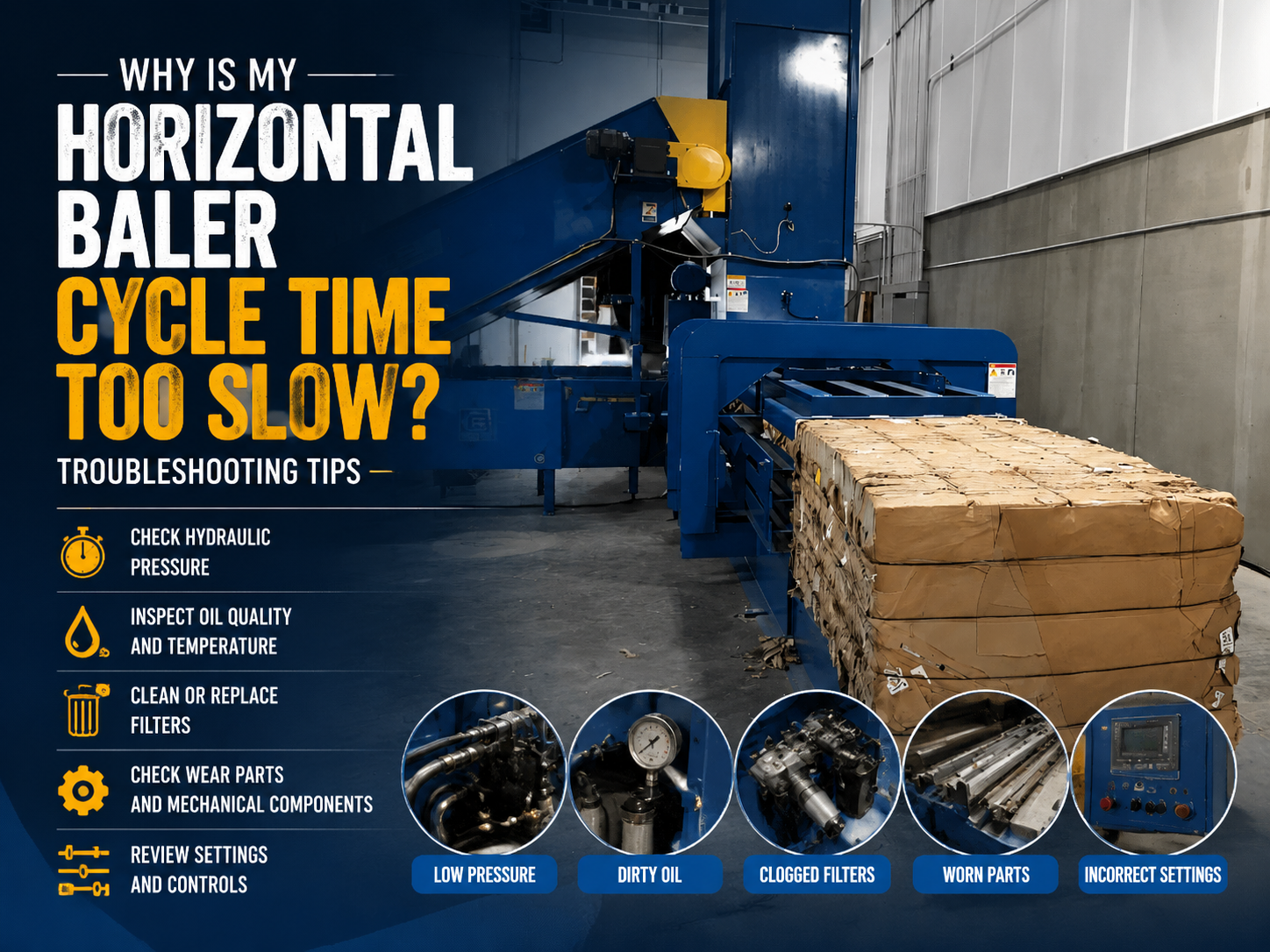
In the high-stakes world of metal fabrication and waste management, efficiency is the lifeblood of your operation. When you ask, “Is my horizontal baler cycle time too slow? Troubleshooting tips are essential to restoring your throughput.” A horizontal baler is designed to provide consistent, high-density compaction, but when the rhythm of your production line falters, it can lead to massive bottlenecks, increased labor costs, and missed shipping deadlines. At HARSLE, we understand that every second counts in an industrial environment.
Slow cycle times are rarely the result of a single catastrophic failure; instead, they are often the cumulative effect of minor hydraulic inefficiencies, sensor misalignments, or mechanical wear. Identifying the root cause requires a systematic approach to your equipment’s health. This guide is designed to help facility managers and maintenance technicians diagnose the most common culprits behind sluggish baler performance and implement long-term solutions.
Whether you are processing aluminum scraps, cardboard, or heavy-duty industrial waste, the principles of hydraulic performance remain consistent. By understanding the interplay between your hydraulic pump, valve blocks, and control systems, you can transform a lagging machine into a high-performance asset. Let’s dive into the technical nuances of horizontal baler optimization.
Key Considerations for Baler Performance
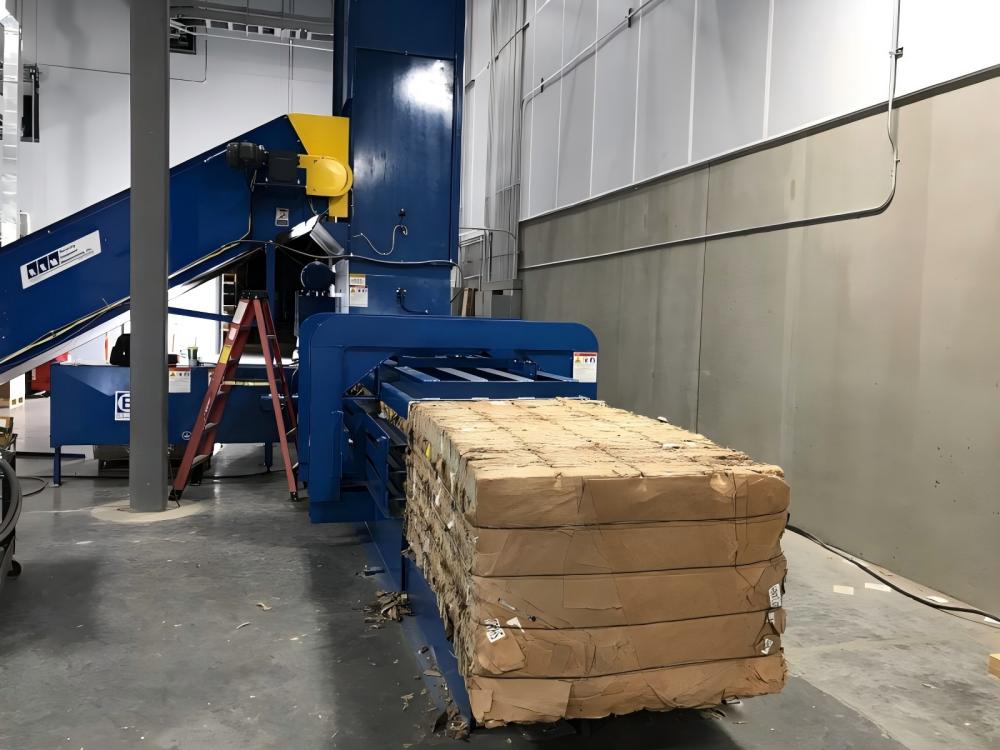
Before tearing into the hydraulic lines, it is vital to evaluate the operational environment. Often, the perception of a “slow” cycle time is actually a symptom of improper material feeding or incorrect settings. The first step in troubleshooting is to observe the machine under load versus its idle state. If the machine cycles quickly without material but slows down significantly under pressure, the issue is likely related to hydraulic pressure settings or material density.
Another key consideration is the consistency of the material being fed. If your baler is designed for specific light-gauge metals but is being fed heavy, oversized scrap, the internal relief valves may be triggering prematurely to protect the machine. This safety feature, while necessary, can significantly extend the time it takes for the ram to complete a full stroke. Ensure that your operators are trained to feed the machine within the manufacturer’s specified density parameters.
Environmental factors also play a significant role. Hydraulic oil viscosity is highly temperature-dependent. In colder climates, if your baler is located in an unheated warehouse, the oil may be too thick during the first few hours of operation, leading to sluggish movement. Conversely, if the oil is overheating, the pump may lose efficiency, leading to a noticeable drop in cycle speed as the day progresses. Monitoring your oil temperature is a simple yet effective diagnostic step.
Finally, consider the electrical control system. Modern horizontal balers rely on PLC (Programmable Logic Controller) inputs to manage the sequence of operations. If a sensor is failing or providing intermittent signals, the machine may pause between stages, waiting for confirmation that a door is closed or a bale is tied. Checking your PLC diagnostics screen for “wait states” can save hours of mechanical troubleshooting by pointing you directly to a faulty sensor or limit switch.
Technical Details: Troubleshooting Hydraulic and Mechanical Systems
The heart of your horizontal baler is the hydraulic power unit (HPU). When cycle times increase, the pump is the first component to investigate. Over time, internal wear in the hydraulic pump can lead to “slippage,” where the pump fails to move the required volume of oil at the necessary pressure. If you notice the motor running normally but the ram moving slowly, it is a strong indicator that the pump is no longer delivering its rated flow.
Valve block issues are another common technical hurdle. Horizontal balers use directional control valves to manage the flow of oil to the main cylinder. If a spool within the valve is sticking or if the pilot pressure is insufficient, the valve may not shift fully or quickly enough. This results in a delay during the transition from the compression stroke to the retraction stroke. Inspecting the solenoid coils and ensuring they are receiving the correct voltage is a critical troubleshooting step.
Hydraulic fluid contamination is the silent killer of cycle times. Particles in the oil can clog filters, restrict flow through orifices, and damage seals. If your hydraulic filters are bypassed or clogged, the system will struggle to maintain pressure, causing the machine to work harder and slower. We recommend a strict preventative maintenance schedule that includes regular oil analysis and filter changes to ensure the hydraulic system remains clean and responsive.
Mechanical friction should not be overlooked. The ram guides and wear plates must be properly lubricated. If the ram is dragging against the chamber walls due to a lack of grease or misaligned guide rails, the hydraulic system must overcome this added resistance, which consumes energy and slows down the cycle. Regularly inspect the chamber for debris buildup that could be obstructing the ram’s path, and ensure that all lubrication points are serviced according to the HARSLE maintenance manual.
Selection Advice: Choosing the Right Baler for Your Throughput
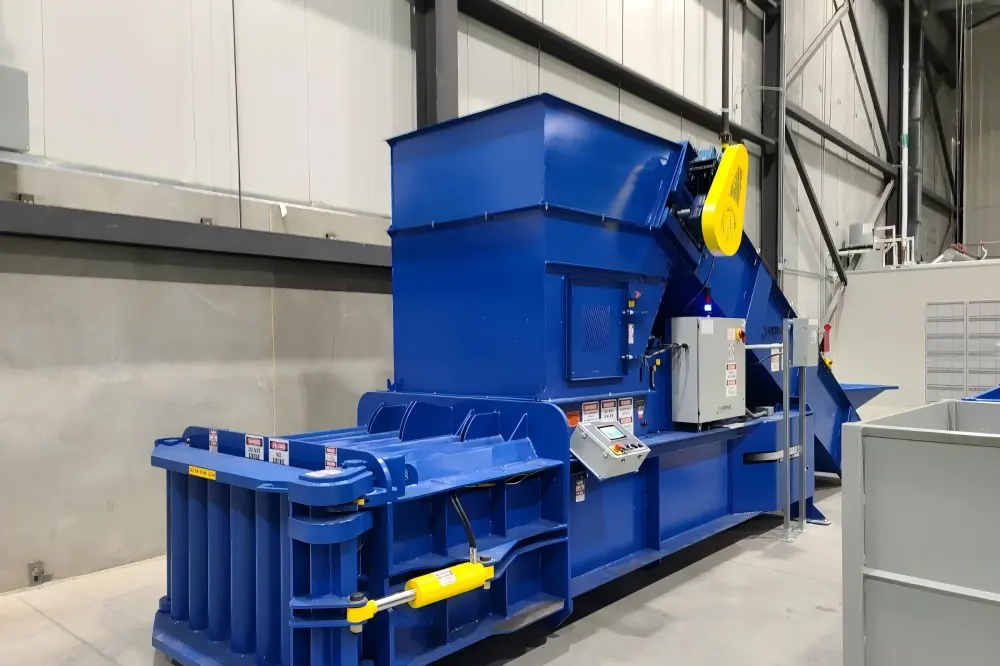
If you find that your current baler is consistently struggling to keep up with your production volume, it may be a sign that you have outgrown your equipment. Selecting the right horizontal baler involves more than just looking at the price tag; it requires an analysis of your material volume, density requirements, and the desired cycle time. A machine that is undersized for your application will always be a source of frustration, regardless of how well it is maintained.
When upgrading, look for balers with high-efficiency hydraulic systems, such as those featuring variable displacement pumps. These systems adjust the flow based on the load, providing high speed when the ram is moving through empty space and high pressure when it is compacting material. This “smart” approach to hydraulics significantly reduces cycle times compared to traditional fixed-displacement systems.
Consider the automation level of the baler. Automatic wire-tying systems can drastically improve throughput by eliminating the manual labor required to tie off bales. If your current baler requires an operator to stop the machine and manually thread wire, you are losing valuable time that could be spent on additional compaction cycles. Investing in an automated system is often the most effective way to increase overall facility output.
Finally, work with a reputable manufacturer like HARSLE to conduct a site assessment. We can analyze your current waste stream and recommend a baler configuration that matches your specific needs. Whether you need a high-speed baler for thin-gauge aluminum or a high-force machine for heavy steel scrap, choosing the right tool for the job is the foundation of long-term efficiency.
FAQ: Common Questions About Baler Efficiency
- Q: How often should I change my hydraulic oil to maintain speed?
A: Generally, hydraulic oil should be changed every 2,000 to 4,000 operating hours, or sooner if an oil analysis indicates degradation or contamination. - Q: Can a low oil level cause slow cycle times?
A: Yes. If the oil level is low, the pump may draw in air, causing cavitation. This leads to erratic movement, noise, and significantly reduced cycle speeds. - Q: Why does my baler slow down only when it is hot?
A: High temperatures reduce the viscosity of the hydraulic oil, which can lead to internal leakage within the pump or valves. Ensure your oil cooler is functioning correctly and that the cooling fan is unobstructed. - Q: Are there specific sensors that commonly fail?
A: Yes, proximity sensors and limit switches that detect the ram position are frequent failure points. If these sensors are dirty or misaligned, the PLC will delay the next step in the cycle. - Q: Does the type of wire used affect cycle time?
A: While the wire itself doesn’t change the ram speed, using the wrong gauge or poor-quality wire can lead to frequent jams in the tying mechanism, which stops the entire machine.
Conclusion
Addressing the question, “Is my horizontal baler cycle time too slow? Troubleshooting tips are your best path to recovery,” requires a blend of mechanical knowledge and operational discipline. By systematically checking your hydraulic health, monitoring your oil temperature, and ensuring your sensors are functioning, you can eliminate the most common causes of downtime. Remember that a well-maintained machine is not just faster; it is safer and more cost-effective in the long run.
At HARSLE, we are committed to helping our customers achieve maximum productivity with our range of industrial metal fabrication equipment. If you have exhausted these troubleshooting steps and are still experiencing performance issues, do not hesitate to reach out to our technical support team. We are here to ensure your baler continues to be a reliable workhorse for your business. Invest in your maintenance today to secure your production efficiency for years to come.