How to Diagnose Low Pressure in a Horizontal Baler Hydraulic System: A Comprehensive HARSLE Guide

Introduction
In the world of high-volume waste management and metal recycling, the horizontal baler stands as the backbone of operational efficiency. When these machines function correctly, they transform loose scrap into dense, manageable bales with ease. However, one of the most common and frustrating issues operators face is a drop in system pressure. Knowing how to diagnose low pressure in a horizontal baler hydraulic system is essential for minimizing downtime and preventing costly long-term damage to your equipment.
At HARSLE, we understand that your production schedule relies on the consistent performance of your metal fabrication equipment. A hydraulic system that fails to reach its rated pressure not only slows down throughput but can also lead to poorly formed bales, increased energy consumption, and excessive wear on internal components. This guide provides a systematic approach to identifying the root causes of pressure loss, ensuring your machinery remains in peak condition.
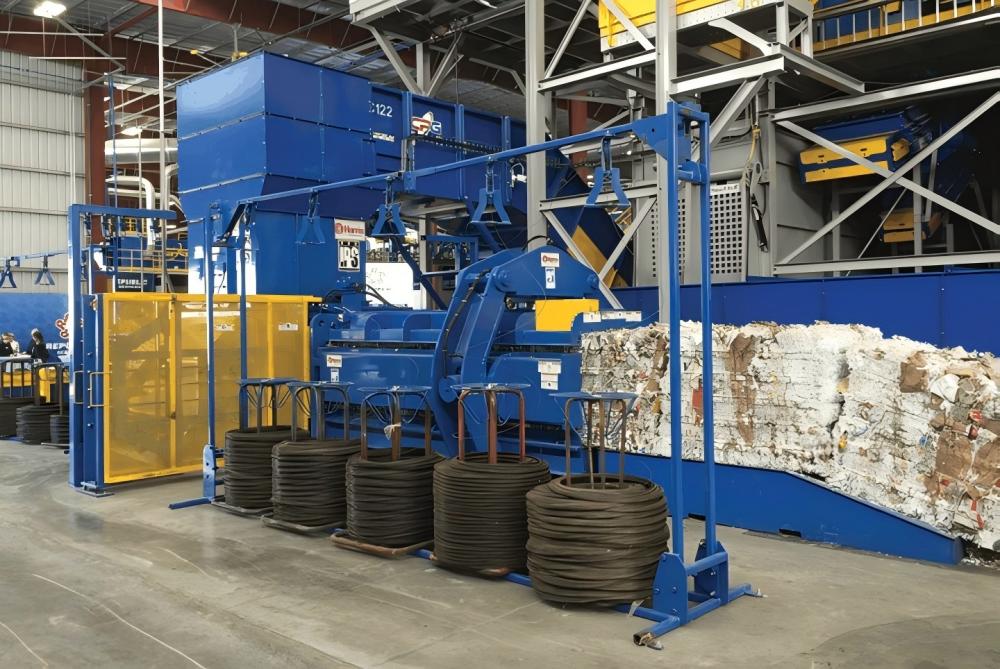
Diagnosing these issues requires a blend of technical knowledge and methodical observation. Whether you are dealing with a slow cycle time or a complete inability to compress material, the hydraulic system is almost always the primary suspect. By following the steps outlined in this article, you can isolate the problem—whether it is a faulty pump, a leaking seal, or a misadjusted relief valve—and restore your horizontal baler to its optimal operating capacity.
Key Considerations for Hydraulic System Health
Before diving into the technical diagnostics, it is important to understand the environment in which your horizontal baler operates. Hydraulic systems are sensitive to temperature, fluid quality, and mechanical stress. A common mistake operators make is assuming that low pressure is always a mechanical failure; often, it is a symptom of poor maintenance or environmental factors that have been ignored over time.
First, consider the hydraulic fluid itself. Fluid viscosity is critical. If the oil is too thin due to overheating, the pump may struggle to build pressure. Conversely, if the oil is too thick or contaminated with debris, it can clog filters and restrict flow. Regularly checking the oil level and quality is the most fundamental step in any maintenance routine. If the oil appears milky, it indicates water contamination, which can lead to internal corrosion and pressure drops.
Second, evaluate the operating temperature. Hydraulic systems generate heat during operation, but excessive heat is a red flag. If your baler is running significantly hotter than usual, the hydraulic fluid may be breaking down, losing its lubricating properties and its ability to maintain pressure. Ensure that your cooling systems, such as oil coolers and fans, are clean and functioning correctly to prevent thermal degradation of the system.
Third, look for external signs of distress. Before opening any valves or removing pumps, perform a visual inspection of all hoses, fittings, and cylinders. A small pinhole leak in a high-pressure hose can cause a significant drop in system pressure while creating a safety hazard. Always use a piece of cardboard to check for leaks rather than your hands, as high-pressure hydraulic fluid can penetrate the skin and cause severe injury.
Finally, keep a detailed maintenance log. Tracking pressure readings over time allows you to identify trends. If the pressure has been gradually declining over several weeks, it likely points to component wear, such as a failing pump or leaking cylinder seals. If the pressure drop was sudden, it suggests a catastrophic failure, such as a blown seal, a broken spring in a relief valve, or a failed pump shaft.
Technical Details: How to Diagnose Low Pressure in a Horizontal Baler Hydraulic System
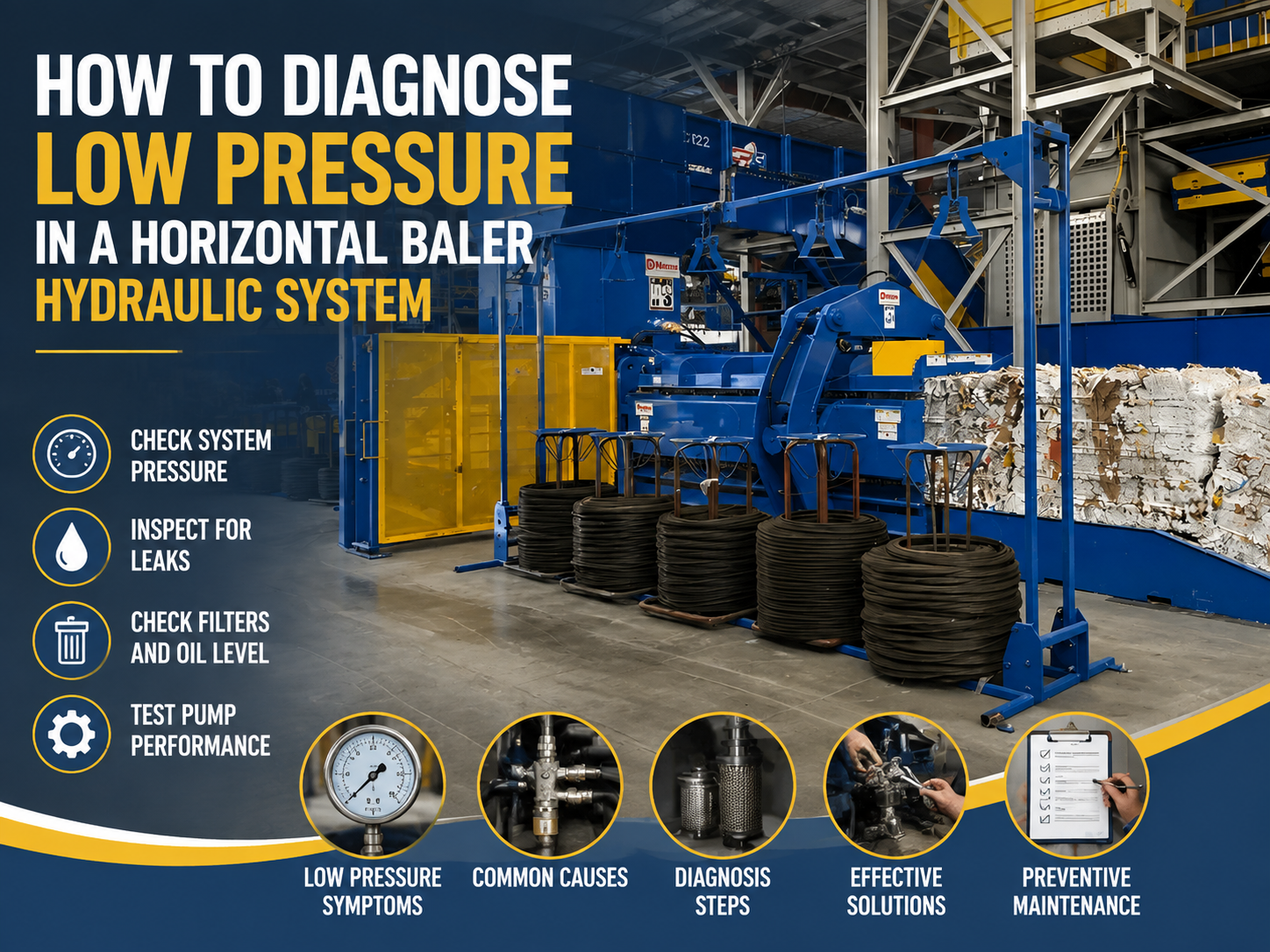
To effectively diagnose low pressure in a horizontal baler hydraulic system, you must follow a logical troubleshooting path. Start by isolating the pump. The hydraulic pump is the heart of the system; if it cannot generate the required flow and pressure, nothing else will work correctly. Use a calibrated pressure gauge to test the output directly at the pump port. If the pressure is low here, the pump is likely worn out or the intake line is restricted.
Next, examine the relief valve. The relief valve is designed to protect the system from over-pressurization, but if it is stuck in the open position or the spring has weakened, it will dump fluid back into the reservoir, preventing the system from reaching its target pressure. Adjusting the relief valve is a common fix, but be careful—always follow the manufacturer’s specifications provided by HARSLE to avoid damaging the system by setting the pressure too high.
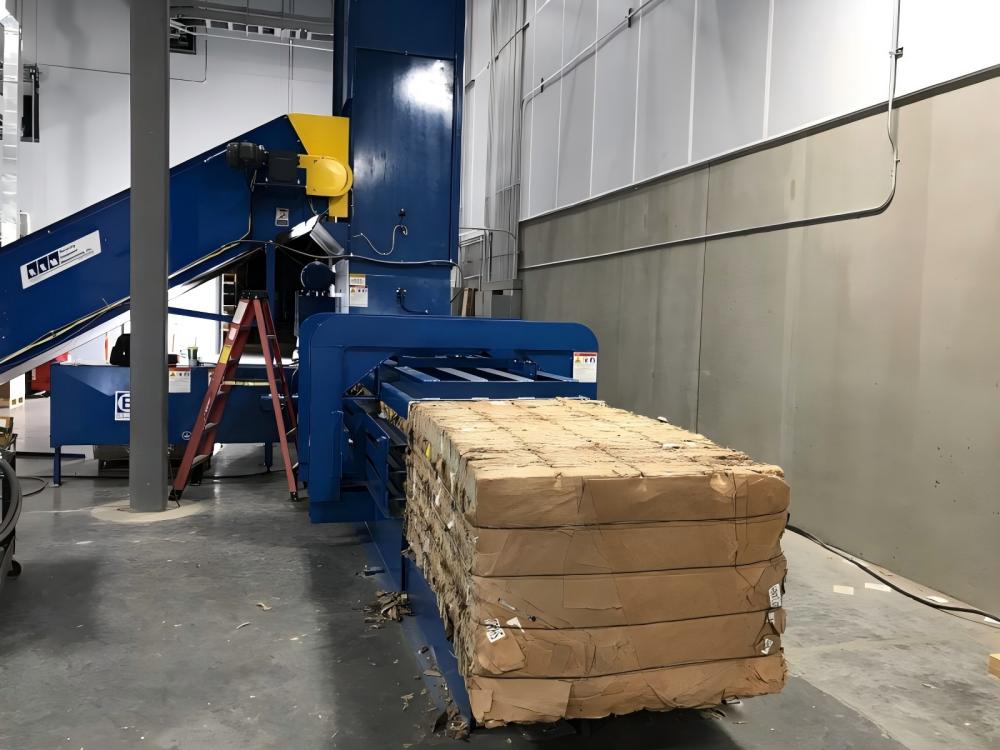
Third, check for internal leakage in the cylinders. A cylinder that is bypassing fluid internally will not hold pressure. To test this, extend the cylinder to its full stroke and block it. If the pressure gauge continues to drop while the pump is running, or if the cylinder drifts back under load, the piston seals are likely worn and need replacement. This is a common issue in older horizontal balers that have seen heavy use.
Fourth, inspect the directional control valves. These valves direct the flow of oil to the various cylinders. If a valve spool is worn or stuck, it may allow fluid to leak internally back to the tank, causing a pressure drop. Listen for a “hissing” sound near the valve bank while the system is under load; this is often an audible indicator of internal fluid bypass.
Fifth, evaluate the suction filter and intake lines. If the pump is starved of oil, it will cavitate, leading to low pressure and loud, grinding noises. Check the suction strainer in the reservoir for clogs. If the intake hose has collapsed or is kinked, it will restrict the volume of oil reaching the pump, preventing it from building the necessary pressure to compress the material in the baler chamber.
Selection Advice: Choosing the Right Components for HARSLE Balers
When you have identified a failed component, choosing the right replacement is just as important as the diagnosis itself. Not all hydraulic parts are created equal. For HARSLE horizontal balers, we strongly recommend using OEM-specified parts to ensure compatibility and performance. Using generic or “will-fit” parts can lead to premature failure and may void your warranty.
When selecting a replacement pump, consider the flow rate and pressure rating. A pump that is too small will not provide the speed required for efficient baling, while a pump that is too large can overload the motor and cause electrical issues. Always match the specifications of the original pump to maintain the balance of the hydraulic system. If you are upgrading, consult with a HARSLE technician to ensure the rest of the system can handle the increased load.
For seals and hoses, prioritize quality and pressure ratings. Hydraulic hoses are rated for specific pressures; using a hose with a lower rating than required is a recipe for a burst pipe. Ensure that all replacement seals are compatible with the type of hydraulic fluid you are using. Synthetic fluids, for example, can degrade certain types of rubber seals, leading to leaks and pressure loss shortly after installation.
Consider the ease of maintenance when selecting components. Some modern hydraulic valves feature modular designs that allow for easier cleaning and adjustment. Investing in high-quality, serviceable components can save you significant time and money in the long run. When in doubt, reach out to the HARSLE support team for guidance on the best replacement parts for your specific model of horizontal baler.
FAQ: Common Questions About Baler Pressure
Q: How often should I check the hydraulic pressure on my horizontal baler?
A: We recommend checking the system pressure as part of your weekly maintenance routine. Keeping a log of these readings will help you spot trends before they become major failures.
Q: Can I adjust the relief valve myself?
A: Yes, you can adjust the relief valve, but only if you have a calibrated pressure gauge and the manufacturer’s manual. Never adjust the valve by “feel” or without verifying the pressure, as this can lead to catastrophic system failure.
Q: What does a loud whining noise from the pump mean?
A: A whining or grinding noise usually indicates cavitation, which means the pump is not getting enough oil. This is often caused by a clogged suction filter, low oil levels, or an air leak in the intake line.
Q: Why does my baler lose pressure only when it is hot?
A: This is a classic sign of internal leakage. As the oil heats up, it becomes thinner and leaks more easily past worn seals or through internal valve clearances. This indicates that it is time to inspect your cylinders and valves.
Q: Is it safe to use a pressure washer to clean the hydraulic area?
A: Be extremely cautious. High-pressure water can force contaminants into hydraulic fittings or damage electrical connections. It is better to use compressed air or a clean rag to wipe down the area.
Conclusion
Learning how to diagnose low pressure in a horizontal baler hydraulic system is a vital skill for any facility manager or maintenance technician. By understanding the relationship between the pump, valves, cylinders, and fluid quality, you can quickly isolate the source of pressure loss and implement a lasting solution. Remember that the key to a long-lasting horizontal baler is proactive maintenance and the use of high-quality, compatible components.
At HARSLE, we are committed to supporting your operations with reliable machinery and expert guidance. If you find yourself facing a pressure issue that you cannot resolve, do not hesitate to contact our technical support team. We have the expertise to help you troubleshoot even the most complex hydraulic problems, ensuring your metal fabrication equipment continues to deliver the performance you expect. Keep your system clean, monitor your pressures, and address minor issues before they become major downtime events.