
What Causes a Horizontal Baler to Overheat and How to Prevent It: A Comprehensive Guide

Introduction
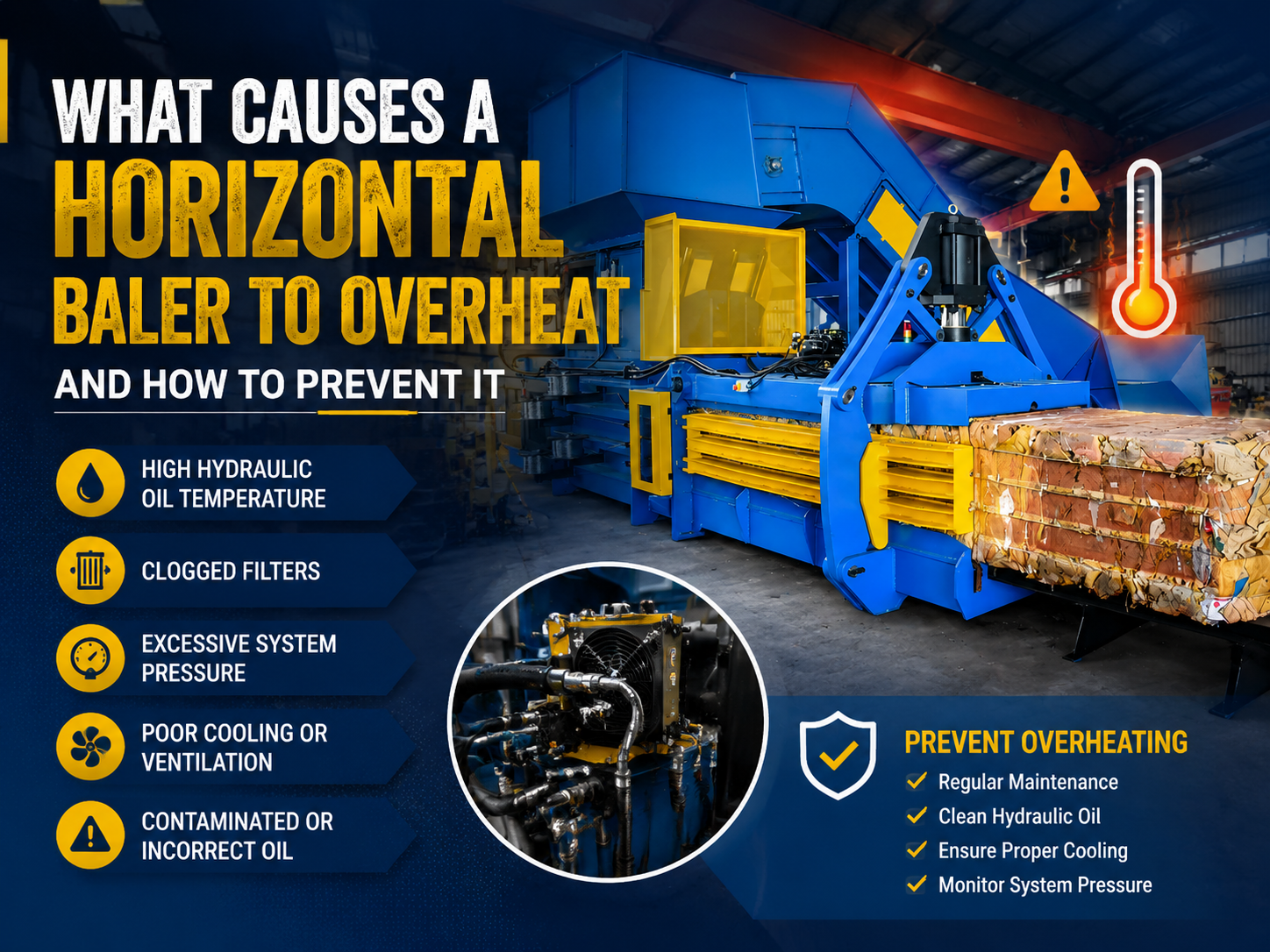
In the high-stakes environment of metal fabrication and waste management, the horizontal baler serves as the backbone of operational efficiency. However, even the most robust industrial machinery can face performance degradation when subjected to thermal stress. Understanding what causes a horizontal baler to overheat and how to prevent it is not merely a maintenance task; it is a critical strategy for protecting your capital investment and ensuring continuous production cycles.
When a horizontal baler operates beyond its thermal threshold, the consequences extend far beyond a simple machine shutdown. Overheating leads to accelerated wear on hydraulic seals, degradation of hydraulic fluid, and potential damage to the pump and motor assemblies. For facility managers and maintenance engineers, recognizing the early warning signs of thermal instability is the first step in avoiding costly downtime and expensive component replacements.
At HARSLE, we emphasize that proactive thermal management is the hallmark of a well-run facility. By integrating proper cooling systems, adhering to strict maintenance schedules, and understanding the operational limits of your equipment, you can significantly extend the lifespan of your horizontal baler. This guide provides a deep dive into the technical factors that contribute to overheating and offers actionable strategies to keep your equipment running within optimal temperature ranges.
Key Considerations for Thermal Stability
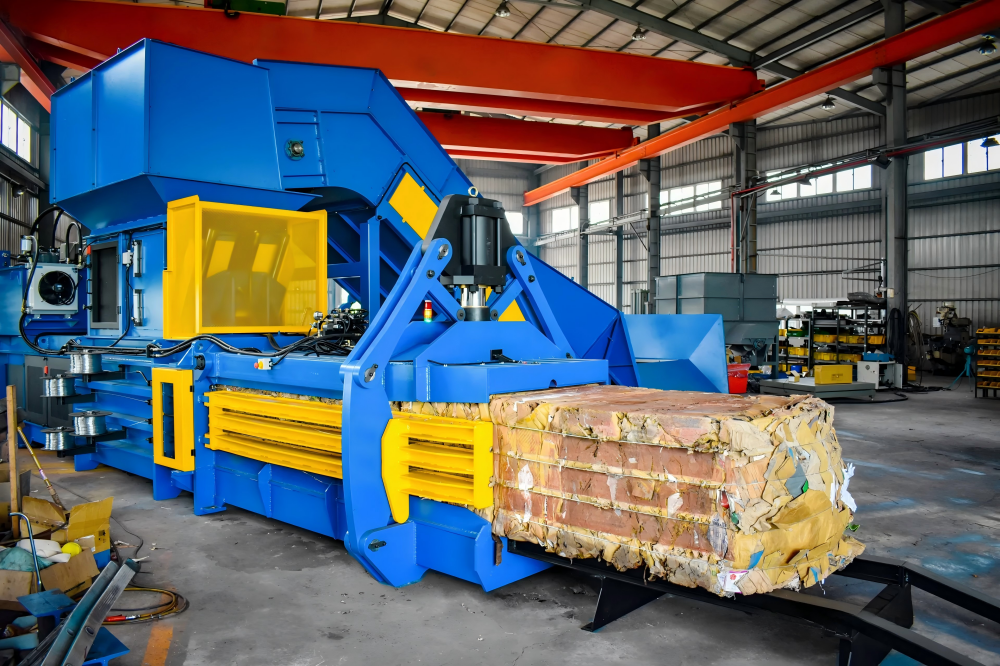
The primary driver of heat generation in a horizontal baler is the hydraulic system. As fluid is forced through valves, hoses, and cylinders under high pressure, energy is converted into heat. If the system cannot dissipate this heat as quickly as it is generated, the temperature of the hydraulic oil rises, leading to a cascade of mechanical issues. Understanding the balance between work output and heat dissipation is vital for any operator.
Environmental factors also play a significant role in the thermal health of your baler. Facilities that lack adequate ventilation or are exposed to extreme ambient temperatures place an additional burden on the cooling system. When the ambient air temperature is high, the heat exchanger’s efficiency drops, making it harder for the machine to maintain a stable operating temperature. Proper facility layout and airflow management are often overlooked but critical components of machine longevity.
Operational load is another key consideration. Pushing a baler to process materials beyond its rated capacity or density forces the hydraulic pump to work harder, generating more internal friction and heat. Operators must be trained to recognize the signs of machine strain, such as unusual noises or slower cycle times, which often precede an overheating event. Consistent, moderate operation is almost always more efficient than pushing the machine to its absolute limits.
Finally, the quality and condition of the hydraulic fluid itself cannot be ignored. Over time, hydraulic oil loses its viscosity and lubricating properties. Contaminated or degraded oil creates more internal resistance, which directly translates to higher operating temperatures. Implementing a rigorous oil analysis program ensures that your fluid is always performing at its peak, providing the necessary lubrication to minimize friction-induced heat.
Technical Details: Why Balers Overheat
The most common technical cause of overheating is a malfunctioning or undersized heat exchanger. The heat exchanger is responsible for shedding the heat absorbed by the hydraulic fluid. If the fins are clogged with dust, debris, or metal shavings, the airflow is restricted, rendering the cooling process ineffective. Regular cleaning of the heat exchanger core is a fundamental maintenance requirement that should never be skipped.
Another frequent culprit is the hydraulic relief valve. If a relief valve is set incorrectly or is stuck in a partially open position, the system may be constantly bypassing fluid under high pressure. This creates a continuous heat-generation loop, even when the baler is not actively compressing material. Periodic calibration of relief valves is necessary to ensure that the system only works as hard as it needs to for the specific task at hand.
Internal leakage within the hydraulic cylinders or the pump is a silent heat generator. When seals wear out, high-pressure fluid can leak internally from the high-pressure side to the low-pressure side. This internal bypass creates significant heat without performing any useful work. Detecting these leaks early through pressure testing and monitoring cycle times can prevent a minor seal failure from becoming a major pump or motor catastrophe.
Furthermore, the choice of hydraulic oil viscosity is critical. Using an oil that is too thick for the operating environment increases internal friction, while oil that is too thin may not provide adequate lubrication, leading to metal-on-metal contact. Both scenarios result in increased heat. Always follow the manufacturer’s specifications regarding oil grade and viscosity, especially when operating in climates with significant seasonal temperature fluctuations.
Preventative Strategies and Maintenance
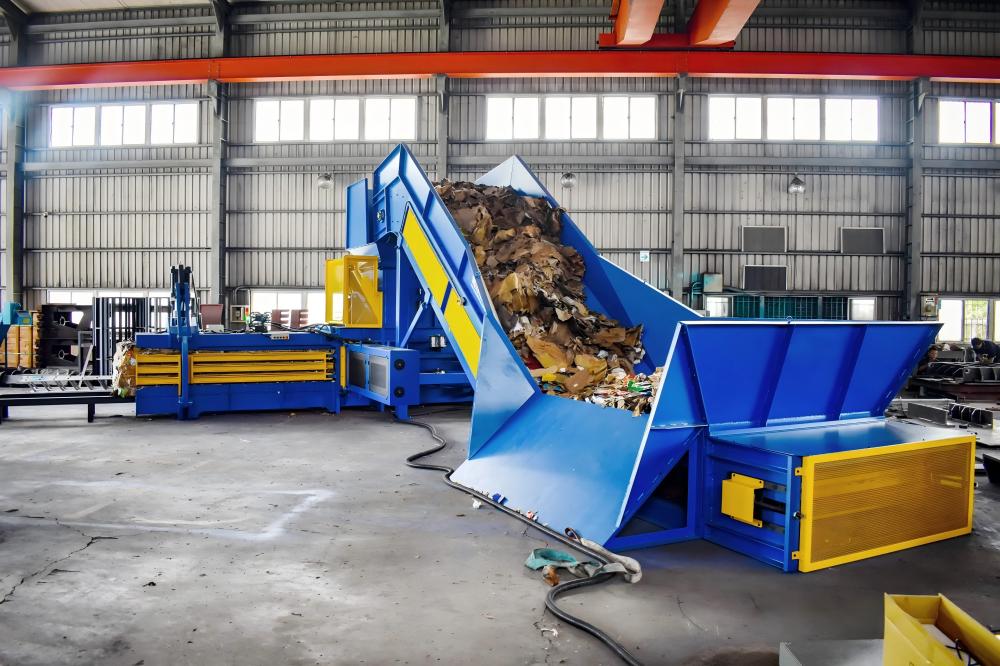
To effectively address the question of what causes a horizontal baler to overheat and how to prevent it, one must adopt a culture of preventative maintenance. The first step is establishing a daily inspection checklist. This should include checking the hydraulic oil level, inspecting hoses for signs of wear or weeping, and ensuring that the cooling fan is operational and free of obstructions. A clean machine is a cool machine.
Implementing a scheduled oil change and filtration program is equally important. Hydraulic filters should be replaced according to the manufacturer’s intervals, or sooner if the system shows signs of contamination. High-quality filters remove microscopic particles that cause wear, thereby reducing the friction that leads to heat. Additionally, using a high-performance hydraulic oil with anti-wear additives can significantly improve the thermal stability of the system.
Consider the installation of a temperature monitoring system. Modern industrial balers can be equipped with sensors that provide real-time data on hydraulic oil temperature. By setting up automated alerts, maintenance teams can intervene before the machine reaches a critical temperature. This data-driven approach allows for predictive maintenance, where components are replaced based on their actual condition rather than a fixed schedule.
Finally, ensure that your operators are properly trained. An operator who understands the relationship between cycle frequency, material density, and hydraulic heat is the best defense against overheating. Encourage operators to allow the machine to “rest” during peak ambient heat hours if the baler is not equipped with a heavy-duty cooling system. Proper training turns the operator into an active participant in the machine’s maintenance program.
Selection Advice: Choosing the Right Baler
When selecting a horizontal baler, it is essential to match the machine’s specifications to your specific throughput requirements. An undersized baler will be forced to run continuously at maximum capacity, which is a recipe for overheating. Always opt for a machine with a slightly higher capacity than your current needs to allow for future growth and to ensure the machine operates well within its comfort zone.
Evaluate the cooling capacity of the baler you are considering. Does it come with an air-cooled or water-cooled heat exchanger? In environments with high ambient temperatures, a water-cooled system or an oversized air-cooled system may be necessary. Discuss your facility’s climate and operational hours with your HARSLE representative to ensure the cooling solution is adequate for your specific environment.
Look for features that enhance energy efficiency. Variable frequency drives (VFDs) and load-sensing hydraulic pumps are excellent additions that reduce energy consumption and heat generation. By adjusting the flow and pressure based on the actual demand, these technologies prevent the system from working harder than necessary, effectively keeping the oil temperature lower during idle or low-load periods.
Lastly, consider the build quality and the reputation of the manufacturer. High-quality components, such as premium-grade seals, robust pumps, and well-engineered hydraulic circuits, are inherently more resistant to heat-related failure. Investing in a reputable brand like HARSLE ensures that you are getting equipment designed with thermal management as a core engineering principle, rather than an afterthought.
FAQ: Common Questions About Baler Overheating
- Q: How often should I clean the heat exchanger?
A: In dusty environments, the heat exchanger should be inspected and cleaned weekly. In cleaner environments, a monthly inspection is usually sufficient. - Q: Can low oil levels cause overheating?
A: Yes. Low oil levels reduce the system’s ability to dissipate heat, as there is less fluid to circulate and absorb the thermal energy generated by the pump. - Q: What is the ideal operating temperature for a horizontal baler?
A: Most hydraulic systems operate best between 40°C and 60°C (104°F – 140°F). Temperatures consistently exceeding 70°C (158°F) are cause for concern. - Q: Does the type of material being baled affect heat?
A: Yes. Denser materials require higher pressure to compress, which increases the load on the hydraulic system and generates more heat. - Q: Should I use a synthetic hydraulic oil?
A: Synthetic oils often have better thermal stability and viscosity indices than mineral oils, making them an excellent choice for machines prone to overheating.
Conclusion
Managing the thermal health of your horizontal baler is a fundamental aspect of industrial efficiency. By understanding what causes a horizontal baler to overheat and how to prevent it, you can avoid the pitfalls of unplanned downtime and premature equipment failure. From regular cleaning of heat exchangers to the strategic selection of hydraulic components, every action taken to manage heat is an investment in the longevity of your machinery.
HARSLE remains committed to providing the metal fabrication industry with equipment that is not only powerful but also reliable and easy to maintain. By following the guidelines outlined in this article, you can ensure that your horizontal baler continues to perform at its peak, delivering consistent results day after day. Remember, the most effective maintenance is the kind that happens before a problem arises. Stay vigilant, keep your systems clean, and prioritize the thermal health of your equipment to maximize your operational success.












