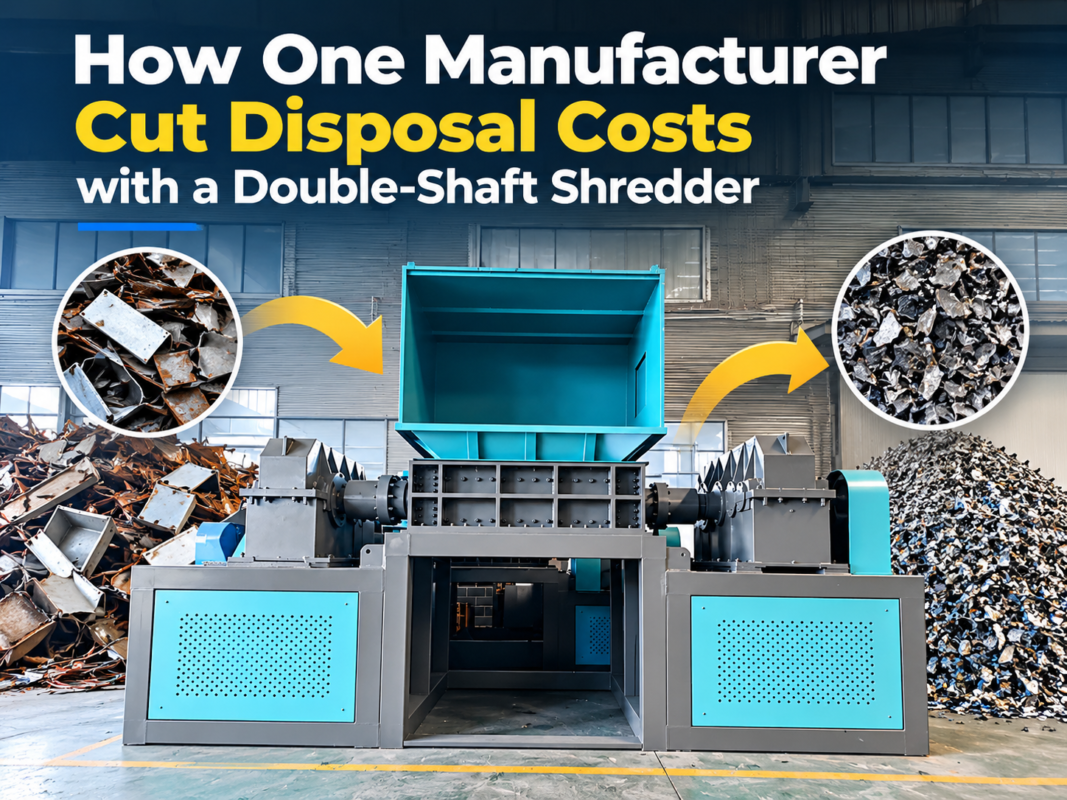
Horizontal Baler Ram Sticking? Troubleshooting Steps for Faster Recovery

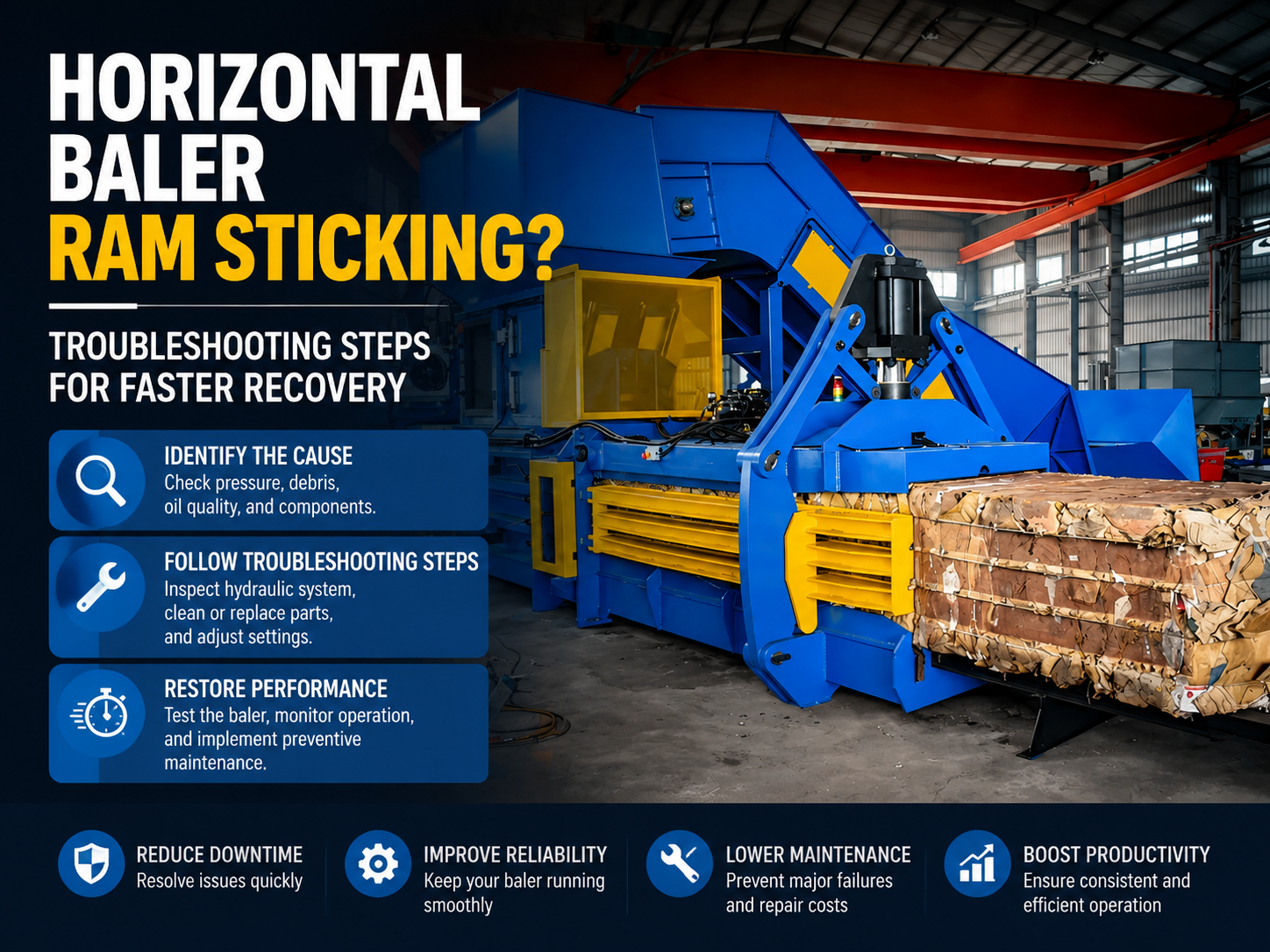
Introduction: Understanding the Horizontal Baler Ram Sticking Issue
In the high-pressure environment of a metal fabrication or recycling facility, the horizontal baler serves as the backbone of waste management and material compaction. When you encounter a horizontal baler ram sticking? Troubleshooting steps for faster recovery become the most critical priority for your maintenance team. A stalled ram not only halts production but can also lead to significant financial losses if not addressed with precision and speed. At HARSLE, we understand that efficiency is the lifeblood of your operations, and downtime is the enemy of profitability.
The phenomenon of a stuck ram is rarely the result of a single catastrophic failure. Instead, it is often the culmination of cumulative wear, debris buildup, or hydraulic inconsistencies that go unnoticed until the machine reaches its limit. By identifying the root cause early, operators can implement corrective measures that restore functionality without requiring a complete system overhaul. This guide is designed to walk you through the diagnostic process, ensuring your equipment remains operational and your facility stays productive.
When dealing with a horizontal baler ram sticking? Troubleshooting steps for faster recovery require a systematic approach. We will explore the mechanical, hydraulic, and electrical components that contribute to this common issue. From checking pressure relief valves to inspecting the chamber for material bridging, every step is vital. Our goal is to provide you with a comprehensive manual that empowers your technicians to handle these challenges with confidence and technical expertise.
As we delve into the technical aspects, remember that safety is paramount. Before performing any inspection or repair, ensure that the machine is locked out and tagged out according to industrial safety standards. Never attempt to clear a jam while the hydraulic system is under pressure. With the right knowledge and safety protocols, you can transform a frustrating mechanical failure into a routine maintenance task, keeping your HARSLE equipment running at peak performance for years to come.
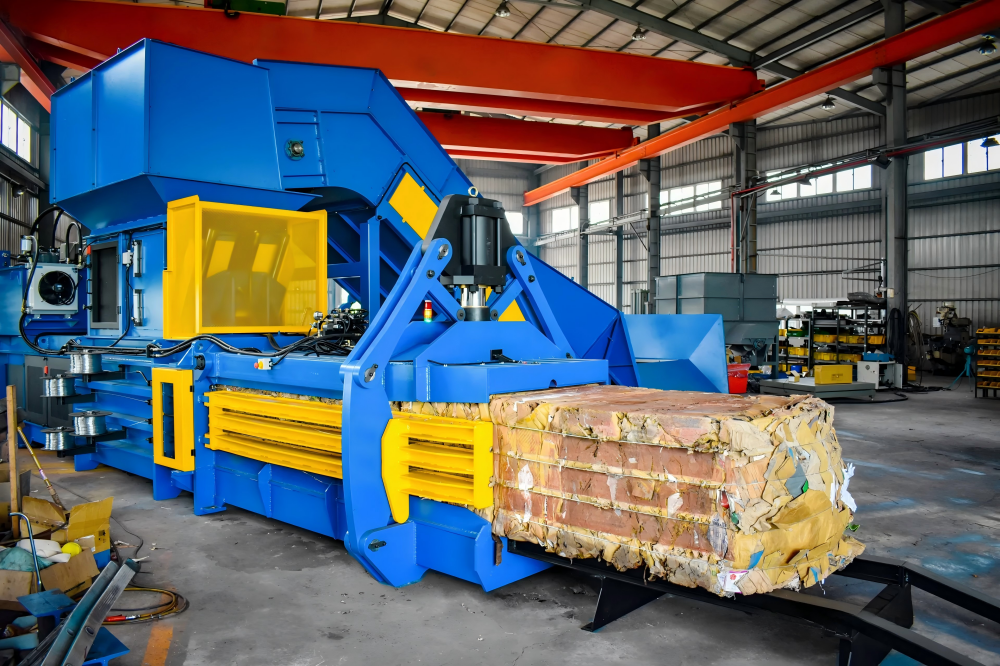
Key Considerations for Operational Stability
Before diving into the mechanical repairs, it is essential to consider the operational environment of your horizontal baler. Many instances of ram sticking are caused by improper material feeding or overloading the chamber beyond the machine’s rated capacity. When operators force too much material into the feed hopper, the ram may struggle to compress the load, leading to a stall. Ensuring that the material is distributed evenly and within the specified density limits is the first step in preventing future occurrences.
Another key consideration is the cleanliness of the baling chamber. Over time, fines, dust, and small metal shards can accumulate in the tracks and guide rails of the ram. This debris acts as an abrasive, increasing friction and eventually causing the ram to bind. Implementing a strict daily cleaning schedule is one of the most effective ways to avoid the need for troubleshooting. By removing debris before it has a chance to harden or obstruct the movement, you significantly extend the lifespan of your hydraulic components.
Lubrication plays a pivotal role in the smooth operation of the ram. The guide rails and the ram face must be properly lubricated to minimize the coefficient of friction. If the lubricant has dried out or become contaminated with metal dust, the ram will experience increased resistance. Using the correct grade of industrial lubricant, as recommended by HARSLE, ensures that the ram glides effortlessly through the chamber, even under heavy loads. Neglecting lubrication is a common oversight that leads to premature wear and sticking.
Finally, consider the ambient temperature and its effect on hydraulic fluid viscosity. In colder climates, hydraulic oil can thicken, causing the system to respond sluggishly. If the ram is sticking, check the temperature of your hydraulic reservoir. If it is too cold, the pump may not be able to generate the necessary pressure to move the ram effectively. Integrating a tank heater or allowing the machine to warm up during a dry cycle can often resolve issues that appear to be mechanical but are actually fluid-related.
Technical Details: Diagnosing Hydraulic and Mechanical Failures
When you are faced with a horizontal baler ram sticking? Troubleshooting steps for faster recovery must include a deep dive into the hydraulic system. The hydraulic pump is the heart of the baler, and if it is not delivering the required pressure, the ram will inevitably stall. Check the pressure gauge during a cycle to see if the system reaches the target PSI. If the pressure is low, the issue may lie with the pump itself, a faulty relief valve, or a leak in the hydraulic lines that is preventing the system from building pressure.
The directional control valve is another common culprit. This valve dictates the flow of hydraulic fluid to the ram cylinder. If the spool inside the valve is stuck or if the solenoid is failing, the fluid may not be directed correctly, causing the ram to stop mid-stroke. Inspect the valve for any signs of electrical failure or mechanical blockage. Sometimes, a simple cleaning of the valve assembly or replacing a faulty solenoid coil can restore full functionality to the ram, saving you the cost of a major repair.
Mechanical alignment is equally critical. If the ram has become misaligned due to heavy impact or structural fatigue, it will bind against the chamber walls. Use a laser level or a straight edge to check the alignment of the ram face relative to the chamber. If you notice uneven wear patterns on the guide shoes, this is a clear indicator that the ram is not traveling true. Adjusting the guide shoes or replacing worn-out wear plates can often realign the ram and eliminate the sticking problem entirely.
Electrical sensors and limit switches also play a vital role in the ram’s movement. These components tell the PLC (Programmable Logic Controller) where the ram is located and when to reverse the cycle. If a limit switch is faulty or covered in debris, the PLC may receive incorrect signals, causing the ram to stop prematurely. Inspect all limit switches for damage and ensure they are clean and properly calibrated. A simple adjustment of a sensor bracket can often be the difference between a fully functional baler and a stalled production line.
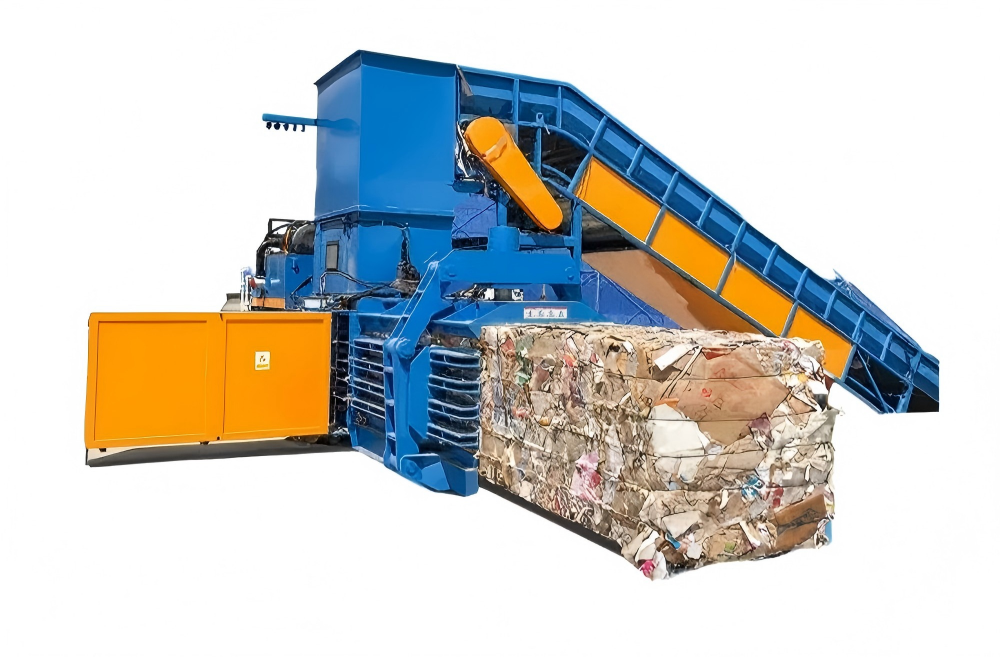
Selection Advice: Choosing the Right Baler for Your Needs
Selecting the right horizontal baler is the best way to prevent ram sticking issues before they even begin. When choosing equipment for your metal fabrication facility, consider the material density and the volume of waste you process daily. A baler that is undersized for your workload will be constantly pushed to its limits, leading to increased heat, higher wear, and a greater likelihood of the ram sticking. Always opt for a machine with a slightly higher capacity than your current needs to allow for future growth and operational overhead.
Look for features that enhance durability and ease of maintenance. HARSLE balers are designed with heavy-duty construction and reinforced guide rails to withstand the rigors of industrial use. Features like automatic lubrication systems, easy-access maintenance panels, and high-quality hydraulic components are essential for long-term reliability. When evaluating different models, ask about the availability of spare parts and the ease of performing routine inspections. A machine that is easy to maintain is a machine that will stay running longer.
Consider the automation level of the baler. Modern horizontal balers come with advanced PLC systems that provide real-time diagnostics. These systems can alert operators to potential issues, such as high hydraulic pressure or slow cycle times, before they result in a complete stall. Investing in a baler with smart monitoring capabilities allows your team to be proactive rather than reactive. This technology is a game-changer for facilities looking to minimize downtime and maximize the efficiency of their waste management processes.
Finally, partner with a reputable manufacturer that offers comprehensive support. HARSLE provides not only high-quality machinery but also the technical expertise to help you troubleshoot and maintain your equipment. When you purchase a baler, you are entering into a long-term relationship. Ensure that the manufacturer provides detailed manuals, training for your staff, and responsive customer service. Having a reliable partner to call when you are faced with a horizontal baler ram sticking? Troubleshooting steps for faster recovery will be much easier to execute with expert guidance.
FAQ: Common Questions Regarding Baler Maintenance
Q: How often should I lubricate the ram guide rails?
A: Lubrication frequency depends on the volume of material processed. For high-volume facilities, we recommend a daily inspection and lubrication. For lower volumes, a weekly schedule may suffice. Always check the manufacturer’s manual for specific recommendations.
Q: What should I do if the ram stops mid-stroke?
A: First, perform a lockout/tagout procedure. Then, inspect the chamber for material bridging or foreign objects. If the chamber is clear, check the hydraulic pressure and the electrical limit switches. If you cannot identify the cause, contact a certified technician.
Q: Can overloading the baler cause permanent damage?
A: Yes. Repeatedly overloading the baler can lead to structural deformation of the ram, damage to the hydraulic cylinders, and premature failure of the pump. Always adhere to the manufacturer’s specified material density and load limits.
Q: Why does my baler ram move slowly?
A: Slow movement is often a sign of low hydraulic pressure, contaminated hydraulic fluid, or a failing pump. Check the fluid levels, inspect the filters, and verify that the pump is operating at the correct pressure settings.
Q: Are there specific materials that cause more sticking than others?
A: Yes. Materials that are sticky, wet, or have irregular shapes can cause bridging and increase the likelihood of the ram sticking. Ensure that your material is prepared correctly before feeding it into the baler.
Conclusion: Maintaining Peak Performance
Addressing a horizontal baler ram sticking? Troubleshooting steps for faster recovery is a vital skill for any maintenance team working with industrial metal fabrication equipment. By understanding the interplay between mechanical alignment, hydraulic pressure, and electrical signaling, you can effectively diagnose and resolve issues that threaten your production schedule. Remember that the key to avoiding these problems lies in consistent maintenance, proper operator training, and the use of high-quality, well-suited machinery.
At HARSLE, we are committed to providing the tools and knowledge necessary to keep your operations running smoothly. Whether you are performing routine maintenance or troubleshooting a complex failure, our goal is to support your success. By implementing the strategies outlined in this guide, you can reduce downtime, extend the life of your equipment, and ensure that your facility remains a leader in productivity and efficiency. Do not let a stuck ram disrupt your workflow; stay proactive, stay informed, and keep your baler in top condition.
As you continue to refine your maintenance processes, keep a detailed log of all repairs and inspections. This data will be invaluable for identifying patterns and predicting future maintenance needs. Over time, you will develop a deep understanding of your machine’s unique characteristics, allowing you to address potential issues before they escalate. Thank you for choosing HARSLE as your partner in industrial excellence. We look forward to supporting your continued growth and operational success in the metal fabrication industry.