Horizontal Baler Safety Switch Issues: Diagnosis and Repair Guide

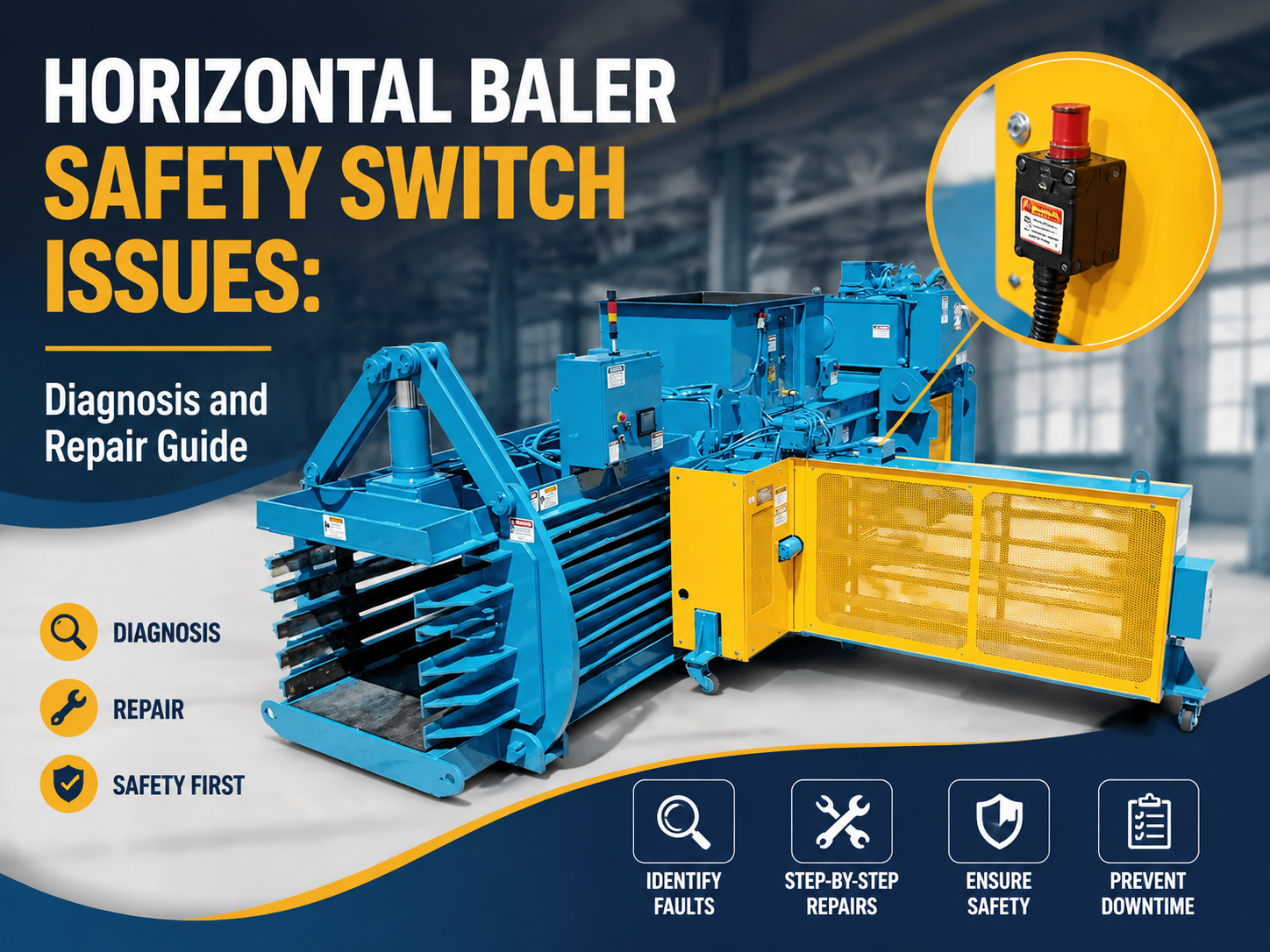
Introduction to Horizontal Baler Safety Systems
In the demanding environment of industrial metal fabrication and waste management, the horizontal baler stands as a cornerstone of operational efficiency. However, the complexity of these machines necessitates rigorous safety protocols. At the heart of these protocols are the safety switches—critical components designed to prevent catastrophic accidents by ensuring the machine only operates when all access doors, gates, and guards are securely closed. When these switches fail, the entire production line can grind to a halt, leading to significant downtime and potential safety hazards.
Understanding Horizontal Baler Safety Switch Issues: Diagnosis and Repair is essential for maintenance teams and facility managers. A safety switch is not merely a convenience; it is a vital interlock mechanism that communicates with the Programmable Logic Controller (PLC) to verify the physical integrity of the machine’s enclosure. When a switch malfunctions, the PLC typically triggers a fault code, preventing the hydraulic pump from engaging. This guide aims to demystify these issues, providing a structured approach to identifying, diagnosing, and rectifying common safety switch failures in HARSLE and similar industrial balers.
Safety switches in horizontal balers are subjected to harsh conditions, including vibration, dust, moisture, and extreme temperature fluctuations. Over time, these environmental factors can lead to mechanical wear, electrical contact oxidation, or misalignment. Recognizing the early warning signs of a failing switch—such as intermittent operation or the need to ‘jiggle’ a door to get the machine to start—can save hours of troubleshooting time. By prioritizing proactive maintenance, operators can ensure that their equipment remains compliant with safety standards while maximizing throughput.
This article provides a deep dive into the technical aspects of safety interlocks, offering actionable advice for technicians. Whether you are dealing with a limit switch, a magnetic reed switch, or a coded RFID safety sensor, the principles of diagnosis remain consistent. We will explore the electrical schematics, common failure modes, and the step-by-step repair processes required to keep your horizontal baler running safely and efficiently.

Key Considerations for Safety Interlock Systems
Before diving into repairs, it is imperative to understand the regulatory and safety landscape surrounding industrial balers. Safety switches are categorized under various international standards, including ISO 13849-1, which dictates the performance levels required for safety-related parts of control systems. Any attempt to bypass or ‘jump’ a safety switch is a severe violation of safety protocols and can lead to fatal accidents. Maintenance personnel must always adhere to Lockout/Tagout (LOTO) procedures before performing any diagnostic work on the electrical cabinet or the switch housing.
The environment in which a horizontal baler operates plays a significant role in the longevity of its safety components. Metal fabrication facilities often generate fine metallic dust and debris that can infiltrate switch housings, causing mechanical jamming or electrical shorts. Furthermore, the high-pressure hydraulic operations of a baler create constant vibrations. These vibrations can cause mounting brackets to loosen, leading to misalignment between the switch actuator and the sensor head. Regular inspection of these mounting points is a fundamental aspect of preventive maintenance.
Another key consideration is the type of safety switch utilized in your specific HARSLE model. Mechanical limit switches are robust but prone to physical wear on the actuator arm. Magnetic switches, while more resistant to physical contact, can be affected by the accumulation of ferrous metal shavings, which may interfere with the magnetic field. Understanding the specific technology employed in your machine allows for more targeted troubleshooting. Always consult the original equipment manufacturer (OEM) manual for the specific wiring diagrams and sensor specifications.
Finally, consider the role of the PLC in the safety circuit. Modern balers use dual-channel safety circuits to provide redundancy. If one channel fails or shows a discrepancy compared to the other, the PLC will enter a ‘safe state’ and disable the machine. This is a feature, not a bug. When diagnosing, look for discrepancies between the two channels, as this often points to a wiring issue or a faulty contact block rather than a simple mechanical obstruction. Always document your findings to build a history of the machine’s performance, which can help in identifying recurring issues.
Technical Details: Diagnosing Safety Switch Failures
The diagnosis of Horizontal Baler Safety Switch Issues: Diagnosis and Repair begins with a systematic review of the machine’s control panel. Most modern HARSLE balers feature an HMI (Human-Machine Interface) that displays specific fault codes. If the screen indicates a ‘Gate Open’ or ‘Safety Interlock Fault’ while the gate is visibly closed, the first step is to verify the physical alignment. Use a spirit level or a straight edge to ensure that the gate is not sagging, which would prevent the actuator from fully engaging the switch.
Once physical alignment is confirmed, proceed to electrical testing. Using a high-quality multimeter, check for continuity across the switch contacts. With the gate closed, the switch should show a closed circuit (near-zero resistance). If the circuit remains open, the internal contacts of the switch may be damaged, or the actuator may not be depressing the switch plunger sufficiently. In cases of magnetic switches, use a gauss meter or a simple magnet to test if the sensor detects the presence of the actuator. If the sensor fails to trigger, it is likely that the internal reed switch has failed.
Wiring issues are another common culprit. Inspect the conduit and cable glands leading to the safety switch. Over time, the constant movement of the baler’s doors can cause wire fatigue, leading to intermittent breaks inside the insulation. Perform a ‘wiggle test’ on the wiring while monitoring the continuity on your multimeter. If the signal drops out, you have identified a broken wire. Ensure that all connections in the junction box are tight and free from corrosion, as high-resistance connections can cause the PLC to misinterpret the signal.
If the wiring and physical alignment are sound, the issue may lie within the safety relay or the PLC input module. Swap the suspected faulty switch with a known working one from another part of the machine (if applicable) to isolate the component. If the fault follows the switch, the switch is defective. If the fault remains at the original location, the issue is further upstream in the control circuit. Always ensure that you are using the correct replacement parts specified by HARSLE to maintain the integrity of the safety system.
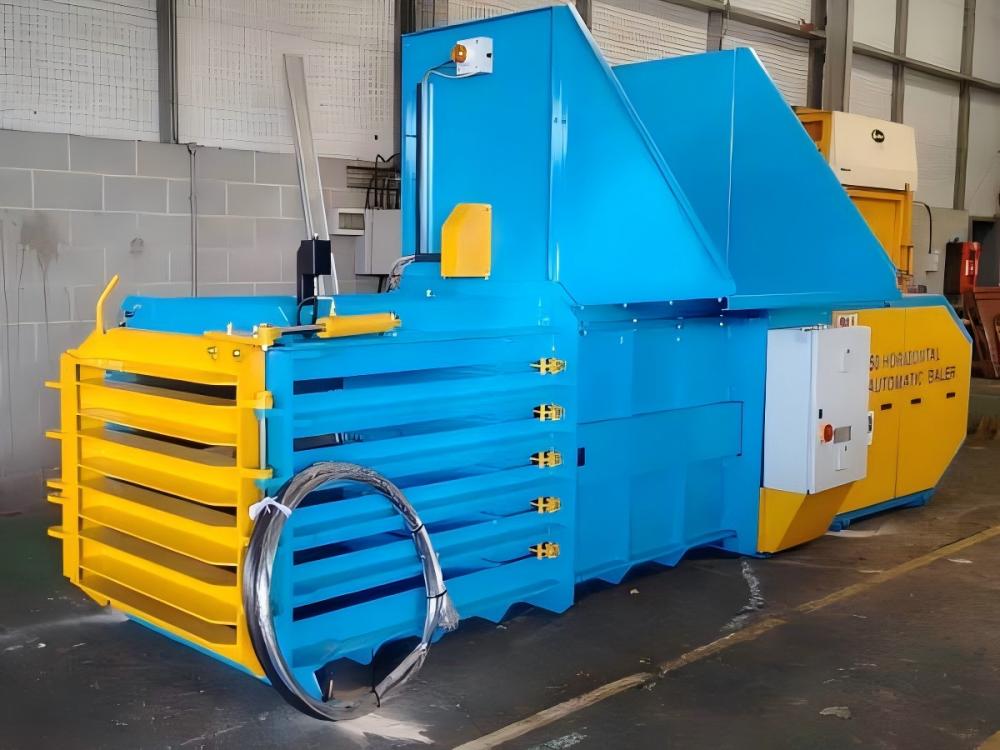
Repair and Replacement Procedures
When a safety switch is confirmed to be faulty, immediate replacement is the only safe course of action. Never attempt to repair the internal components of a safety switch, as this can compromise its reliability and void the safety certification. Begin the replacement process by isolating the power supply. Lock and tag the main disconnect switch to ensure no one can accidentally energize the machine while you are working.
Remove the damaged switch by unscrewing the mounting hardware. Take note of the wiring configuration; it is highly recommended to take a photograph of the terminal connections before disconnecting any wires. When installing the new switch, ensure that it is mounted securely and that the actuator is perfectly aligned with the sensor head. Use thread-locking compound on the mounting bolts to prevent them from loosening due to the vibration of the baler’s hydraulic system.
After the physical installation, reconnect the wiring according to the manufacturer’s schematic. Double-check that all connections are secure and that the cable strain relief is properly tightened to prevent moisture ingress. Once the installation is complete, perform a functional test. Close the gate and verify that the HMI fault code clears. Then, while the machine is running, carefully open the gate to ensure that the baler stops immediately. This ‘stop test’ is the most critical part of the repair process and must be documented in the maintenance log.
Finally, consider the environment around the new switch. If the previous switch failed due to debris accumulation or physical impact, consider installing a protective guard or shield. A small modification to the surrounding structure can significantly extend the life of the new component. Keep a spare set of safety switches in your inventory, as these are critical ‘down-time’ parts that can prevent days of lost production if a failure occurs during a busy shift.
Selection Advice for Replacement Components
Selecting the right replacement safety switch is as important as the repair itself. Not all switches are created equal, and using an inferior or incompatible part can lead to recurring Horizontal Baler Safety Switch Issues: Diagnosis and Repair. When sourcing replacements, prioritize industrial-grade components that are rated for the specific environmental conditions of your facility, such as IP67 or IP69K ratings for dust and water resistance.
Consider the switching mechanism. For high-vibration environments, non-contact RFID safety switches are often superior to mechanical limit switches. RFID switches are less susceptible to physical wear and misalignment, providing a more robust solution for heavy-duty balers. However, ensure that the PLC input module is compatible with the signal type (e.g., OSSD outputs) of the new switch. Always check the voltage requirements—24V DC is standard for most modern balers, but older units may use 110V AC.
When buying from third-party suppliers, ensure that the switch meets the necessary safety certifications (CE, UL, SIL). A cheap, uncertified switch may function initially but could fail to trigger during an emergency, leading to catastrophic consequences. HARSLE recommends using OEM-approved parts to ensure seamless integration with the machine’s existing safety logic. If you are upgrading your system, consult with a safety engineer to ensure that the new components maintain or improve the machine’s overall safety performance level.
Lastly, evaluate the ease of installation and maintenance. Switches with quick-disconnect M12 connectors are significantly easier to replace than those with hard-wired pigtails. If your current setup uses hard-wired switches, consider upgrading to a connector-based system during your next major maintenance cycle. This will reduce the time required for future repairs and minimize the risk of wiring errors during the installation process.
FAQ: Common Questions About Baler Safety
Q: Why does my horizontal baler show a safety fault even when the door is closed?
A: This is usually caused by a misalignment between the switch and the actuator, a loose mounting bracket, or an accumulation of debris preventing the switch from fully engaging. Check the alignment first, then inspect the switch for physical damage.
Q: Can I bypass the safety switch to finish a job?
A: Absolutely not. Bypassing a safety switch is illegal in most jurisdictions and poses a severe risk of injury or death. If your switch is faulty, the machine must be taken out of service until a proper repair is completed.
Q: How often should I test my safety switches?
A: Safety switches should be tested as part of your daily pre-shift inspection. A full functional test, including the emergency stop and all gate interlocks, should be performed at least once a month or after any maintenance work.
Q: What is the difference between a limit switch and a safety switch?
A: While they look similar, a safety switch is designed with ‘positive opening’ contacts. This means that if the contacts weld together due to an electrical fault, the physical action of opening the door will force them apart, ensuring the machine stops.
Q: Should I use magnetic or mechanical switches?
A: It depends on your environment. Mechanical switches are better for high-heat areas, while magnetic or RFID switches are better for areas with high vibration or where physical contact is difficult to maintain.
Conclusion
Maintaining the safety systems of your horizontal baler is a non-negotiable aspect of industrial management. By mastering the Horizontal Baler Safety Switch Issues: Diagnosis and Repair, you not only protect your workforce but also ensure the long-term reliability of your equipment. Remember that safety switches are the final line of defense against accidents; treat them with the respect they deserve by performing regular inspections, using high-quality replacement parts, and strictly adhering to manufacturer guidelines.
HARSLE is committed to providing the highest quality metal fabrication equipment, but the ultimate responsibility for safety lies with the end-user. By implementing a proactive maintenance schedule and training your staff to recognize the signs of switch degradation, you can minimize downtime and create a safer, more productive work environment. If you encounter persistent issues that you cannot resolve, do not hesitate to contact our technical support team for expert guidance. Your commitment to safety is the foundation of a successful and sustainable operation.