Why Your Horizontal Baler Is Producing Loose Bales and How to Fix It

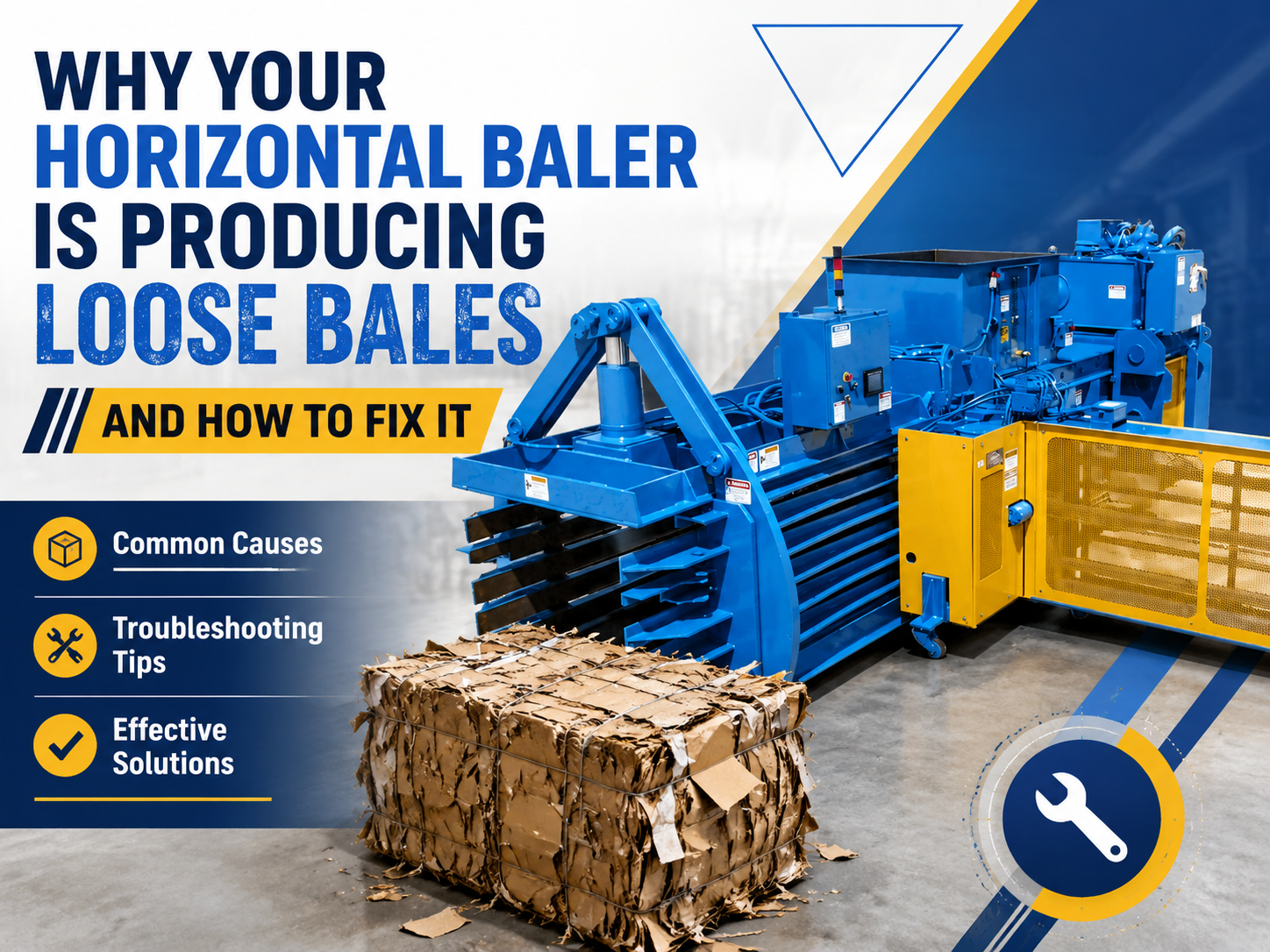
Introduction: The Challenge of Loose Bales in Industrial Recycling
In the high-stakes world of industrial waste management and metal fabrication, the efficiency of your baling process is paramount. A horizontal baler is designed to transform loose, bulky materials into dense, uniform, and stackable bales. However, operators often encounter a frustrating scenario: the machine completes its cycle, but the resulting bale is loose, misshapen, or prone to falling apart during transport. Understanding why your horizontal baler is producing loose bales and how to fix it is essential for maintaining operational throughput and ensuring safety in your facility.
When a baler fails to produce a tight bale, it is not merely a nuisance; it is a sign of underlying mechanical, hydraulic, or operational inefficiency. Loose bales occupy more space, increase logistics costs, and can lead to dangerous situations during storage or loading. By addressing the root causes—ranging from material density issues to hydraulic pressure drops—you can restore your equipment to peak performance.
This guide serves as a comprehensive resource for facility managers and maintenance teams. We will explore the technical nuances of horizontal baling, identify common failure points, and provide actionable maintenance strategies. Whether you are operating a fully automated HARSLE system or a semi-automatic unit, the principles of bale integrity remain consistent. Let us dive into the mechanics of why your horizontal baler is producing loose bales and how to fix it effectively.

Key Considerations: Material Composition and Feed Consistency
The most common reason for loose bales often lies outside the machine itself: the material being processed. Horizontal balers are designed to handle specific types of waste, from corrugated cardboard to non-ferrous metal scraps. If the material feed is inconsistent, the baler cannot achieve the necessary compression ratios required for a tight, stable bale. For instance, mixing heavy metal scraps with light plastic films can create uneven density, leading to “spring-back” effects where the material expands once the ram retracts.
Moisture content is another critical factor that is frequently overlooked. If you are baling paper or cardboard that has been exposed to rain or high humidity, the material becomes soft and pliable. While it may seem like it would compress easily, it actually lacks the structural integrity to hold a shape under tension. As the bale exits the chamber, the moisture-laden fibers tend to relax, causing the bale to expand and the ties to loosen significantly.
Furthermore, the size of the material pieces plays a vital role. If the feed material is too large or bulky, it can create “bridging” within the feed hopper. Bridging prevents the material from falling evenly into the compression chamber, resulting in a bale that is dense in some areas and hollow in others. This uneven distribution means that the wire or strapping is not applied with uniform tension across the entire surface of the bale, leading to structural failure.
To mitigate these issues, operators should implement a strict material sorting protocol. Ensure that the feed is as homogeneous as possible. If you are processing mixed materials, consider pre-shredding or using a conveyor system with a magnetic separator to ensure that only the intended material enters the baler. Consistent feed rates, rather than overloading the hopper in short bursts, will also allow the ram to exert pressure evenly across the entire bale length.
Technical Details: Hydraulic Systems and Ram Alignment
When the material is not the culprit, the focus must shift to the machine’s hydraulic system. The hydraulic pressure is the heart of the baling process. If your horizontal baler is producing loose bales, the first technical step is to check the system pressure. Over time, hydraulic pumps can wear out, or relief valves may become misaligned, preventing the ram from reaching its maximum compression force. If the pressure gauge reads lower than the manufacturer’s specifications during the final compression stroke, the bale will inevitably be loose.
The ram alignment is equally critical. If the ram is slightly tilted or worn on its guide rails, it will not compress the material squarely against the chamber walls. This misalignment creates a wedge-shaped or unevenly compressed bale. When the bale is tied, the tension will be higher on one side than the other, causing the bale to twist or burst open once it is ejected. Regular inspection of the ram face and the guide rails for signs of uneven wear is a mandatory maintenance task.
Another technical failure point is the bale chamber’s retention dogs or “teeth.” These components are designed to hold the material in place while the ram retracts to accept the next load. If these teeth are worn, broken, or stuck in the retracted position, the material will simply follow the ram backward as it retracts. This “spring-back” effect prevents the accumulation of material needed to build a dense bale. Replacing or sharpening these retention teeth is a relatively simple fix that can drastically improve bale density.
Finally, consider the wire-tying mechanism. If the baler uses an automatic tying system, the tensioning of the wire is controlled by the machine’s logic controller. If the wire tensioner is slipping or if the knotting mechanism is not pulling the wire tight enough, the bale will expand as soon as it leaves the chamber. Ensure that the wire path is free of debris and that the tensioning rollers are clean and providing adequate grip on the wire. Regular calibration of the tying cycle is essential for consistent results.
Selection Advice: Choosing the Right Baler for Your Needs
If you find yourself constantly battling loose bales despite rigorous maintenance, it may be time to evaluate whether your current equipment is suited for your application. Not all horizontal balers are created equal. A baler designed for light plastic or paper will struggle significantly if you attempt to process heavy-duty metal scrap or dense industrial waste. Choosing the right machine is the first step in avoiding the “loose bale” problem entirely.
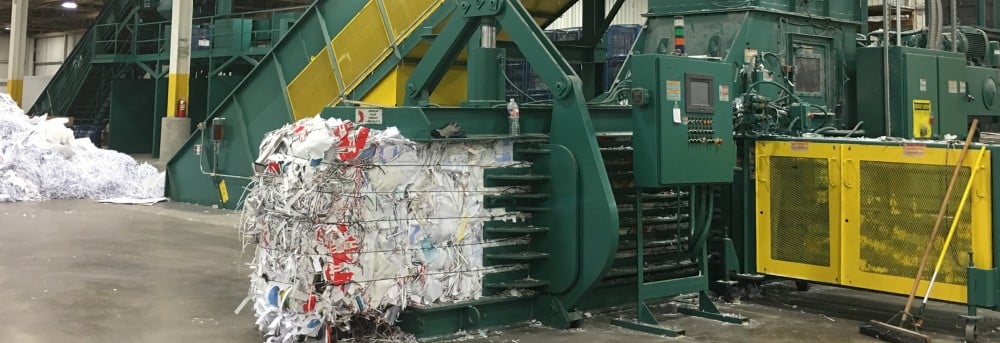
When selecting a horizontal baler, look for machines with adjustable pressure settings. This allows you to fine-tune the compression force based on the specific material density you are processing. HARSLE offers a range of horizontal balers that feature programmable logic controllers (PLCs), which allow operators to save specific settings for different material types. This flexibility is invaluable for facilities that handle a diverse range of waste streams.
Consider the throughput requirements of your facility. If you are pushing a baler beyond its rated capacity, the cycle times will be rushed, and the ram may not have enough time to dwell at the end of the stroke. The “dwell time” is the period where the ram stays in the fully extended position to allow the material to set. Increasing the dwell time is often a simple software adjustment that can result in significantly tighter bales, as it allows the material to overcome its natural elasticity.
Lastly, look for robust construction. A baler with a reinforced chamber and high-grade steel components will resist the internal forces that cause the chamber to flex during compression. If the chamber walls flex outward during the compression stroke, the bale will be loose once the pressure is released. Investing in a heavy-duty machine from a reputable manufacturer like HARSLE ensures that the structural integrity of the baler matches the power of its hydraulic system.
Maintenance Checklist for Consistent Bale Quality
To keep your horizontal baler performing at its best, a proactive maintenance schedule is non-negotiable. Below is a checklist to help you troubleshoot and prevent loose bales:
- Check Hydraulic Fluid Levels and Quality: Contaminated or low hydraulic fluid can lead to pressure drops. Replace filters regularly and monitor fluid temperature.
- Inspect Retention Dogs: Ensure all teeth are sharp and move freely. Replace any that are damaged to prevent material spring-back.
- Monitor Ram Guide Rails: Lubricate and inspect rails for excessive wear. A wobbly ram is a primary cause of uneven bale density.
- Clean the Tying Mechanism: Remove wire scraps and dust from the knotter or twister assembly to ensure consistent tension.
- Verify Dwell Time Settings: If your PLC allows, increase the dwell time to allow material to settle before the next cycle.
- Calibrate Pressure Sensors: Ensure that the pressure readings on your control panel match the actual force being applied to the material.
By following this checklist, you can identify potential issues before they result in a pile of loose, unmanageable material. Consistent maintenance not only improves bale quality but also extends the lifespan of your industrial machinery, providing a better return on your investment.
FAQ: Common Questions About Horizontal Baler Performance
Why does my bale expand after it is ejected?
This is usually due to insufficient dwell time or excessive moisture in the material. The material has “memory” and will try to return to its original shape. Increasing the dwell time or ensuring the material is dry will help the bale hold its shape.
How often should I replace the retention teeth?
This depends on the abrasiveness of the material. For metal scrap, inspect them monthly. For cardboard, quarterly inspections are usually sufficient. If you notice the material moving back with the ram, replace them immediately.
Can I increase the hydraulic pressure to make tighter bales?
Only if the machine is rated for higher pressure. Increasing pressure beyond the manufacturer’s specifications can damage the hydraulic seals and the structural frame of the baler. Always consult your manual first.
What is the ideal wire tension for a horizontal baler?
The tension should be high enough to keep the bale compressed but not so high that it snaps the wire during the tying process. Most modern balers have adjustable tension settings that should be calibrated based on the material’s expansion force.
Conclusion: Mastering Your Baling Process
The issue of why your horizontal baler is producing loose bales and how to fix it is a multifaceted challenge that requires a combination of operational discipline and mechanical maintenance. By understanding the relationship between material density, hydraulic pressure, and machine settings, you can ensure that your facility produces high-quality, dense bales that are ready for transport and recycling. Whether it is adjusting your dwell time, replacing worn retention teeth, or simply ensuring your feed material is consistent, these steps will lead to a more efficient and profitable operation.
Remember that your baler is a critical component of your production line. Neglecting its maintenance will eventually lead to downtime and increased costs. By treating the baler with the same level of care as your press brakes or shears, you ensure that your metal fabrication or recycling business remains competitive and safe. If you continue to face challenges, do not hesitate to reach out to HARSLE support for specific technical guidance tailored to your model. Consistent, high-quality baling is within your reach with the right approach to maintenance and operation.