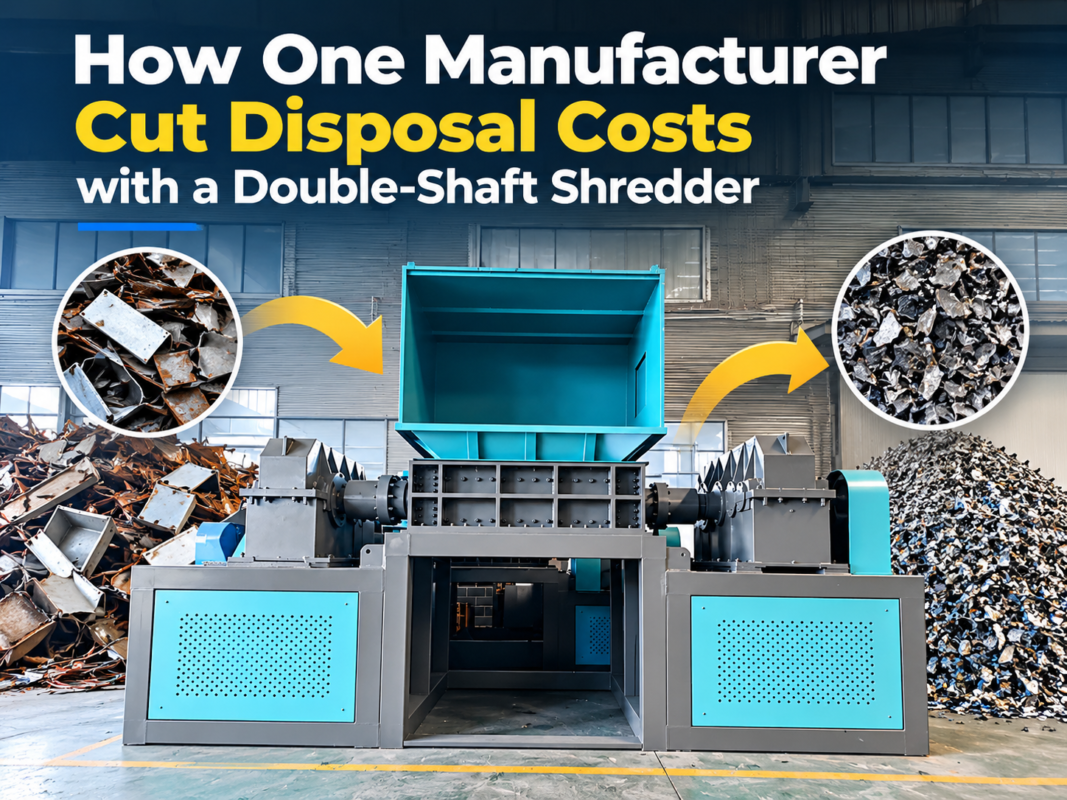
Vertical Baler Jammed? Practical Troubleshooting for Material Blockages

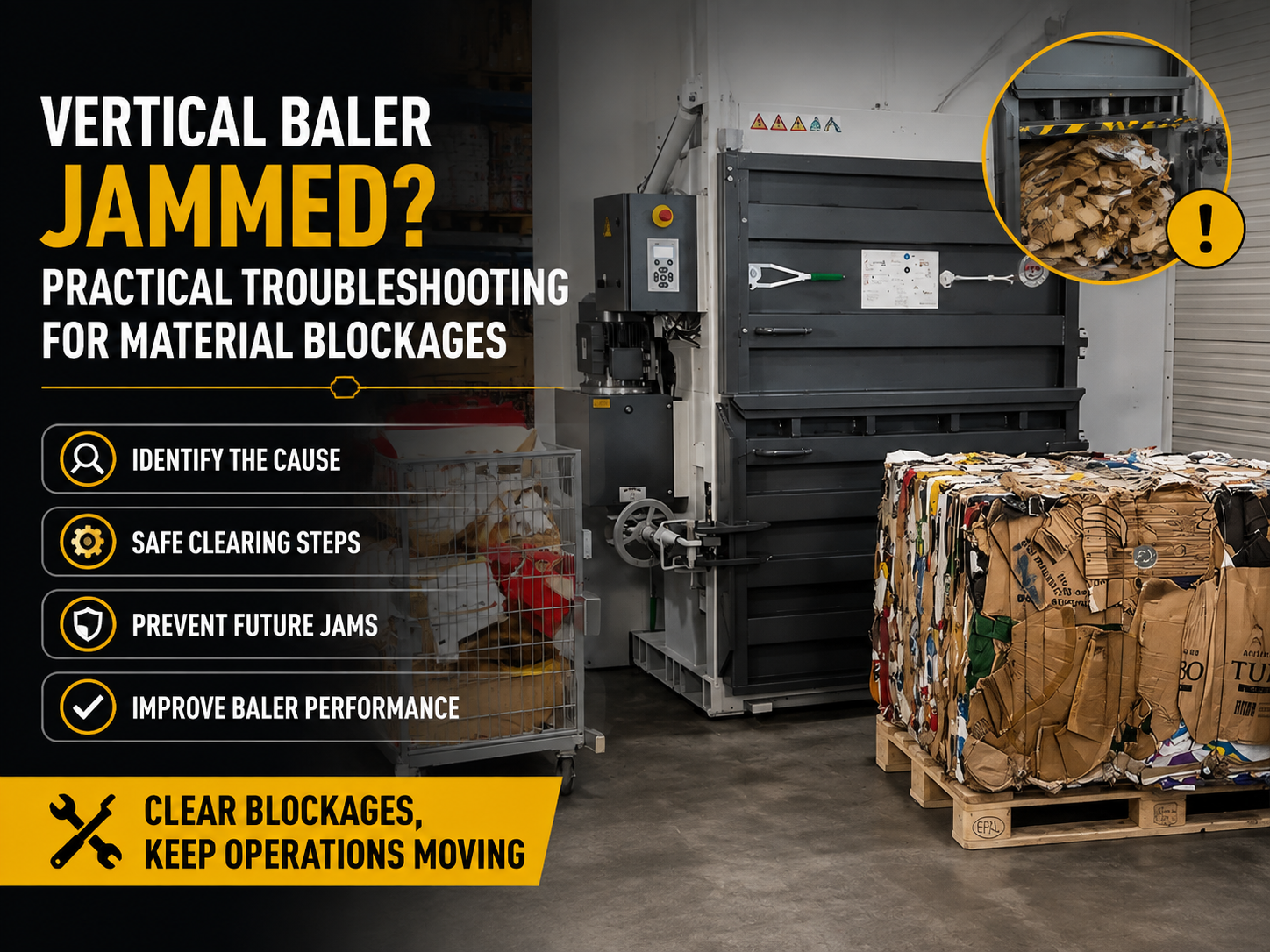
Introduction: Understanding the Vertical Baler Jammed? Practical Troubleshooting Material Blockages Challenge
In the high-paced environment of metal fabrication and industrial waste management, the vertical baler stands as a cornerstone of operational efficiency. However, even the most robust HARSLE machinery can encounter operational hurdles. When you find your vertical baler jammed, practical troubleshooting for material blockages becomes an immediate priority to prevent costly downtime. A jammed baler is not merely an inconvenience; it is a bottleneck that disrupts the entire production flow, potentially leading to safety hazards and decreased output.
Understanding why a baler jams is the first step toward effective resolution. Often, these issues stem from improper loading techniques, oversized materials, or mechanical wear that goes unnoticed during routine checks. By mastering the art of troubleshooting, facility managers can ensure their equipment remains in peak condition, extending the lifespan of the hydraulic system and the structural integrity of the baler chamber.
This guide serves as a comprehensive resource for operators and maintenance teams. We will explore the technical nuances of hydraulic pressure, sensor calibration, and material density management. Whether you are dealing with a minor obstruction or a complex mechanical lock, the following sections provide actionable insights to get your HARSLE equipment back to full capacity quickly and safely.
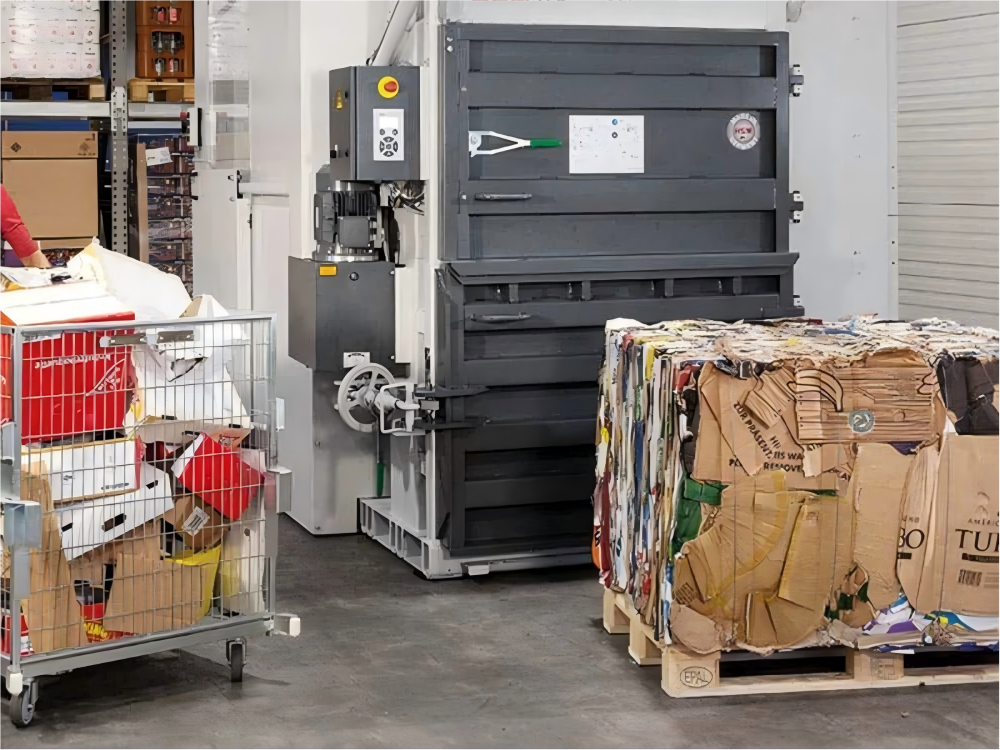
Key Considerations for Preventing Material Blockages
Prevention is always superior to repair. To avoid the frustration of a vertical baler jammed, practical troubleshooting for material blockages begins with a rigorous adherence to operational protocols. The most common cause of blockages is the introduction of materials that exceed the machine’s rated capacity or dimensions. Operators must be trained to recognize the difference between compressible waste and rigid, non-compressible items that can damage the ram or the chamber walls.
Another critical consideration is the distribution of material within the chamber. Uneven loading often leads to uneven pressure distribution, which can cause the ram to tilt or bind against the sides of the baler. By ensuring that material is distributed evenly across the floor of the chamber, you minimize the risk of localized pressure spikes that lead to jams. HARSLE balers are designed for high-density compaction, but they require a balanced load to function optimally.
Environmental factors also play a role. Moisture in waste materials can lead to sticking or freezing in colder climates, creating a “plug” that prevents the ram from completing its stroke. Keeping the loading area dry and ensuring that materials are free from excessive debris or liquids is a simple yet effective way to maintain smooth operation. Regular inspection of the chamber walls for signs of corrosion or buildup is also recommended.
Finally, consider the frequency of maintenance. A machine that is neglected will inevitably develop issues. Establishing a daily, weekly, and monthly maintenance schedule ensures that small problems—such as a loose bolt or a slightly misaligned guide rail—are addressed before they escalate into a full-scale jam. Documentation of these checks is vital for long-term reliability and safety compliance.
Technical Details: Diagnosing the Root Cause of a Jam
When the machine stops mid-cycle, the first step in the ‘Vertical Baler Jammed? Practical Troubleshooting Material Blockages’ process is to identify the nature of the obstruction. Is it a mechanical jam, where the ram is physically blocked by an object, or is it a hydraulic issue where the system lacks the pressure to complete the stroke? Understanding this distinction is crucial for safety and efficiency.
Mechanical jams often occur when an object, such as a metal pipe or a rigid plastic component, becomes wedged between the ram and the chamber wall. In such cases, the hydraulic system may continue to exert force, which can be dangerous. Always ensure the machine is in a ‘Lockout/Tagout’ state before attempting to clear any physical obstruction. Never reach into the chamber while the power is connected or the hydraulic system is pressurized.
Hydraulic issues, on the other hand, often manifest as a slow or stalling ram. This could indicate a drop in hydraulic fluid levels, a failing pump, or a clogged filter. If the ram moves sluggishly, check the pressure gauge. If the pressure is within the normal operating range but the ram is not moving, the issue is likely mechanical. If the pressure is low, the hydraulic system requires immediate attention, potentially involving a bleed of the hydraulic lines or a replacement of the pressure relief valve.
Sensors also play a vital role in modern HARSLE balers. Limit switches and proximity sensors detect the position of the ram and the status of the doors. If a sensor is misaligned or covered in dust and debris, the machine’s PLC (Programmable Logic Controller) may interpret this as a safety fault, preventing the machine from operating. Regularly cleaning these sensors and verifying their alignment is a standard part of professional troubleshooting.
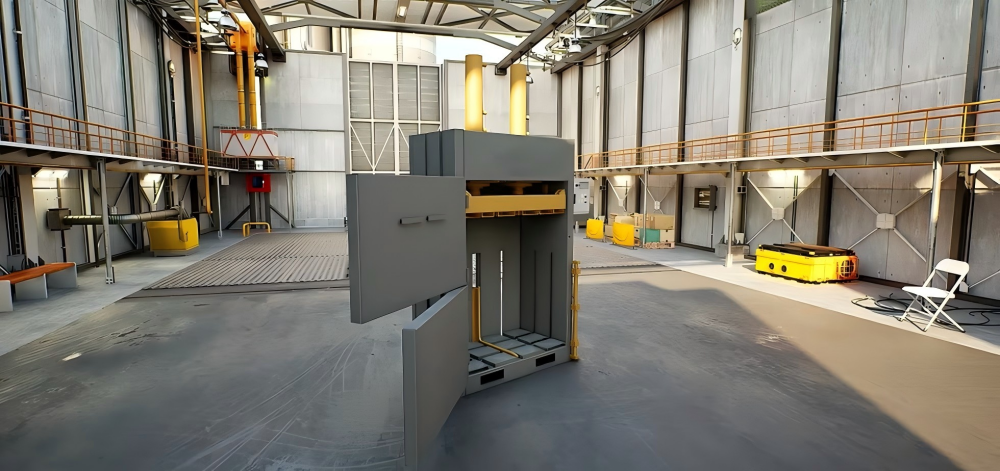
Selection Advice: Choosing the Right Baler for Your Material
Selecting the correct vertical baler is the ultimate preventative measure against jams. If your facility processes high volumes of rigid or dense materials, a standard light-duty baler will inevitably face frequent blockages and mechanical failure. HARSLE offers a range of balers tailored to specific material types, from cardboard and paper to heavy-duty metal scrap. Matching the machine’s force capacity to your material density is the most important decision you will make.
Consider the chamber size and the ram force. A larger chamber allows for more material, but it also requires a more powerful hydraulic system to ensure that the material is compressed effectively without binding. If you are processing bulky materials, look for balers with specialized features like cross-tying capabilities or reinforced chamber walls that prevent deformation under high pressure.
Think about the automation level. Semi-automatic balers require more manual intervention, which can lead to human error in loading. Fully automatic or high-end semi-automatic models often feature advanced PLC systems that monitor for pressure spikes and automatically reverse the ram if a potential jam is detected. These features significantly reduce the likelihood of a ‘Vertical Baler Jammed? Practical Troubleshooting Material Blockages’ scenario occurring in the first place.
Finally, consult with HARSLE experts during the selection process. Provide detailed information about your waste stream, including the types of materials, the volume per day, and the space constraints of your facility. A customized solution is always more efficient than a one-size-fits-all approach. Investing in the right equipment from the start saves thousands in maintenance costs and lost productivity over the life of the machine.
FAQ: Frequently Asked Questions
- What should I do immediately if my baler stops mid-cycle?
First, press the emergency stop button. Assess the situation from the outside of the chamber. If you suspect a jam, follow your facility’s Lockout/Tagout procedures before attempting to clear it. - How often should I check the hydraulic fluid?
Hydraulic fluid levels should be checked weekly. If you notice a drop, inspect for leaks immediately. Contaminated fluid should be replaced according to the manufacturer’s schedule. - Can I use a pry bar to clear a jam?
Only if the machine is fully powered down and locked out. Never use excessive force that could damage the ram or the chamber walls. If the jam is stubborn, contact a professional technician. - Why does my baler make a squealing noise?
Squealing often indicates a loose belt or a hydraulic pump struggling under pressure. Check the belt tension and the hydraulic fluid levels. - How do I prevent cardboard from jamming the ram?
Ensure that cardboard is broken down flat and not loaded in large, dense bundles that exceed the width of the ram.
Conclusion: Maintaining Operational Excellence
Dealing with a vertical baler jammed? Practical troubleshooting for material blockages is a skill that every operator in a metal fabrication facility should possess. By understanding the mechanical and hydraulic systems of your HARSLE baler, you can transform a potential crisis into a routine maintenance task. Remember that the key to longevity is consistent, proactive care—cleaning sensors, checking fluid levels, and ensuring that the machine is never overloaded.
As your facility grows, your waste management needs will evolve. Keep these troubleshooting tips in mind, but also remain open to upgrading your equipment or adjusting your processes as your volume increases. A well-maintained baler is not just a piece of equipment; it is an investment in the safety and efficiency of your entire operation. For further technical support or to explore our latest range of industrial machinery, contact the HARSLE team today.
Ultimately, the goal is to minimize downtime and maximize the value of your recycled materials. By following the guidelines outlined in this article, you are well on your way to achieving a seamless, jam-free workflow that supports the high standards of your fabrication business. Stay vigilant, stay safe, and keep your machinery running at its best.