Vertical Baler Pressure Problems: Why Bales Are Loose and How to Fix Them

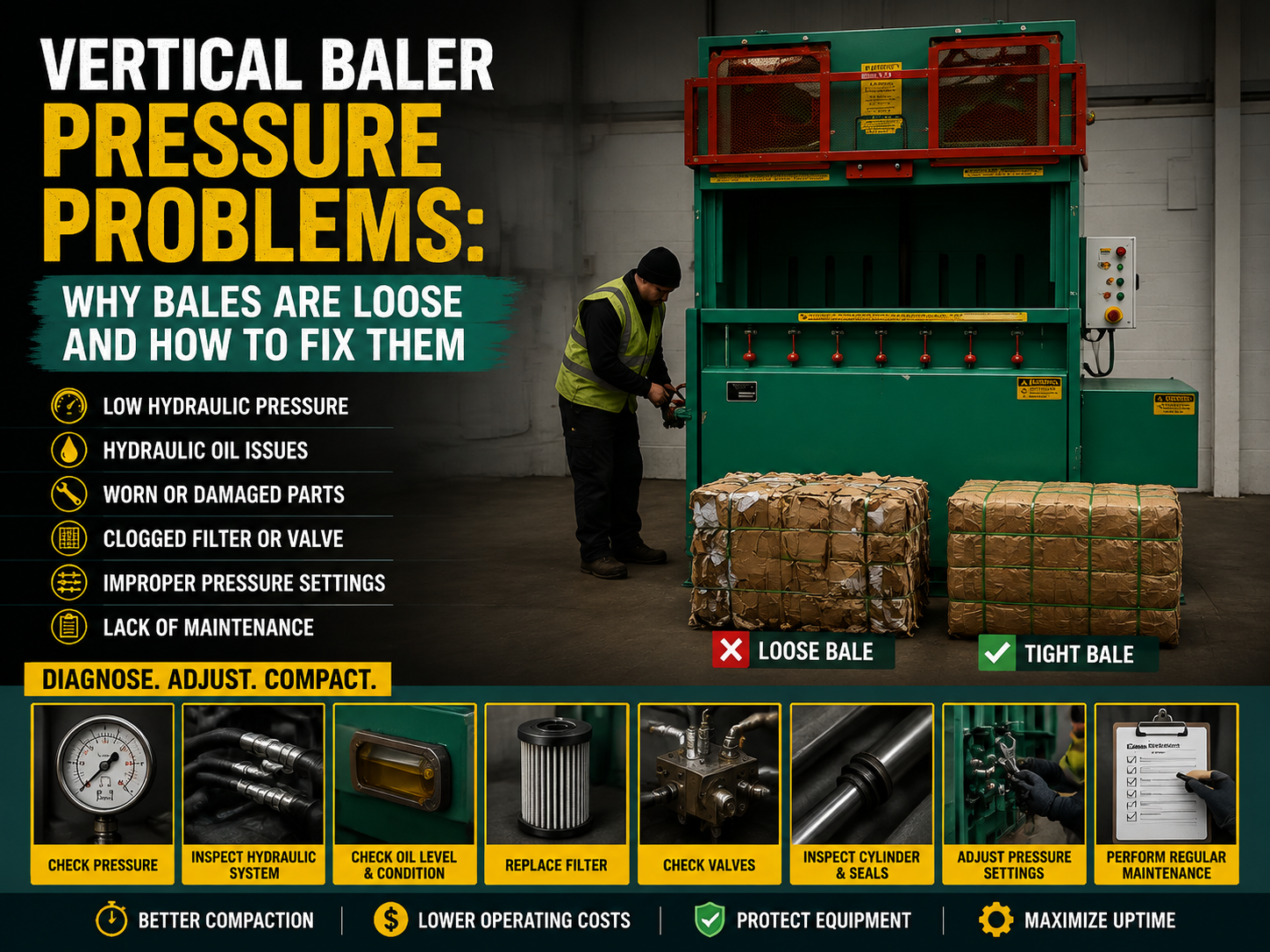
Introduction to Vertical Baler Pressure Problems
In the world of industrial waste management and metal fabrication, the vertical baler stands as a cornerstone of efficiency. However, when operators notice that their output is inconsistent—specifically when bales fail to hold their shape or density—it signals a critical operational failure. Addressing vertical baler pressure problems: bales are loose and how to fix them is not just about aesthetics; it is about safety, logistics, and profitability. Loose bales can collapse during transport, create fire hazards, and significantly increase the cost of shipping due to inefficient space utilization.
At HARSLE, we understand that downtime is the enemy of productivity. When a baler loses its compression force, the entire workflow grinds to a halt. Whether you are processing cardboard, plastic, or light-gauge metal scrap, the hydraulic system must maintain precise pressure to ensure the bale ties hold securely. This guide explores the technical nuances of why these issues occur and provides a comprehensive roadmap for facility managers and maintenance teams to restore their equipment to peak performance.
Understanding the relationship between hydraulic fluid, seals, and structural integrity is essential for any operator. Often, the problem is not a catastrophic failure of the main motor, but rather a subtle degradation of components that can be identified through routine inspection. By mastering the troubleshooting process, you can extend the lifespan of your HARSLE machinery and ensure that every bale produced meets industry standards for density and stability.
This article serves as an industrial-grade resource for diagnosing pressure-related faults. We will walk through the hydraulic circuit, the electrical control systems, and the mechanical wear points that contribute to loose bales. By the end of this guide, you will have the knowledge to perform a systematic audit of your baler, identify the root cause of pressure loss, and implement effective, long-term solutions.
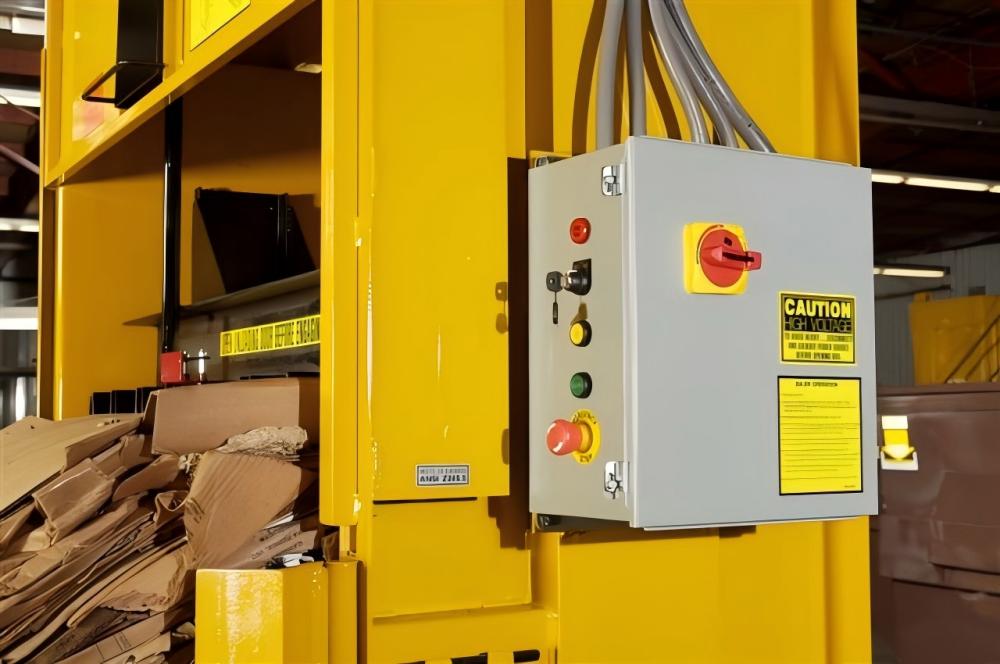
Key Considerations for Hydraulic System Integrity
The heart of any vertical baler is its hydraulic system. When discussing vertical baler pressure problems: bales are loose and how to fix them, the hydraulic pump and cylinder are the primary suspects. If the pump is failing to generate the required PSI, the ram will not exert enough force to compress the material into a tight, manageable block. This is often caused by cavitation, where air enters the hydraulic fluid, leading to erratic pressure spikes and drops.
Another critical consideration is the condition of the hydraulic fluid itself. Over time, fluid can become contaminated with debris, moisture, or metal shavings from the fabrication process. This contamination can clog the relief valves, preventing the system from reaching its maximum pressure setting. Regular fluid analysis and scheduled filter changes are not optional; they are the lifeblood of your hydraulic machinery. If the fluid is milky or dark, it is a clear indicator that the system is compromised.
Temperature also plays a significant role in pressure stability. Hydraulic systems are designed to operate within specific temperature ranges. If the oil becomes too hot, its viscosity drops, which can lead to internal leakage within the cylinder or pump. Conversely, if the oil is too cold, the system may struggle to reach operating pressure during the first few cycles of the day. Ensuring that your baler is housed in a climate-controlled environment or equipped with an oil cooler can mitigate these environmental factors.
Finally, consider the relief valve settings. These valves are designed to protect the machine from over-pressurization, but they can drift over time due to vibration or mechanical wear. If the relief valve is set too low, the machine will bypass pressure before the bale is fully compressed. Checking these settings against the manufacturer’s specifications is a fundamental step in the troubleshooting process. Always ensure that these adjustments are performed by qualified personnel using calibrated pressure gauges.
Technical Details: Diagnosing the Root Cause
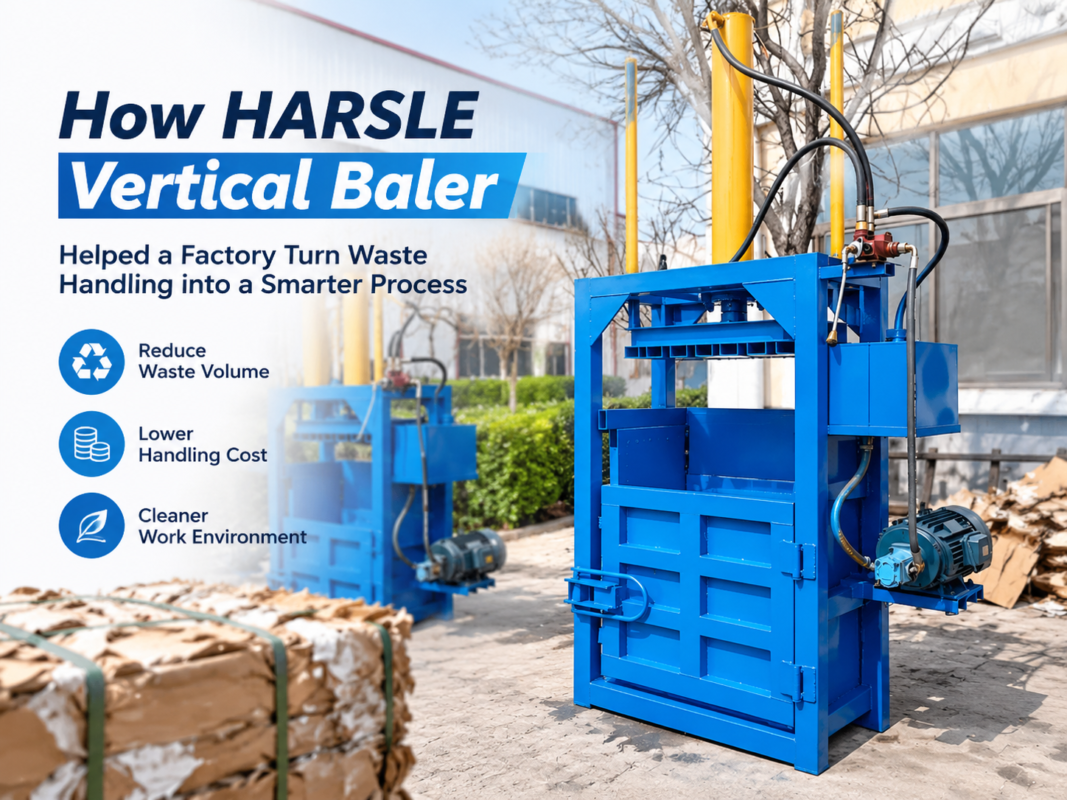
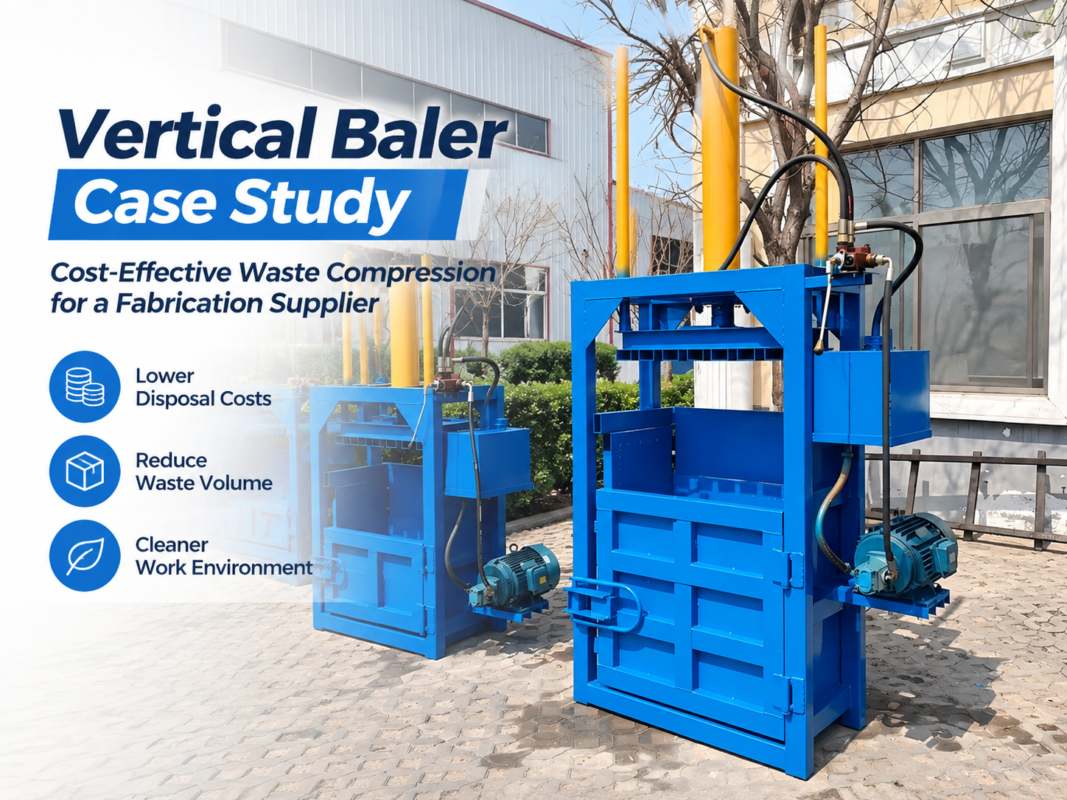
When you are faced with the challenge of vertical baler pressure problems: bales are loose and how to fix them, you must look at the cylinder seals. The hydraulic cylinder is responsible for the downward force. If the internal seals are worn or damaged, hydraulic fluid will bypass the piston, a condition known as ‘internal leakage.’ This results in a ram that moves but lacks the ‘heft’ required to compress dense materials. You may notice the ram drifting upward or failing to hold its position under load.
Electrical control systems also play a hidden role in pressure management. Modern HARSLE balers utilize sophisticated PLC (Programmable Logic Controller) systems to manage cycle times and pressure thresholds. If the pressure transducer or the limit switches are sending incorrect data to the controller, the machine may terminate the compression cycle prematurely. This is a common issue that is often mistaken for a hydraulic failure, when in reality, it is a software or sensor calibration error.
The structural integrity of the baler chamber must also be inspected. If the chamber walls are bowed or the door latches are loose, the machine will lose its ability to contain the material during the compression phase. Even if the hydraulic system is functioning perfectly, a compromised chamber will result in loose, misshapen bales. Inspect the door hinges, locking mechanisms, and the internal walls for signs of deformation or stress fractures that could be allowing the material to expand outward.
Furthermore, consider the material being baled. If the operator is mixing materials or exceeding the recommended load capacity, the baler may reach its pressure limit before the bale is actually dense. This is a common operational error. Ensure that the material is distributed evenly across the chamber floor. Uneven loading creates ‘dead zones’ where the ram cannot exert uniform pressure, leading to soft spots in the bale that cause it to fall apart once the straps are applied.
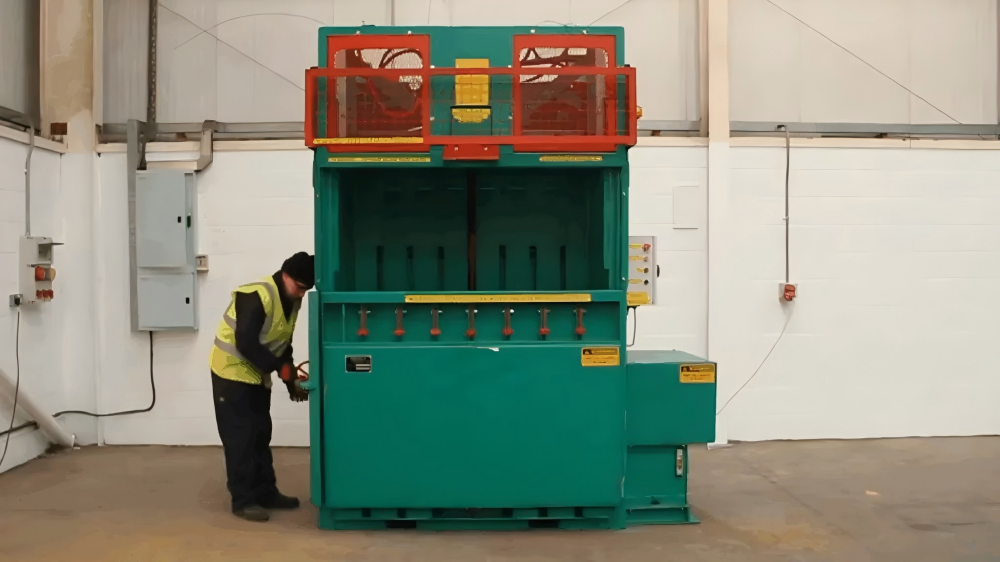
Selection Advice: Choosing the Right Baler for Your Needs
Selecting the right equipment is the best way to avoid vertical baler pressure problems: bales are loose and how to fix them before they even start. When evaluating a new machine, consider the ‘compaction force’ rating. A baler that is underpowered for your specific material will always struggle to produce dense bales. If you are baling heavy metal scrap, you need a machine with a reinforced chamber and a high-tonnage hydraulic system, whereas cardboard balers require different stroke lengths and cycle times.
Look for machines that offer adjustable pressure settings. This flexibility allows you to fine-tune the machine based on the material density. A high-quality HARSLE baler will provide clear indicators of pressure levels, allowing operators to make adjustments on the fly. Additionally, consider the ease of maintenance. Can you easily access the hydraulic pump? Are the seals standard sizes that can be replaced without a complete machine overhaul? These are the questions that separate high-uptime machines from those that spend more time in the repair shop.
Consider the automation level of the baler. Semi-automatic balers require more operator input, which increases the risk of human error in the loading process. Fully automatic systems, while more expensive, ensure consistent cycle times and pressure application. If your facility produces a high volume of waste, the investment in automation often pays for itself by reducing the labor required to manage loose or poorly tied bales.
Finally, prioritize manufacturer support and parts availability. A baler is a long-term investment. Ensure that the supplier provides comprehensive documentation, including detailed hydraulic schematics and electrical diagrams. Having access to a knowledgeable support team can turn a complex troubleshooting scenario into a simple 30-minute fix. Always verify the warranty terms and the availability of local service technicians before finalizing your purchase.
FAQ: Troubleshooting Common Baler Issues
Why does my baler ram drift back up after reaching the bottom of the stroke?
This is typically caused by a leaking check valve or a worn cylinder seal. When the hydraulic fluid leaks past the seal, the pressure holding the ram in place is lost. You should have a technician inspect the hydraulic circuit to identify the specific source of the bypass.
How often should I change the hydraulic oil to prevent pressure loss?
Generally, hydraulic oil should be changed every 2,000 to 4,000 operating hours, or annually, depending on the intensity of use. Always follow the specific maintenance schedule provided in your HARSLE operation manual, as environmental conditions can necessitate more frequent changes.
Can I increase the pressure setting to make tighter bales?
You should never exceed the manufacturer’s maximum pressure rating. Increasing the pressure beyond the design limits can lead to catastrophic failure of the hydraulic hoses, cylinder, or structural frame. If you need tighter bales, ensure the material is loaded correctly and that the machine is not being overloaded.
What should I do if the bale ties keep snapping?
Snapping ties are often a result of ‘spring-back’ from the material. If the bale is too dense or the material is highly elastic, the pressure exerted by the material against the ties can exceed their tensile strength. Try using higher-grade strapping material or reducing the bale size slightly to alleviate the tension.
Conclusion
Solving vertical baler pressure problems: bales are loose and how to fix them requires a methodical approach that combines mechanical knowledge with operational discipline. By focusing on the health of your hydraulic system, the integrity of your seals, and the accuracy of your electrical sensors, you can maintain the high-density output required for efficient waste management. Remember that most pressure issues are preventable through consistent, scheduled maintenance and proper operator training.
At HARSLE, we are committed to providing the industrial machinery and the knowledge base necessary to keep your fabrication facility running at peak efficiency. Whether you are troubleshooting a legacy machine or selecting a new high-performance baler, the principles of pressure management remain the same. Keep your hydraulic fluid clean, your sensors calibrated, and your loading practices consistent, and you will find that your bales remain tight, secure, and ready for transport every single time.
If you find that your troubleshooting efforts are not yielding results, do not hesitate to contact our technical support team. We are here to assist you in diagnosing complex issues and ensuring that your equipment continues to serve your business for years to come. Investing time in understanding your baler today will save you countless hours of downtime tomorrow.