Vertical Baler Troubleshooting Guide: Common Problems and Fast Fixes

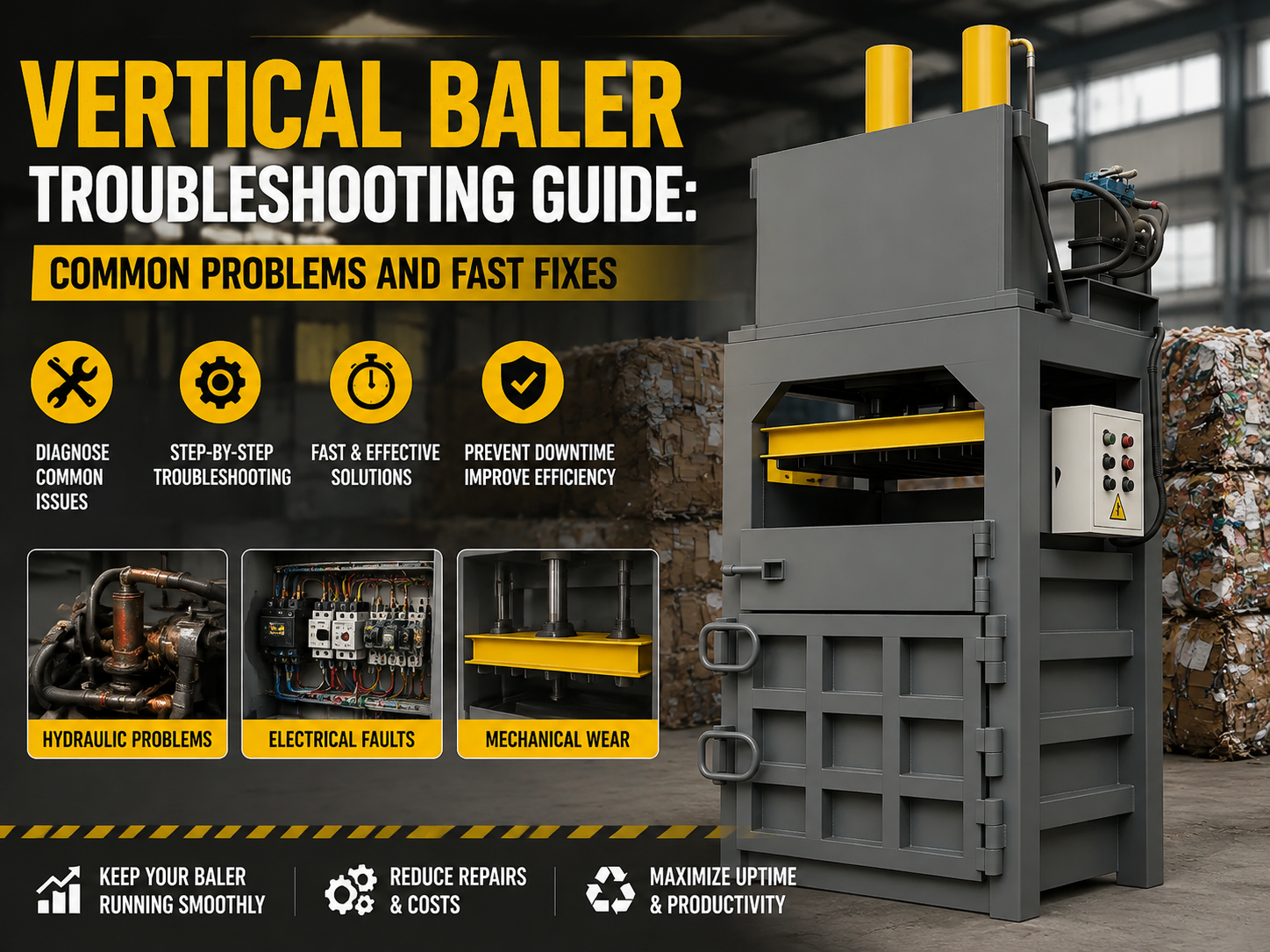
Vertical Baler Troubleshooting Guide: Common Problems and Fast Fixes
In the fast-paced world of industrial waste management and metal fabrication, downtime is the enemy of productivity. A vertical baler is a critical piece of infrastructure designed to compress bulky waste materials into manageable, transportable blocks. When these machines falter, the entire workflow can grind to a halt. This comprehensive Vertical Baler Troubleshooting Guide: Common Problems and Fast Fixes is designed to empower your maintenance team with the knowledge required to diagnose issues quickly and restore operational efficiency.
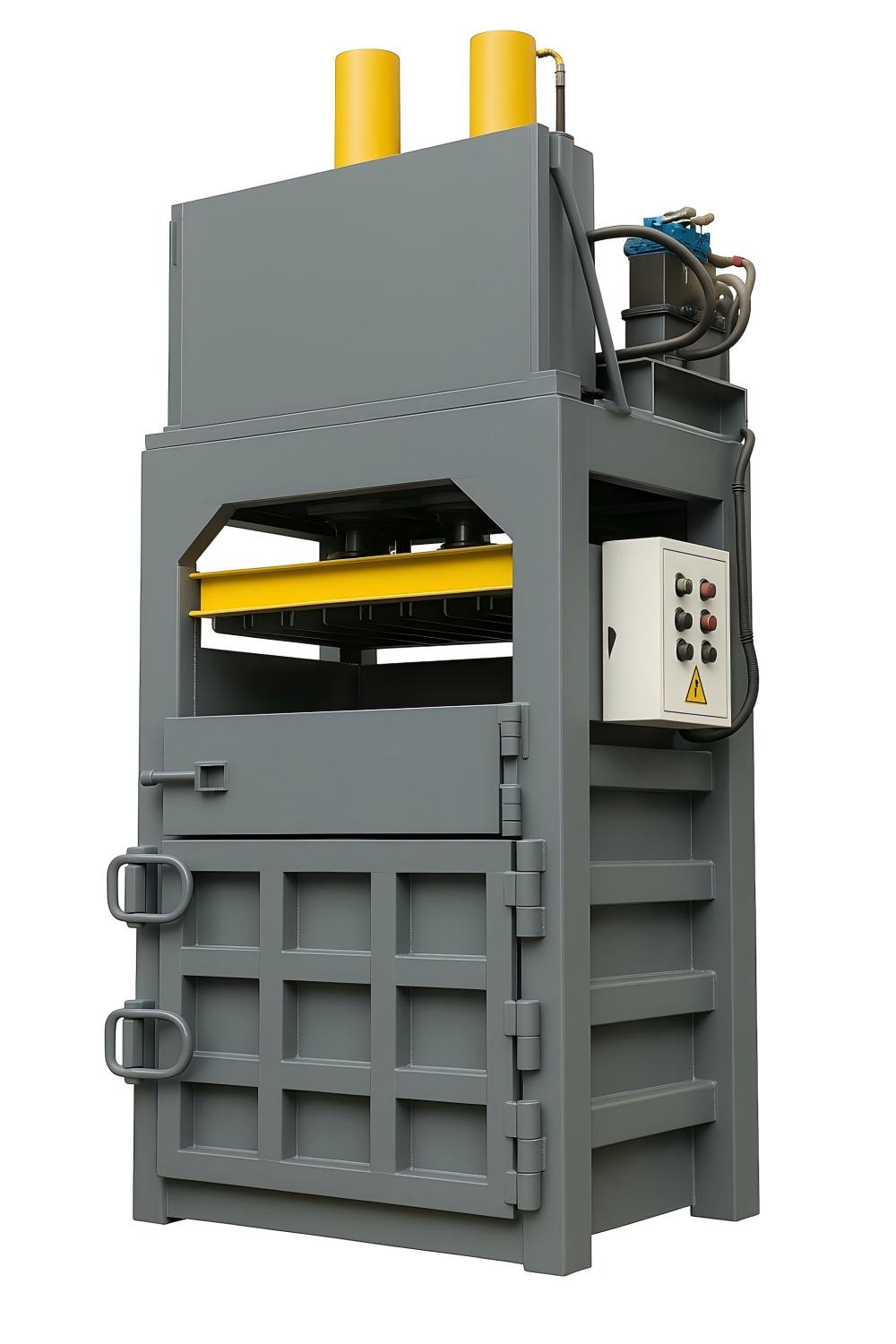
Key Considerations for Vertical Baler Maintenance
Before diving into specific mechanical failures, it is essential to establish a culture of proactive maintenance. Vertical baler troubleshooting: common problems fast fixes start with understanding the machine’s baseline performance. Operators should be trained to perform a visual inspection at the start of every shift. Checking for hydraulic leaks, loose wiring, or unusual noises during the initial cycle can prevent catastrophic failures later in the day.
Environmental factors play a significant role in machine longevity. Vertical balers installed in harsh environments—such as those exposed to extreme temperatures, dust, or corrosive metal shavings—require more frequent lubrication and filter changes. Ensure that the area surrounding the baler is kept clear of debris, as buildup can interfere with the safety sensors and the movement of the platen.
Safety must always be the primary consideration when performing any troubleshooting task. Before opening any panels or attempting to clear a jam, ensure the machine is locked out and tagged out (LOTO). Never bypass safety interlocks or light curtains to speed up the troubleshooting process, as these are critical components designed to protect your workforce from the immense pressure generated by the hydraulic system.
Documentation is the backbone of effective maintenance. Keep a detailed log of every service event, including the date, the specific issue identified, the parts replaced, and the technician who performed the work. Over time, this data will reveal patterns, such as a specific component that fails prematurely, allowing you to transition from reactive repairs to predictive maintenance strategies.
Technical Details: Diagnosing Hydraulic and Electrical Failures
The heart of any vertical baler is its hydraulic system. When the platen fails to move or lacks the force to compress material, the hydraulic pump or fluid levels are usually the culprits. Start by checking the hydraulic oil level in the reservoir. If the oil is low, the pump may draw air, leading to cavitation, which can permanently damage the pump assembly. Always use the manufacturer-recommended hydraulic fluid grade to ensure optimal viscosity.
Electrical issues often manifest as intermittent operation or a complete failure to start. If the control panel is unresponsive, check the emergency stop buttons first. It is common for an E-stop to be depressed accidentally or for a safety gate switch to be slightly misaligned. Use a multimeter to verify that power is reaching the control board and that the fuses have not tripped due to a power surge or motor overload.
Pressure switch calibration is another technical area that requires precision. If the baler is not reaching the desired bale density, the pressure switch may be set too low. Conversely, if the motor stalls during the compression stroke, the pressure setting might be too high, causing the system to exceed its rated capacity. Adjust these settings in small increments and test the cycle after each adjustment to find the “sweet spot” for your specific material type.
Cylinder seals are prone to wear over time, especially in high-volume operations. A leaking cylinder will cause the platen to drift or lose pressure during the dwell cycle. If you notice oil weeping around the cylinder rod, it is time to schedule a seal kit replacement. Ignoring this issue will lead to a loss of hydraulic pressure and potential contamination of the surrounding work area.
Advanced Diagnostic Procedures
When standard troubleshooting fails, technicians should perform a systematic check of the directional control valves. These valves manage the flow of hydraulic fluid to the cylinder. If a valve is stuck in a partially open position, the platen may move sluggishly or fail to hold pressure. Additionally, inspect the hydraulic hoses for signs of bulging, cracking, or external abrasion. Even a minor pinhole leak can result in a significant pressure drop, rendering the baler ineffective.
For electrical systems, check the contactors and relays within the control cabinet. Over time, these components can accumulate dust or experience contact pitting, leading to poor electrical conductivity. Cleaning these contacts with an approved electrical contact cleaner can often resolve intermittent start-up issues. If the machine hums but does not move, the motor starter may be failing to engage all three phases of power, which is a critical safety risk that requires immediate professional attention.
Common Troubleshooting Scenarios
- Platen fails to return: Check for debris blocking the guide rails or a faulty directional control valve.
- Noisy pump operation: Often indicates low oil levels, a clogged suction filter, or air trapped in the hydraulic lines.
- Bale wire snapping: Usually caused by overfilling the chamber or using wire that does not meet the tensile strength requirements for the material being baled.
- Safety light curtain errors: Clean the lenses with a non-abrasive cloth; dust or debris often triggers false interruptions.
- Inconsistent bale size: Check the limit switches that control the platen travel distance; these may have shifted due to vibration.
Selection Advice: Choosing the Right Baler for Your Needs
Selecting the right equipment is the first step in avoiding the need for constant troubleshooting. When evaluating vertical balers, consider the volume and type of material you intend to process. A baler designed for light cardboard will quickly fail if used for heavy-gauge metal scraps. HARSLE offers a range of machines tailored to specific industrial needs, ensuring that the structural integrity of the baler matches the demands of your facility.
Consider the cycle time and the force capacity. If your operation requires high throughput, look for models with faster motor speeds and larger hydraulic cylinders. While these machines may have a higher initial cost, the reduction in labor hours and maintenance frequency provides a superior return on investment over the life of the equipment. Always consult with a HARSLE representative to match the machine specifications to your projected waste output.
Ergonomics and ease of use are also critical. A machine that is difficult to load or operate will lead to operator fatigue and, inevitably, improper usage. Look for features like automatic bale ejection, user-friendly control interfaces, and clear safety indicators. These features not only improve efficiency but also reduce the likelihood of human error, which is a leading cause of mechanical damage in industrial settings.
Finally, evaluate the availability of spare parts and technical support. A machine is only as good as the service behind it. HARSLE provides extensive documentation and a robust supply chain for replacement parts, ensuring that when a component does reach the end of its service life, you can source a replacement quickly and minimize downtime.
FAQ: Vertical Baler Troubleshooting
Q: How often should I change the hydraulic oil in my vertical baler?
A: Generally, hydraulic oil should be changed every 1,000 to 2,000 operating hours, or once a year, depending on the intensity of use and environmental conditions. Always check the oil color and clarity; if it appears milky or dark, change it immediately.
Q: Why does my baler stop mid-cycle?
A: This is often a safety feature activation. Check the safety gate, the emergency stop buttons, and the light curtains. If these are clear, check for a thermal overload on the motor, which may have tripped due to excessive heat or a mechanical jam.
Q: Can I use any type of wire for my baler?
A: No. You must use the gauge and tensile strength of wire specified by the manufacturer. Using the wrong wire can lead to bale expansion, wire breakage, and potential injury to operators.
Q: What should I do if the platen is crooked?
A: A crooked platen usually indicates worn guide shoes or a bent cylinder rod. Inspect the guide rails for debris or damage. If the rails are clear, the guide shoes may need adjustment or replacement to ensure the platen travels vertically without binding.
Q: How do I prevent hydraulic leaks?
A: Regularly inspect all fittings and hoses for signs of seepage. Tighten loose connections carefully, but do not overtighten, as this can damage the seals. Ensure that the hydraulic system is not operating above the recommended pressure settings.
Conclusion
Mastering vertical baler troubleshooting: common problems fast fixes is an ongoing process that combines technical knowledge, regular maintenance, and a commitment to safety. By understanding the hydraulic and electrical systems of your HARSLE equipment, you can prevent minor issues from escalating into costly repairs. Remember that the longevity of your machine is directly proportional to the care you invest in it. From daily inspections to scheduled professional servicing, every action you take contributes to a more efficient, safer, and more productive metal fabrication environment. If you encounter a problem that exceeds your internal maintenance capabilities, do not hesitate to contact our technical support team for expert guidance and genuine replacement parts. Investing in the health of your machinery today ensures the continued profitability and operational success of your facility tomorrow.