Troubleshooting Scrap Metal Baler Control System Failures In Heavy-Duty Production

Introduction to Scrap Metal Baler Control Systems
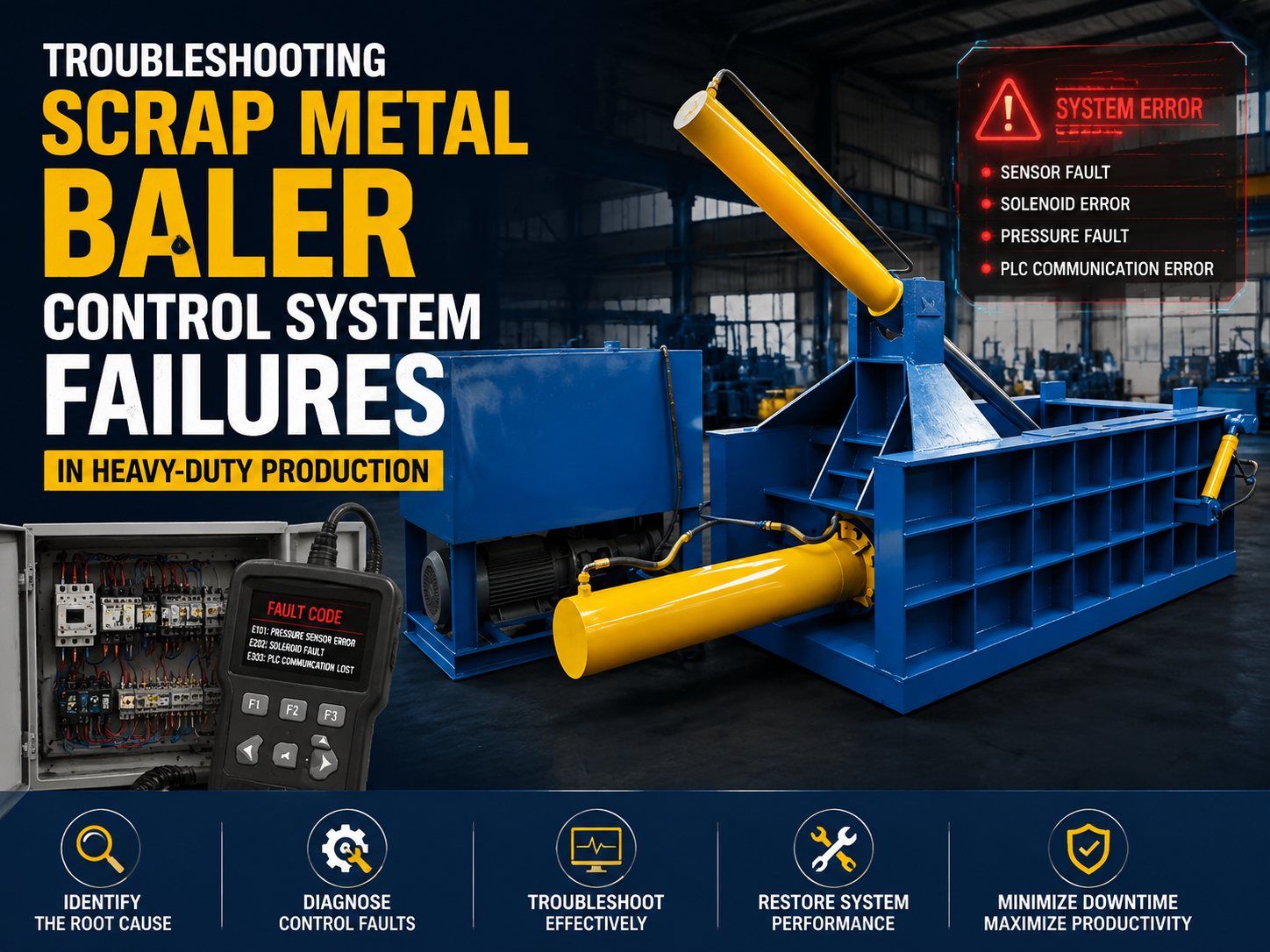
In the demanding world of industrial metal recycling and fabrication, the scrap metal baler serves as the backbone of operational efficiency. These heavy-duty machines are designed to compress loose metal waste into dense, manageable bales, significantly reducing logistics costs and optimizing storage space. However, when the control system—the “brain” of the machine—encounters a failure, the entire production line can grind to a halt. Troubleshooting Scrap Metal Baler Control System Failures In Heavy-Duty Production is a critical skill for maintenance teams aiming to maximize uptime and equipment longevity.
Modern balers utilize sophisticated Programmable Logic Controllers (PLCs) integrated with hydraulic sensors, limit switches, and safety interlocks. These systems are constantly monitoring pressure levels, cylinder positions, and cycle times. Because these machines operate in harsh environments characterized by dust, vibration, and extreme temperature fluctuations, the control system is susceptible to various electronic and software-related issues. Understanding the architecture of these systems is the first step toward effective diagnosis.
HARSLE emphasizes that proactive maintenance and a systematic approach to troubleshooting are essential for high-volume facilities. By identifying the root cause of a control failure—whether it is a faulty sensor, a communication error in the PLC, or a simple wiring degradation—operators can prevent catastrophic damage to the hydraulic pumps and structural components. This guide provides a comprehensive framework for addressing these complex technical challenges.
Key Considerations for Control System Integrity
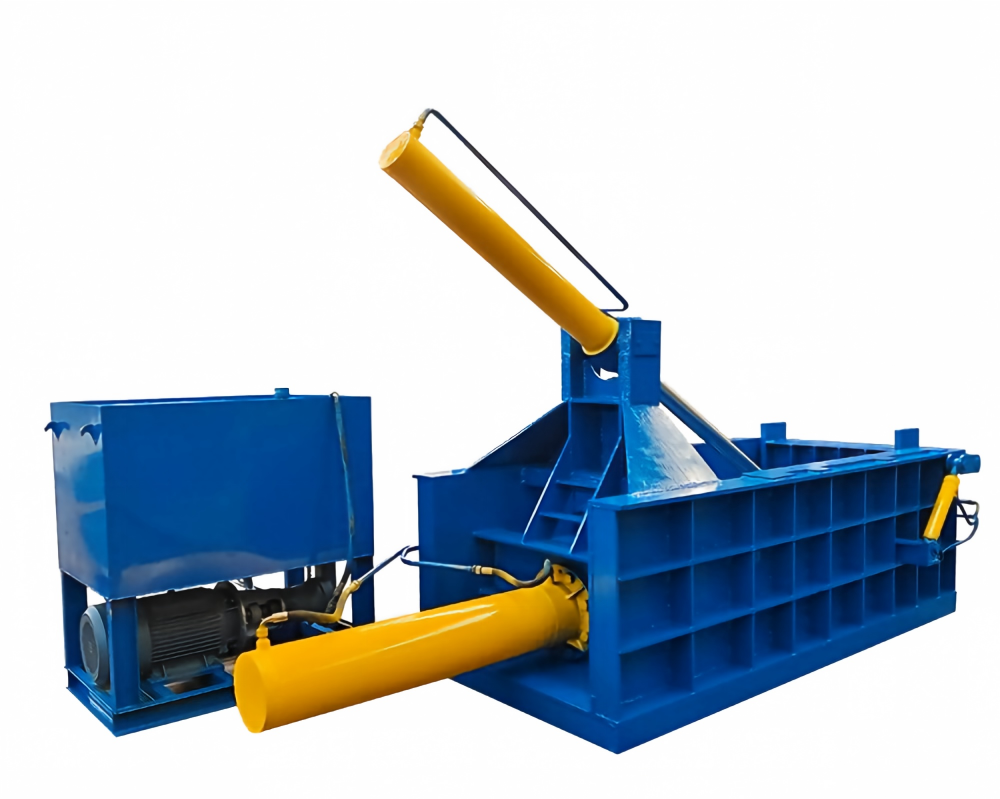
The reliability of a scrap metal baler is directly tied to the integrity of its electrical and control infrastructure. In heavy-duty production, the primary enemy of control systems is environmental contamination. Metal dust, oil mist, and moisture can infiltrate control cabinets, leading to short circuits, corrosion of terminal blocks, and intermittent signal loss. Maintaining a sealed, climate-controlled environment for the PLC cabinet is non-negotiable for long-term reliability.
Another critical consideration is the impact of electromagnetic interference (EMI). Heavy-duty balers utilize large electric motors and high-current hydraulic valves. If control wiring is not properly shielded or if it is routed too close to high-voltage power lines, the resulting EMI can cause “ghost” signals. These signals often lead to erratic machine behavior, such as unexpected cycle stops or false pressure readings, which are notoriously difficult to diagnose without proper diagnostic tools.
Vibration management is equally vital. Constant cycling of the baler creates significant mechanical shock. Over time, this vibration can loosen terminal connections, cause solder joints on circuit boards to crack, and lead to wire fatigue. Implementing a regular inspection schedule that includes tightening electrical connections and checking for wire chafing is a fundamental aspect of preventing control system failures before they manifest as downtime.
Finally, software stability and firmware updates play a role in modern baler performance. As production demands evolve, the logic governing the baler’s cycle may require fine-tuning. Ensuring that the PLC program is backed up and that the logic remains consistent with the machine’s mechanical capabilities is essential. Unauthorized modifications to the code can lead to dangerous operating conditions, making it imperative that only authorized personnel handle software adjustments.
Technical Details: Diagnosing Common Failures
When Troubleshooting Scrap Metal Baler Control System Failures In Heavy-Duty Production, the first step is to utilize the PLC’s diagnostic indicators. Most modern controllers feature LED status lights that provide immediate feedback on the state of inputs and outputs. If a machine fails to start a cycle, the technician should first check if the safety interlocks—such as the door sensors or emergency stop circuits—are showing a “closed” status. A single faulty limit switch can prevent the entire sequence from initiating.
Hydraulic pressure transducer failure is another common culprit. These sensors provide real-time data to the PLC regarding the compression force. If the transducer provides an erratic signal or fails entirely, the control system may default to a safe state, effectively disabling the machine to prevent over-pressurization. Technicians should use a multimeter to verify the voltage output of the transducer against the manufacturer’s specifications to determine if the sensor is faulty or if the issue lies within the wiring harness.
Communication errors between the PLC and the Human-Machine Interface (HMI) often manifest as a frozen screen or a “Communication Timeout” error. This is frequently caused by a damaged communication cable or a power supply fluctuation. In high-vibration environments, the RJ45 or serial connectors can become loose. Reseating these connections and inspecting the cable for physical damage is a quick and effective troubleshooting step that often resolves the issue without requiring expensive component replacement.
Relay and contactor wear is a mechanical aspect of the control system that often gets overlooked. Even in a digital control system, the PLC must trigger physical relays to operate high-voltage motor starters and solenoid valves. These relays have a finite lifespan. If a specific function of the baler—such as the ram advance—is failing, the technician should inspect the corresponding relay for pitted contacts or signs of overheating. Replacing a worn relay is a low-cost repair that can prevent damage to more expensive PLC output modules.
Selection Advice: Choosing Reliable Control Systems
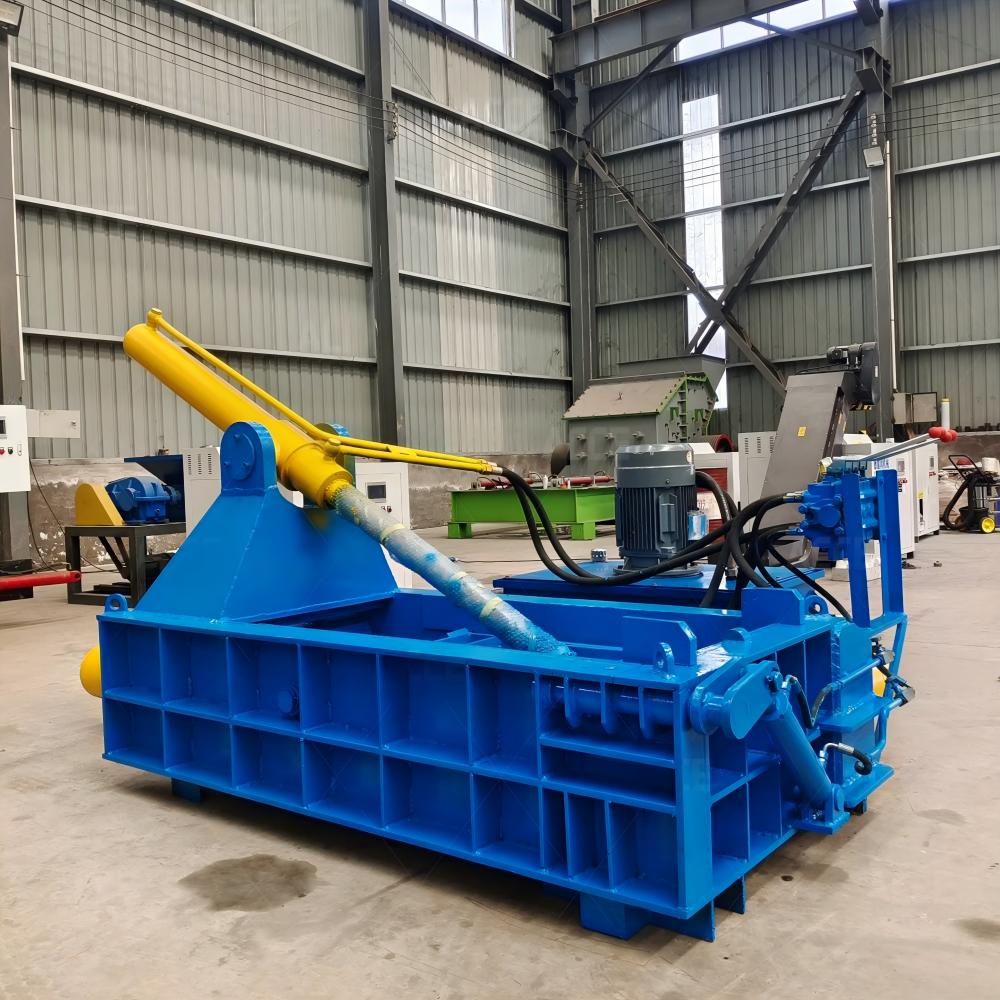
When investing in new metal fabrication equipment, the quality of the control system should be a primary selection criterion. HARSLE recommends prioritizing balers that utilize industry-standard PLC components, such as those from Siemens, Schneider Electric, or Allen-Bradley. These components are not only more reliable but also offer better availability for spare parts and technical support, which is crucial for minimizing downtime in heavy-duty production.
Consider the ease of diagnostics when selecting a machine. A baler with an advanced HMI that displays specific error codes (e.g., “E-04: Pressure Sensor Out of Range”) is significantly more valuable than one that simply displays a generic “System Fault” light. The ability to quickly identify the exact location of a fault reduces the mean time to repair (MTTR) and allows maintenance teams to focus their efforts effectively.
Evaluate the environmental protection ratings of the control cabinet. For scrap metal environments, an IP65 or higher rating is recommended to ensure that the internal electronics are protected from dust and moisture. Furthermore, look for machines that feature modular wiring designs. Modular systems allow for the quick replacement of individual sensors or actuators without the need for extensive rewiring, which is a major advantage during emergency repairs.
Finally, consider the manufacturer’s commitment to documentation and training. A high-quality baler should come with detailed electrical schematics, a comprehensive troubleshooting guide, and access to remote technical support. HARSLE provides extensive documentation to ensure that your team is equipped to handle minor issues internally, reducing the reliance on external service technicians and keeping your production line moving.
FAQ: Frequently Asked Questions
- Q: Why does my scrap metal baler stop mid-cycle?
A: This is often caused by a safety interlock being triggered or a pressure sensor detecting an abnormal load. Check the HMI for specific error codes and inspect the door sensors and hydraulic pressure readings. - Q: How often should I check the control cabinet for dust?
A: In heavy-duty environments, we recommend a monthly inspection. Use compressed air (at low pressure) or a vacuum to remove dust buildup from cooling fans and filters. - Q: Can I bypass a safety interlock to keep production running?
A: Absolutely not. Bypassing safety interlocks is extremely dangerous and violates industrial safety regulations. Always repair the faulty sensor or switch. - Q: What is the most common cause of PLC communication errors?
A: Loose connections due to machine vibration are the most frequent cause. Ensure all communication cables are securely seated and that cable shielding is intact. - Q: Should I upgrade my baler’s control system if it’s old?
A: If you are experiencing frequent failures and parts are becoming obsolete, a control system retrofit can significantly improve reliability and efficiency.
Conclusion
Troubleshooting Scrap Metal Baler Control System Failures In Heavy-Duty Production requires a blend of technical knowledge, systematic diagnostic procedures, and a commitment to preventative maintenance. By understanding the interaction between the PLC, sensors, and hydraulic components, maintenance teams can effectively mitigate the risks of downtime and ensure the long-term productivity of their metal fabrication equipment. HARSLE remains dedicated to providing high-performance machinery and the technical expertise necessary to keep your operations running smoothly. Remember, a well-maintained control system is not just an operational necessity; it is a vital investment in the safety and profitability of your facility.