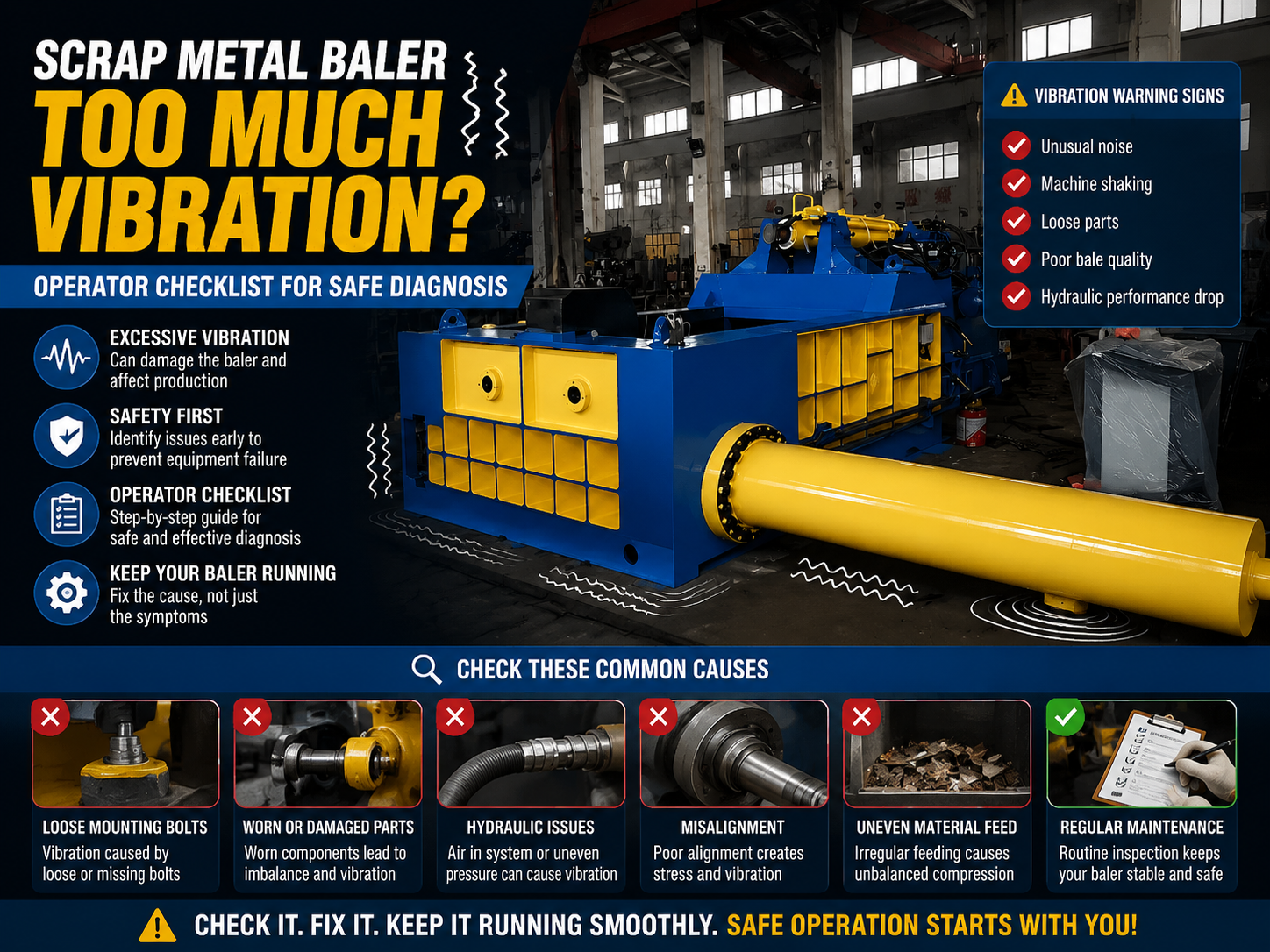
Scrap Metal Baler Too Much Vibration? Operator Checklist for Safe Diagnosis

Introduction: Understanding the Risks of Excessive Baler Vibration
In the high-pressure environment of a metal recycling facility, the scrap metal baler serves as the heartbeat of operations. When a scrap metal baler exhibits too much vibration, it is not merely a nuisance; it is a critical warning sign that the structural integrity and operational safety of the machine are at risk. Excessive vibration can lead to catastrophic mechanical failure, hydraulic leaks, and, most importantly, severe injury to operators. At HARSLE, we emphasize that proactive maintenance is the cornerstone of industrial longevity.
When you notice your scrap metal baler vibrating beyond its normal operating threshold, the first step is to remain calm and initiate a systematic shutdown procedure. Vibration is often the physical manifestation of internal stress, misalignment, or component fatigue. Ignoring these signs can result in costly downtime that far exceeds the price of a routine inspection. This guide serves as a comprehensive resource for operators and maintenance teams to diagnose these issues safely and effectively.
The goal of this article is to provide a structured approach to identifying the root causes of vibration. By following this operator checklist, you can distinguish between minor operational anomalies and severe mechanical failures. We will explore the technical nuances of hydraulic systems, structural mounts, and material feed issues that frequently plague industrial balers. Safety is our priority, and we encourage all operators to adhere to lockout/tagout (LOTO) procedures before performing any physical inspection.
Understanding the mechanical nature of your equipment is essential. Whether you are operating a horizontal baler or a vertical scrap press, the physics of vibration remains consistent. By learning to interpret the frequency and intensity of these vibrations, you can become a more effective operator, capable of preventing small issues from escalating into major equipment failures. Let us dive into the technical aspects of maintaining your HARSLE machinery.
Key Considerations for Safe Diagnosis
Before touching any component of the machine, safety must be the primary consideration. Diagnosing a scrap metal baler with too much vibration requires a methodical approach that prioritizes the operator’s well-being. Never attempt to inspect moving parts while the machine is under power. The hydraulic pressure within a baler is immense, and sudden movements caused by trapped energy can be fatal.
The first step in your checklist is to observe the vibration pattern while the machine is running from a safe distance. Is the vibration constant, or does it occur only during the compression stroke? Does it coincide with the movement of the ram? By documenting these observations, you provide maintenance teams with critical data that can significantly speed up the repair process. Always record the time, load type, and specific cycle phase when the vibration is most pronounced.
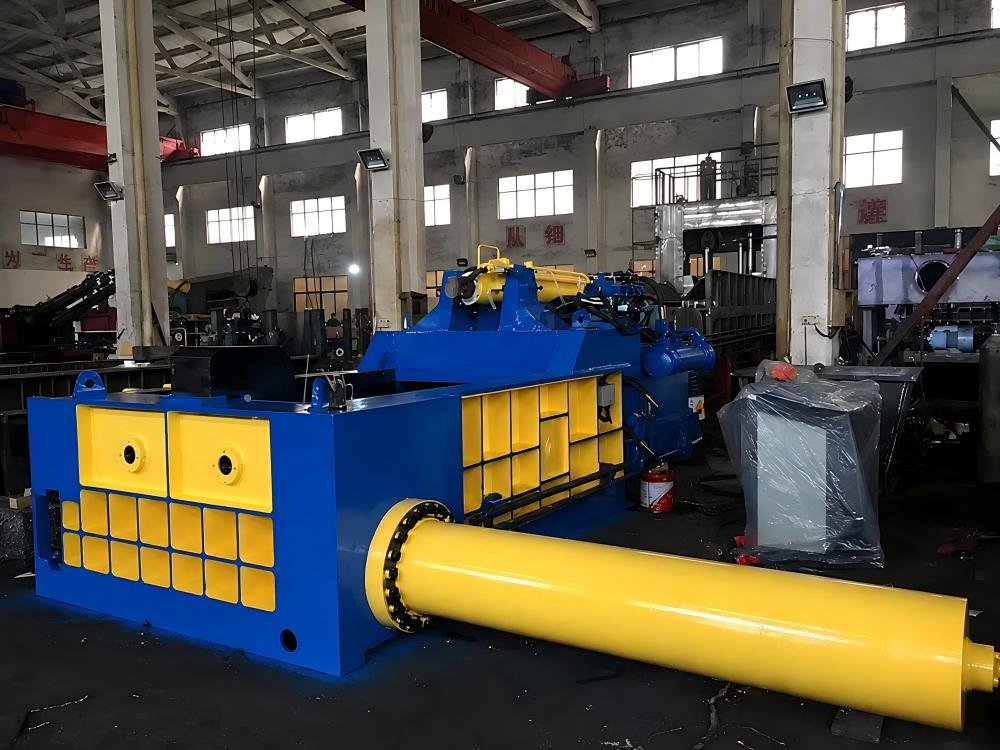
Environmental factors also play a significant role. Check the foundation of the baler. Industrial machinery of this scale requires a reinforced concrete pad that is perfectly level. Over time, ground settling or seismic shifts can cause the baler to lose contact with its mounting points, leading to harmonic resonance. If the machine is not bolted down securely, even minor internal imbalances can manifest as violent shaking.
Finally, consider the material being processed. Are you feeding the baler material that exceeds its design specifications? Overloading the chamber with oversized or high-density scrap can cause the ram to bind or the hydraulic system to struggle. This struggle often translates into vibration as the pump works harder to overcome the resistance. Always ensure that the scrap type matches the machine’s rated capacity to avoid unnecessary mechanical strain.
Technical Details: Pinpointing the Source of Vibration
To effectively address a scrap metal baler with too much vibration, one must understand the three primary culprits: hydraulic system instability, mechanical misalignment, and structural fatigue. The hydraulic system is the most common source of vibration. Air trapped in the hydraulic lines, known as cavitation, can cause the pump to vibrate violently. This is often accompanied by a distinct ‘growling’ or ‘whining’ sound. Checking the hydraulic fluid levels and ensuring the suction filters are clean is the first technical step.
Mechanical misalignment is the second major factor. The ram guides and the cylinder mounting points must be perfectly aligned. If the ram is slightly tilted, it will strike the chamber walls during the compression stroke, creating a rhythmic vibration. Inspect the wear plates inside the baler chamber. If these plates are worn unevenly, they can cause the ram to shift, leading to metal-on-metal contact that vibrates through the entire frame.
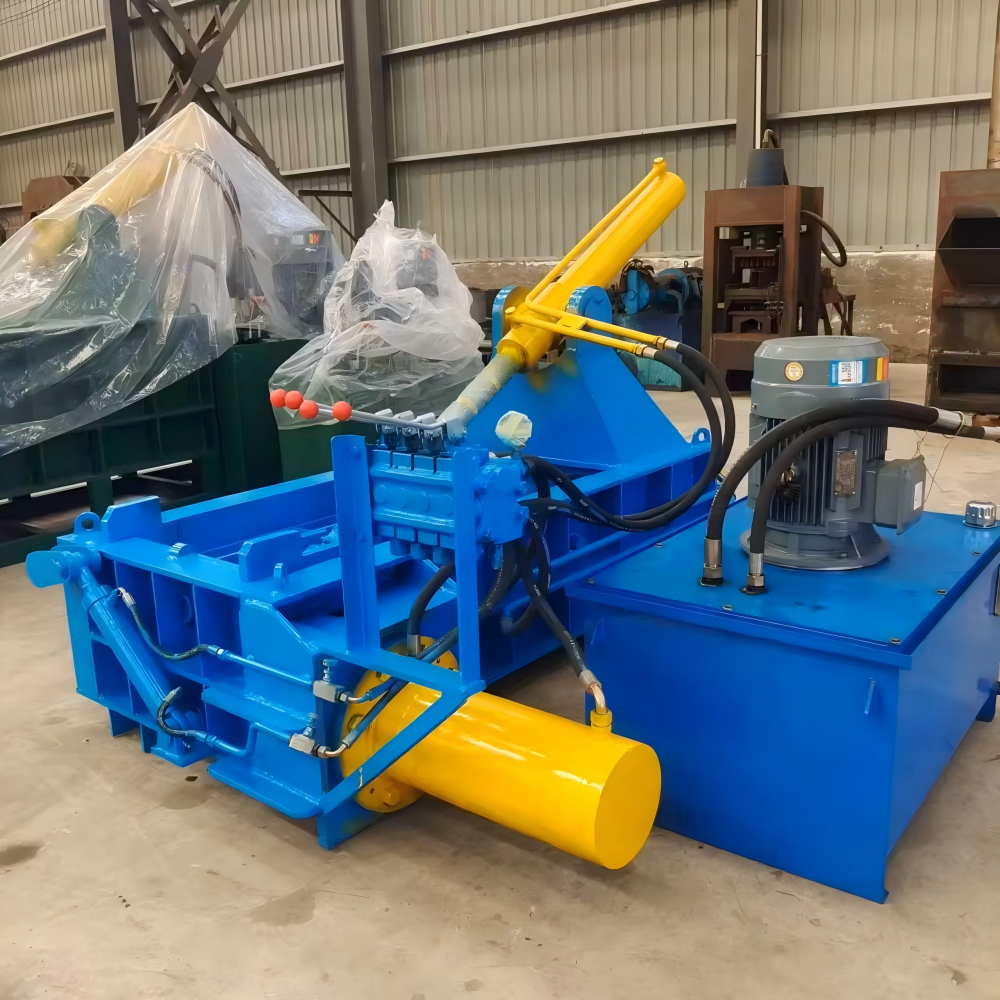
The hydraulic pump and motor coupling is another critical area. If the flexible coupling between the motor and the pump has degraded, the power transmission will be uneven. This creates a high-frequency vibration that can damage the pump bearings over time. Regularly inspecting the coupling for signs of rubber degradation or loose bolts is a simple yet effective maintenance task that can save your pump from premature failure.
Lastly, consider the structural integrity of the baler frame. Over years of operation, the constant stress of compression can lead to hairline cracks in the welds. These cracks, while sometimes invisible to the naked eye, can compromise the rigidity of the machine. When the frame loses its rigidity, it can no longer dampen the forces generated during the baling process, resulting in excessive vibration. Utilizing non-destructive testing (NDT) methods like dye penetrant inspection can help identify these hidden structural issues.
Operator Checklist for Safe Diagnosis
To streamline your maintenance process, we have compiled a comprehensive checklist for operators. Following these steps will ensure that you cover all bases when investigating vibration issues:
- Power Down and LOTO: Always perform a full lockout/tagout procedure before opening any access panels or inspecting internal components.
- Foundation Check: Verify that all anchor bolts are tight and that the machine has not shifted on its concrete pad.
- Hydraulic Fluid Inspection: Check the oil level and look for signs of aeration (foamy oil) or contamination.
- Filter Maintenance: Inspect and replace hydraulic return and suction filters if they are clogged, as this causes pump strain.
- Ram Alignment: Visually inspect the ram for signs of uneven wear or debris buildup in the tracks.
- Coupling Inspection: Check the motor-to-pump coupling for wear, cracks, or loose fasteners.
- Structural Weld Review: Look for signs of stress fractures or rust around the main frame joints and cylinder mounts.
- Material Feed Audit: Ensure that the scrap being baled is within the machine’s specified density and size limits.
By systematically working through this list, you can eliminate common variables. If the vibration persists after these checks, it is time to consult with a certified HARSLE technician. Attempting to disassemble complex hydraulic cylinders or main frame components without specialized training can lead to further damage or injury.
Selection Advice: Choosing the Right Baler for Your Needs
When selecting a scrap metal baler, vibration prevention begins at the point of purchase. Choosing a machine that is over-engineered for your specific application is the best way to ensure long-term stability. If your facility processes high-density steel, do not opt for a light-duty baler. The constant strain of operating at the machine’s maximum limit will inevitably lead to vibration and structural fatigue.
Consider the hydraulic system design. Modern HARSLE balers utilize advanced hydraulic circuits that minimize pressure spikes and smooth out the compression cycle. When evaluating different models, ask about the pump type and the dampening systems integrated into the hydraulic manifold. A well-designed system will operate with minimal noise and vibration, even under heavy loads.
Think about the ease of maintenance. A machine that is difficult to service will often be neglected, leading to the very vibration issues we are discussing. Look for balers with accessible maintenance ports, clear sight glasses for fluid levels, and modular components that can be easily replaced. HARSLE designs its equipment with the operator in mind, ensuring that routine inspections are straightforward and safe.
Finally, consider the manufacturer’s support network. A scrap metal baler is a long-term investment. You need a partner who provides comprehensive documentation, spare parts availability, and technical support. When you choose a reputable manufacturer, you gain access to the expertise required to keep your machine running smoothly for decades, minimizing the risk of vibration-related downtime.
FAQ: Common Questions About Baler Vibration
Q: Why does my baler vibrate only when the ram is retracting?
A: This is often caused by a restriction in the hydraulic return line or a faulty decompression valve. When the oil cannot return to the tank efficiently, it creates backpressure that causes the cylinder to shudder.
Q: Can loose bolts cause serious damage?
A: Yes. Loose bolts allow components to move slightly during each cycle. Over time, this movement enlarges the bolt holes and can lead to the shearing of bolts or the cracking of the surrounding metal frame.
Q: How often should I check the hydraulic fluid?
A: We recommend checking the fluid level weekly and performing a full oil analysis every 500 to 1,000 operating hours to check for metal particulates that indicate internal pump wear.
Q: Is it normal for a baler to shake slightly during the final compression?
A: A minor amount of movement is expected due to the extreme forces involved. However, if the shaking is violent enough to move the machine on its foundation or cause loud banging noises, it is not normal and requires immediate inspection.
Conclusion: Maintaining Operational Excellence
Addressing a scrap metal baler with too much vibration is a critical responsibility for any operator. By understanding the mechanical and hydraulic factors that contribute to these issues, you can take control of your facility’s safety and productivity. The checklist provided in this guide is designed to help you identify problems early, before they result in expensive repairs or hazardous working conditions.
At HARSLE, we are committed to providing the metal fabrication industry with robust, reliable, and safe equipment. We believe that an informed operator is the most valuable asset in any workshop. By prioritizing regular maintenance, adhering to safety protocols, and choosing the right machinery for your specific needs, you can ensure that your scrap metal baler remains a productive part of your operation for years to come.
Remember, vibration is the machine’s way of communicating. Listen to it, investigate it, and resolve it. Whether you are dealing with a simple loose bolt or a more complex hydraulic issue, taking action today will prevent the headaches of tomorrow. If you have any questions regarding your specific HARSLE baler model, our technical support team is always available to assist you in maintaining the highest standards of industrial performance.