Why Scrap Metal Baler Ram Sticks or Moves Unevenly and How to Repair It

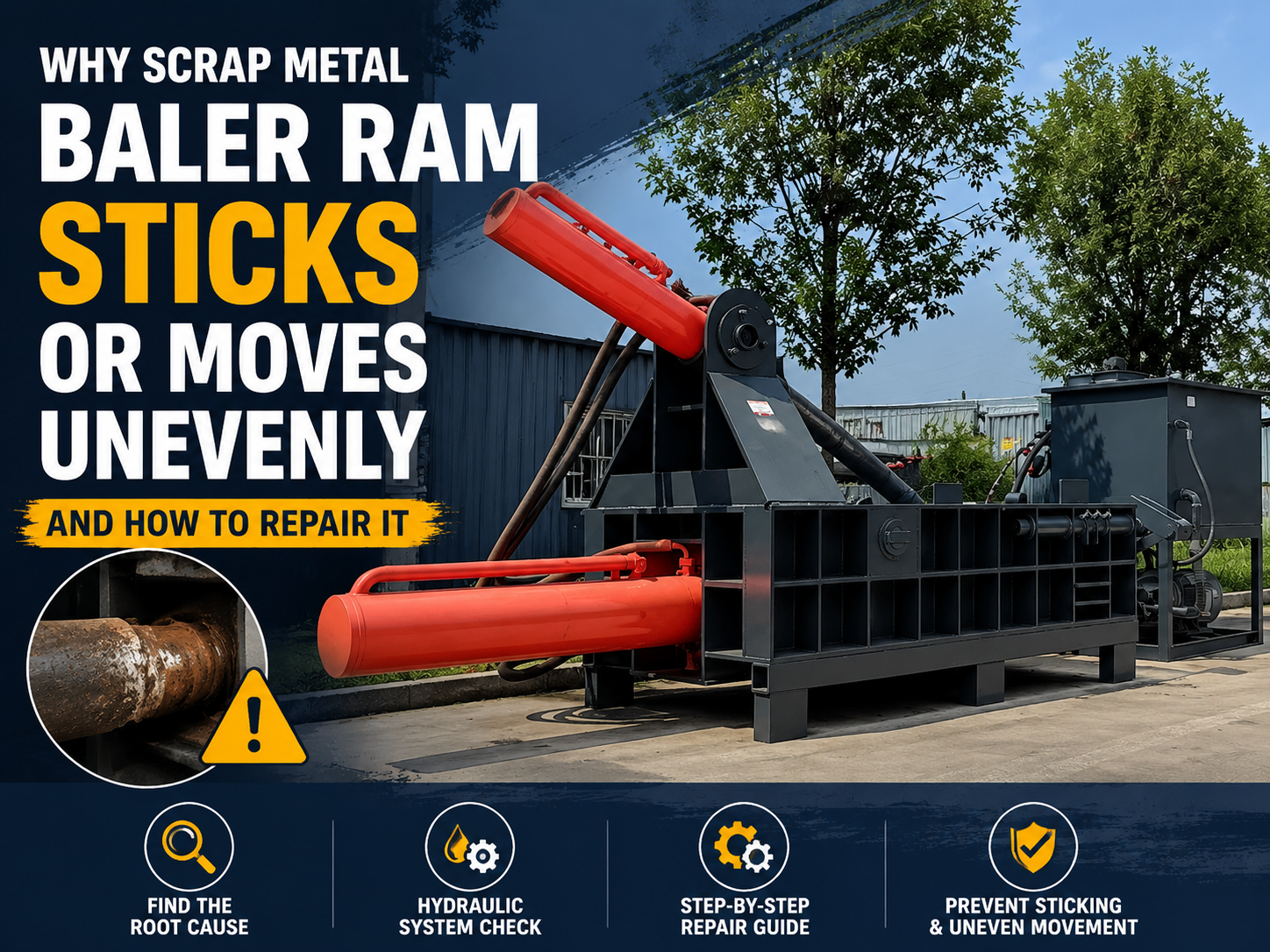
Introduction to Scrap Metal Baler Performance Issues
In the high-pressure world of metal recycling and fabrication, the scrap metal baler serves as the backbone of operational efficiency. When you encounter a situation where the scrap metal baler ram sticks or moves unevenly, it is not merely a minor inconvenience; it is a significant bottleneck that halts production and threatens the longevity of your hydraulic equipment. Understanding why this happens is the first step toward restoring peak performance.
At HARSLE, we emphasize that hydraulic systems are precision-engineered components. When a ram begins to stutter, jerk, or seize, it is almost always a symptom of an underlying mechanical or fluid-related failure. Whether you are operating a heavy-duty 160T baler or a smaller unit, the principles of hydraulic motion remain consistent. By diagnosing the root cause early, you can prevent catastrophic cylinder failure and costly downtime.
This comprehensive guide explores the technical intricacies of why your scrap metal baler ram sticks or moves unevenly and provides actionable steps to repair it. We will delve into hydraulic fluid integrity, mechanical alignment, seal degradation, and electrical control issues, ensuring that your facility remains productive and safe. Proper maintenance is the hallmark of a successful metal fabrication business, and mastering these troubleshooting techniques is essential for every operator.
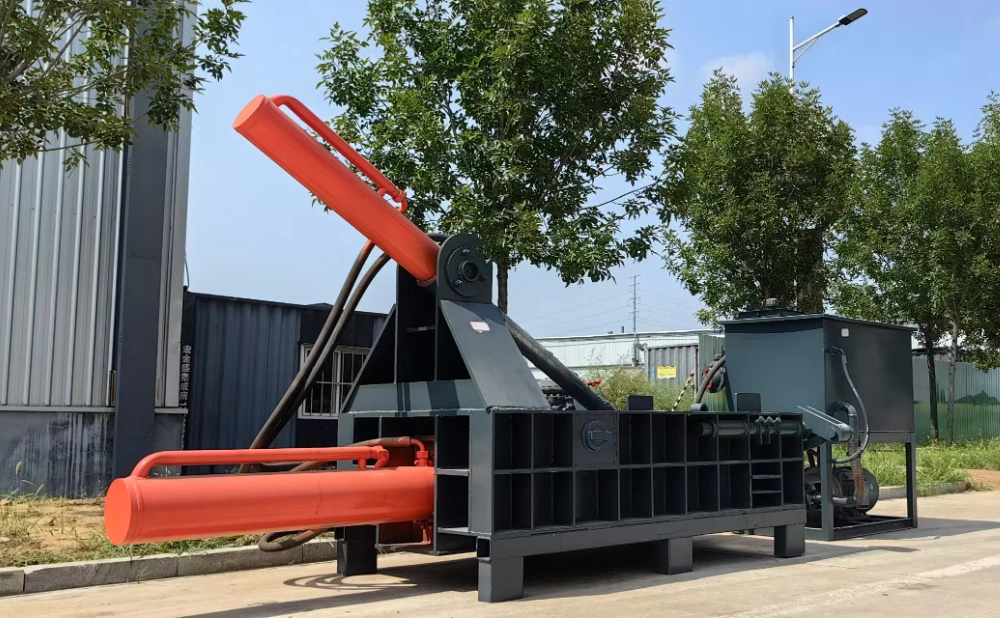
Key Considerations for Hydraulic Ram Stability
Before diving into complex repairs, it is vital to understand the environment in which your scrap metal baler operates. Metal fabrication equipment is subjected to extreme forces, heat, and abrasive contaminants. The ram, which is responsible for compressing loose scrap into dense, manageable bales, relies on a perfectly balanced hydraulic circuit to maintain smooth, linear motion. When this balance is disrupted, the ram will inevitably exhibit signs of instability.
The first key consideration is the quality and condition of your hydraulic oil. Hydraulic fluid is the lifeblood of the baler; it transmits power, lubricates moving parts, and dissipates heat. If the oil is contaminated with metal shavings, moisture, or sludge, it can cause the control valves to stick or the cylinder seals to bypass fluid internally. Regular oil analysis is a non-negotiable aspect of industrial maintenance that often gets overlooked until a failure occurs.
Secondly, structural alignment plays a critical role. If the baler frame has been subjected to overloading or uneven loading of scrap, the guide rails or the ram housing itself may become slightly misaligned. This misalignment creates friction, causing the ram to stick or move unevenly as it encounters resistance points along its stroke. Checking the physical integrity of the guide shoes and the ram face is essential for identifying mechanical binding.
Finally, consider the electrical and control interface. Modern scrap metal balers utilize sophisticated PLC (Programmable Logic Controller) systems to manage the timing and pressure of the ram. If the sensors are providing erratic feedback or if the solenoid valves are receiving inconsistent electrical signals, the ram may appear to move unevenly due to rapid, micro-adjustments in pressure. Distinguishing between a mechanical “stick” and an electrical “stutter” is a vital diagnostic skill.
Technical Details: Why the Ram Sticks or Moves Unevenly
When a scrap metal baler ram sticks or moves unevenly, the cause is typically found within one of three categories: hydraulic pressure instability, mechanical obstruction, or seal failure. Understanding these technical details allows maintenance teams to perform a targeted repair rather than a “trial and error” approach that wastes time and resources.
Hydraulic Pressure Instability
Hydraulic pressure instability is often caused by air trapped in the system. Air is compressible, whereas hydraulic fluid is not. If air enters the cylinder, the ram will feel “spongy” and move unevenly as the air bubbles expand and contract under pressure. Bleeding the hydraulic system is a standard procedure that should be performed after any maintenance or if the oil level has dropped significantly.
Another common culprit is a faulty pressure relief valve. If the valve is set incorrectly or is clogged with debris, it may fail to maintain a steady flow of oil to the cylinder. This results in pressure spikes and drops, causing the ram to jerk during its cycle. Inspecting the valve manifold for debris and ensuring the pressure settings match the manufacturer’s specifications is a critical step in the repair process.
Mechanical Obstructions and Wear
The ram moves along guide rails or wear plates. Over time, these components accumulate dirt, metal dust, and oxidized scrap particles. If these contaminants are not cleaned regularly, they can form a paste that increases friction significantly. In severe cases, the ram may physically bind against the housing, causing it to stop mid-stroke. Regular lubrication and cleaning of the guide surfaces are essential to prevent this type of mechanical sticking.
Furthermore, check for physical damage to the ram rod. A small nick, scratch, or dent on the chrome-plated surface of the rod can tear the internal seals as it passes through the cylinder head. Once the seal is damaged, internal leakage occurs, leading to uneven movement and a loss of pressing force. If you notice scoring on the rod, it must be polished or replaced immediately to prevent further damage to the cylinder assembly.
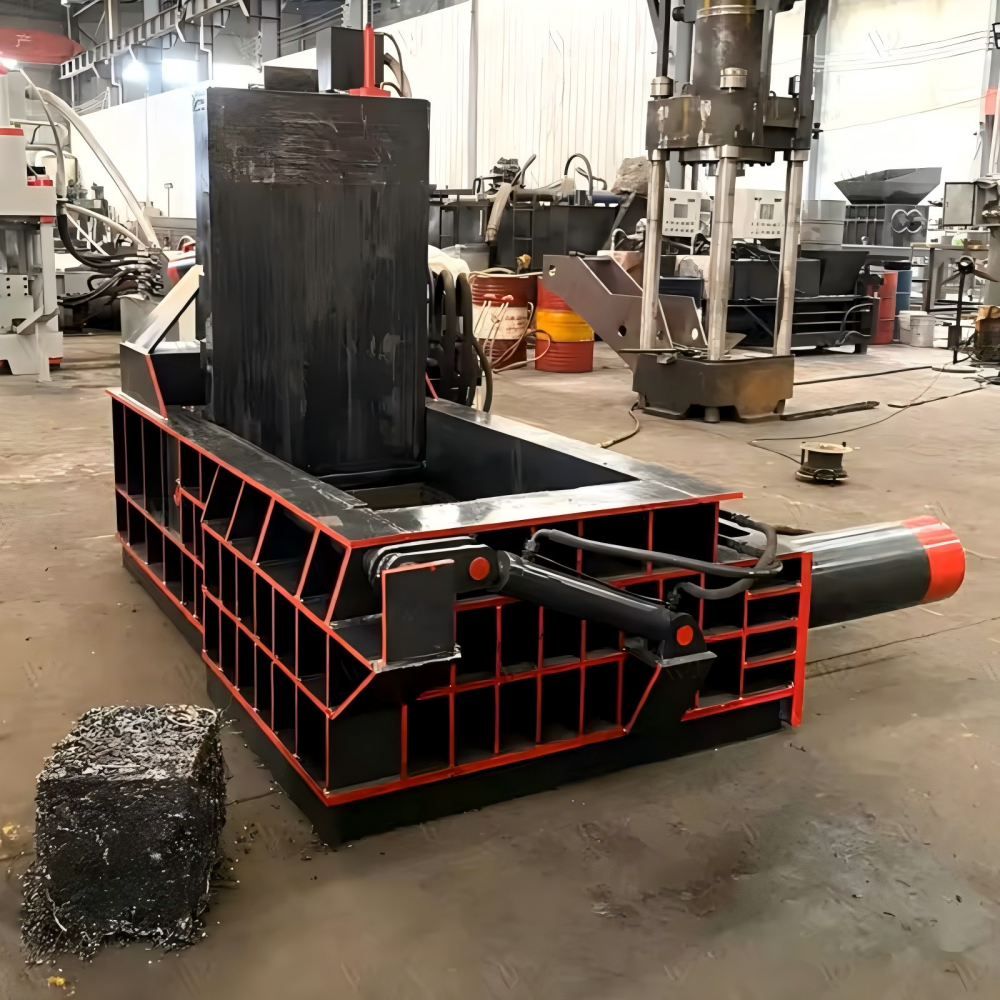
Seal Degradation and Internal Leakage
Internal leakage is a silent killer of hydraulic performance. The piston seals inside the cylinder are designed to keep high-pressure oil on one side of the piston. If these seals wear out, oil leaks past the piston, effectively reducing the force the ram can exert. This often manifests as the ram moving smoothly under no load but sticking or slowing down significantly when it encounters the resistance of the scrap metal.
To diagnose this, perform a drift test. Extend the ram, shut off the machine, and observe if the ram retracts on its own. If it does, you likely have an internal seal failure or a leaking check valve. Replacing the seal kit is a labor-intensive but necessary repair that restores the baler to its original factory specifications. Always use OEM-grade seals to ensure compatibility with the high pressures generated by HARSLE equipment.
Repairing the Scrap Metal Baler Ram: A Step-by-Step Approach
Repairing a scrap metal baler ram that sticks or moves unevenly requires a systematic approach. Before beginning any work, ensure the machine is locked out and tagged out (LOTO) to prevent accidental activation. Safety is paramount when working with high-pressure hydraulic systems.
Step 1: Diagnostic Inspection
Start by observing the ram during a full cycle. Does it stick at a specific point in the stroke? If so, the issue is likely mechanical—a bent guide rail or a buildup of debris at that specific location. If the ram stutters throughout the entire stroke, the issue is likely hydraulic, such as air in the lines, a failing pump, or a faulty control valve.
Step 2: Fluid and Filter Maintenance
Check the hydraulic oil level and condition. If the oil appears milky, it is contaminated with water. If it smells burnt, the system has been overheating. Replace the hydraulic filters immediately. Often, a clogged filter restricts flow, causing the pump to cavitate and the ram to move unevenly. After replacing the filters, cycle the machine several times to ensure the system is properly bled of air.
Step 3: Cleaning and Lubrication
Clean the ram housing and guide rails thoroughly. Use a degreaser to remove old, gritty lubricant that may be causing friction. Inspect the guide shoes for excessive wear. If the shoes are worn down to the metal, they will cause the ram to tilt slightly, leading to uneven movement. Replace the guide shoes and apply fresh, high-pressure grease as recommended by the HARSLE maintenance manual.
Step 4: Hydraulic Component Testing
If the mechanical components are in good condition, test the solenoid valves. Use a multimeter to ensure the valves are receiving the correct voltage. If the electrical signal is steady but the valve is sluggish, the valve spool may be stuck due to varnish buildup. Disassemble and clean the valve manifold, ensuring that all O-rings are intact. If the valve is worn, replace it to ensure precise control over the ram’s movement.
Step 5: Cylinder Seal Replacement
If the ram fails the drift test or lacks pressing force, the cylinder must be disassembled to replace the piston seals. This is a major repair that should be performed in a clean environment to prevent contaminants from entering the hydraulic system. Once the cylinder is opened, inspect the cylinder bore for scoring. If the bore is damaged, it may need to be honed or the entire cylinder replaced to ensure a proper seal.
Selection Advice: Choosing the Right Equipment to Avoid Future Issues
Preventing the issue of a sticking ram starts long before the repair phase—it begins with the selection of the right scrap metal baler. When investing in metal fabrication equipment, prioritize build quality and ease of maintenance. HARSLE balers are designed with modular hydraulic systems that allow for easier access to valves and cylinders, significantly reducing the time required for routine maintenance and repairs.
Consider the duty cycle of your operation. If you are processing high volumes of scrap, a light-duty baler will be pushed beyond its limits, leading to premature wear of the ram and hydraulic components. Always select a machine with a capacity rating that exceeds your average daily throughput. This “headroom” ensures that the hydraulic system operates within its optimal pressure range, extending the life of seals and valves.
Look for features such as automated lubrication systems and high-quality filtration indicators. An automated lubrication system ensures that guide rails remain coated, reducing friction and preventing the ram from sticking. Filtration indicators provide real-time feedback on the condition of your hydraulic oil, allowing you to replace filters before they become clogged and cause performance issues.
Finally, partner with a reputable manufacturer that provides comprehensive technical support and readily available spare parts. A scrap metal baler is a long-term investment. Having access to genuine replacement parts and expert guidance from the manufacturer ensures that if your ram does begin to stick, you have the resources to repair it quickly and correctly, minimizing downtime and protecting your bottom line.
Frequently Asked Questions (FAQ)
Why does my scrap metal baler ram move unevenly only under load?
This is a classic symptom of internal seal bypass. When the ram is empty, there is little resistance, so the oil doesn’t need to work hard to move the piston. Under load, the pressure increases, and if the seals are worn, the oil leaks past the piston, causing the ram to slow down, jerk, or stop entirely.
How often should I change the hydraulic oil in my baler?
Generally, hydraulic oil should be changed every 2,000 to 4,000 operating hours, or once a year, whichever comes first. However, if your baler operates in a dusty or high-heat environment, you may need to change the oil more frequently. Always follow the specific interval recommendations provided in your HARSLE operation manual.
Can I use generic hydraulic seals for my HARSLE baler?
We strongly recommend using OEM-grade seals. Hydraulic systems in scrap metal balers operate at very high pressures. Generic seals may not be rated for these pressures or may not be compatible with the specific hydraulic fluid used, leading to premature failure and potential damage to the cylinder bore.
What is the most common cause of a sticking ram?
The most common cause is a lack of lubrication on the guide rails combined with the accumulation of metal dust and debris. This creates physical friction that the hydraulic system struggles to overcome. Regular cleaning and greasing are the best preventative measures.
Is it safe to repair the hydraulic cylinder myself?
If your maintenance team has experience with hydraulic systems, they can perform basic seal replacements. However, because hydraulic systems operate under extreme pressure, any error can result in injury or equipment damage. If you are unsure, it is always best to contact HARSLE technical support or a certified hydraulic technician.
Conclusion
A scrap metal baler ram that sticks or moves unevenly is a clear signal that your equipment requires attention. By understanding the interplay between hydraulic pressure, mechanical alignment, and seal integrity, you can effectively diagnose and repair these issues. Whether it is a simple matter of cleaning guide rails or a more complex task like replacing internal cylinder seals, a proactive approach to maintenance will keep your HARSLE baler running smoothly for years to come.
Remember that the longevity of your metal fabrication equipment is directly tied to the quality of care it receives. By performing regular inspections, using high-quality hydraulic fluids, and addressing minor issues before they escalate, you ensure that your facility remains a leader in the recycling industry. If you ever find yourself facing a challenge that exceeds your internal capabilities, do not hesitate to reach out to the HARSLE support team for professional guidance and genuine spare parts.
Investing in the right equipment and maintaining it with precision is the hallmark of a successful business. Keep your ram moving, your bales dense, and your production line flowing by staying vigilant and informed about the health of your scrap metal baler.