Scrap Metal Baler Door Won’t Close: Common Faults and Fixes

Introduction
In the high-pressure environment of a metal recycling facility, downtime is the enemy of profitability. When you encounter a situation where your scrap metal baler door won’t close, it halts the entire production line, leading to backlogs and operational inefficiencies. Understanding the Scrap Metal Baler Door Won’t Close: Common Faults Fixes is essential for every maintenance manager and machine operator working with industrial metal fabrication equipment.
HARSLE scrap metal balers are engineered for durability and high-volume performance, but like any heavy-duty hydraulic system, they require precise alignment and regular maintenance. A door that fails to latch or close properly is often a symptom of underlying mechanical stress, sensor misalignment, or hydraulic pressure issues. This guide provides a comprehensive technical breakdown of why these failures occur and how to resolve them safely.
By addressing these issues systematically, you can prevent minor inconveniences from escalating into costly repairs. Whether you are dealing with a manual door latch or an automated hydraulic locking mechanism, the following sections will walk you through the diagnostic process. We aim to empower your maintenance team with the knowledge required to keep your HARSLE equipment operating at peak capacity.
Key Considerations for Baler Door Integrity
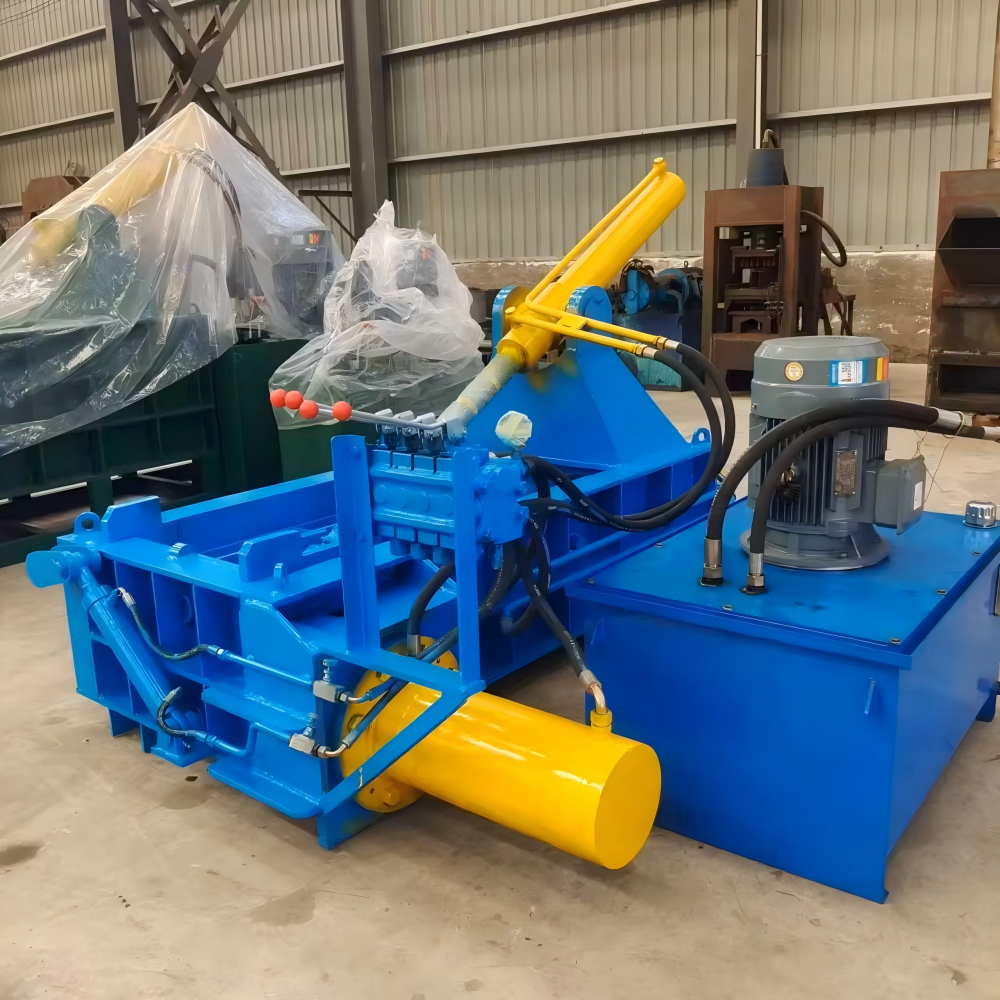
Before diving into technical repairs, it is vital to understand the structural role of the baler door. The door is not merely a cover; it is a critical component of the compression chamber that must withstand immense internal pressure. If the door does not close flush, the interlock system—a safety feature designed to prevent the ram from cycling while the chamber is open—will prevent the machine from starting.
One of the most common reasons for a door failing to close is the accumulation of debris. Scrap metal, especially fine shavings or small offcuts, can easily lodge itself in the door hinges or the locking mechanism. Even a small piece of metal can prevent the door from reaching the sensor threshold required to engage the locking pins. Regular cleaning schedules are the first line of defense against this common operational fault.
Another key consideration is the structural integrity of the door frame. Over time, the repeated impact of the ram and the pressure of the compressed bale can cause the chamber to warp slightly. If the frame is out of square, the door will not align with the locking mechanism, regardless of how much force is applied. Operators should perform visual inspections of the door frame for signs of bowing or stress fractures during every shift change.
Finally, consider the environmental factors of your facility. Extreme temperatures, humidity, and dust can affect the performance of hydraulic seals and electronic sensors. If your baler is located in an outdoor or semi-outdoor environment, the door hinges may suffer from corrosion or lack of lubrication, leading to increased friction that prevents the door from swinging shut smoothly. Always ensure that the hinge points are well-greased and free of rust.
Technical Details: Troubleshooting the Door Mechanism
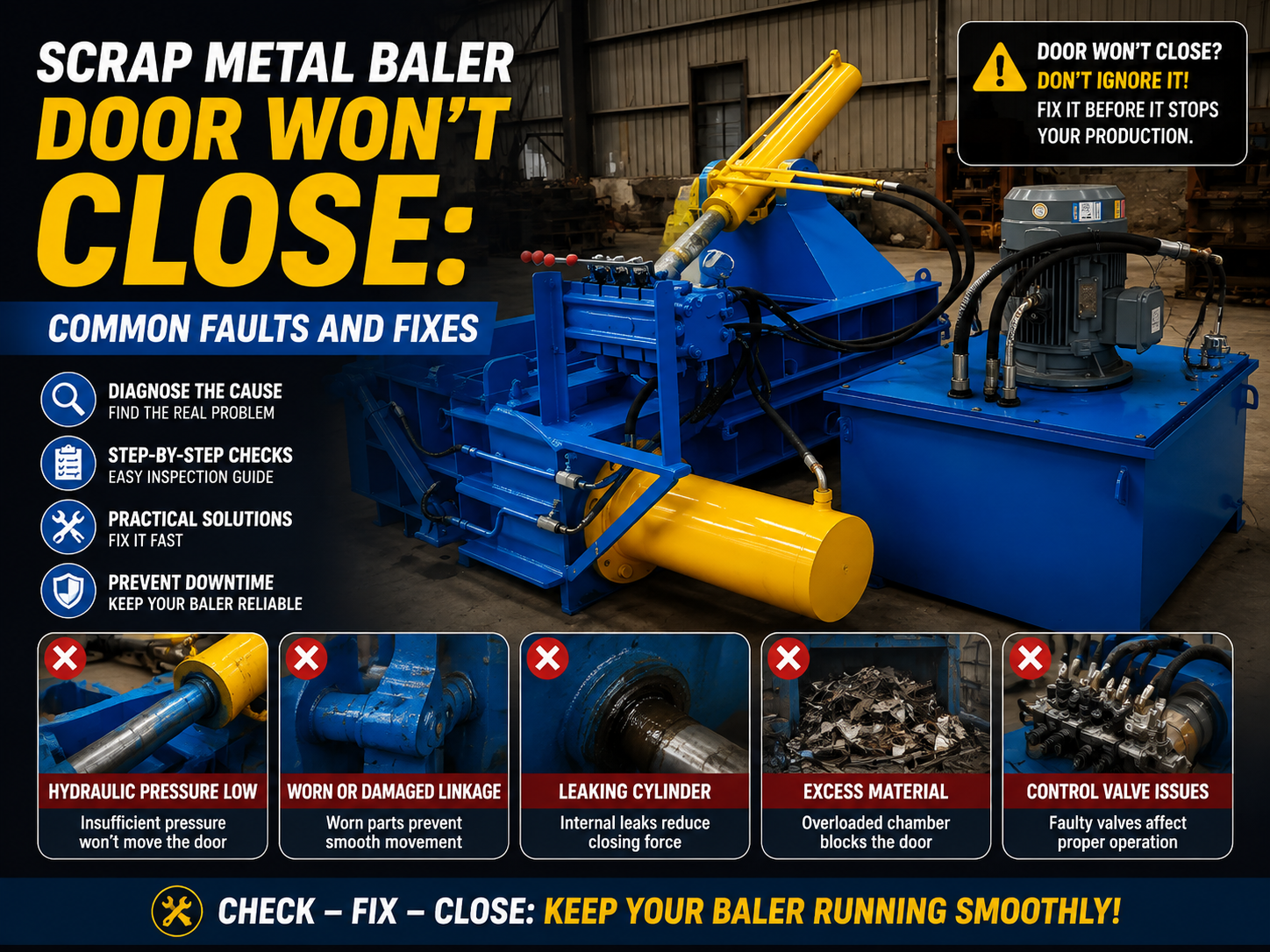
When you are faced with the issue of a Scrap Metal Baler Door Won’t Close: Common Faults Fixes, the first step is to isolate the problem between mechanical, hydraulic, or electrical systems. Start by checking the door interlock switches. These are safety sensors that detect when the door is fully closed. If the sensor is faulty or misaligned, the control panel will register the door as ‘open’ even if it is physically shut.
Next, inspect the hydraulic locking cylinders. Many industrial balers use hydraulic rams to pull the door tight against the frame. If the hydraulic fluid level is low, or if there is air trapped in the lines, the cylinders may lack the force required to pull the door into the final locked position. Check your hydraulic pressure gauges to ensure they are within the manufacturer’s recommended operating range. If the pressure is low, inspect the hoses for leaks or kinks.
The door hinges and latch pins are the most common mechanical failure points. Over time, the weight of the heavy steel door can cause the hinges to sag. Use a level to check the alignment of the door relative to the chamber. If the door is sagging, you may need to adjust the hinge bolts or shim the hinges to restore proper alignment. Additionally, check the latch pins for wear; if the pins are rounded or damaged, they will not seat properly in the locking holes.
Electrical faults can also mimic mechanical issues. Check the wiring leading to the door sensors for signs of fraying or damage caused by vibration. If the baler is controlled by a PLC (Programmable Logic Controller), check the input/output status on the screen. If the sensor input is not lighting up when the door is closed, the sensor itself may have failed and requires replacement. Always disconnect the main power supply before performing any electrical diagnostic work.
Selection Advice: Choosing the Right Baler for Your Needs
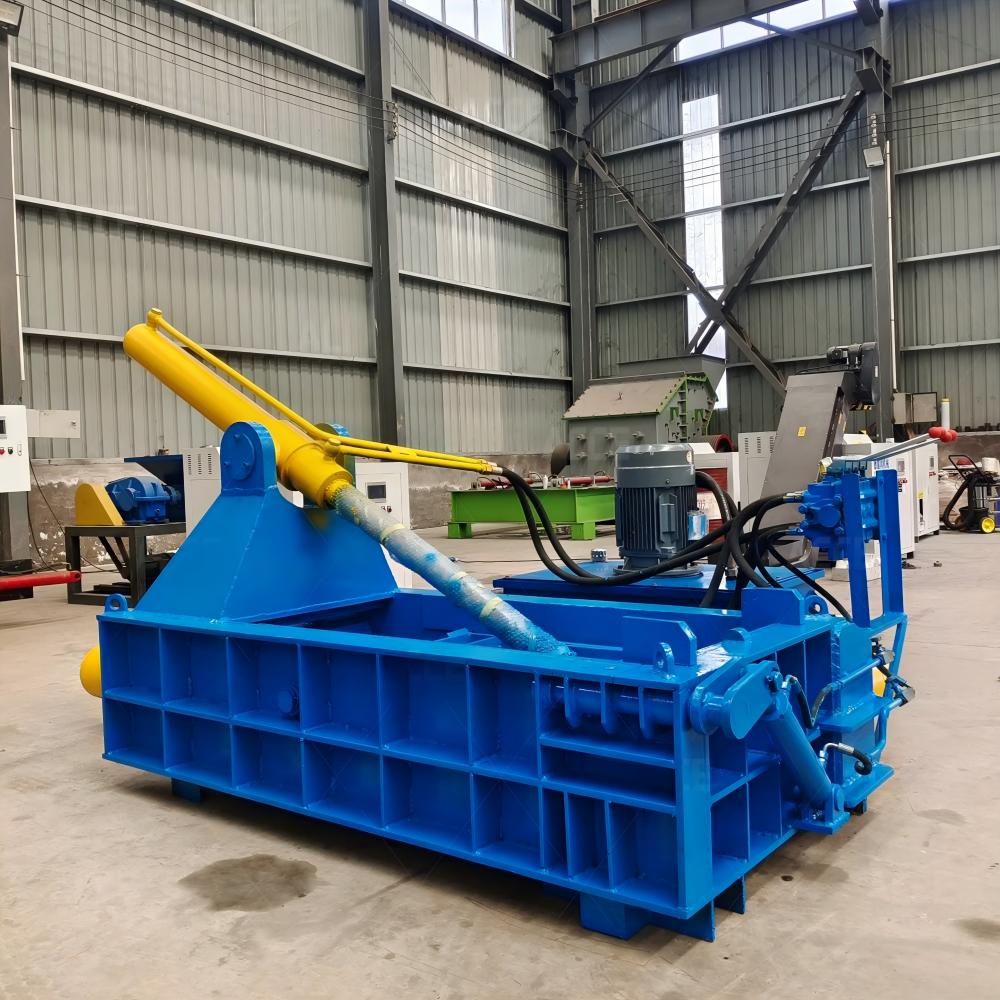
When selecting a scrap metal baler, the door design is a major factor in long-term reliability. HARSLE offers various door configurations, including side-hinged, vertical-sliding, and hydraulic-assisted doors. For high-volume operations, hydraulic-assisted doors are generally more reliable because they provide consistent closing force, reducing the likelihood of manual latching errors.
Consider the material type you are processing. If you are baling heavy, dense scrap, you need a machine with a reinforced door frame and heavy-duty locking pins. A lighter-duty baler used for thin aluminum sheets might be sufficient for some, but if you attempt to process heavy steel, the door frame will eventually deform, leading to the exact closing issues discussed in this guide. Always match the machine’s capacity to your specific scrap density.
Look for machines with integrated diagnostic systems. Modern HARSLE balers often come with digital interfaces that provide error codes when a door fails to close. This feature drastically reduces troubleshooting time by pointing the operator directly to the faulty sensor or hydraulic circuit. Investing in a machine with advanced diagnostics is a cost-effective strategy for minimizing downtime.
Finally, consider the ease of maintenance. When evaluating a potential purchase, ask about the accessibility of the door hinges and sensors. Can they be reached easily without removing large panels? Are the hydraulic components standard sizes that are easy to source? A machine that is designed with the maintenance technician in mind will always have a lower total cost of ownership over its lifespan.
FAQ: Frequently Asked Questions
Why does my baler door show as open when it is physically closed?
This is usually due to a misaligned or faulty limit switch. Check the sensor to ensure it is being triggered by the door’s contact point. If the sensor is damaged or covered in debris, it will fail to send the ‘closed’ signal to the PLC.
How often should I lubricate the door hinges?
For heavy-duty scrap metal balers, we recommend lubricating the hinges at least once a week, or more frequently if the machine is operating in a high-dust environment. Use a high-pressure, water-resistant grease to ensure longevity.
Can I bypass the door interlock switch to keep working?
No. Bypassing safety interlocks is extremely dangerous and violates industrial safety regulations. The interlock is there to prevent the ram from crushing the operator if the door is opened. Always repair the fault rather than bypassing the safety feature.
What should I do if the hydraulic door cylinder is leaking?
A leaking cylinder indicates worn seals. You should stop the machine, relieve the hydraulic pressure, and replace the seal kit. Operating with a leaking cylinder will cause the door to lose pressure and fail to stay closed during the compression cycle.
Conclusion
Addressing the issue of a Scrap Metal Baler Door Won’t Close: Common Faults Fixes is a fundamental part of maintaining a productive metal fabrication facility. By focusing on regular cleaning, sensor alignment, and hydraulic system health, you can ensure that your HARSLE baler remains a reliable asset for years to come. Remember that safety should always be the priority; never attempt to force a door closed or bypass safety sensors.
If you have performed the basic troubleshooting steps outlined in this guide and the door still fails to close, it may be time to consult with a professional technician or contact HARSLE support. Investing in preventative maintenance today will save you from the significant costs of emergency repairs and production downtime tomorrow. Keep your equipment clean, your sensors aligned, and your hydraulic systems pressurized to maintain the highest standards of efficiency in your recycling operations.