Scrap Metal Baler Overheating Problems: Diagnosis and Practical Solutions

Introduction to Scrap Metal Baler Overheating
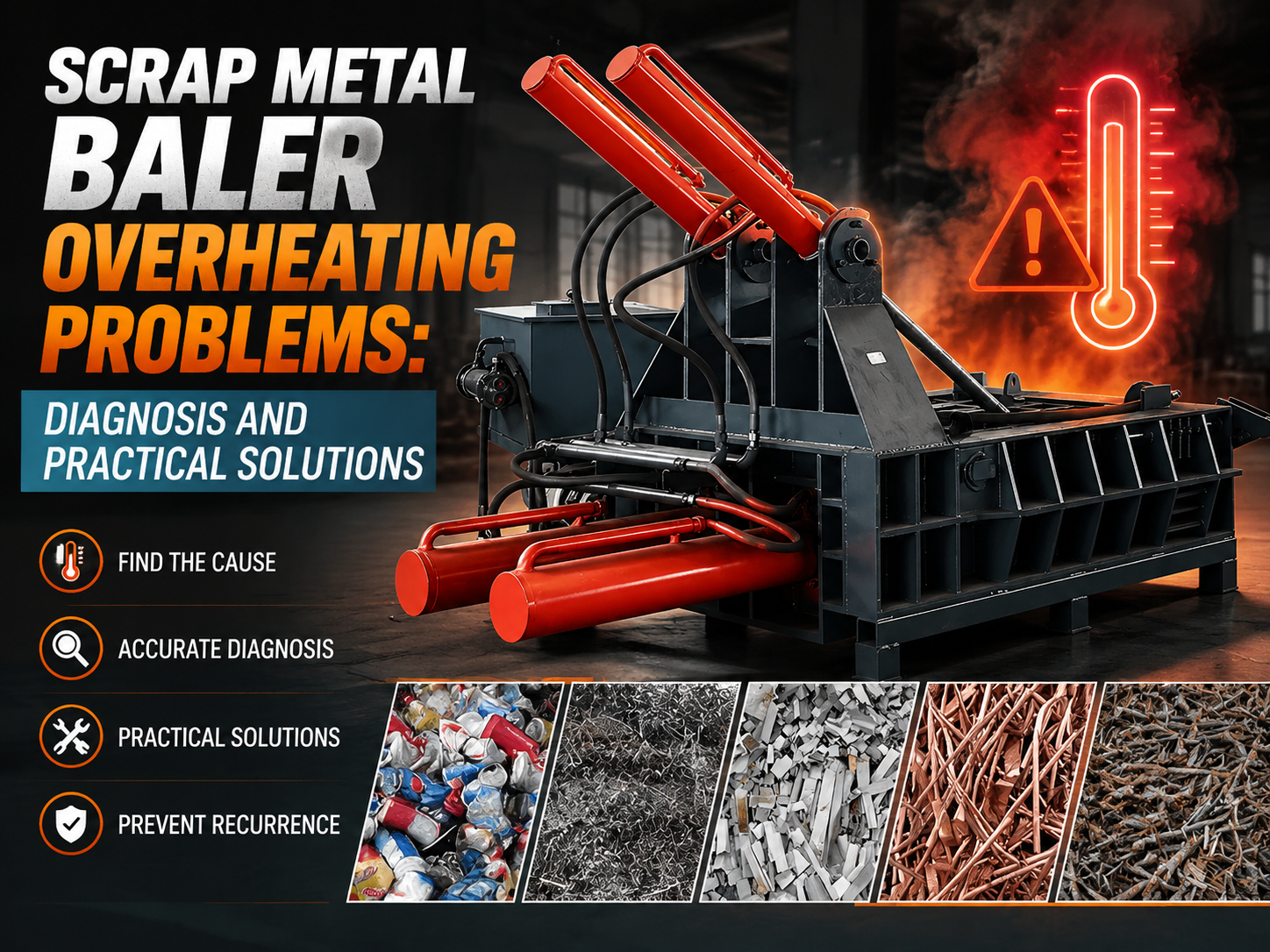
In the high-stakes environment of metal recycling and fabrication, the scrap metal baler serves as the backbone of operational efficiency. When these machines perform optimally, they convert bulky waste into manageable, high-density bales, maximizing logistics and revenue. However, one of the most persistent challenges operators face is the issue of thermal management. Scrap metal baler overheating problems: diagnosis and practical solutions are critical topics for any facility manager looking to minimize downtime and extend the lifespan of their heavy-duty equipment.
Overheating is not merely a nuisance; it is a symptom of underlying mechanical or hydraulic stress that can lead to catastrophic failure if left unaddressed. When hydraulic fluid temperatures exceed recommended thresholds, the viscosity of the oil drops, leading to internal leakage, accelerated wear on seals, and reduced force output. Understanding the root causes of these thermal spikes is the first step toward maintaining a high-performance production line.
At HARSLE, we emphasize that proactive maintenance is far more cost-effective than reactive repair. By monitoring temperature trends and understanding the interplay between hydraulic pressure, ambient conditions, and mechanical friction, operators can prevent overheating before it triggers an emergency shutdown. This guide provides a comprehensive look at how to diagnose these issues and implement practical, long-term solutions.
Key Considerations for Thermal Management
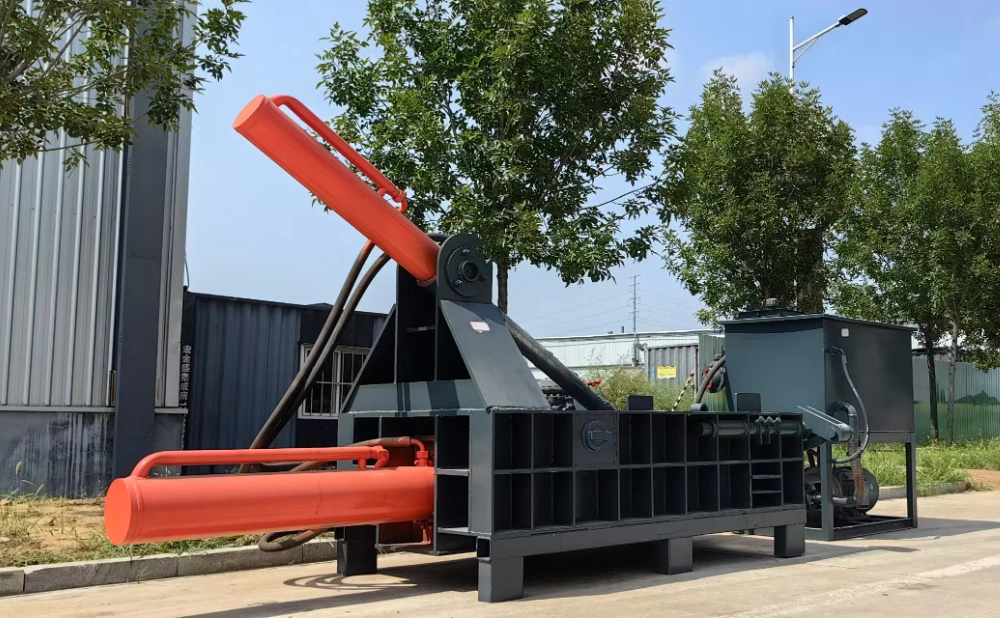
The hydraulic system is the heart of any scrap metal baler. Because these machines rely on high-pressure fluid to drive massive rams, the conversion of energy into work inevitably generates heat. Under normal operating conditions, the system is designed to dissipate this heat through reservoirs, piping, and specialized cooling units. When the system fails to maintain equilibrium, the heat builds up, causing the oil to degrade rapidly.
One of the primary considerations is the quality and condition of the hydraulic oil. Over time, oil oxidizes, loses its lubricating properties, and accumulates contaminants. This degradation increases internal friction within pumps and valves, which directly contributes to heat generation. Regular oil analysis is essential to determine if the fluid is still capable of handling the thermal load required by your specific baler model.
Ambient temperature also plays a significant role, particularly in facilities without climate control. During summer months or in regions with high humidity, the cooling system must work significantly harder to keep the oil within the optimal operating range (typically between 40°C and 60°C). If your facility is not ventilated properly, the heat rejected by the baler can create a feedback loop, further increasing the ambient temperature around the machine.
Operator habits and duty cycles are equally important. Pushing a baler beyond its rated capacity or failing to allow for adequate cooling intervals between cycles can lead to thermal runaway. Understanding the duty cycle of your HARSLE equipment is vital; if your production volume has increased, you may need to upgrade your cooling infrastructure or adjust your operational workflow to prevent persistent overheating.
Technical Details: Diagnosing Overheating
To effectively address scrap metal baler overheating problems, you must approach the diagnosis systematically. Start by checking the hydraulic reservoir temperature. If the temperature consistently exceeds 70°C, the system is in danger. Use an infrared thermometer to scan different components—pumps, valves, and hoses—to identify localized hotspots. A pump that is significantly hotter than the rest of the system often indicates internal wear or cavitation.
Check the cooling system components. Many industrial balers are equipped with air-oil coolers or water-oil heat exchangers. Inspect the cooling fins on air-cooled units for debris, dust, and metal shavings. A clogged radiator is one of the most common causes of overheating. If the fan is running but the air flow is restricted, the heat cannot be transferred to the environment, leading to a rapid rise in oil temperature.
Examine the relief valves. If a relief valve is stuck in a partially open position, it will cause high-pressure fluid to bypass directly back to the reservoir. This process, known as ‘throttling,’ generates immense amounts of heat without performing any useful work. If you notice the baler is slow to cycle or lacks the expected compaction force, a malfunctioning relief valve is a likely culprit.
Finally, inspect the hydraulic pump for signs of cavitation. Cavitation occurs when air bubbles form in the hydraulic fluid, usually due to a restricted suction line or a low oil level. As these bubbles collapse under pressure, they create localized shockwaves and extreme heat, which can destroy a pump in a matter of hours. Ensure that suction filters are clean and that the oil level is maintained at the manufacturer’s recommended level.
Practical Solutions and Maintenance Strategies
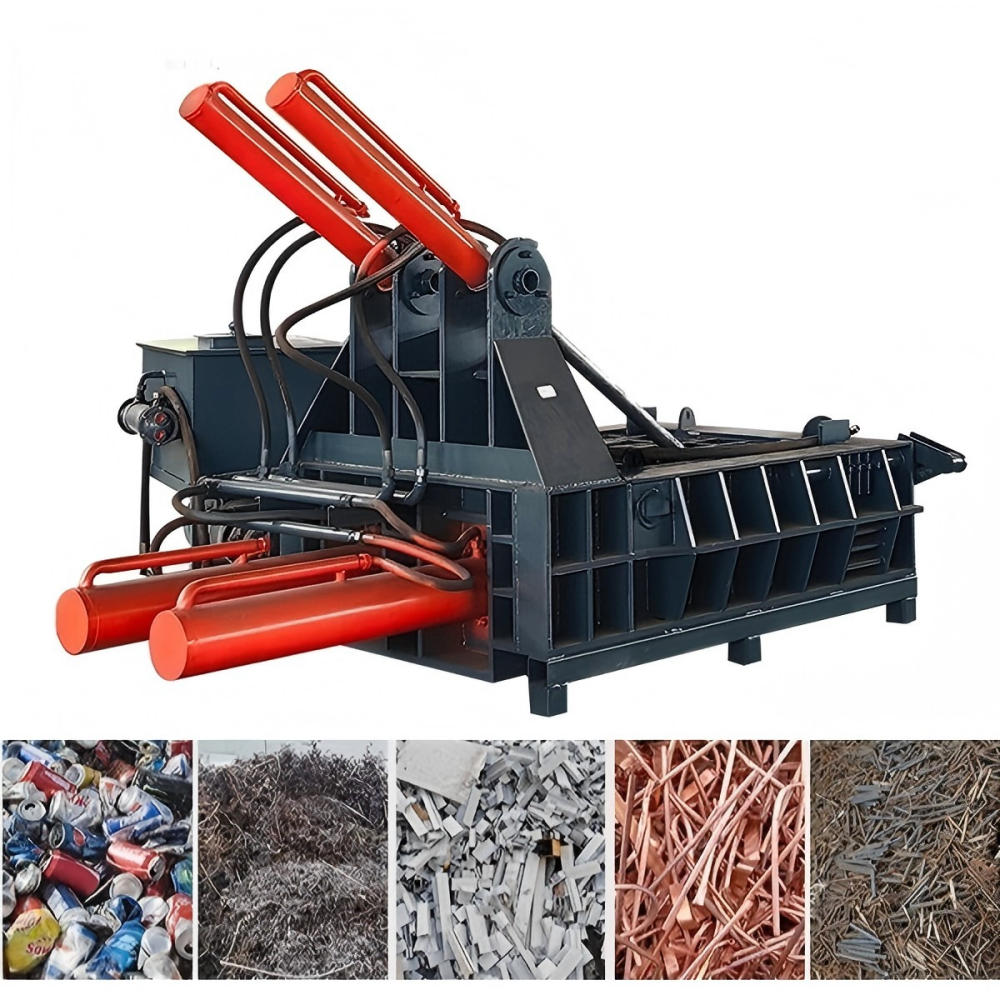
Once you have identified the source of the heat, implementing a solution is the next step. If the issue is a clogged cooler, a thorough cleaning with compressed air or a specialized coil cleaner is usually sufficient. For facilities operating in dusty environments, consider installing a pre-filter or a protective screen to prevent debris from reaching the radiator fins in the first place.
If the hydraulic oil is the problem, perform a complete system flush and replace it with high-quality, viscosity-stable hydraulic fluid. Ensure that the oil grade matches the specifications provided in your HARSLE machine manual. Using the wrong viscosity can lead to increased friction or poor flow characteristics, both of which contribute to thermal issues.
For systems that are consistently running at the edge of their thermal capacity, consider installing an auxiliary cooling system. An off-line cooling loop (often called a ‘kidney loop’) can be added to the reservoir. This system uses a separate pump to circulate oil through a dedicated heat exchanger, independent of the main hydraulic circuit. This is a highly effective way to keep temperatures stable during peak production hours.
Regular maintenance schedules should include checking the integrity of all hoses and fittings. Leaks not only waste expensive hydraulic fluid but can also introduce air into the system, leading to the cavitation issues mentioned earlier. Tighten all connections and replace any hoses that show signs of cracking or bulging. A well-maintained hydraulic system is inherently more efficient and less prone to generating excess heat.
Selection Advice for New Equipment
When selecting a new scrap metal baler, it is crucial to consider the thermal demands of your specific application. If you are processing high volumes of dense metal, you need a machine with a robust cooling system designed for continuous duty. Don’t just look at the compaction force; look at the cooling capacity of the hydraulic power unit.
Ask the manufacturer about the duty cycle ratings. A machine designed for intermittent use will inevitably overheat if placed in a high-throughput environment. HARSLE offers various models tailored to different production scales, and our technical team can help you select a baler that matches your throughput requirements while providing a safety margin for thermal management.
Consider the environment where the machine will be installed. If your facility is located in a hot climate, ask about optional upgrades such as larger oil reservoirs, heavy-duty cooling fans, or water-cooled heat exchangers. Investing in these features upfront is significantly cheaper than retrofitting them later or dealing with the downtime associated with overheating.
Finally, prioritize machines with advanced diagnostic capabilities. Modern balers often come with sensors that monitor oil temperature and pressure in real-time. These systems can provide early warnings, allowing operators to adjust the workload before the machine reaches a critical temperature. This level of visibility is invaluable for long-term equipment health.
Frequently Asked Questions (FAQ)
- Q: How often should I change the hydraulic oil in my scrap metal baler?
A: Generally, hydraulic oil should be changed every 2,000 to 4,000 operating hours, depending on the environment and the intensity of use. Always follow the specific intervals outlined in your HARSLE maintenance manual. - Q: Can low oil levels cause overheating?
A: Yes. Low oil levels reduce the system’s ability to dissipate heat and can lead to air entering the pump, causing cavitation and extreme temperature spikes. - Q: What is the ideal operating temperature for a hydraulic baler?
A: Most hydraulic systems operate best between 40°C and 60°C. Temperatures consistently above 75°C can cause rapid degradation of seals and fluid. - Q: Why does my baler overheat only during the afternoon?
A: This is likely due to higher ambient temperatures. Ensure your facility has adequate ventilation and that the baler’s cooling system is not obstructed by debris. - Q: Is it worth installing an auxiliary cooler?
A: If you are experiencing persistent overheating despite regular maintenance, an auxiliary cooler is a highly recommended and cost-effective solution to extend the life of your hydraulic components.
Conclusion
Managing scrap metal baler overheating problems: diagnosis and practical solutions is a fundamental aspect of industrial maintenance. By understanding the technical causes—ranging from clogged coolers and degraded oil to relief valve malfunctions and cavitation—you can take control of your equipment’s health. HARSLE is committed to providing not only high-quality metal fabrication machinery but also the knowledge necessary to keep your operations running smoothly.
Remember that the key to avoiding thermal issues is a combination of regular inspection, proper fluid management, and choosing the right equipment for your specific production needs. Do not ignore the early warning signs of overheating; addressing them promptly will save you thousands in repair costs and prevent the frustration of unexpected downtime. If you have questions about your specific HARSLE machine or need assistance with a persistent thermal issue, our technical support team is always ready to assist you in optimizing your production line.