Why Your Scrap Metal Baler Cycle Is Slow and How to Restore Productivity

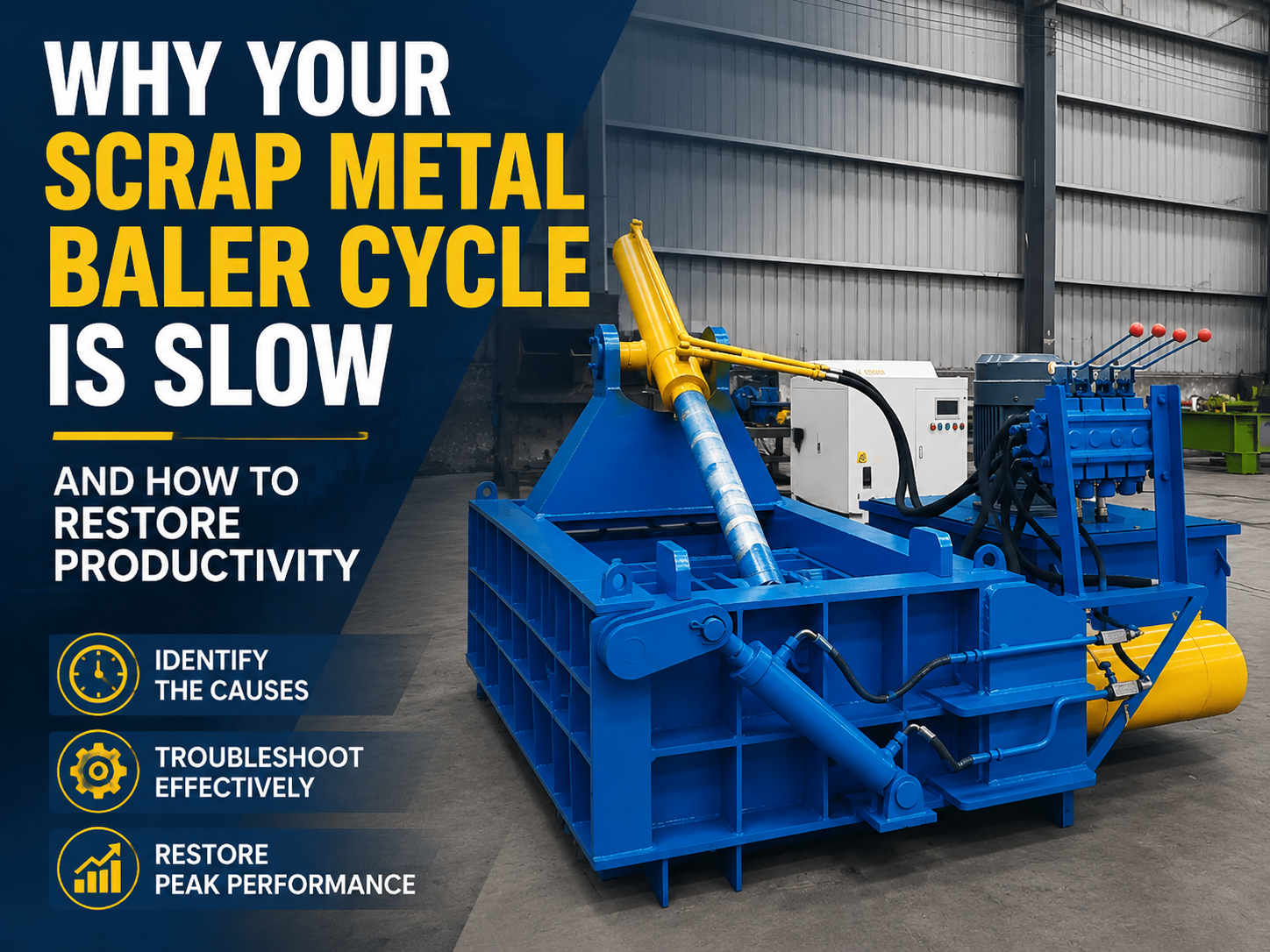
Introduction: The Impact of Cycle Time on Profitability
In the high-stakes world of metal recycling and fabrication, time is quite literally money. When you notice that your scrap metal baler cycle is slow, it isn’t just a minor inconvenience; it is a direct hit to your operational throughput and bottom line. A baler that operates at half its rated speed doubles the labor cost per bale and creates a bottleneck that ripples through your entire facility, from the collection floor to the shipping dock.
Understanding why your scrap metal baler cycle is slow and how to restore productivity requires a deep dive into the mechanical and hydraulic heart of your equipment. HARSLE has engineered high-performance balers for years, and we have observed that most performance degradation stems from a lack of preventative maintenance or subtle system imbalances that operators often overlook until the machine grinds to a halt.
This guide is designed to help facility managers and maintenance teams diagnose the root causes of sluggish cycle times. By addressing these issues systematically, you can extend the lifespan of your equipment, reduce energy consumption, and ensure that your scrap yard or fabrication plant maintains the competitive edge required in today’s market.
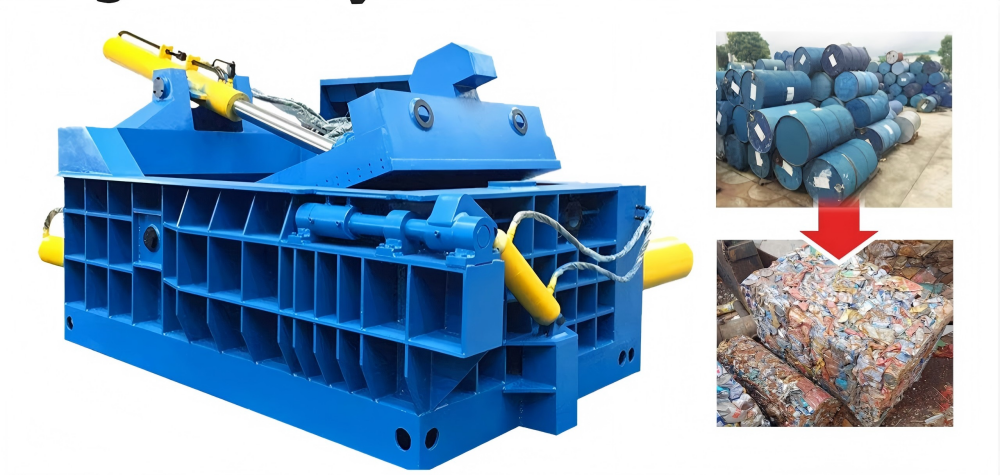
Key Considerations: Identifying the Bottlenecks
Before diving into complex hydraulic repairs, it is essential to perform a comprehensive audit of your operational environment. Often, the reason a scrap metal baler cycle is slow is not a mechanical failure, but rather an accumulation of minor inefficiencies that compound over time. The first step is to observe the machine during a full cycle, noting exactly where the hesitation occurs.
Consider the material density and feed rate. If you are attempting to process material that exceeds the machine’s design specifications, the system will naturally slow down to compensate for the increased pressure requirements. Overloading the chamber forces the hydraulic pump to work harder, triggering relief valves and slowing the ram movement significantly.
Environmental factors also play a critical role. Extreme temperatures can drastically alter the viscosity of hydraulic fluid. If your facility is not climate-controlled, the oil may become too thick in the winter or too thin in the summer, both of which lead to inefficient pump performance. Monitoring your fluid temperature is a simple yet effective way to maintain consistent cycle times throughout the year.
Finally, evaluate your operator training. Are your staff members utilizing the machine’s full capacity, or are they pausing between cycles unnecessarily? Sometimes, the “slowness” is a result of inefficient loading patterns. By optimizing the feed process and ensuring the chamber is filled correctly, you can often restore productivity without turning a single wrench on the hydraulic system.
Technical Details: The Hydraulic and Electrical Systems
The hydraulic system is the lifeblood of your scrap metal baler. When the cycle time increases, the primary suspect is almost always the hydraulic pump or the associated control valves. A worn-out pump will struggle to maintain the necessary flow rate (GPM) required to move the ram quickly. If you notice the motor sounds strained or the cycle speed drops as the pressure increases, it is a clear sign of pump cavitation or internal leakage.
Check your hydraulic fluid and filters. Contaminated oil is the leading cause of valve failure in industrial machinery. If debris has entered the system, it can cause directional control valves to stick or operate sluggishly. Replacing your filters on a strict schedule is the most cost-effective way to prevent these issues. Furthermore, ensure that the oil level is correct; low fluid levels can introduce air into the system, leading to spongy ram movement and erratic cycle times.
Electrical components also play a vital role in cycle timing. Modern balers rely on PLC (Programmable Logic Controller) systems to manage the sequence of operations. If a sensor is failing or providing intermittent signals, the machine may pause while it waits for confirmation that a door is closed or a ram is retracted. Inspect your limit switches and proximity sensors for physical damage or buildup of metal dust, which can interfere with their operation.
Pressure settings should be verified against the manufacturer’s specifications. If the relief valve is set too low, the machine will reach its pressure limit prematurely, causing the ram to slow down before the bale is fully compressed. Conversely, setting it too high can damage the structural integrity of the baler. Always use a calibrated pressure gauge to verify these settings during your quarterly maintenance checks.
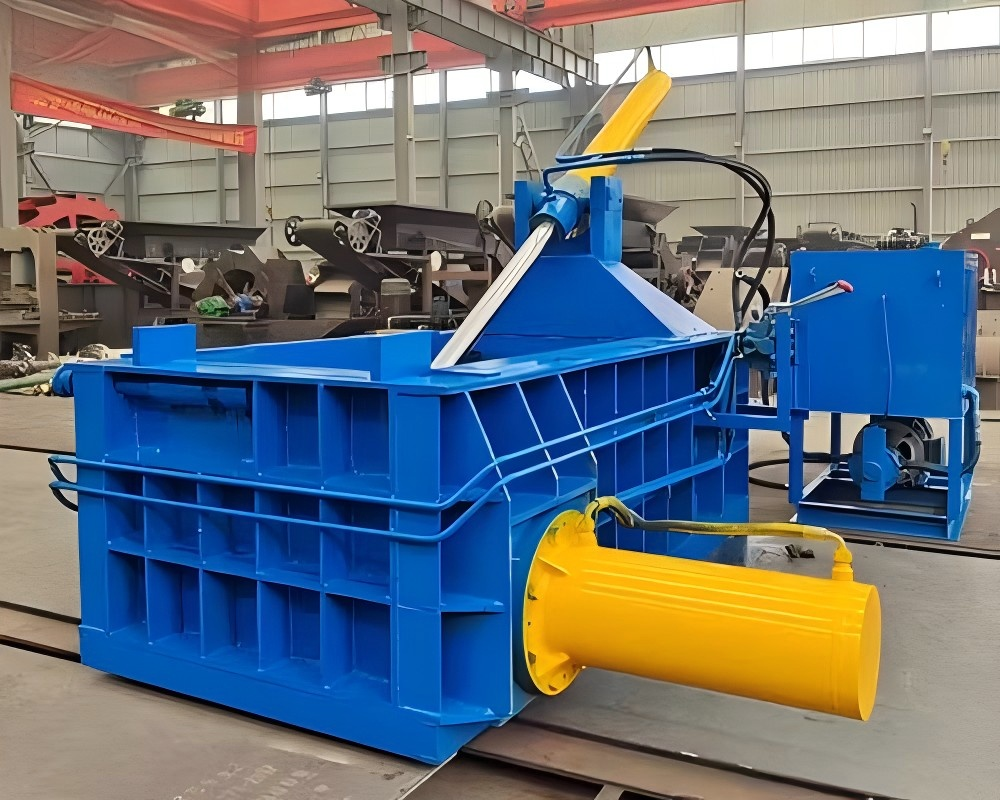
Selection Advice: Choosing the Right Equipment for Your Needs
If you find that your current machine is consistently struggling despite proper maintenance, it may be time to consider whether your equipment is correctly sized for your current volume. A common mistake in the metal fabrication industry is purchasing a baler based on initial startup needs, only to outgrow it as production scales. When a baler is pushed beyond its duty cycle, it will inevitably experience premature wear and slower operation.
When selecting a new scrap metal baler, look for features that prioritize efficiency. Variable frequency drives (VFDs) are an excellent addition, as they allow the motor to adjust its speed based on the load, saving energy and reducing wear on the hydraulic components. Additionally, consider the cycle time specifications provided by the manufacturer. Ensure that these numbers are based on real-world conditions, not just empty-chamber testing.
Think about the material type you are processing. Ferrous and non-ferrous metals have different density profiles. A baler designed for aluminum cans will not perform the same way when processing heavy steel offcuts. HARSLE offers a range of balers tailored to specific material types, ensuring that you have the right force-to-speed ratio for your specific application.
Finally, prioritize ease of maintenance. Look for machines with accessible hydraulic manifolds, clear diagnostic displays, and modular components. A machine that is easy to service is a machine that stays productive. When you invest in high-quality fabrication equipment, you are investing in the long-term reliability of your scrap processing operations.
Maintenance Checklist for Restoring Productivity
- Daily: Check hydraulic oil levels and inspect for external leaks around hoses and fittings.
- Weekly: Clean all sensors and limit switches to ensure accurate signal transmission.
- Monthly: Inspect hydraulic filters and replace them if the pressure differential indicator shows a restriction.
- Quarterly: Test system pressure against factory specifications and calibrate relief valves.
- Annually: Perform a full oil analysis to check for metal particulates, which indicate internal pump or cylinder wear.
- Ongoing: Train operators on proper loading techniques to prevent chamber jams and uneven compression.
FAQ: Common Questions About Baler Performance
Why does my baler slow down when it reaches the end of the stroke?
This is often due to the pressure-compensated pump shifting to a lower flow rate as it reaches maximum pressure. If it slows down too early, your relief valve may be set incorrectly or the pump may be experiencing internal bypass.
How often should I change my hydraulic oil?
Generally, hydraulic oil should be changed every 2,000 to 4,000 operating hours, depending on the environment and the quality of your filtration system. Always refer to your HARSLE manual for specific recommendations.
Can a slow cycle time be caused by electrical issues?
Yes. If the PLC is receiving delayed signals from sensors or if there is a voltage drop in the motor starter, the machine will not operate at its intended speed. Check all electrical connections for signs of corrosion or heat damage.
What is the most common cause of a sluggish ram?
The most common cause is air in the hydraulic system or a failing hydraulic pump. If the ram moves in jerks, you likely have air in the lines; if it moves smoothly but slowly, the pump is likely losing efficiency.
Conclusion: Sustaining Long-Term Efficiency
Restoring productivity to your scrap metal baler is a process of elimination and disciplined maintenance. By understanding the relationship between hydraulic pressure, electrical signals, and mechanical wear, you can transform a sluggish machine into a high-output asset. Remember that the goal is not just to make the machine move faster, but to ensure it operates consistently and safely over the long term.
HARSLE remains committed to providing the metal fabrication industry with the tools and knowledge necessary to succeed. Whether you are troubleshooting a legacy machine or looking to upgrade to a more efficient model, our team is here to support your operations. By implementing the strategies outlined in this guide, you can minimize downtime, reduce repair costs, and ensure your scrap metal baler cycle is optimized for maximum profitability.
Don’t let a slow cycle time dictate your production schedule. Take control of your maintenance, invest in quality components, and keep your facility running at peak performance. For further technical assistance or to explore our latest range of industrial balers, contact HARSLE today.