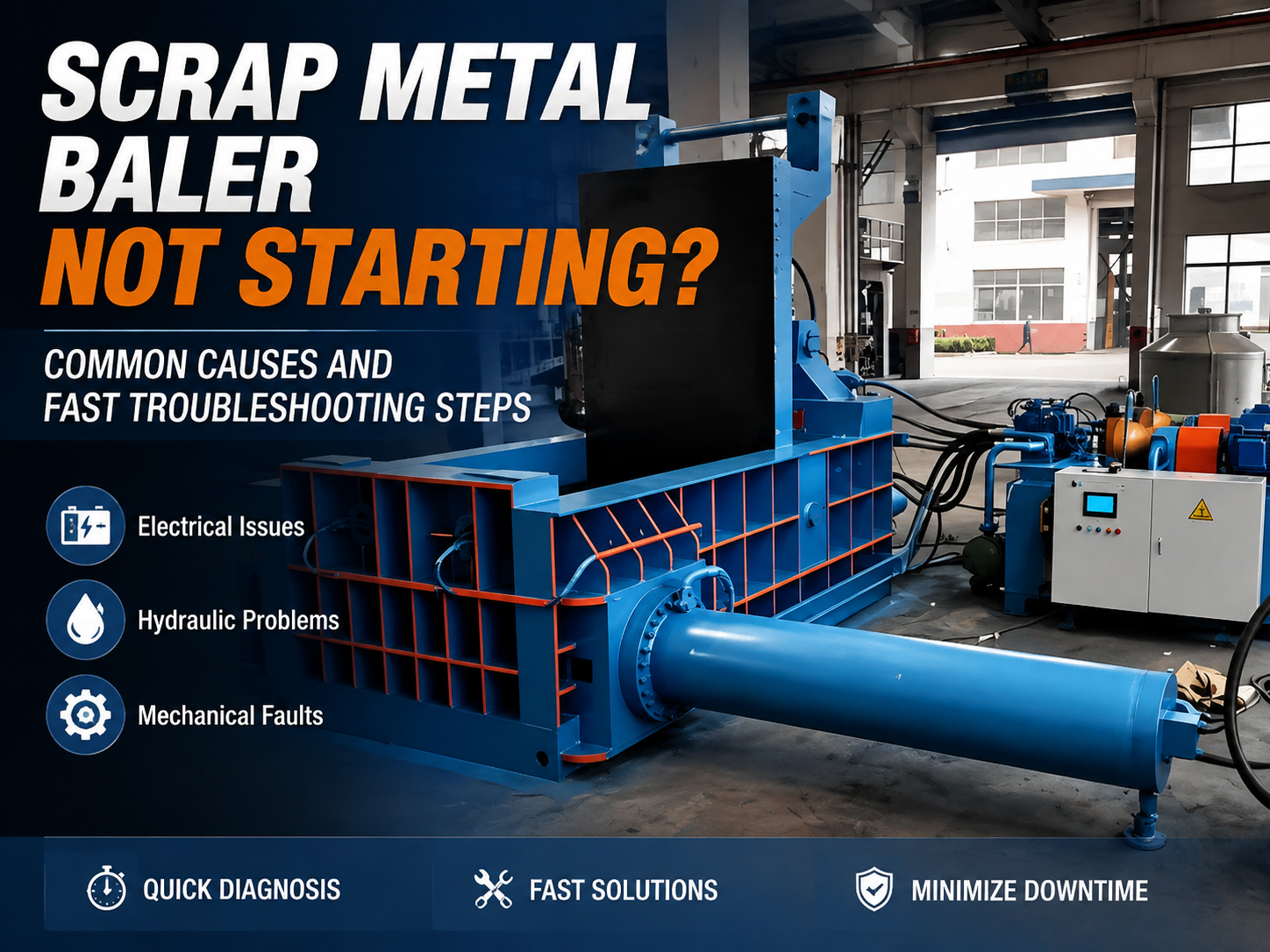
Scrap Metal Baler Not Starting? Common Causes and Fast Troubleshooting Steps

Introduction: Understanding the Critical Role of Your Scrap Metal Baler
In the high-stakes environment of metal recycling and fabrication, downtime is more than just an inconvenience; it is a direct hit to your operational profitability. A scrap metal baler is the backbone of your facility, responsible for compressing bulky waste into manageable, transportable, and high-value bales. When you encounter a situation where your scrap metal baler is not starting, the entire production line can grind to a halt. Understanding the common causes and fast troubleshooting steps is essential for any facility manager or maintenance technician.
At HARSLE, we design our machinery for durability and high performance, but even the most robust industrial equipment requires periodic attention. Whether you are operating a heavy-duty 250T scrap metal baler or a smaller hydraulic baling press, the underlying principles of operation remain consistent. This guide is designed to help you systematically identify why your machine is unresponsive and how to resolve these issues safely and efficiently.
Troubleshooting industrial machinery requires a methodical approach. By isolating the electrical, hydraulic, and mechanical systems, you can often identify the root cause of a startup failure within minutes. This article serves as a comprehensive resource for HARSLE equipment owners, providing the technical insights needed to minimize downtime and maintain peak operational efficiency in your scrap processing facility.
Key Considerations: Safety First in Troubleshooting
Before you touch a single wire or valve, safety must be your absolute priority. Scrap metal balers are high-pressure machines that utilize significant electrical current and hydraulic force. Attempting to troubleshoot without proper safety protocols can lead to severe injury or permanent damage to the equipment. Always ensure the machine is locked out and tagged out (LOTO) before performing any internal inspections.
Personal Protective Equipment (PPE) is non-negotiable. Wear safety glasses, heavy-duty gloves, and steel-toed boots when inspecting the machine. Furthermore, ensure that you have the original HARSLE operation manual on hand. The manual contains specific wiring diagrams and hydraulic schematics that are unique to your model, which are invaluable when diagnosing complex electrical faults.
Another key consideration is the environment. Is the baler located in a damp area? Is there excessive metal dust accumulation around the control panel? Environmental factors often contribute to sensor failures and electrical shorts. By keeping the area around your baler clean and dry, you can prevent many of the common startup issues before they even occur.
Finally, consider the human element. Has there been a recent change in operators? Sometimes, a machine is not “broken” but simply in a state where the safety interlocks are not properly engaged. Always verify that all emergency stops are reset and that the loading door or safety gates are fully closed and latched. These simple checks often resolve the most common “no-start” scenarios.
Technical Details: Common Causes for Startup Failure
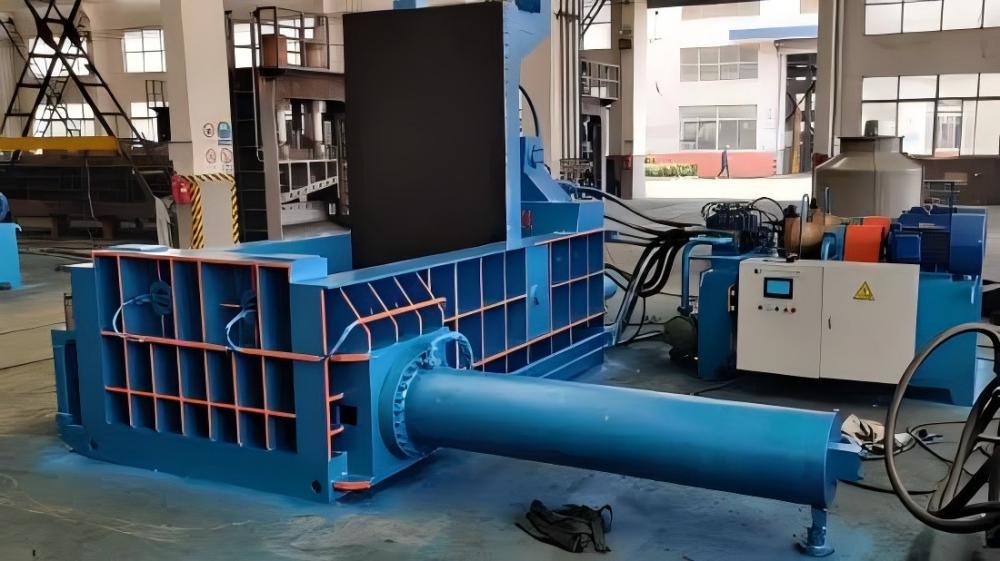
When your scrap metal baler is not starting, the problem usually falls into one of three categories: electrical supply issues, safety interlock triggers, or hydraulic system pressure faults. Understanding these technical areas will help you narrow down the search for the culprit.
Electrical supply issues are the most frequent cause of startup failure. Check your main power disconnect and the circuit breakers in your facility’s electrical panel. If the baler has a digital control interface, check if the screen is illuminated. If the screen is blank, the issue is likely upstream of the machine. Check for tripped breakers, blown fuses, or loose connections in the main power terminal block.
Safety interlocks are the second most common culprit. Modern HARSLE balers are equipped with multiple sensors that monitor the position of the ram, the status of the doors, and the pressure levels. If any of these sensors detect an unsafe condition, the PLC (Programmable Logic Controller) will prevent the motor from starting. Inspect the limit switches on the doors and the ram position sensors to ensure they are not obstructed by debris or misaligned.
Hydraulic system faults can also prevent a machine from starting, particularly if the system detects low oil levels or high temperatures. The hydraulic pump motor may refuse to engage if the oil level sensor detects that the reservoir is below the minimum threshold. Additionally, if the hydraulic oil is too cold—common in unheated warehouses during winter—the system may have a startup delay or fail to initiate until the oil reaches a safe operating temperature.
Fast Troubleshooting Steps: A Systematic Approach
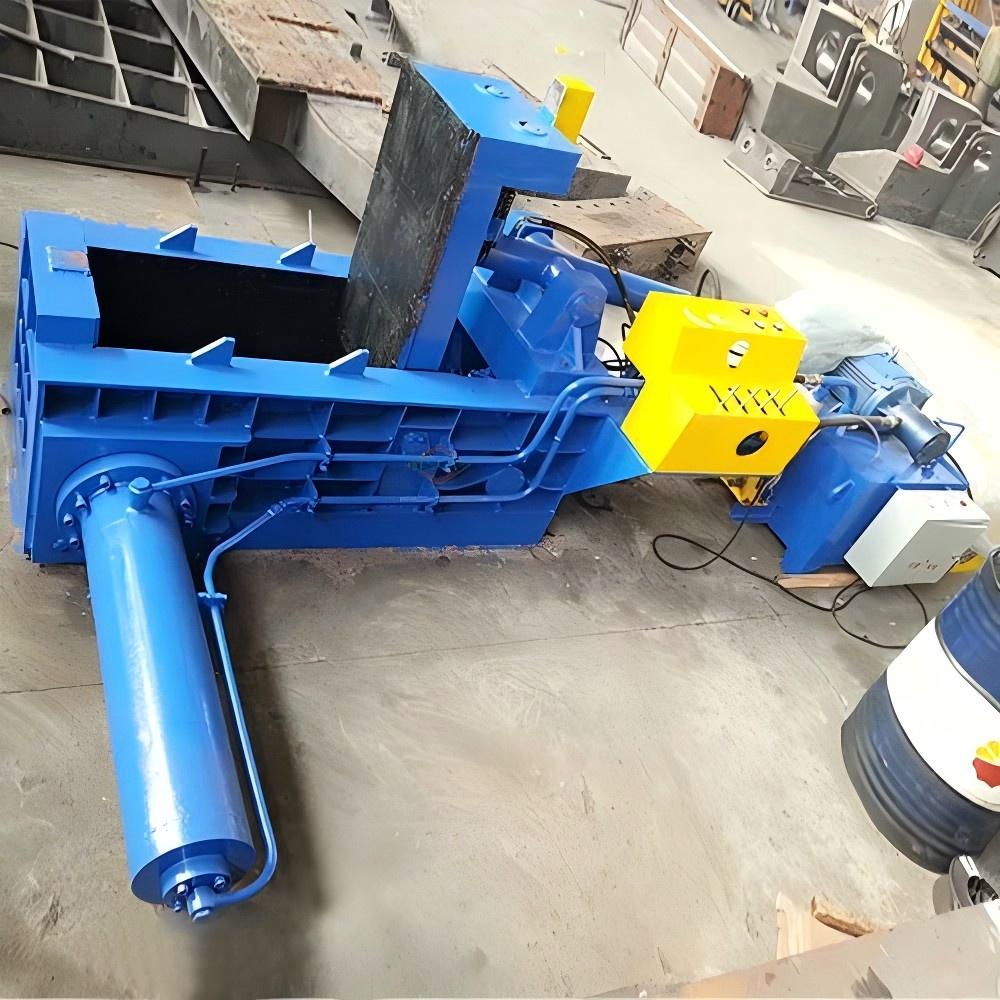
To resolve the issue of a scrap metal baler not starting, follow this step-by-step troubleshooting guide. Start with the simplest checks and move toward more complex technical diagnostics.
- Step 1: Check Emergency Stops and Safety Gates. Ensure all E-stop buttons are pulled out and rotated to the reset position. Verify that all safety gates are fully closed and that the interlock switches are engaged.
- Step 2: Inspect the Electrical Panel. Open the control cabinet and look for tripped thermal overloads or blown fuses. If you see a tripped overload, check the motor for signs of overheating or mechanical binding.
- Step 3: Verify Hydraulic Oil Levels. Check the sight glass on the hydraulic reservoir. If the oil is low, the machine may have a safety lockout to prevent pump cavitation. Top off with the recommended hydraulic fluid if necessary.
- Step 4: Check for Debris. Scrap metal can easily fall into the tracks of the ram or the hinges of the doors. Clear away any metal shards or debris that might be preventing the machine from reaching its “home” position.
- Step 5: Test the Motor Starter. If the PLC is sending a signal but the motor isn’t turning, the motor starter (contactor) might be faulty. Listen for a “click” when you press the start button. If you hear the click but the motor doesn’t hum, the contactor points may be pitted or burned.
By following these steps, you can often identify the problem within 15 to 30 minutes. If the machine still fails to start after these checks, it is time to consult the HARSLE technical support team or a qualified industrial electrician.
Selection Advice: Choosing the Right Baler for Your Needs
Preventing startup issues often begins with selecting the right equipment for your specific application. A machine that is consistently overloaded will experience more frequent electrical and mechanical failures. When selecting a scrap metal baler, consider the volume of material you process daily and the type of metal you are handling.
For high-volume facilities, a 250T scrap metal baler provides the necessary force to handle heavy steel and aluminum scraps without straining the hydraulic system. If you are processing lighter materials, a smaller baler might be more energy-efficient, but ensure it is rated for the duty cycle you require. Overworking a machine beyond its design specifications is the fastest way to cause premature component failure.
Look for features like automated bale ejection, programmable logic controllers (PLC) with diagnostic displays, and robust safety interlock systems. HARSLE balers are designed with these features to ensure that operators have clear feedback if a fault occurs. A machine with a good diagnostic interface will tell you exactly which sensor is preventing the start, saving you hours of manual troubleshooting.
Finally, consider the maintenance support provided by the manufacturer. A reliable partner like HARSLE offers not just the machinery, but the technical documentation and support network to keep your equipment running for years. When buying, ask about the availability of spare parts and the ease of accessing internal components for routine maintenance.
FAQ: Frequently Asked Questions
Why does my baler motor hum but not turn?
This usually indicates a mechanical jam or a faulty motor capacitor. Check for debris blocking the ram and ensure the hydraulic pump is not seized. If the motor is humming, it is receiving power, but something is preventing the shaft from rotating.
How often should I check my hydraulic oil?
You should check the hydraulic oil level weekly. Additionally, perform a full oil change according to the manufacturer’s schedule—typically every 2,000 to 4,000 operating hours—to prevent sludge buildup and pump damage.
What should I do if the PLC displays a “Safety Circuit Open” error?
This error means one of your safety devices (door switch, E-stop, or light curtain) is triggered. Check each safety device one by one to ensure it is closed and functioning correctly. If all appear closed, use a multimeter to check for continuity in the safety circuit wiring.
Can I bypass a safety interlock to get the machine running?
No. Never bypass safety interlocks. These systems are designed to protect operators from high-pressure hydraulic hazards. Bypassing them is a major safety violation and can lead to catastrophic accidents.
Conclusion: Maintaining Your HARSLE Scrap Metal Baler
A scrap metal baler not starting is a challenge, but with a systematic approach, it is one that can be managed effectively. By understanding the common causes—ranging from simple safety interlock triggers to more complex electrical faults—you can minimize downtime and keep your facility productive. Remember that regular maintenance, keeping the machine clean, and respecting the operational limits of your equipment are the best ways to prevent these issues from occurring in the first place.
At HARSLE, we are committed to providing high-quality metal fabrication equipment that stands the test of time. If you ever encounter a problem that you cannot resolve with the steps outlined in this guide, our technical support team is always ready to assist. By investing in proper training for your operators and maintaining a proactive maintenance schedule, you ensure that your baler remains a reliable asset for your business for years to come.