Briquetting Machine ROI Analysis for Metal Fabrication Businesses: A Strategic Guide

Technical Overview: The Mechanics of Metal Briquetting
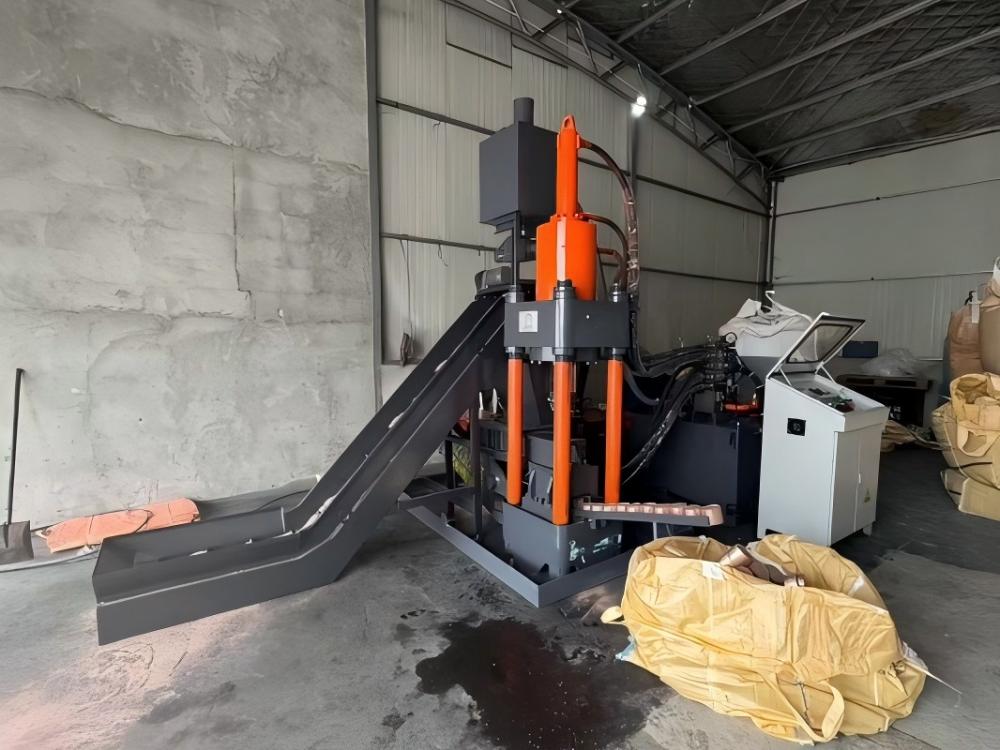
In the modern metal fabrication landscape, the management of metal chips, turnings, and swarf is often overlooked as a mere logistical burden. However, for high-volume fabrication shops, these byproducts represent a significant untapped asset. A briquetting machine is a specialized hydraulic press designed to compress loose, voluminous metal scrap into dense, high-quality briquettes. By applying extreme pressure, these machines eliminate the air pockets and residual cutting fluids trapped within the scrap, transforming a low-value waste stream into a high-value commodity.
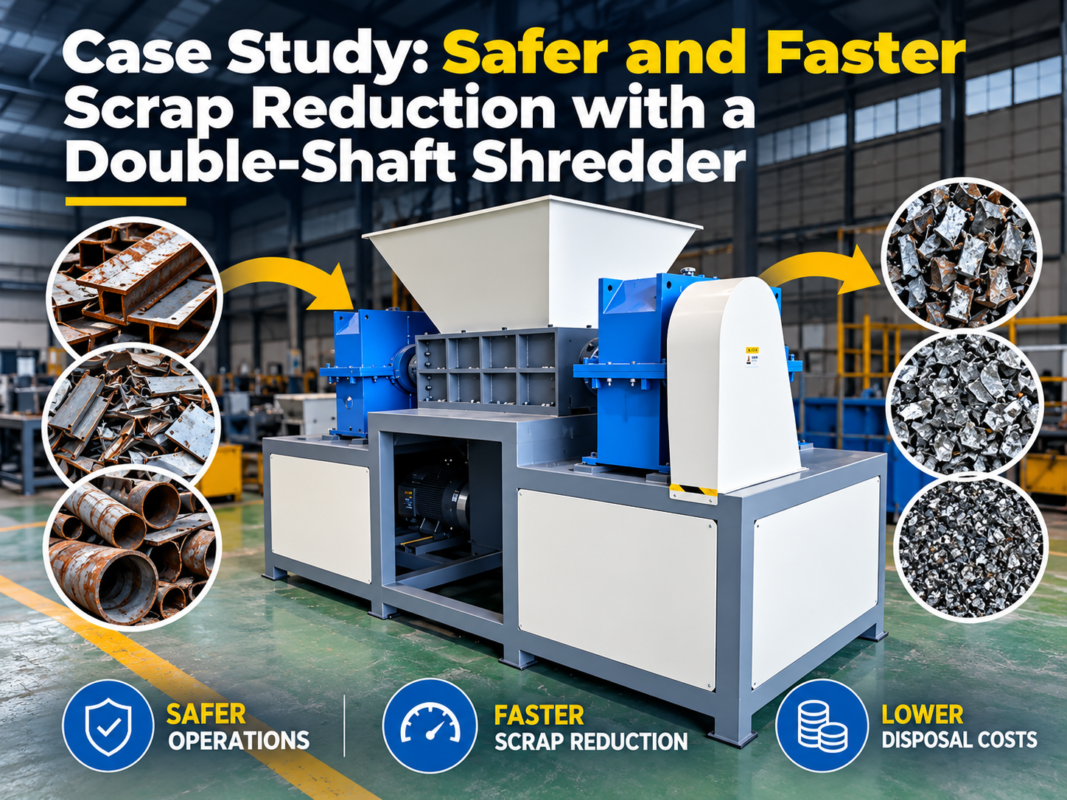
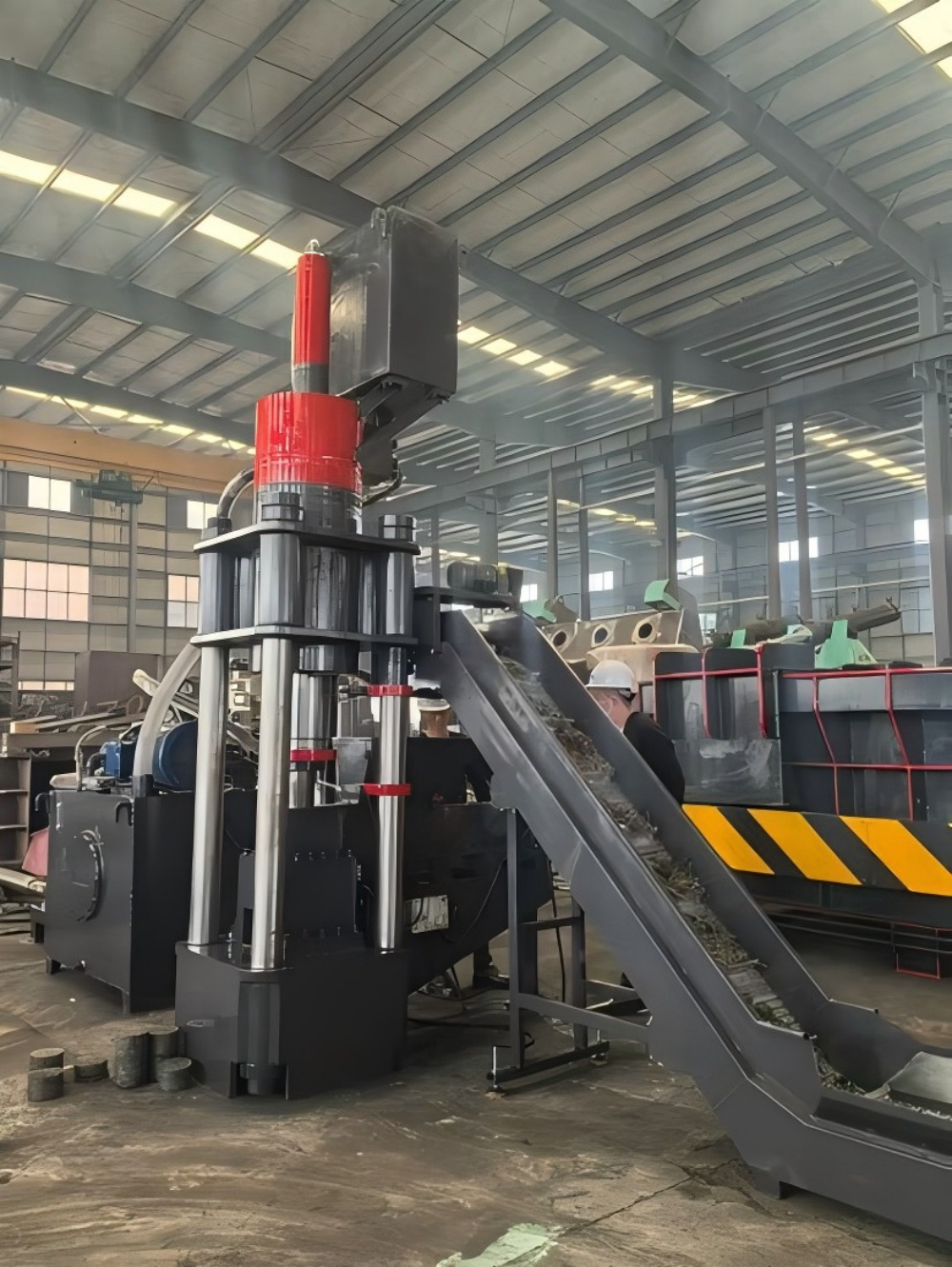
The technical process involves a multi-stage compression cycle. Initially, the loose metal chips are fed into a hopper, where an agitator ensures consistent flow into the compression chamber. Once inside, a hydraulic ram exerts force, often exceeding 2000 psi, to fuse the metal particles together. This process not only reduces the volume of the material by up to 90% but also recovers expensive coolants and lubricants that would otherwise be discarded with the scrap.
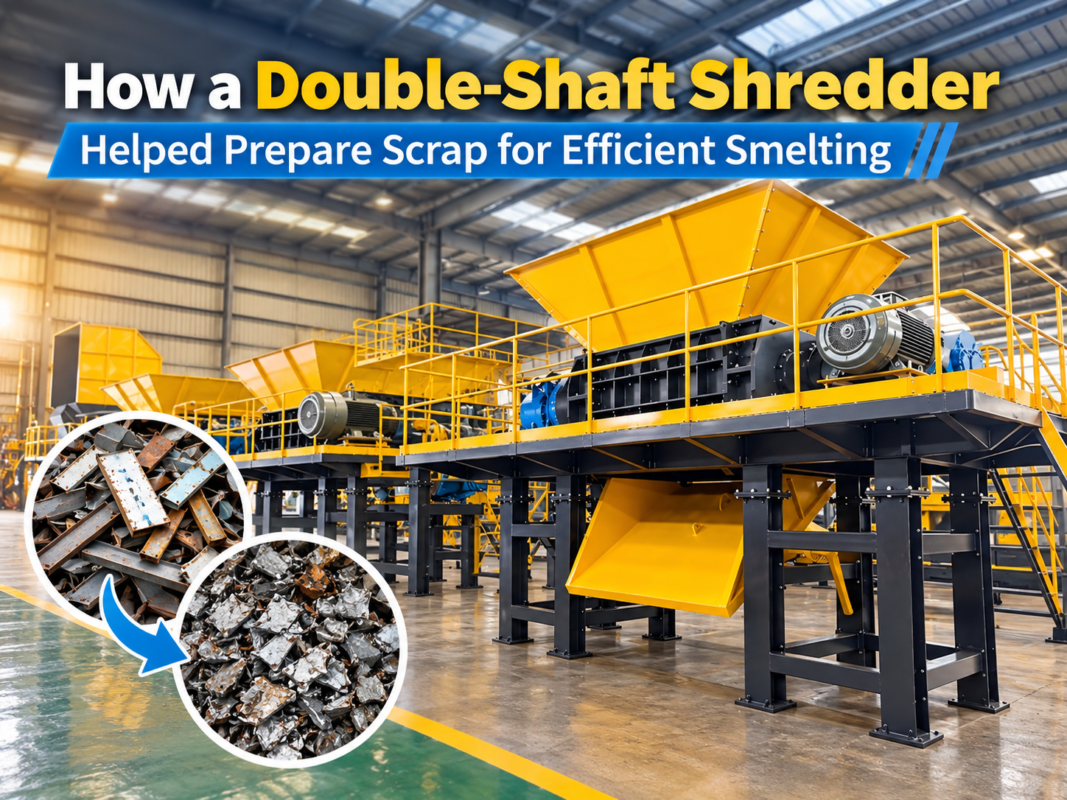
HARSLE’s engineering approach focuses on structural rigidity and hydraulic precision. By utilizing high-grade steel frames and advanced PLC control systems, our briquetting machines ensure that the density of the briquettes is consistent, regardless of the material type—be it aluminum, steel, brass, or copper. This consistency is critical for downstream smelting processes, as uniform briquettes melt more efficiently and with less oxidation loss than loose scrap.
Furthermore, the integration of automated feeding systems allows these machines to operate in continuous cycles, minimizing manual labor requirements. The environmental impact is equally significant; by reducing the surface area of the scrap, the oxidation rate is drastically lowered, preserving the metallurgical integrity of the metal. For businesses looking to optimize their floor space and improve their environmental footprint, the briquetting machine is an essential piece of industrial infrastructure.
Core Parameters: Defining Performance Metrics
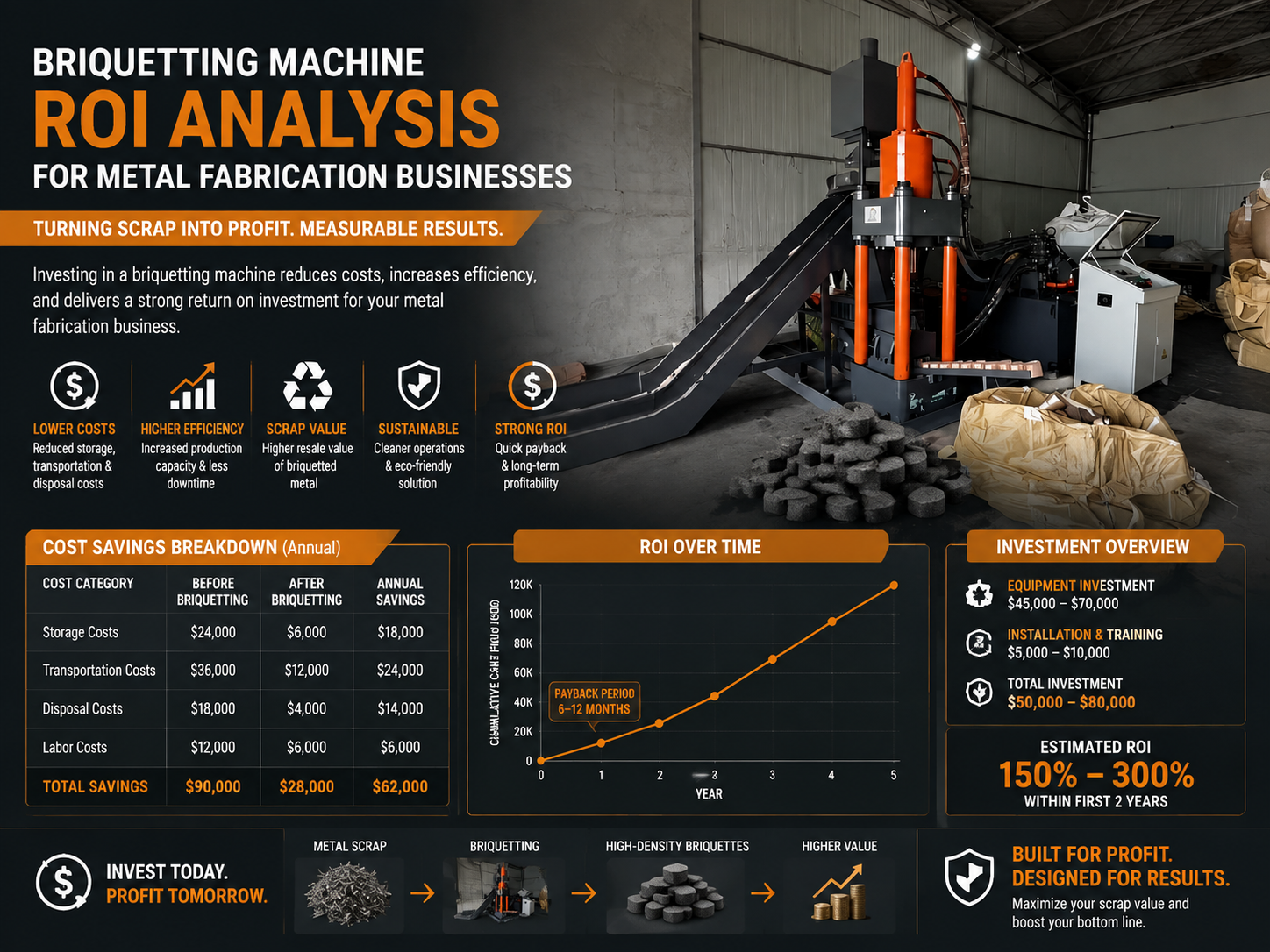
When conducting a Briquetting Machine ROI Analysis for Metal Fabrication Businesses, understanding the core technical parameters is essential. The primary metric is the throughput capacity, typically measured in kilograms per hour (kg/h). This figure dictates how much scrap the machine can process during a standard shift. It is vital to match this capacity with your facility’s daily scrap generation rate to avoid bottlenecks or under-utilization of the equipment.
Another critical parameter is the specific pressure exerted by the hydraulic ram. Different metals require varying levels of pressure to achieve optimal density. For instance, aluminum chips require less pressure than hardened steel or titanium swarf. HARSLE machines feature adjustable pressure settings, allowing operators to fine-tune the compression force based on the material composition, ensuring the resulting briquettes are durable enough for transport and storage.
The briquette dimensions and density are also key performance indicators. Standard briquette diameters usually range from 50mm to 150mm. Higher density briquettes command a higher price in the secondary metal market because they contain less moisture and fewer impurities. A machine that consistently produces high-density briquettes will yield a faster return on investment by maximizing the revenue per ton of scrap sold.
Energy efficiency is the final pillar of core parameters. A well-designed briquetting machine should balance hydraulic power with electrical consumption. HARSLE utilizes variable frequency drives (VFDs) to optimize motor performance, ensuring that the machine only draws the power necessary for the current compression load. This reduces operational costs over the machine’s lifecycle, directly contributing to a more favorable ROI calculation.
Calculation Method: Determining Your ROI
To perform an accurate Briquetting Machine ROI Analysis for Metal Fabrication Businesses, you must account for both direct and indirect financial gains. The calculation begins with the revenue increase from selling briquettes versus loose scrap. Typically, foundries pay a premium for briquettes because they are easier to handle, store, and melt. You should compare the market price per ton of loose chips against the price per ton of briquettes in your local region.
The second component of the ROI calculation is coolant recovery. Loose metal chips can hold up to 15-20% of their weight in cutting fluids. A briquetting machine recovers this fluid, which can be filtered and reused in your CNC machines. By calculating the annual cost of new coolant purchases and subtracting the cost of filtration, you can identify a significant recurring saving that often pays for the machine’s maintenance costs alone.
Logistics and storage costs represent the third pillar of savings. Loose scrap requires large, bulky containers and frequent transport trips, which are expensive. Briquettes are compact and stackable, allowing you to store more metal in a smaller footprint and reduce the frequency of scrap collection pickups. Factor in the reduction in labor hours spent managing scrap piles and the decreased risk of workplace accidents associated with loose, sharp metal chips.
Finally, consider the tax incentives and environmental compliance savings. Many jurisdictions offer grants or tax credits for businesses that implement waste reduction and recycling technologies. When you combine the increased scrap value, coolant savings, reduced logistics costs, and potential tax benefits, the payback period for a HARSLE briquetting machine is often between 12 to 24 months, depending on your production volume.
Parameter Table: Technical Specifications
| Parameter | Model H-B100 | Model H-B200 | Model H-B500 |
|---|---|---|---|
| Throughput (kg/h) | 100-150 | 200-300 | 500-700 |
| Main Motor (kW) | 7.5 | 15 | 30 |
| Briquette Diameter (mm) | 60 | 90 | 120 |
| Max Pressure (MPa) | 25 | 30 | 35 |
| Coolant Recovery Rate | 95% | 96% | 98% |
Common Engineering Mistakes in Briquetting
One of the most frequent mistakes businesses make is failing to account for material contamination. If your scrap stream contains mixed metals—such as aluminum chips contaminated with steel filings—the resulting briquettes will be of lower value. It is crucial to implement a segregation strategy at the source, ensuring that different metal types are processed separately. A briquetting machine cannot fix poor waste management practices; it only enhances the value of properly sorted materials.
Another common error is ignoring the moisture content of the incoming scrap. While the machine recovers coolant, excessive amounts of water or sludge can interfere with the hydraulic system and reduce the quality of the briquettes. Pre-processing steps, such as using a centrifuge or a simple drainage system, can significantly improve the performance of the briquetting machine and extend the lifespan of its internal components.
Underestimating the maintenance requirements is a critical oversight. Like any high-pressure hydraulic equipment, briquetting machines require regular oil changes, seal inspections, and filter replacements. Neglecting these tasks leads to pressure drops, which result in crumbly, low-density briquettes that fail to meet the standards of high-end smelters. Establishing a preventive maintenance schedule is essential for long-term ROI.
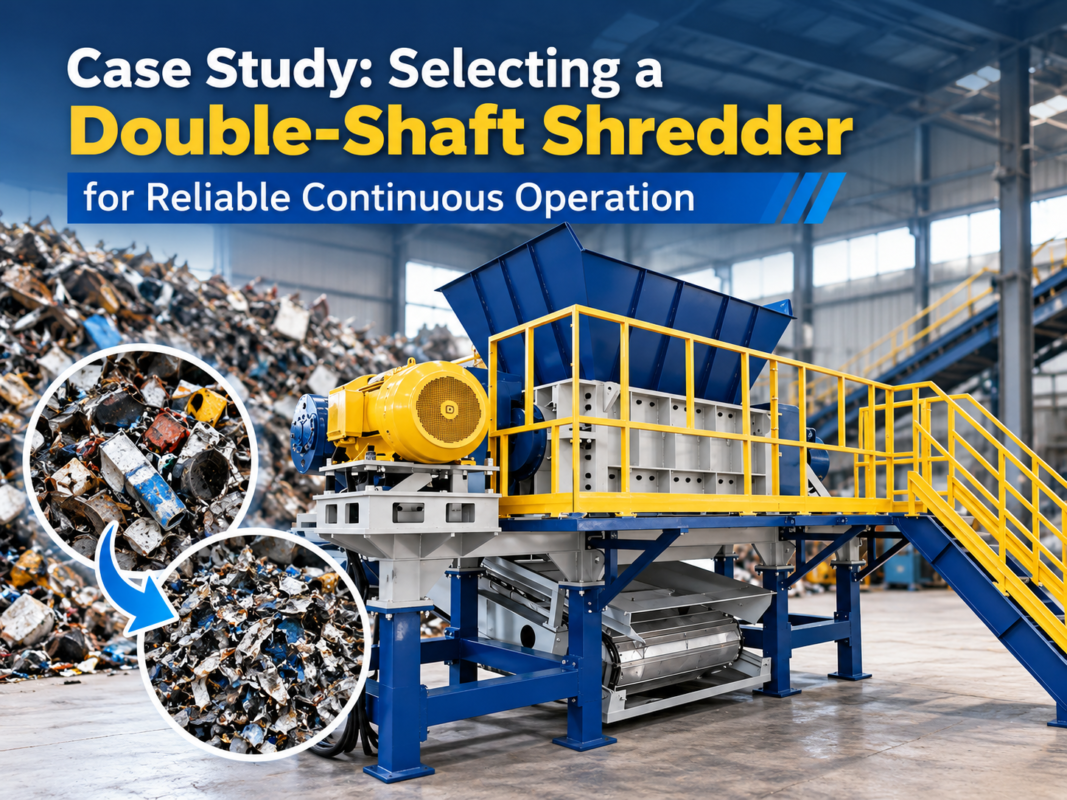
Finally, many businesses choose a machine based solely on the lowest purchase price rather than the total cost of ownership. A cheaper machine may lack the robust construction needed for 24/7 operation, leading to frequent downtime and expensive repairs. When evaluating options, prioritize build quality, the availability of spare parts, and the manufacturer’s technical support capabilities. HARSLE provides comprehensive support to ensure your machine remains operational and profitable for years.
Selection Checklist: Choosing the Right Machine
- Volume Analysis: Calculate your total monthly tonnage of metal scrap. Ensure the machine’s hourly capacity can handle your peak production periods.
- Material Compatibility: Confirm the machine is rated for the specific metals you process (e.g., cast iron, aluminum, brass, or stainless steel).
- Space Constraints: Measure your available floor space, including the footprint of the hopper and the discharge conveyor.
- Automation Needs: Determine if you require a fully automated system with conveyors and auto-feeders or a semi-automated unit for smaller shops.
- Coolant Management: Evaluate the integrated coolant recovery system and ensure it is compatible with your current fluid filtration setup.
- Support and Warranty: Verify the availability of local service technicians and the length of the manufacturer’s warranty.
- Energy Requirements: Check your facility’s electrical capacity to ensure it can support the motor requirements of the selected model.
FAQ: Frequently Asked Questions
How long does it take to see an ROI on a briquetting machine?
For most metal fabrication businesses, the ROI period ranges from 12 to 24 months. This depends on your scrap volume, the type of metal, and the savings achieved through coolant recovery and reduced logistics costs.
Can I process different types of metal in the same machine?
Yes, but you must clean the machine between different material runs to avoid cross-contamination, which can significantly lower the resale value of your briquettes.
What is the primary benefit of briquetting over loose scrap?
The primary benefits are higher resale value, significant reduction in storage space, and the ability to recover and reuse expensive cutting fluids.
Does the briquetting machine require specialized training?
While the machines are designed for ease of use, operators should be trained on basic safety protocols, material feeding, and routine maintenance tasks to ensure optimal performance.
How does HARSLE support its customers after the sale?
HARSLE offers comprehensive technical support, including remote troubleshooting, spare parts availability, and access to a network of certified service technicians to minimize downtime.