How to Optimize Hydraulic Oil Maintenance in a Briquetting Machine: A Comprehensive Guide

Technical Overview: The Role of Hydraulic Oil in Briquetting
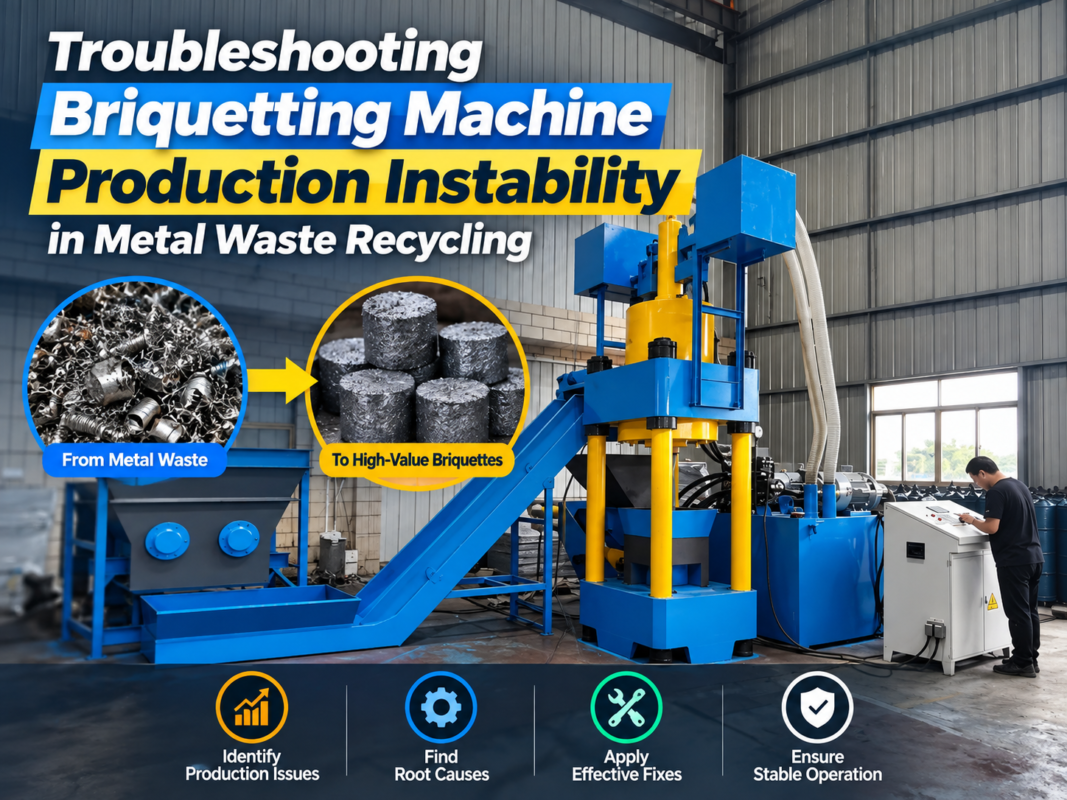
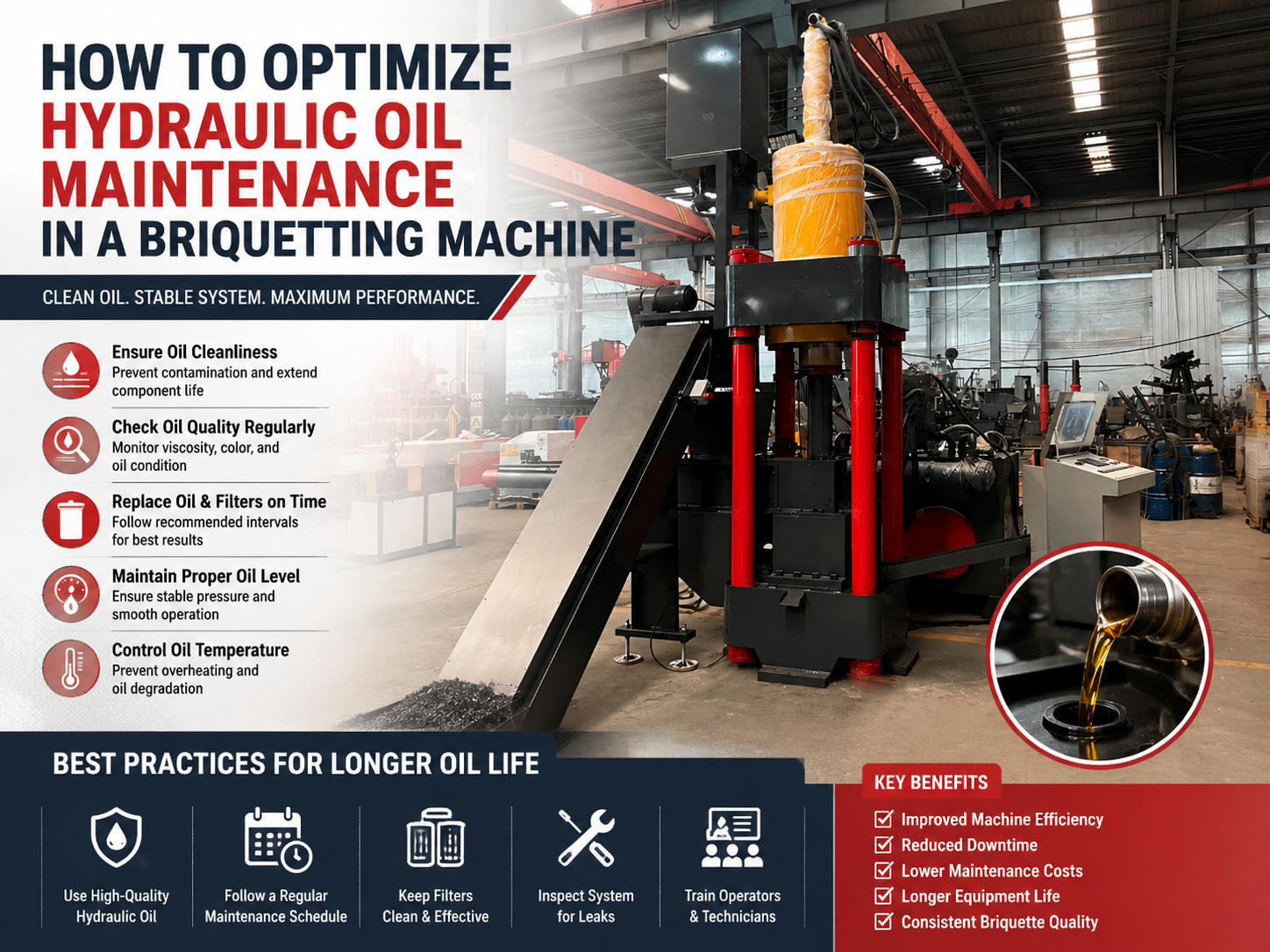
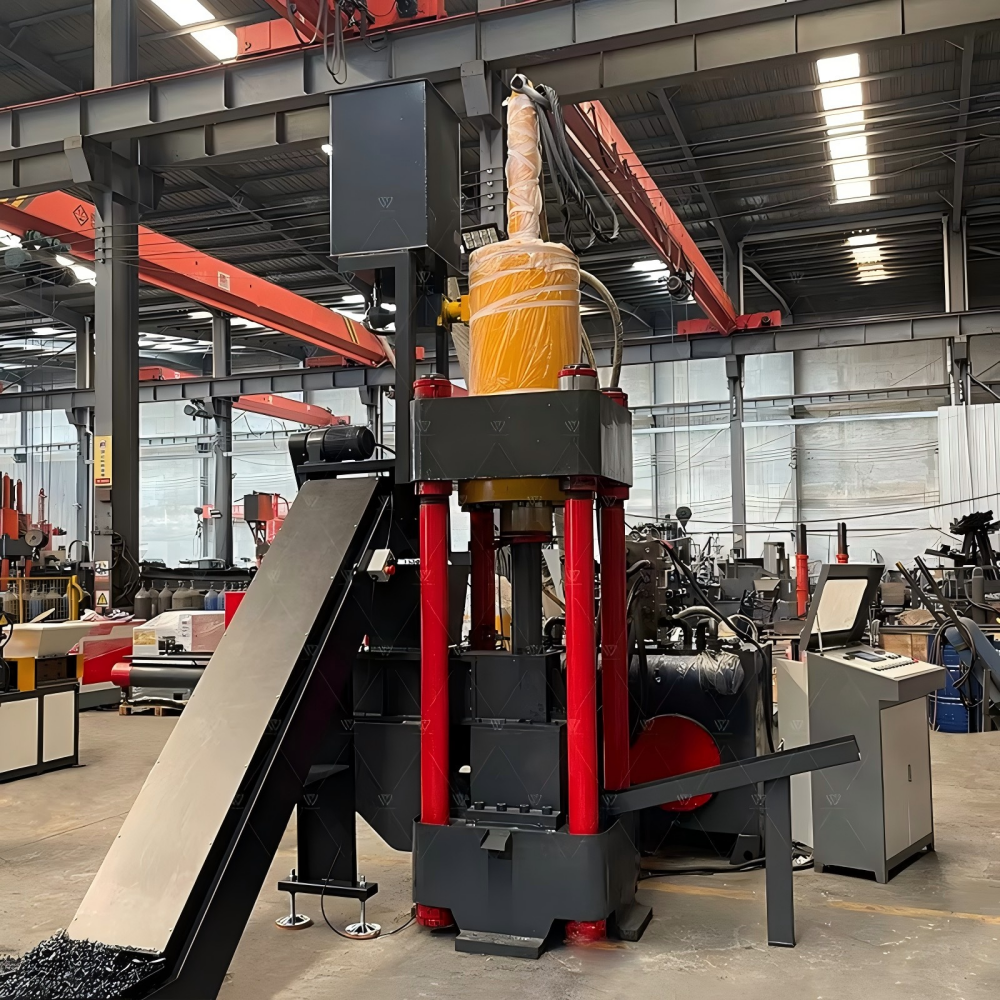
In the high-pressure environment of a HARSLE briquetting machine, hydraulic oil is more than just a lubricant; it is the lifeblood of the entire system. The machine relies on hydraulic force to compress metal chips, turnings, and swarf into dense, manageable briquettes. This process requires immense pressure, often exceeding 200 bar, which places significant thermal and mechanical stress on the hydraulic fluid. Understanding how to optimize hydraulic oil maintenance in a briquetting machine is essential for maintaining consistent production cycles and preventing premature component failure.
The hydraulic system consists of a pump, valves, cylinders, and a reservoir. The oil acts as a medium for power transmission, heat dissipation, and internal component lubrication. When the oil degrades, it loses its viscosity, leading to increased friction, internal leakage, and overheating. By implementing a rigorous maintenance schedule, operators can ensure that the hydraulic system operates within its design parameters, thereby maximizing the lifespan of seals, pumps, and valves.
Contamination is the primary enemy of hydraulic systems. In a metal fabrication environment, fine metallic dust, moisture, and oxidation byproducts can easily infiltrate the reservoir. Even microscopic particles can act as abrasives, scoring the internal surfaces of high-precision valves and cylinders. Therefore, optimizing maintenance involves not only changing the oil but also implementing advanced filtration strategies and environmental controls to keep the fluid pristine.
Furthermore, the chemical stability of the oil is critical. Over time, hydraulic oil undergoes oxidation, which produces sludge and acidic compounds. These substances can corrode internal components and clog filters, leading to a cascade of maintenance issues. By monitoring the chemical health of the oil, HARSLE machine operators can transition from reactive maintenance to a proactive, condition-based strategy that significantly reduces total cost of ownership.
Core Parameters for Hydraulic System Health
To effectively optimize hydraulic oil maintenance in a briquetting machine, one must monitor several core parameters. The most critical of these is viscosity. Viscosity determines the oil’s resistance to flow and its ability to maintain a protective film between moving parts. If the viscosity is too low, the oil will fail to provide adequate lubrication, leading to metal-on-metal contact. If it is too high, the system will struggle to pump the fluid, resulting in cavitation and increased energy consumption.
Temperature control is another vital parameter. Hydraulic systems generate significant heat during the compression cycle. If the oil temperature exceeds the recommended operating range—typically between 40°C and 60°C—the oil’s chemical structure begins to break down rapidly. This thermal degradation reduces the oil’s service life and can lead to the formation of varnish on internal surfaces, which interferes with the operation of sensitive control valves.
Water content must also be strictly controlled. Even small amounts of water can cause significant damage to hydraulic components. Water promotes oxidation, reduces the lubricity of the oil, and can lead to the formation of emulsions that clog filters. In a briquetting environment, where coolant from metal chips may accidentally enter the system, moisture ingress is a common risk that requires constant vigilance.
Finally, particle count (ISO cleanliness code) is the ultimate indicator of system health. By using laser particle counters, maintenance teams can track the concentration of contaminants in the oil. Maintaining an ISO cleanliness level of 18/16/13 or better is generally recommended for high-pressure briquetting systems to ensure that the hydraulic components remain free from abrasive wear and tear.
Calculation Method: Determining Oil Change Intervals
Calculating the optimal oil change interval is not a one-size-fits-all process. It requires a data-driven approach that considers the machine’s duty cycle, the operating environment, and the oil’s current condition. The most accurate method is to utilize oil analysis reports to determine the Remaining Useful Life (RUL) of the fluid. By tracking the depletion of additives and the accumulation of oxidation products, you can predict when the oil will reach the end of its service life.
A simple formula for estimating the oil change interval (T) can be expressed as: T = (V / Q) * F, where V is the total volume of the hydraulic reservoir, Q is the average flow rate through the filtration system, and F is a factor representing the environmental severity (ranging from 0.5 for clean environments to 1.5 for high-dust environments). This provides a baseline, but it should always be supplemented by laboratory testing.
When performing the calculation, consider the total operating hours of the HARSLE briquetting machine. If the machine runs 24/7, the oil will degrade faster than a machine running a single shift. Factor in the ambient temperature of the facility as well; higher ambient temperatures accelerate the oxidation process, necessitating more frequent oil changes or the installation of an upgraded oil cooler.
It is also important to account for the “make-up oil” added during routine maintenance. If you are frequently adding large amounts of new oil to the system, you are effectively extending the life of the existing fluid. However, this does not eliminate the need for periodic full system flushes to remove accumulated sludge and contaminants from the bottom of the reservoir.
Parameter Table: Recommended Hydraulic Oil Specifications
| Parameter | Recommended Range | Impact of Deviation |
|---|---|---|
| Viscosity Index | ISO VG 46 or 68 | Poor lubrication or cavitation |
| Operating Temperature | 40°C – 60°C | Thermal degradation/seal failure |
| ISO Cleanliness Code | 18/16/13 or better | Abrasive wear on valves |
| Water Content | < 500 ppm | Corrosion and additive depletion |
| Acid Number (TAN) | < 2.0 mg KOH/g | Internal system corrosion |
Common Engineering Mistakes in Maintenance
One of the most frequent mistakes operators make is failing to filter new oil before adding it to the reservoir. Many assume that new oil is clean, but it often contains contaminants from the manufacturing and shipping process. Always use a portable filtration unit to “kidney loop” the new oil into the system, ensuring it meets the required cleanliness standards before it ever touches the internal components of the briquetting machine.
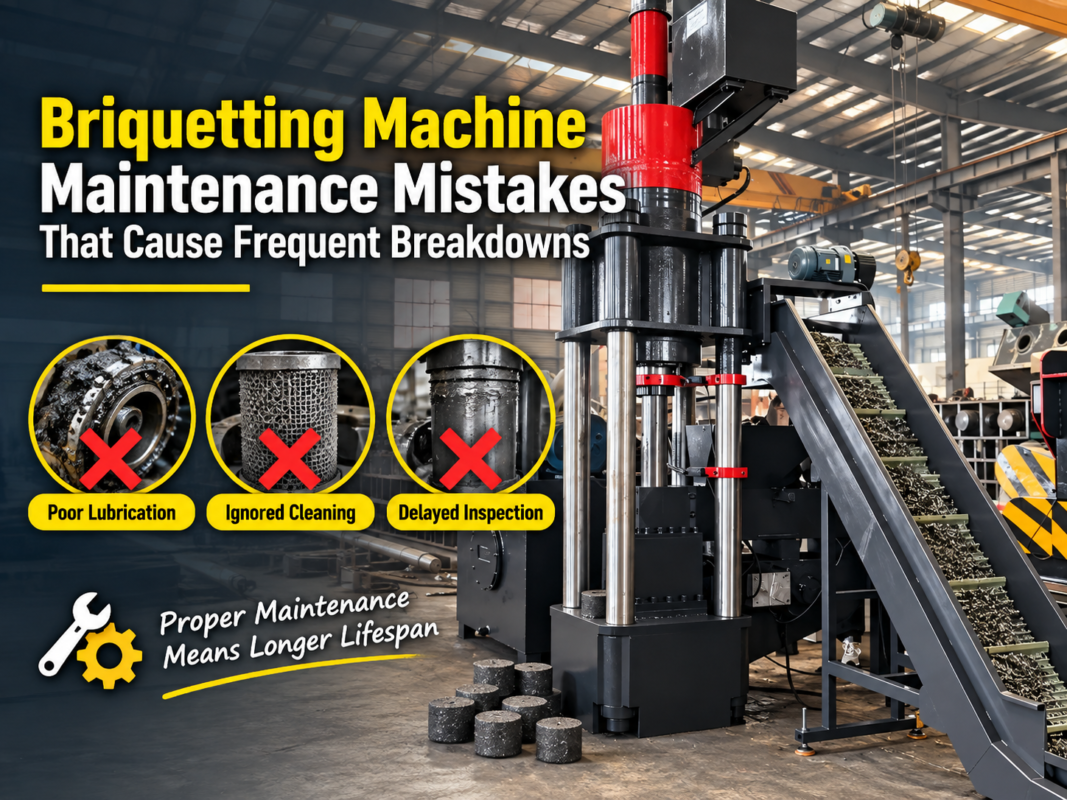
Another common error is neglecting the breather filter. The breather allows the reservoir to “breathe” as the oil level fluctuates. If the breather is clogged or missing, the system will draw in unfiltered air, introducing dust and moisture directly into the oil. Replacing the breather filter at every oil change is a low-cost, high-impact maintenance task that is frequently overlooked.
Over-tightening or under-tightening hydraulic fittings is also a major issue. While it may seem minor, improper torque can lead to micro-leaks. These leaks not only waste expensive hydraulic fluid but also create entry points for contaminants. Always use calibrated torque wrenches and follow the manufacturer’s specifications for all hydraulic connections.
Finally, many facilities fail to perform regular oil analysis. Relying solely on a fixed time-based schedule (e.g., changing oil every 2,000 hours) is inefficient. You might be changing oil that is still perfectly good, or worse, you might be running the machine on degraded oil because the schedule was too optimistic. Oil analysis provides the empirical evidence needed to optimize maintenance intervals and catch potential failures before they result in costly downtime.
Selection Checklist for Hydraulic Maintenance
When preparing to optimize your hydraulic maintenance program, use this checklist to ensure all bases are covered:
- Select the right oil: Ensure the hydraulic fluid meets the viscosity and additive requirements specified in your HARSLE machine manual.
- Establish a baseline: Perform an initial oil analysis to understand the current state of your system.
- Install high-quality filters: Upgrade to synthetic media filters with a high beta ratio to capture finer particles.
- Implement a kidney loop system: Use an off-line filtration system to continuously clean the oil while the machine is in operation.
- Monitor temperature: Ensure the oil cooler is functioning correctly and that the fan is free of debris.
- Train your team: Ensure maintenance staff understand the importance of cleanliness and the proper procedures for handling hydraulic fluids.
- Document everything: Maintain a detailed log of all oil changes, filter replacements, and analysis results to identify long-term trends.
FAQ: Frequently Asked Questions
How often should I change the hydraulic oil in my HARSLE briquetting machine?
While the manufacturer provides a baseline interval (typically every 2,000 to 4,000 hours), the exact timing should be determined by regular oil analysis. If the oil shows signs of oxidation or high particle counts, it should be changed sooner.
Can I mix different brands of hydraulic oil?
It is generally discouraged. Different brands may have incompatible additive packages that can cause the oil to gel or lose its protective properties. Always try to use the same brand and grade of oil throughout the life of the machine.
What are the signs that my hydraulic oil is failing?
Common signs include increased operating temperatures, sluggish machine response, unusual noises from the hydraulic pump (cavitation), and a noticeable change in the color or smell of the oil.
Why is my briquetting machine losing pressure?
Pressure loss is often caused by internal leakage in the hydraulic valves or worn pump components, both of which are frequently the result of contaminated or degraded hydraulic oil. Check your filters and perform an oil analysis to rule out fluid-related issues.
How does moisture affect the briquetting process?
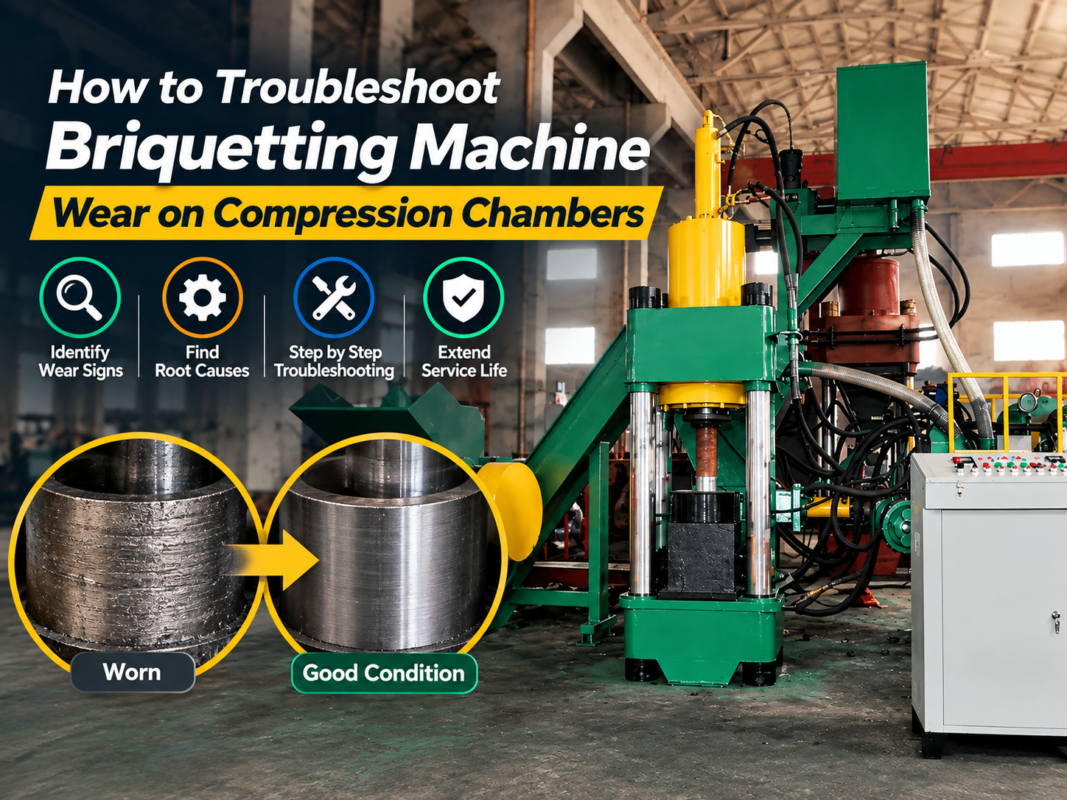
Moisture in the hydraulic oil can lead to cavitation and internal corrosion, which reduces the force applied to the metal chips. This results in lower-density briquettes and increased wear on the compression chamber.