Technical Guide to Briquetting Machine Installation and Commissioning: A Comprehensive HARSLE Manual

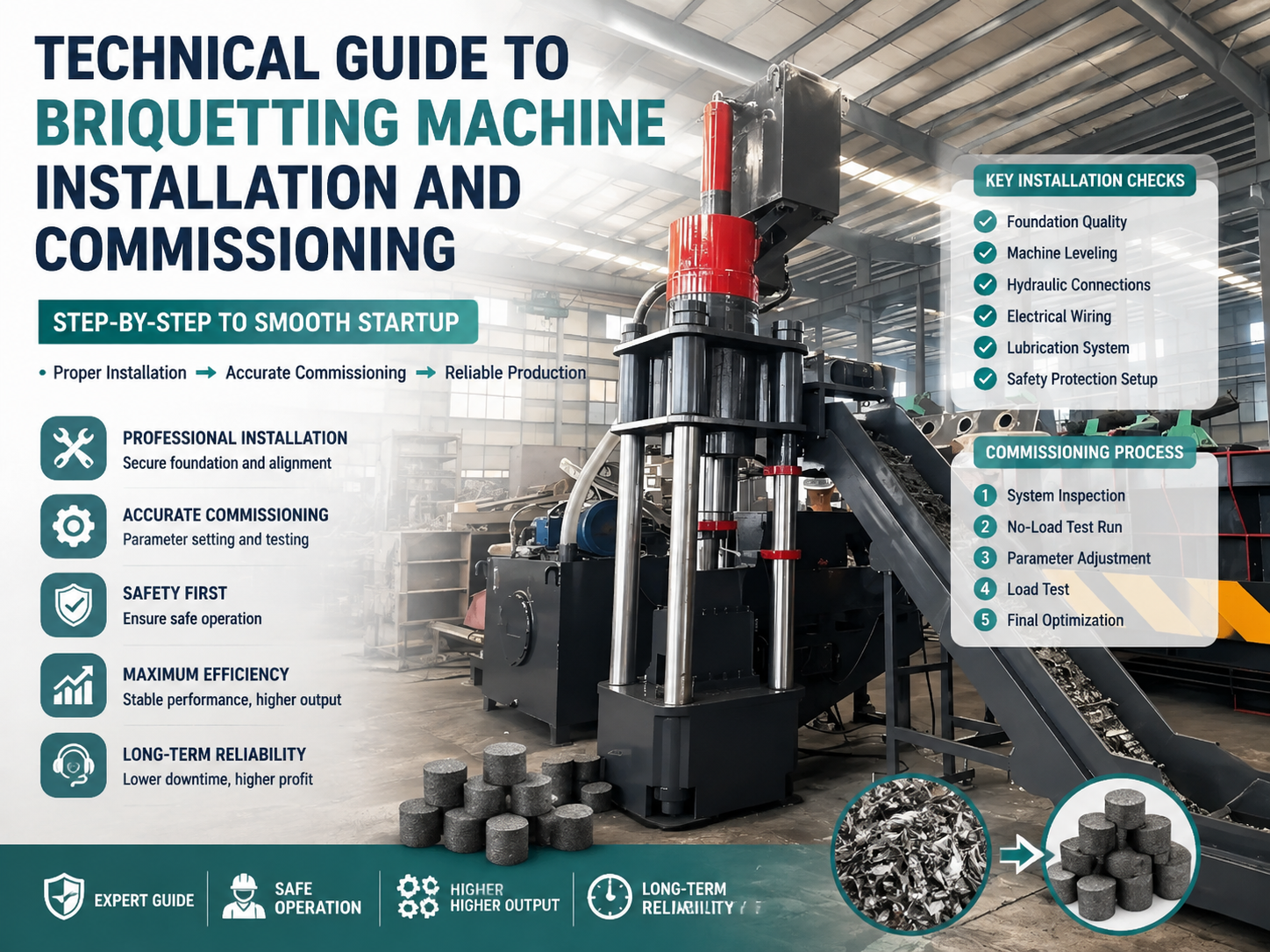
Technical Overview of Briquetting Systems
The implementation of a high-performance briquetting machine is a transformative step for any metal fabrication facility. At HARSLE, we design our systems to convert loose metal chips, turnings, and swarf into dense, manageable briquettes. This process not only recovers valuable cutting fluids but also significantly reduces logistics costs and increases the scrap value of metal waste. Understanding the technical briquetting machine installation commissioning process is critical to ensuring the longevity and efficiency of your investment.
A briquetting machine operates on the principle of high-pressure compaction. By applying extreme hydraulic force, the machine eliminates air pockets and binds metal particles together without the need for chemical binders. The technical complexity lies in the synchronization of the feeding system, the hydraulic compression cycle, and the discharge mechanism. Proper installation ensures that these components operate in harmony, preventing mechanical stress and premature wear.
During the installation phase, the focus must be on structural integrity and hydraulic stability. Because these machines generate significant vibration during the compression stroke, the foundation must be engineered to absorb these forces. HARSLE machines are built with heavy-duty steel frames, but even the most robust equipment requires a level, vibration-dampened surface to maintain alignment and prevent internal component fatigue.
Furthermore, the integration of the briquetting machine into your existing production line requires careful planning regarding material flow. Whether you are using a conveyor system or a manual hopper feed, the consistency of the material input is paramount. A well-installed system will feature automated sensors that monitor the density of the briquettes, allowing for real-time adjustments to the hydraulic pressure and cycle time, ensuring uniform output quality.
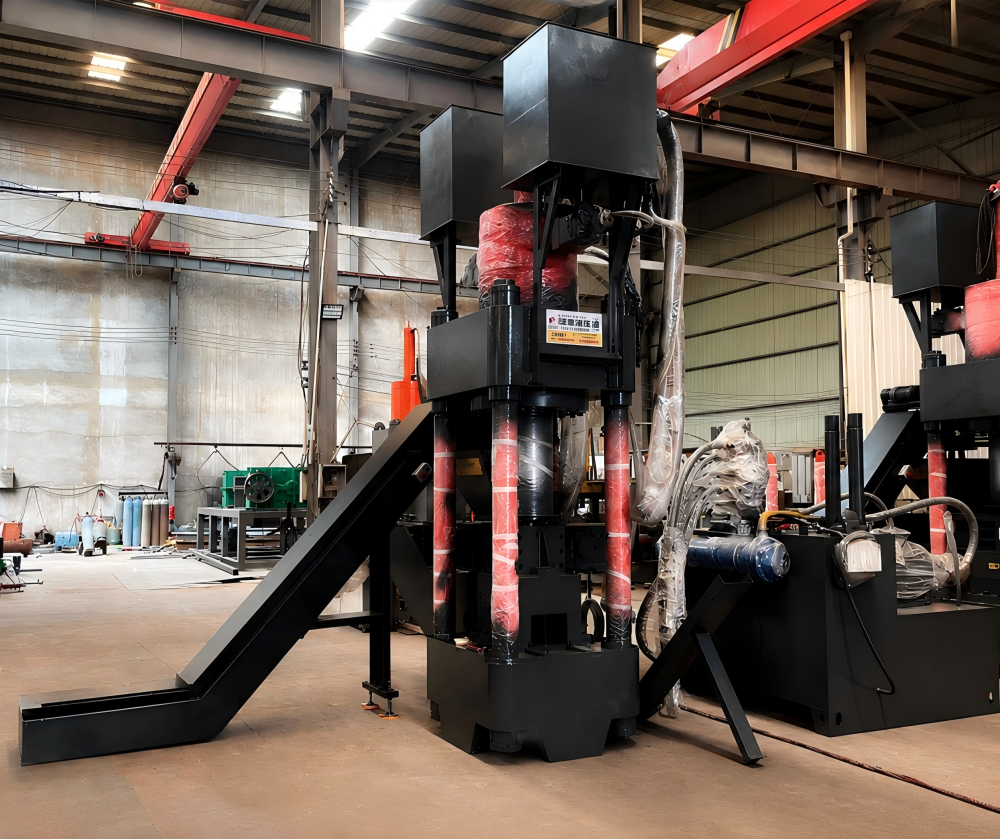
Core Parameters for Optimal Performance
When discussing the technical briquetting machine installation commissioning, one must first understand the core parameters that dictate machine performance. The primary metric is the specific pressure applied to the material. This is measured in megapascals (MPa) and determines the density of the final briquette. For aluminum, lower pressures may suffice, whereas steel or cast iron chips require significantly higher force to achieve the desired structural integrity.
Another critical parameter is the cycle time, which refers to the duration required to complete one full compression stroke and return to the starting position. A shorter cycle time increases throughput, but it must be balanced against the cooling requirements of the hydraulic system. If the cycle is too fast, the hydraulic oil temperature may exceed operational limits, leading to viscosity loss and potential seal failure.
The feeding rate and hopper capacity are also vital. The machine must be calibrated to receive a consistent volume of chips. If the hopper is overfilled, the pre-compression chamber may jam; if it is underfilled, the briquette density will be inconsistent. HARSLE engineers recommend setting the feeding rate based on the bulk density of the specific metal alloy being processed, as this varies significantly between materials like copper, brass, and stainless steel.
Finally, the hydraulic system pressure settings must be strictly adhered to during the commissioning phase. These settings are factory-calibrated to match the structural limits of the machine. Adjusting these parameters without consulting the HARSLE technical manual can lead to catastrophic failure of the main cylinder or the die set. Always ensure that the pressure relief valves are set to the recommended safety thresholds before initiating full-load production.
Calculation Method for System Capacity
Calculating the throughput capacity of your briquetting machine is essential for production planning. The formula generally involves the volume of the compression chamber, the cycle time, and the bulk density of the material. To calculate the hourly output, use the following logic: (Volume of Chamber × Number of Cycles per Hour) × Material Density × Efficiency Factor. The efficiency factor accounts for downtime, loading delays, and maintenance intervals.
To determine the required hydraulic force, you must calculate the surface area of the briquette and multiply it by the required compaction pressure for the specific metal. For instance, if you are processing steel chips, you need to ensure the hydraulic cylinder can exert enough force to overcome the yield strength of the material. HARSLE provides specific charts for these calculations, which should be used as the primary reference during the commissioning phase.
Energy consumption calculations are also part of the technical assessment. By measuring the kilowatt-hour (kWh) usage per ton of briquettes produced, you can determine the operational cost-effectiveness of the system. This calculation helps in identifying if the machine is running at optimal efficiency or if there are friction losses in the hydraulic lines or mechanical linkages that need to be addressed.
Lastly, consider the fluid recovery rate. A significant portion of the ROI for a briquetting machine comes from the reclamation of cutting oils. By measuring the volume of oil collected versus the volume of chips processed, you can calculate the recovery efficiency. This data is vital for environmental compliance reporting and for justifying the cost of the briquetting system to stakeholders.
Technical Parameter Table
| Parameter | Typical Range | Importance |
|---|---|---|
| Hydraulic Pressure | 200 – 350 bar | Determines briquette density |
| Cycle Time | 15 – 45 seconds | Dictates production throughput |
| Motor Power | 11 – 45 kW | Energy consumption and force capacity |
| Briquette Diameter | 50 – 120 mm | Compatibility with furnace charging |
| Oil Tank Capacity | 200 – 800 Liters | Thermal management of the system |
Common Engineering Mistakes During Installation
One of the most frequent errors during the technical briquetting machine installation commissioning is the failure to properly level the machine. A machine that is not perfectly level will experience uneven wear on the guide rails and the main cylinder seals. Over time, this leads to oil leaks and a loss of compression force. Always use a precision spirit level across both the longitudinal and transverse axes of the machine base.
Another common mistake is neglecting the hydraulic fluid quality. During the initial commissioning, the hydraulic system must be flushed to remove any contaminants that may have entered the lines during shipping. Using the wrong grade of hydraulic oil or failing to replace the initial break-in filter can cause the proportional valves to stick, leading to erratic machine behavior and potential damage to the PLC control system.
Electrical grounding is often overlooked. Because briquetting machines involve high-power motors and sensitive electronic sensors, improper grounding can lead to signal interference or, in severe cases, electrical damage to the control board. Ensure that the machine is connected to a dedicated, high-quality earth ground that meets local industrial electrical codes.
Finally, many operators fail to perform a proper “dry run” before introducing metal chips. A dry run allows you to verify the movement of the compression ram, the opening and closing of the discharge gate, and the responsiveness of the emergency stop buttons. Skipping this step can lead to mechanical jams that are difficult and dangerous to clear once the machine is filled with compressed metal.
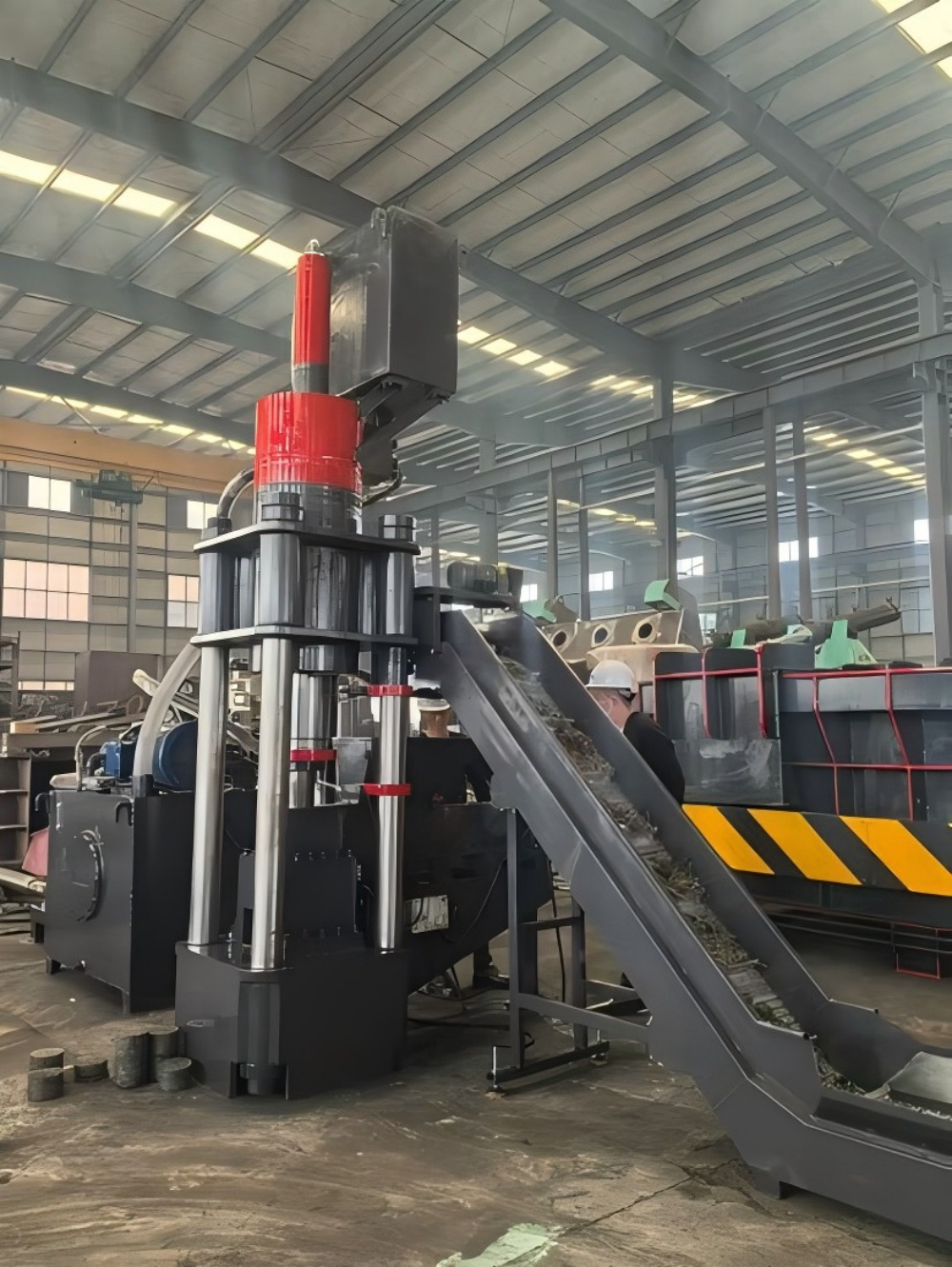
Selection Checklist for Briquetting Equipment
When selecting a briquetting machine, start by evaluating your material volume. If your facility produces less than 500kg of chips per day, a smaller, semi-automatic unit may suffice. For high-volume production lines, a fully automated system with integrated chip conveyors and oil filtration units is necessary. HARSLE offers a range of sizes to ensure you do not over-invest in capacity you do not need.
Consider the material type. Are you processing homogeneous chips, or is your waste stream a mix of different alloys? If you are mixing materials, you may need a machine with a more robust pre-crusher to ensure the chips are of a uniform size before they enter the compression chamber. This prevents inconsistent briquette density and potential damage to the die.
Evaluate the maintenance requirements. Look for machines that offer easy access to the hydraulic manifold, the main cylinder, and the electrical cabinet. HARSLE designs its equipment with modular components, making it easier for your maintenance team to perform routine inspections and part replacements without requiring specialized factory technicians for every minor issue.
Check the availability of spare parts. A machine is only as good as its uptime. Ensure that the manufacturer has a reliable supply chain for wear parts like die liners, seals, and sensors. HARSLE maintains a comprehensive inventory of critical components to ensure that your briquetting machine remains operational throughout its entire service life.
Frequently Asked Questions (FAQ)
What is the most important step in technical briquetting machine installation commissioning?
The most important step is ensuring a stable, level foundation and performing a thorough hydraulic system flush. These two actions prevent 80% of common mechanical and hydraulic failures.
How often should I change the hydraulic oil?
Under normal operating conditions, hydraulic oil should be changed every 2,000 to 3,000 operating hours. However, if you are operating in a high-dust environment, you may need to change the oil and filters more frequently to prevent contamination.
Can I process different types of metal in the same machine?
Yes, but you must ensure the machine is cleaned between batches if you are concerned about alloy contamination. Additionally, you may need to adjust the pressure settings to account for the different yield strengths of the metals.
What should I do if the briquettes are crumbling?
Crumbling briquettes usually indicate that the hydraulic pressure is too low or the material is too dry/contaminated. Check your pressure settings and ensure that the chip size is consistent. If the problem persists, contact HARSLE technical support for a die inspection.
Is professional training required for operators?
While HARSLE machines are designed for ease of use, we strongly recommend professional training for your operators and maintenance staff. Understanding the nuances of the control interface and safety protocols is essential for safe and efficient operation.