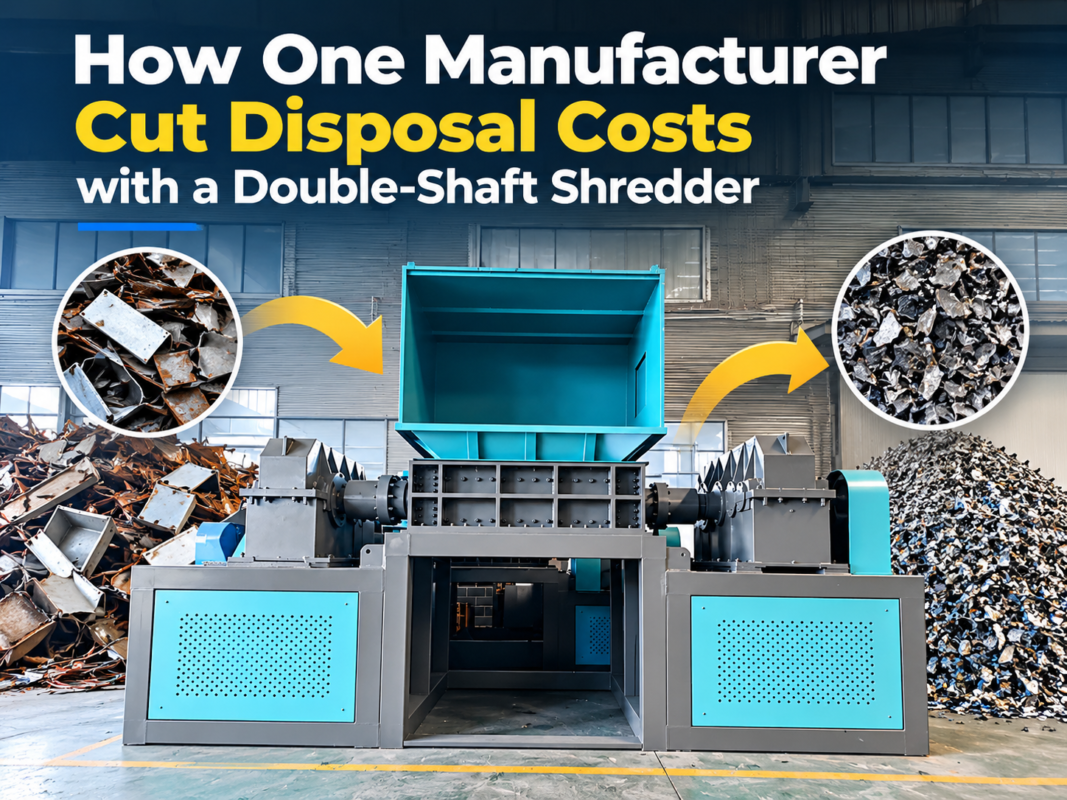
How to Improve Briquetting Machine Output with Proper Chip Preparation

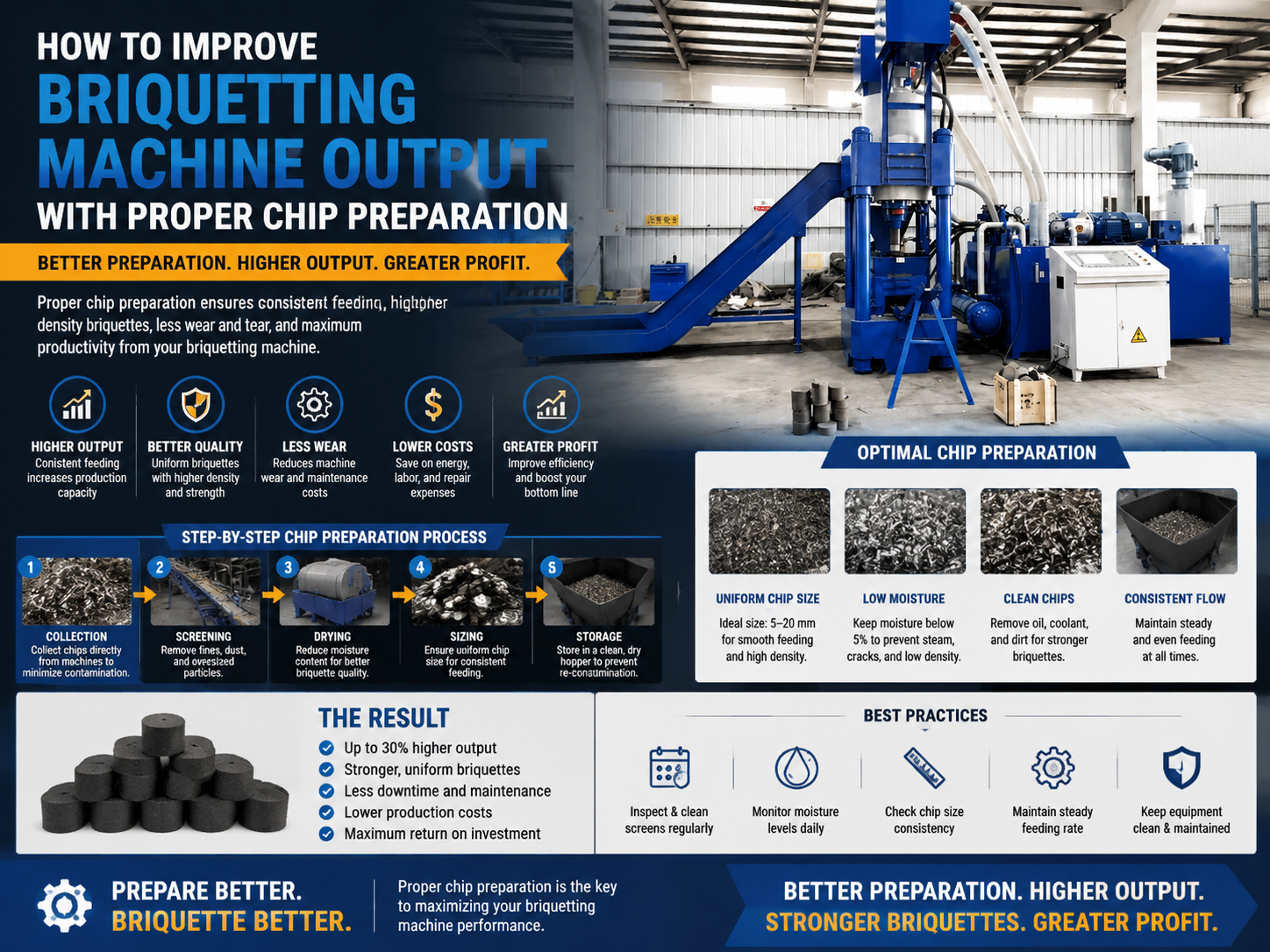
Technical Overview: The Role of Chip Preparation in Briquetting
In the modern metal fabrication landscape, the efficiency of a briquetting machine is not solely dependent on the hydraulic pressure or the cycle time of the press itself. Instead, the true bottleneck often lies in the quality and consistency of the raw material input. To improve briquetting machine output with proper chip preparation, operators must understand that briquetting is essentially a densification process. When metal chips—whether steel, aluminum, copper, or brass—are fed into the machine in a disorganized or contaminated state, the machine struggles to achieve uniform density, leading to increased wear and reduced throughput.
Proper chip preparation involves a systematic approach to handling metal swarf from the moment it leaves the CNC machine or lathe. This includes the removal of tramp oils, the reduction of chip size through shredding, and the separation of foreign debris. When these steps are optimized, the briquetting machine can operate at its peak design capacity. A well-prepared feed material ensures that the compression chamber is filled consistently, preventing air pockets and ensuring that the hydraulic system spends its energy on densifying metal rather than compressing trapped air or excess coolant.
HARSLE engineering standards emphasize that the consistency of the bulk density of the input material is the primary driver of output volume. If the chips are too long or ‘stringy,’ they create bridging effects in the hopper, which prevents the material from flowing into the compression chamber. By implementing a pre-processing stage, you effectively transform a chaotic waste stream into a standardized industrial feedstock. This transition is the single most effective way to increase the tonnage per hour of your briquetting operation.
Furthermore, the integration of automated chip handling systems allows for a continuous feed, which is essential for high-volume production environments. When the material is pre-conditioned, the briquetting machine can maintain a steady rhythm, reducing the thermal stress on hydraulic components and extending the lifespan of the die and punch assemblies. In this technical guide, we will explore the specific parameters and methodologies required to optimize your chip preparation workflow for maximum efficiency.
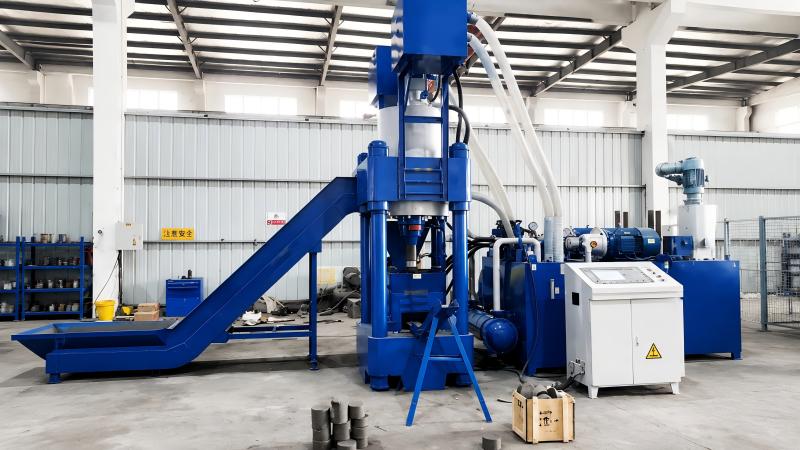
Core Parameters for Optimized Briquetting
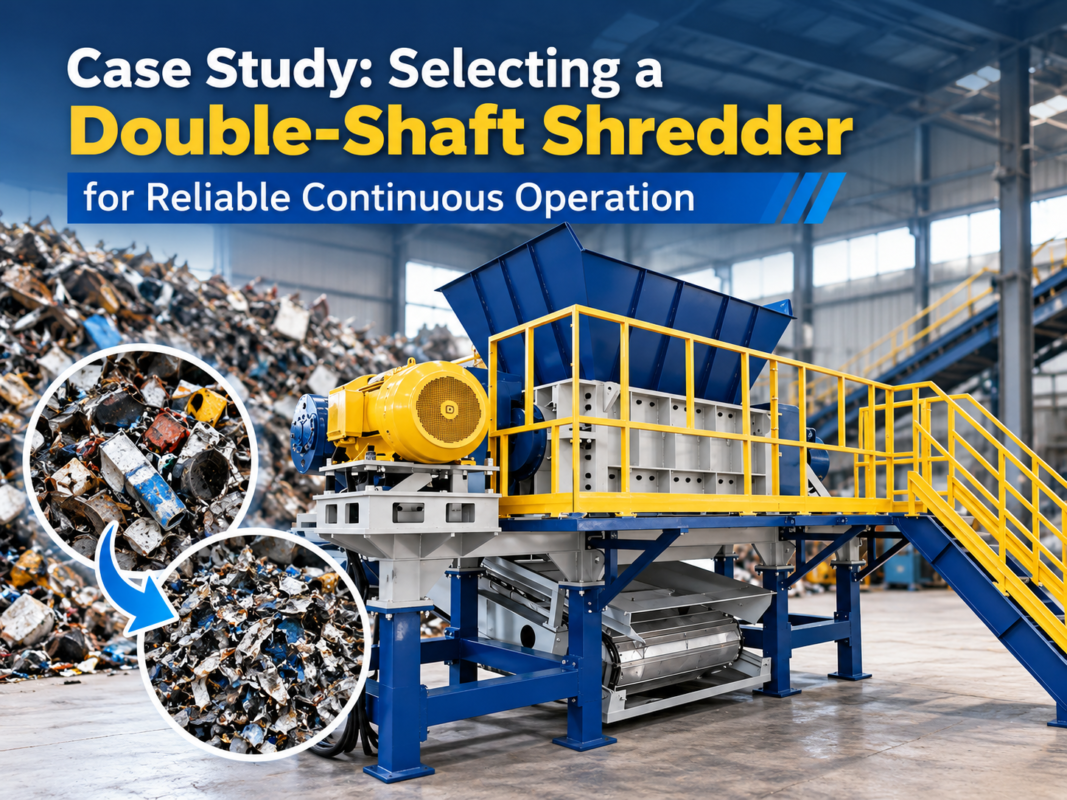
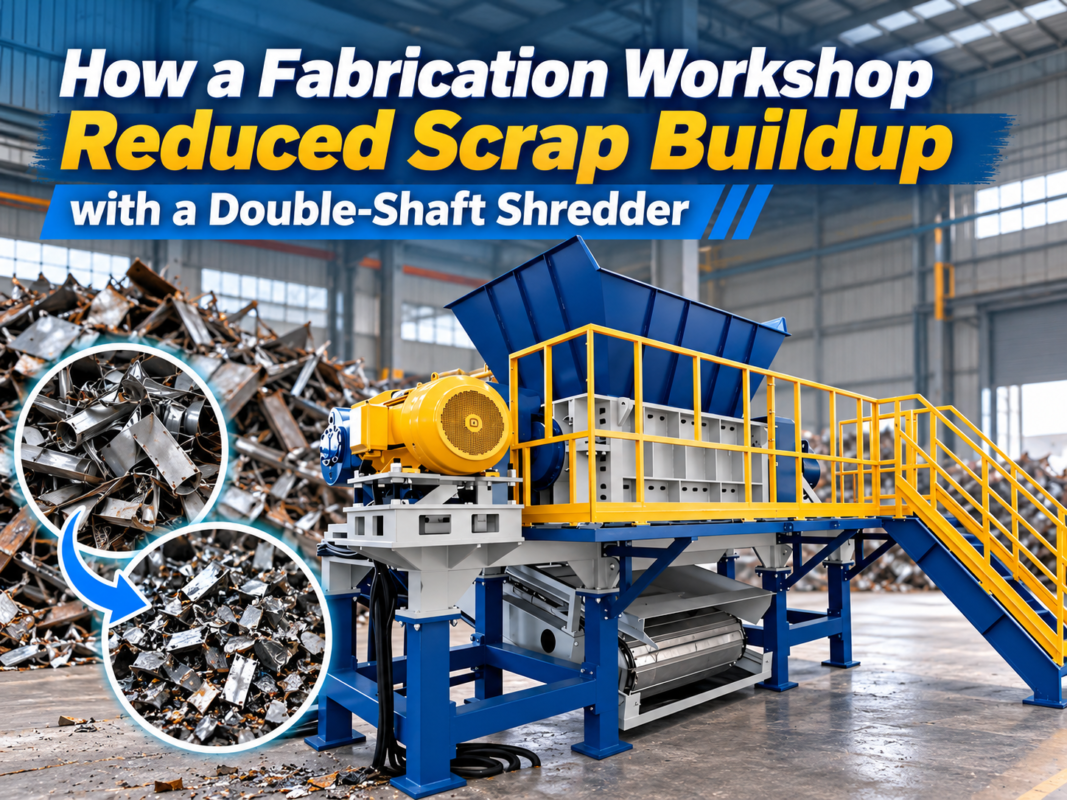
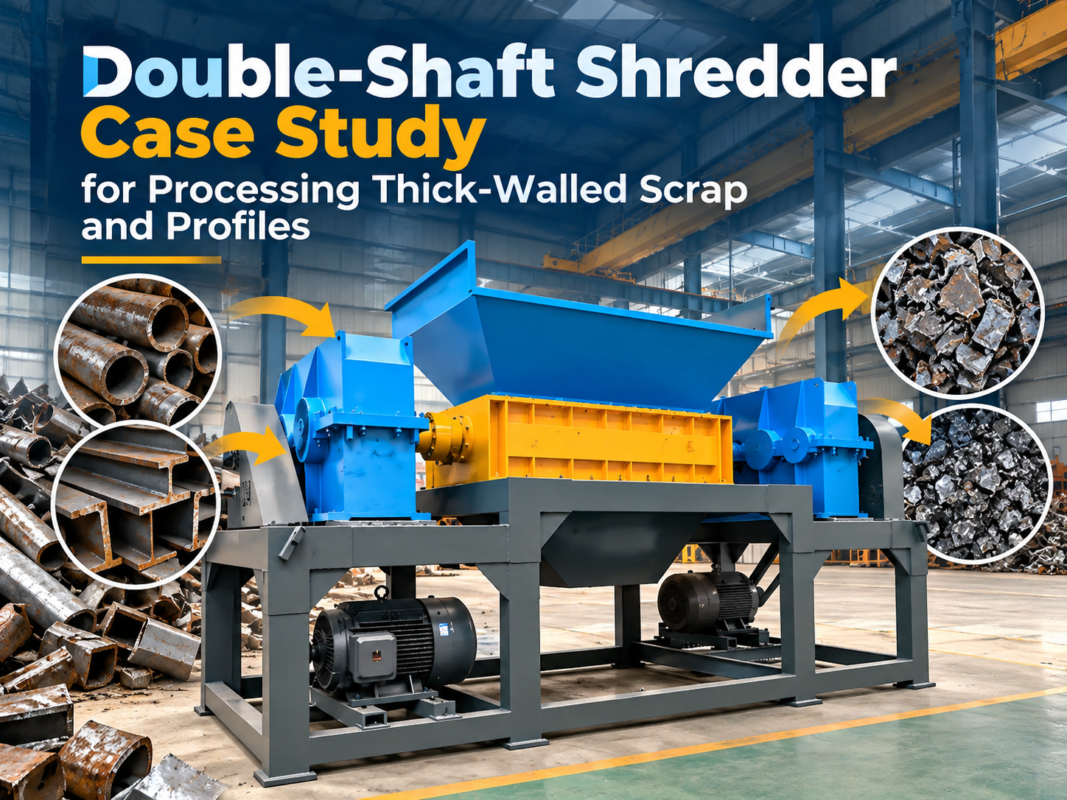
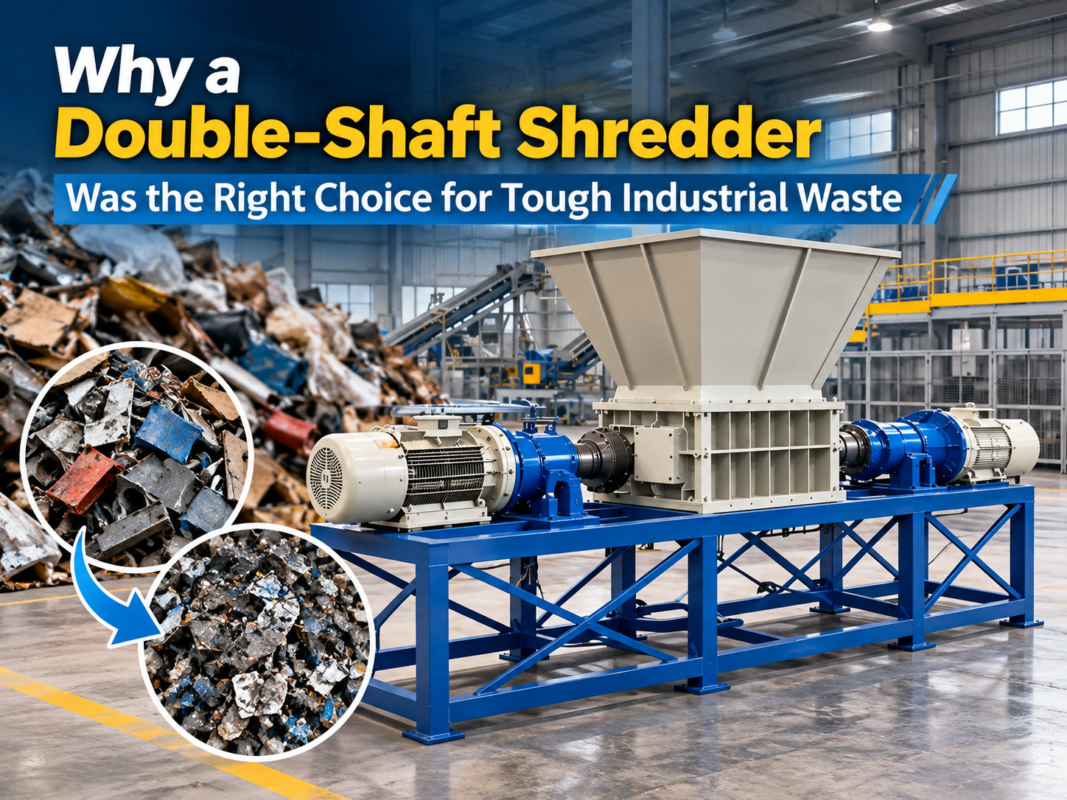
To successfully improve briquetting machine output with proper chip preparation, you must focus on three core parameters: chip morphology, moisture content, and material purity. Chip morphology refers to the physical shape and size of the metal scrap. Long, curly chips are the enemy of high-speed briquetting. They occupy excessive volume and resist uniform compaction. Utilizing a chip shredder or crusher to reduce these into small, manageable flakes is essential for consistent hopper flow.
Moisture content, specifically the presence of cutting oils and coolants, is the second critical parameter. While some residual oil is inevitable, excessive liquid content can lead to ‘hydraulic locking’ within the briquetting chamber. When the press attempts to compress a mixture of metal and liquid, the liquid—being incompressible—can cause pressure spikes that damage seals and valves. Centrifugal chip wringers are the industry standard for removing this excess fluid, which not only protects the machine but also allows for the recovery and recycling of expensive cutting fluids.
Material purity is the third pillar. Tramp materials such as shop rags, plastic swarf, or heavy steel bolts mixed into aluminum chips can cause catastrophic damage to the die set. Even small amounts of non-metallic debris can create stress concentrations during the high-pressure compaction phase, leading to premature cracking of the hardened steel dies. Implementing magnetic separators and vibrating screens in the pre-processing line ensures that only clean metal enters the briquetting chamber.
Finally, the bulk density of the prepared material must be monitored. By ensuring that the chips are uniform in size and free of contaminants, you create a predictable feed rate. This predictability allows the PLC (Programmable Logic Controller) of the HARSLE briquetting machine to optimize the cycle time, as the sensors can accurately detect when the chamber is filled to the ideal level, preventing over-filling or under-filling of the press.
Calculation Method for Throughput Efficiency
Calculating the potential output of your briquetting system requires an understanding of the relationship between bulk density and cycle time. To determine if your current preparation methods are sufficient, use the following formula: Output (kg/hr) = (Chamber Volume x Bulk Density x Cycles per Hour) x Efficiency Factor. The efficiency factor is typically between 0.75 and 0.90, depending on the consistency of the feed.
To improve briquetting machine output with proper chip preparation, you should aim to increase the ‘Bulk Density’ variable. Raw, un-shredded chips might have a bulk density of 100-200 kg/m³, whereas shredded and cleaned chips can reach 400-600 kg/m³. By tripling the bulk density through preparation, you effectively triple the mass of metal processed in every single stroke of the piston, without needing to increase the speed of the machine.
Another calculation to consider is the ‘Fill Ratio.’ This is the ratio of the volume of the chips in the hopper to the volume of the compression chamber. A low fill ratio indicates that the chips are too bulky or ‘fluffy.’ By measuring the weight of a standard container of chips before and after shredding, you can quantify the improvement in your preparation process. If your fill ratio is below 0.6, you are likely losing significant potential output due to poor material preparation.
Lastly, keep track of the ‘Down-time per Shift’ caused by hopper bridging. If your operators are frequently manually clearing the hopper, your preparation process is failing to create a free-flowing material. By calculating the total time lost to manual intervention and comparing it to the total shift time, you can justify the investment in automated shredding and conveying equipment. Reducing this downtime is often the fastest way to see a double-digit percentage increase in daily output.
Parameter Table: Ideal Chip Preparation Standards
| Parameter | Target Value | Impact on Output |
|---|---|---|
| Chip Size | 10mm – 30mm flakes | High – Prevents bridging |
| Moisture Content | < 5% residual fluid | Medium – Prevents pressure spikes |
| Bulk Density | > 400 kg/m³ | Very High – Increases mass per stroke |
| Contamination | < 0.5% non-metallic | High – Protects die longevity |
| Flowability | High (Free-flowing) | High – Ensures consistent cycle |
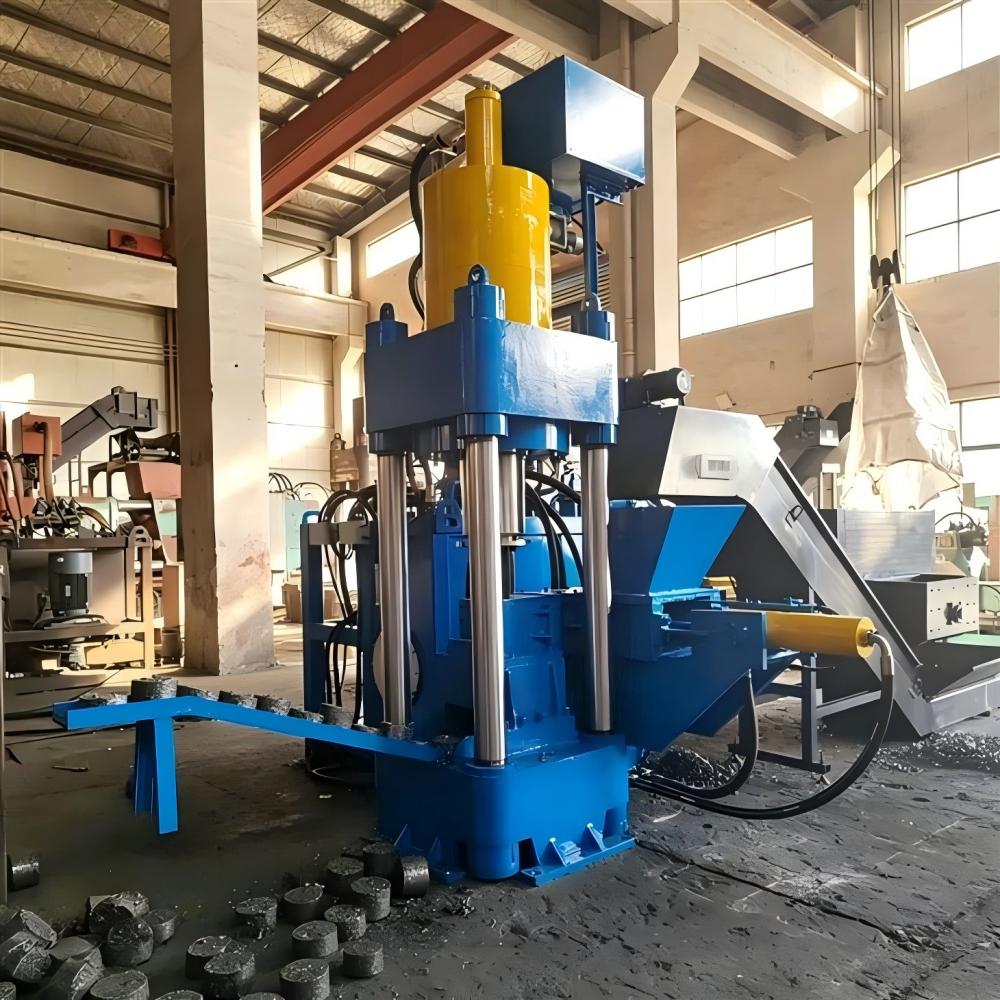
Common Engineering Mistakes in Chip Handling
One of the most common mistakes in metal fabrication facilities is the ‘direct-feed’ approach, where chips are shoveled directly from the CNC machine into the briquetting press. This bypasses all preparation steps and inevitably leads to inconsistent briquette density. When the density varies, the briquettes become brittle and may crumble during transport, which defeats the purpose of the briquetting process. Furthermore, the lack of moisture control leads to messy, leaking briquettes that are difficult to handle and store.
Another frequent error is the failure to account for material mixing. Mixing different alloys, such as aluminum and steel, can lead to contamination of the scrap stream, significantly reducing its resale value. Proper preparation involves segregating scrap at the source. If your briquetting machine is processing mixed materials, you are likely producing a low-grade product that fetches a lower price at the foundry. Dedicated preparation lines for each metal type are essential for maximizing the ROI of your briquetting equipment.
Ignoring the maintenance of the shredder or wringer is also a critical oversight. If the shredder blades are dull, they will not cut the chips but rather tear them, resulting in long, stringy material that is even harder to process than the original scrap. Regularly sharpening shredder blades and checking the screen sizes in your crusher is just as important as maintaining the briquetting press itself. A failure in the preparation line is a failure in the entire production chain.
Finally, many facilities underestimate the importance of the conveying system. If the chips are transported via open carts, they are prone to collecting dust, floor debris, and other contaminants. Implementing a closed-loop pneumatic or screw-conveyor system keeps the material clean and ensures a steady, controlled flow into the briquetting machine. This automation reduces human error and ensures that the machine is always fed at the optimal rate, preventing the ‘starve-and-surge’ cycle that plagues manual feeding operations.
Selection Checklist for Briquetting Preparation Equipment
When looking to improve briquetting machine output with proper chip preparation, you need to select the right auxiliary equipment. Use this checklist to evaluate your needs:
- Chip Shredder/Crusher: Does it have the capacity to handle your peak volume? Are the blades hardened for your specific metal type (e.g., high-speed steel for stainless)?
- Centrifugal Wringer: Is the G-force sufficient to remove the specific viscosity of your cutting fluid? Does it have an automated discharge mechanism?
- Magnetic Separator: Is it placed before the shredder to prevent damage to the blades from tramp iron?
- Conveyor System: Is it a closed system to prevent contamination? Does it have a variable speed drive to match the briquetting machine’s intake?
- Storage Silo: Do you have a buffer silo to ensure the briquetting machine can run even if the CNC machines are temporarily idle?
- Control Integration: Can the preparation line communicate with the briquetting machine’s PLC to stop the feed if the hopper is full?
By systematically addressing each item on this checklist, you ensure that your investment in briquetting technology is fully supported by a robust infrastructure. Remember that the briquetting machine is the ‘heart’ of the system, but the preparation line is the ‘circulatory system’ that keeps it running efficiently.
Frequently Asked Questions (FAQ)
How does chip size affect briquette quality?
Smaller, uniform chips allow for better interlocking during the compression phase. This results in a higher density, more durable briquette that is less likely to break during handling and shipping.
Can I briquette chips with high oil content?
While possible, it is not recommended. High oil content leads to pressure spikes, potential hydraulic seal failure, and poor-quality briquettes. We strongly advise using a chip wringer to reduce moisture to below 5%.
Why does my briquetting machine stop frequently?
Frequent stops are usually caused by ‘bridging’ in the hopper or the detection of non-metallic contaminants. Improving your chip preparation by shredding and screening will eliminate these issues.
What is the best way to handle long, stringy steel chips?
Long, stringy chips must be processed through a heavy-duty industrial shredder. Attempting to feed them directly into a briquetting machine will cause constant blockages and potential damage to the feed auger.
How often should I clean the briquetting chamber?
The frequency depends on the material processed. However, with proper chip preparation, the need for manual cleaning is significantly reduced. Regular inspection of the die and punch is still required as part of your standard maintenance schedule.