Cold Briquetting Machine Applications for Aluminum, Steel, and Copper Chips: A Comprehensive Technical Guide

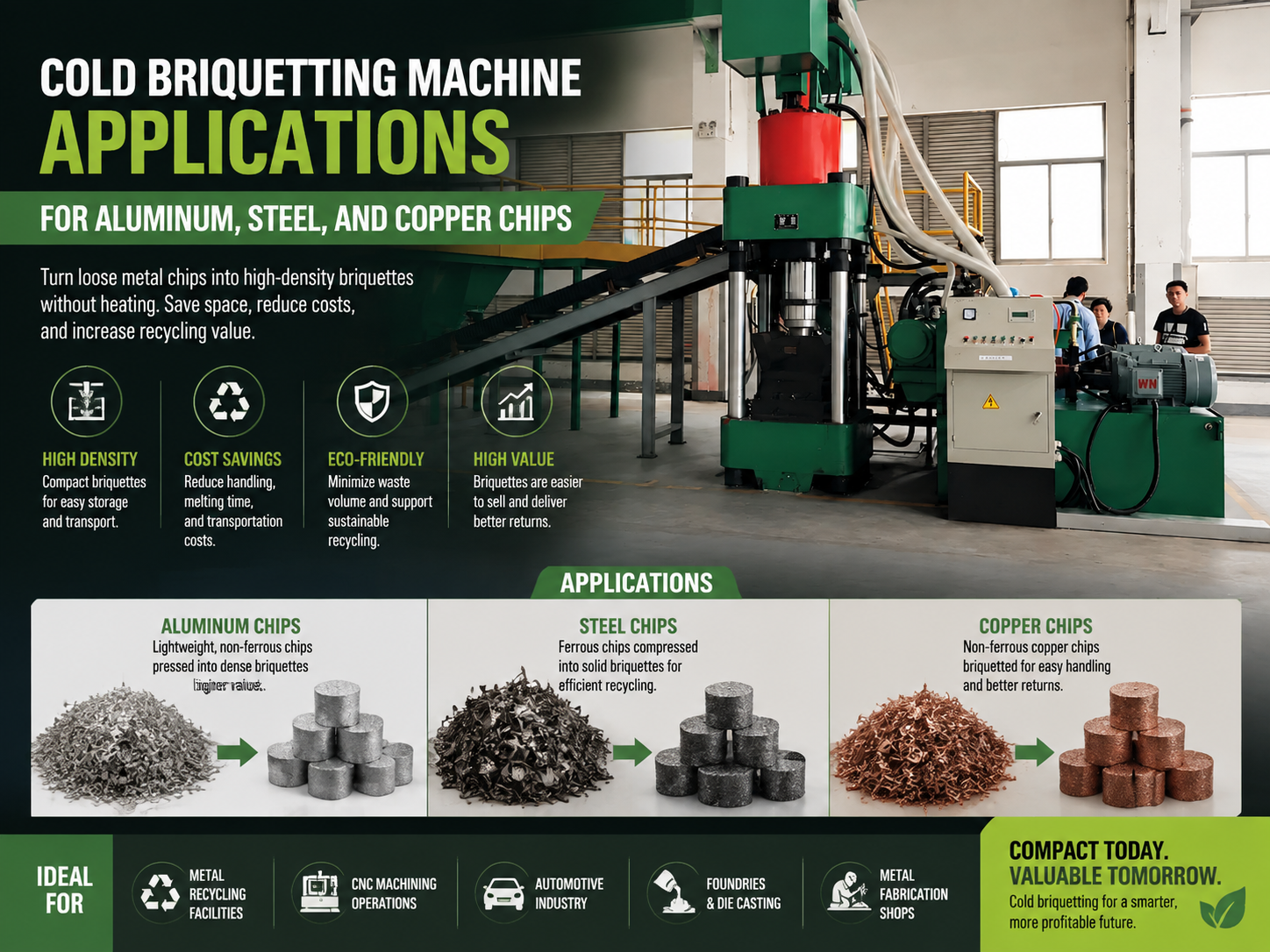
Technical Overview: The Science of Cold Briquetting
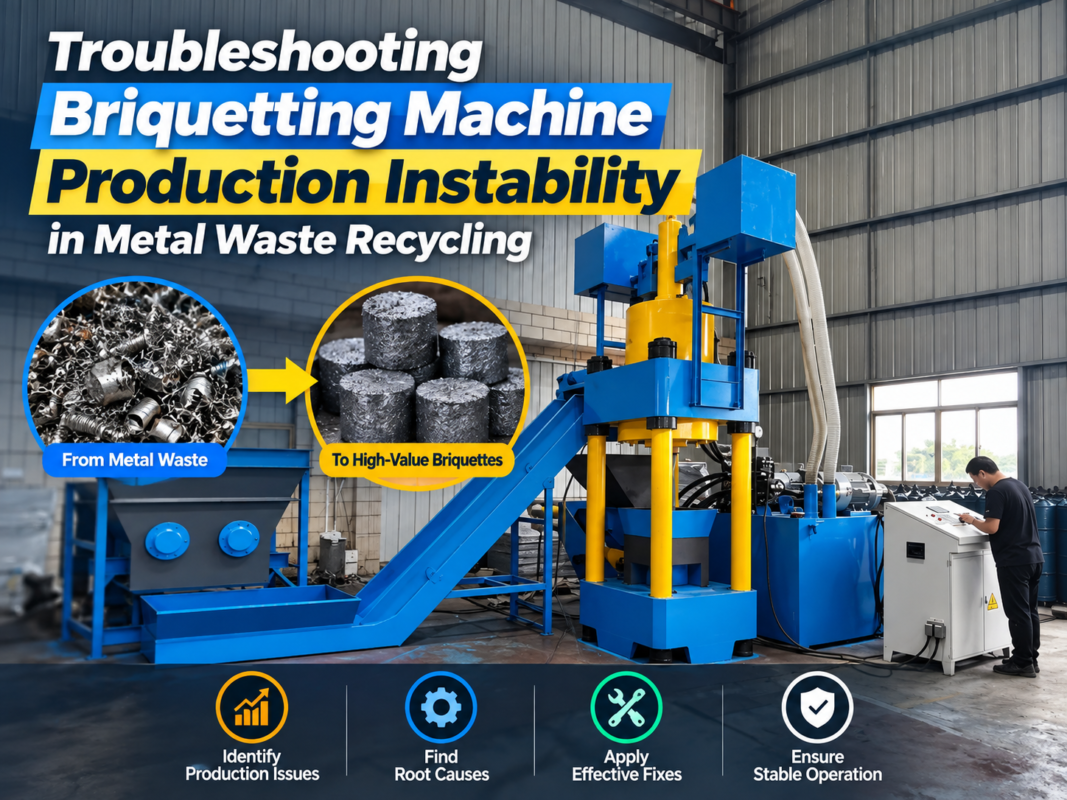
In the modern metal fabrication landscape, the management of metal swarf—specifically aluminum, steel, and copper chips—represents a significant operational challenge. Cold briquetting machine applications for aluminum, steel, and copper chips have evolved from simple waste management tools into essential components of a circular manufacturing economy. By utilizing high-pressure hydraulic force, these machines compress loose, voluminous metal chips into dense, manageable briquettes without the need for heat or binding agents.
The fundamental principle behind cold briquetting is the application of extreme pressure to overcome the elastic limit of the metal particles. When loose chips are fed into the hopper, the pre-compression stage removes air and excess cutting fluids, while the main compression stage forces the metal into a solid state. This process relies on the mechanical interlocking of the chips and the cold-welding effect that occurs under high-pressure conditions, resulting in a product that is easy to transport and highly valuable for smelting.
For HARSLE equipment, the engineering focus is on the synchronization of the hydraulic system and the structural integrity of the mold. The cold briquetting process is particularly effective for ductile metals like aluminum and copper, which exhibit excellent bonding characteristics under pressure. Steel, while harder, responds well to high-tonnage presses, allowing for the creation of high-density pucks that minimize oxidation and surface area exposure during storage.
Beyond simple volume reduction, the technical value of these machines lies in the recovery of expensive cutting fluids. During the compression cycle, the machine extracts coolants and lubricants that are trapped within the chip structure. This reclaimed fluid can be filtered and reused, significantly lowering the total cost of ownership for the fabrication facility. The environmental impact is equally significant, as it reduces the carbon footprint associated with transporting bulky, fluid-soaked waste to recycling centers.
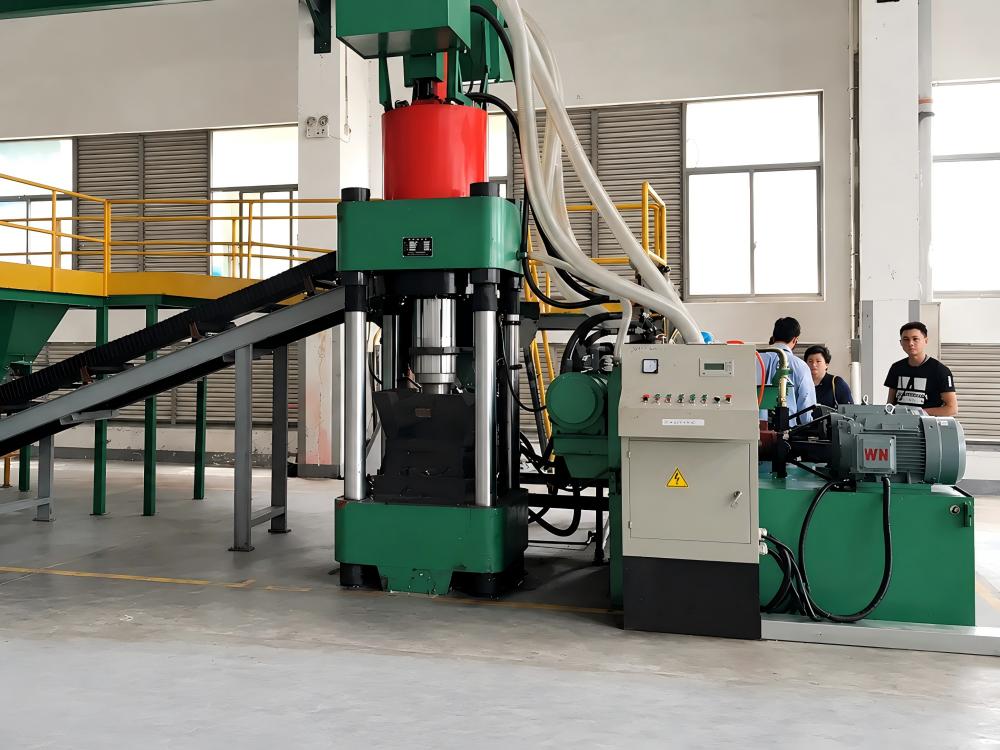
Core Parameters: Defining Performance and Efficiency
When evaluating cold briquetting machine applications for aluminum, steel, and copper chips, engineers must focus on several core parameters that dictate the machine’s throughput and the quality of the final briquette. The primary metric is the specific pressure, measured in megapascals (MPa), which determines the density of the output. Higher pressure is required for steel chips compared to aluminum or copper, as the yield strength of the material is significantly higher.
The cycle time is another critical parameter. A high-performance HARSLE briquetting machine is designed to optimize the stroke length and the speed of the hydraulic cylinders. By reducing the idle time between compression cycles, the machine maximizes the output per hour, measured in kilograms or tons. This is vital for high-volume fabrication shops where chip generation is continuous and rapid.
The density of the briquette is the ultimate indicator of machine efficiency. A well-formed briquette should achieve 70% to 90% of the density of the solid metal. This high density is crucial for the smelting process, as it prevents the briquettes from floating on the surface of the molten metal, thereby reducing oxidation losses and improving the yield of the furnace. The machine’s ability to maintain consistent density across different material types is a hallmark of superior design.
Finally, the hopper capacity and the automated feeding system are essential for continuous operation. HARSLE machines are equipped with advanced sensors that monitor the chip level in the hopper, automatically adjusting the feed rate to prevent bridging or clogging. This automation ensures that the machine can operate with minimal human intervention, allowing for integration into fully automated production lines where chips are conveyed directly from CNC machines to the briquetting unit.
Calculation Method: Determining ROI and Throughput
Calculating the return on investment (ROI) for cold briquetting machine applications for aluminum, steel, and copper chips requires a systematic approach. The first step is to calculate the volume reduction ratio. Loose chips typically have a bulk density that is 10% to 20% of the solid metal. By compressing them into briquettes, you can achieve a volume reduction of up to 90%, which drastically reduces logistics and storage costs.
The second calculation involves the value of reclaimed cutting fluid. If a facility generates 1,000 kg of chips per day with a 5% fluid content, the machine can recover up to 50 liters of coolant daily. By multiplying this by the cost per liter of the coolant and the number of operating days, the savings become immediately apparent. This reclaimed fluid value often covers the energy and maintenance costs of the machine within the first year of operation.
Thirdly, consider the price premium for briquetted scrap versus loose chips. Smelters and foundries pay a significantly higher price for dense, clean briquettes because they are easier to handle and have a higher melting yield. By comparing the market price of loose chips against the price of briquettes, you can calculate the additional revenue generated per ton of processed material. This premium is often the most significant factor in the ROI calculation.
Lastly, factor in the reduction in labor and handling costs. Moving loose chips requires specialized containers, frequent transport, and significant floor space. Briquettes can be palletized and moved with standard forklifts, reducing the man-hours required for waste management. When these four factors—volume reduction, fluid recovery, scrap price premium, and labor savings—are combined, the payback period for a HARSLE briquetting machine is typically between 12 and 24 months.
Parameter Table: HARSLE Briquetting Series
| Model | Material Type | Pressure (MPa) | Output (kg/h) | Briquette Diameter | Motor Power |
|---|---|---|---|---|---|
| HBS-100 | Aluminum | 250 | 150-200 | 80mm | 11kW |
| HBS-200 | Copper/Steel | 350 | 250-300 | 100mm | 18.5kW |
| HBS-400 | Steel/Mixed | 450 | 400-500 | 120mm | 30kW |
| HBS-600 | Heavy Steel | 550 | 600-800 | 150mm | 45kW |
Common Engineering Mistakes in Briquetting
One of the most common mistakes in cold briquetting machine applications for aluminum, steel, and copper chips is the failure to properly sort the input material. Mixing different metal types, such as aluminum and steel, can lead to contamination that renders the briquettes worthless for high-quality casting. It is essential to maintain separate collection systems for each metal type to ensure the purity of the scrap and maximize its resale value.
Another frequent error is ignoring the moisture and impurity content of the chips. While the machine is designed to handle cutting fluids, excessive amounts of tramp oil, sludge, or solid debris like broken tools can damage the mold and hydraulic seals. Implementing a pre-screening process to remove large solid objects and excessive sludge is critical for the longevity of the machine and the consistency of the briquette quality.
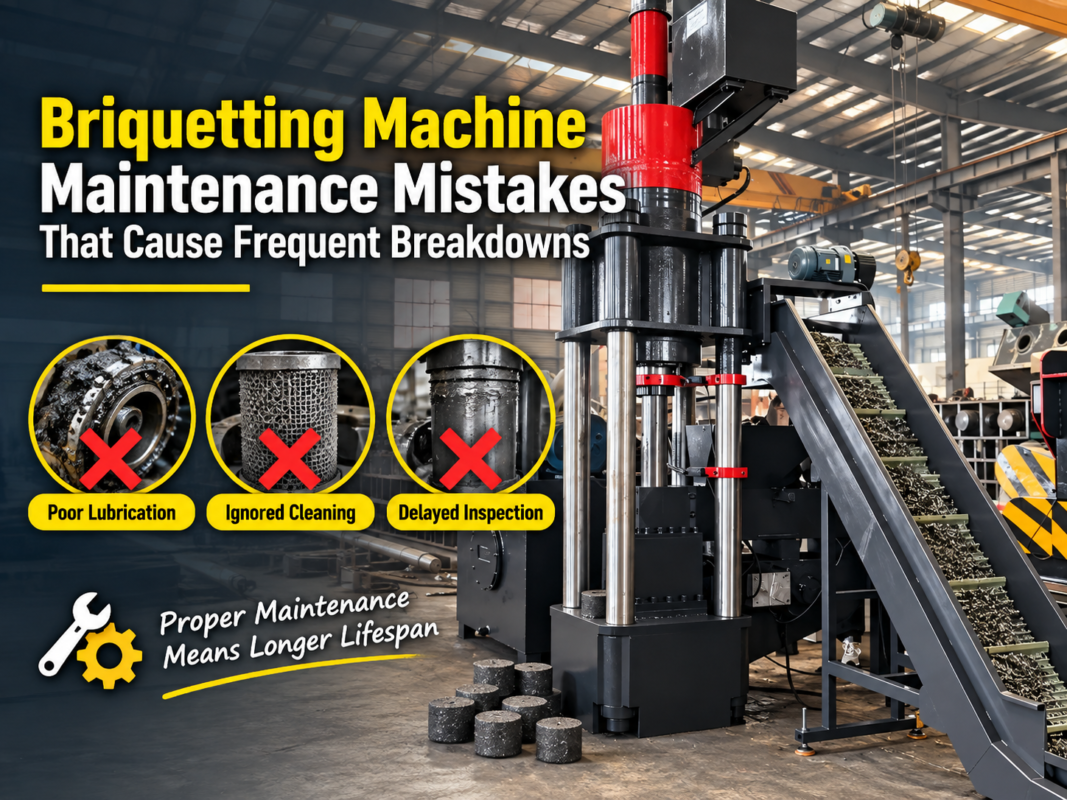
Improper maintenance of the hydraulic system is a major oversight. Many operators neglect the regular replacement of hydraulic oil and filters, leading to pressure drops and overheating. Because the briquetting process relies on sustained high pressure, even a minor degradation in hydraulic performance can lead to “crumbly” briquettes that fall apart during transport. Adhering to the HARSLE maintenance schedule is non-negotiable for consistent performance.
Finally, many facilities fail to size the machine correctly for their throughput. Installing a machine that is too small for the volume of chips generated leads to constant operation at maximum capacity, which accelerates wear and tear. Conversely, an oversized machine is an unnecessary capital expenditure. Conducting a thorough audit of daily chip production before selecting a model is the best way to avoid these common pitfalls.
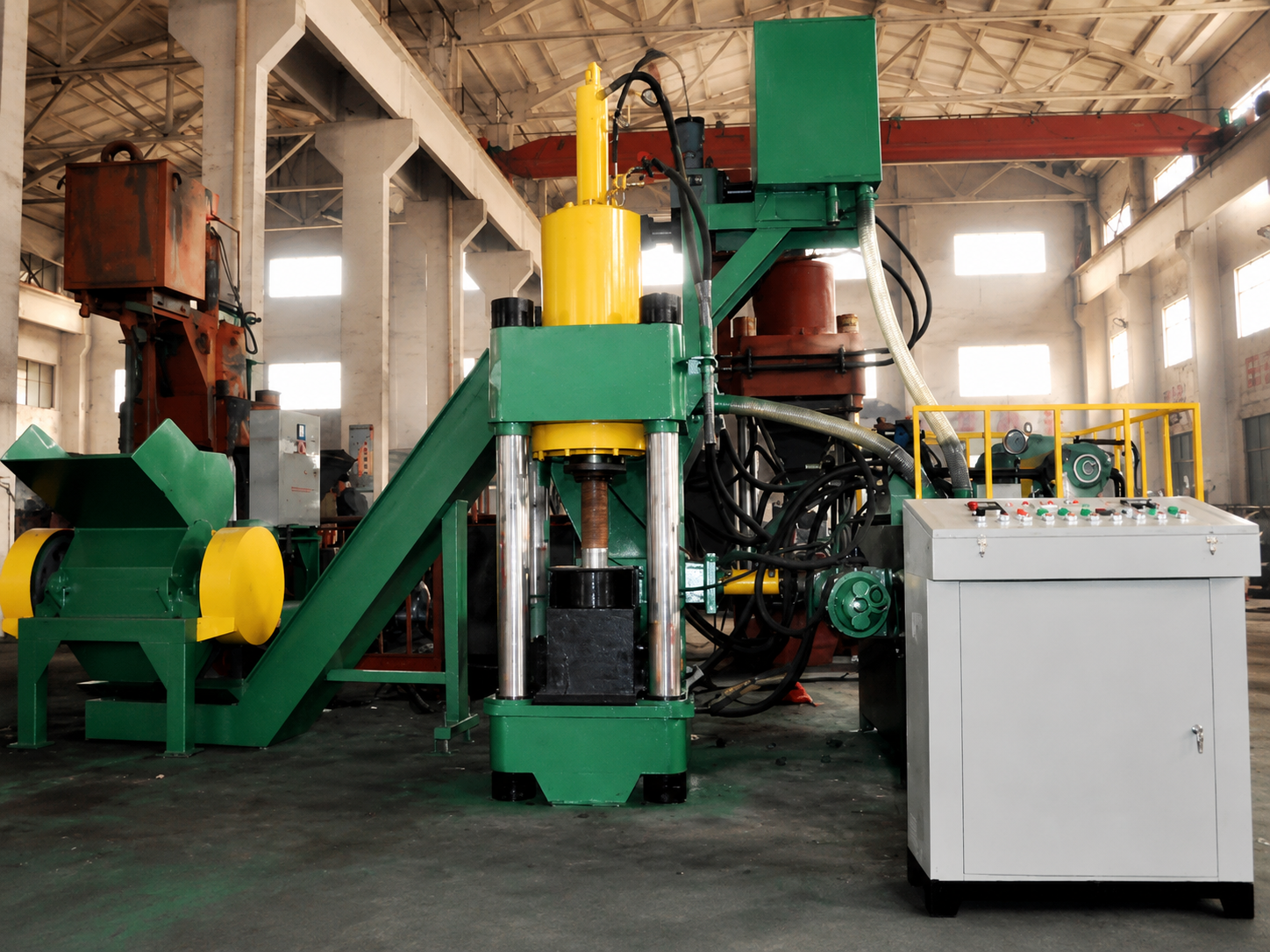
Selection Checklist: Choosing the Right Equipment
When selecting a machine for cold briquetting machine applications for aluminum, steel, and copper chips, use this checklist to ensure you make an informed decision:
- Material Analysis: Identify the primary metal type. Steel requires higher tonnage than aluminum.
- Throughput Requirements: Calculate your daily chip generation in kilograms to select the correct output capacity.
- Space Constraints: Measure the available floor space and ensure the machine footprint allows for easy material loading and briquette removal.
- Fluid Recovery Needs: Determine if you need an integrated oil collection tank and filtration system for coolant recycling.
- Automation Level: Decide if you need a manual feed, a conveyor belt system, or a fully integrated robotic feed.
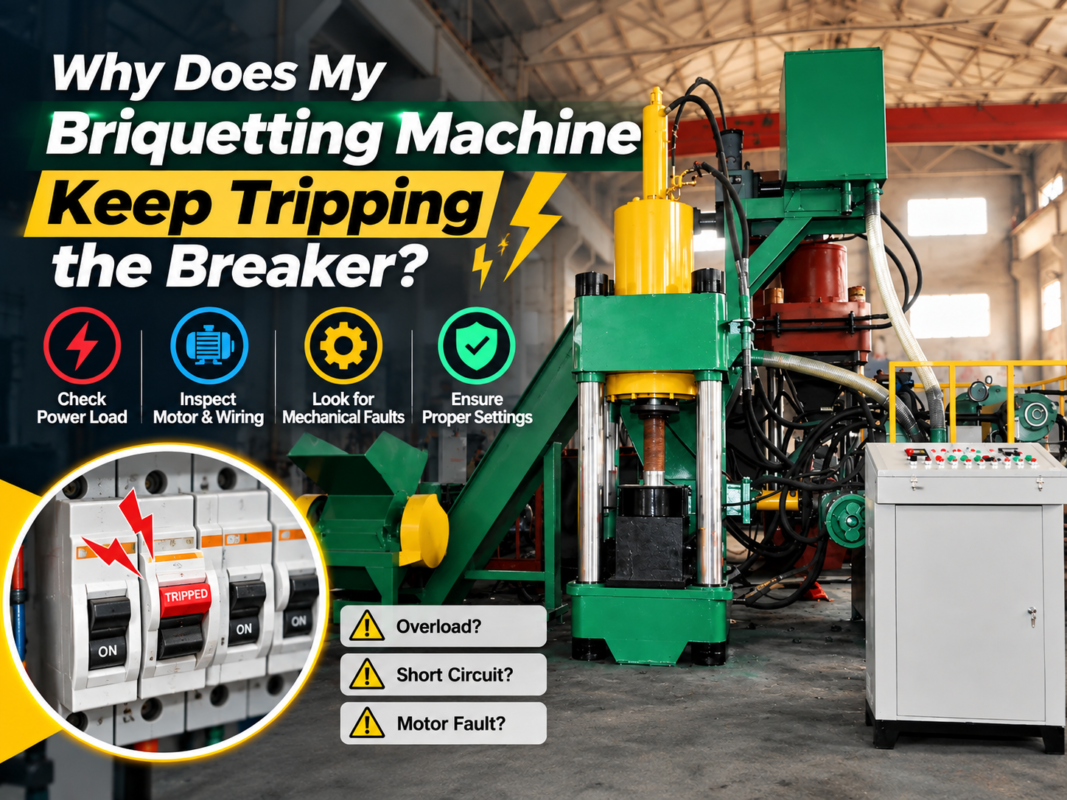
- Power Supply: Verify that your facility’s electrical infrastructure can support the motor power requirements of the selected model.
- Support and Service: Ensure the manufacturer provides local technical support and readily available spare parts.
FAQ: Frequently Asked Questions
Q: Can one machine handle both aluminum and steel chips?
A: Yes, but you must ensure the machine is rated for the higher pressure required by steel. Additionally, you must thoroughly clean the hopper and mold when switching between materials to prevent cross-contamination.
Q: How long do the molds last?
A: The lifespan of the mold depends on the hardness of the material being processed. With proper maintenance and regular lubrication, HARSLE molds are designed for thousands of hours of operation before requiring refurbishment.
Q: Does the machine require a special foundation?
A: Most HARSLE briquetting machines are designed to be floor-mounted on a level concrete surface. However, for high-tonnage models, a reinforced concrete pad may be recommended to dampen vibrations.
Q: Is the briquetting process noisy?
A: While hydraulic systems generate some noise, HARSLE machines are engineered with sound-dampening enclosures and high-quality pumps to keep noise levels within acceptable industrial standards.
Q: Can I process chips with high coolant content?
A: Yes, the machines are specifically designed to handle wet chips. The compression process effectively squeezes out the coolant, which is then collected in a dedicated sump for recycling.
Q: What is the typical density of a steel briquette?
A: A well-compressed steel briquette can reach a density of 5,000 to 6,000 kg/m³, which is roughly 70-80% of the density of solid steel, making it ideal for furnace charging.
Q: How do I handle the briquettes after they are produced?
A: The briquettes are solid and can be handled using standard magnetic cranes, conveyors, or manual labor. They do not require special storage conditions other than being kept dry to prevent surface oxidation.
Q: Does HARSLE provide training for operators?
A: Yes, HARSLE provides comprehensive operational and maintenance training to ensure your team can safely and efficiently manage the briquetting process.