How to Choose the Right Briquetting Machine for Metal Scrap Processing: A Comprehensive Industrial Guide

Technical Overview: The Mechanics of Metal Briquetting
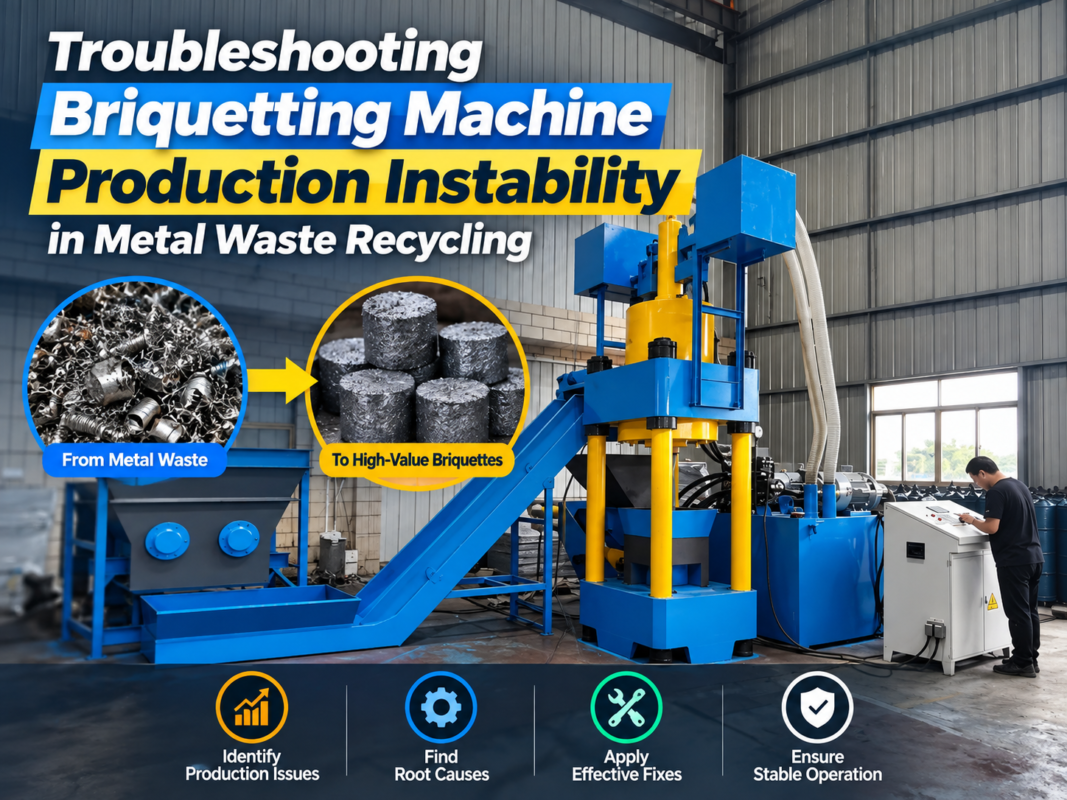
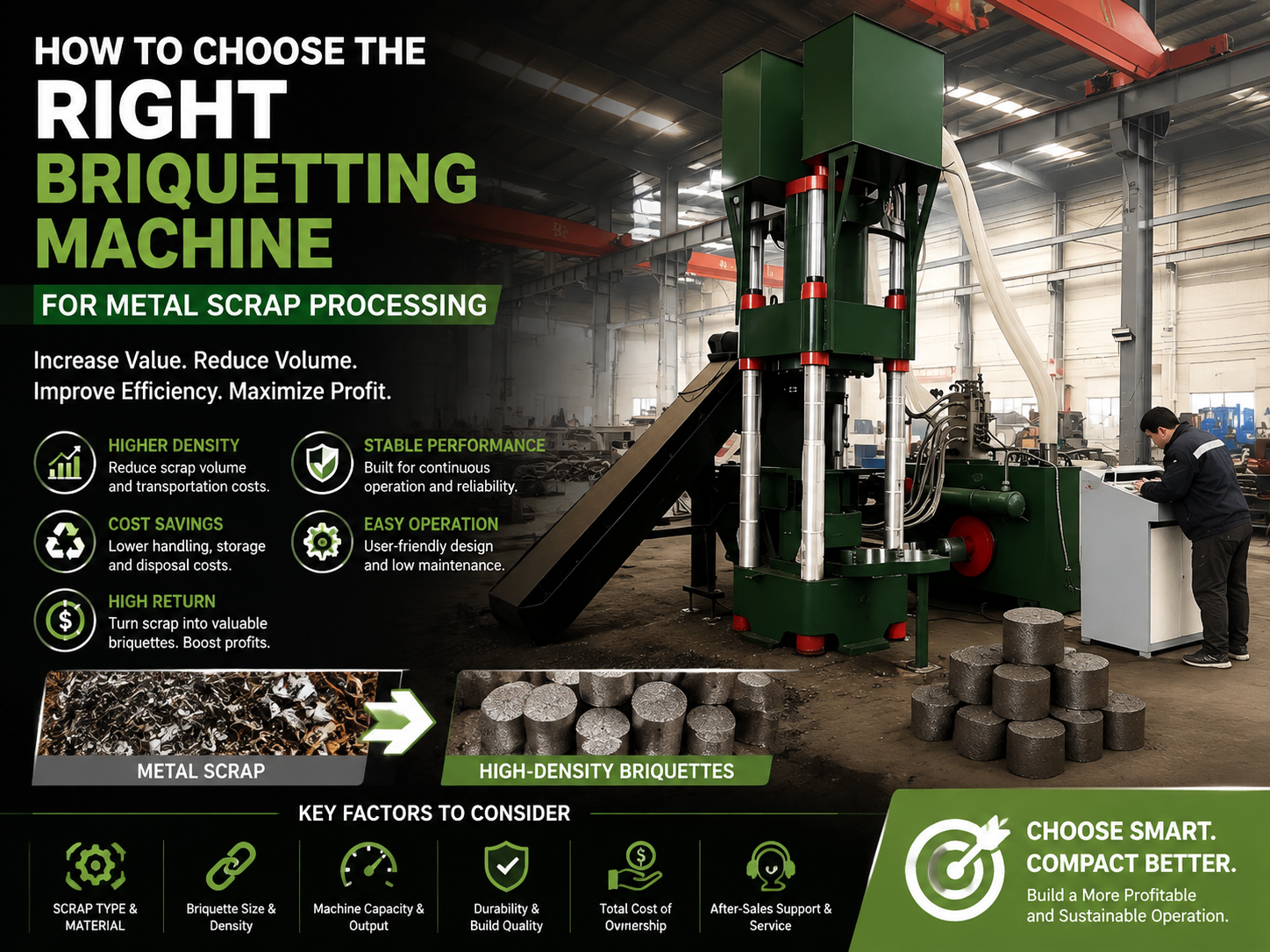
In the modern metal fabrication industry, waste management is no longer just about disposal; it is about value recovery. A briquetting machine serves as the critical link between loose, low-value metal swarf and high-value, furnace-ready raw material. By applying immense hydraulic pressure to metal chips, turnings, and shavings, these machines transform bulky waste into dense, manageable pucks or briquettes. This process not only reduces the volume of scrap by up to 90% but also recovers expensive cutting fluids that would otherwise be lost to the landfill.
The fundamental technology behind a HARSLE briquetting machine relies on cold-pressing. Unlike smelting, which requires massive energy input, cold-pressing uses high-pressure hydraulic cylinders to force metal particles together. The friction generated during this compression creates a mechanical bond, resulting in a solid briquette that can be easily transported, stored, and melted down with minimal oxidation loss. Understanding this technical foundation is the first step when you choose a briquetting machine for metal scrap processing.
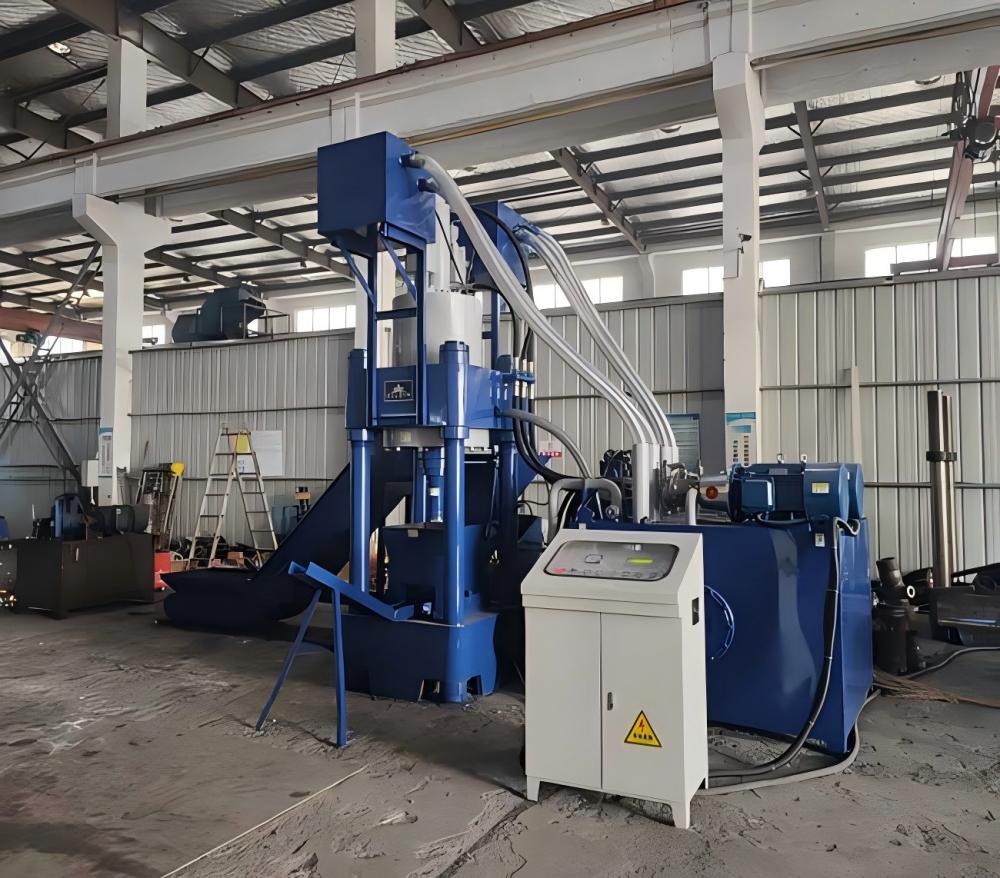
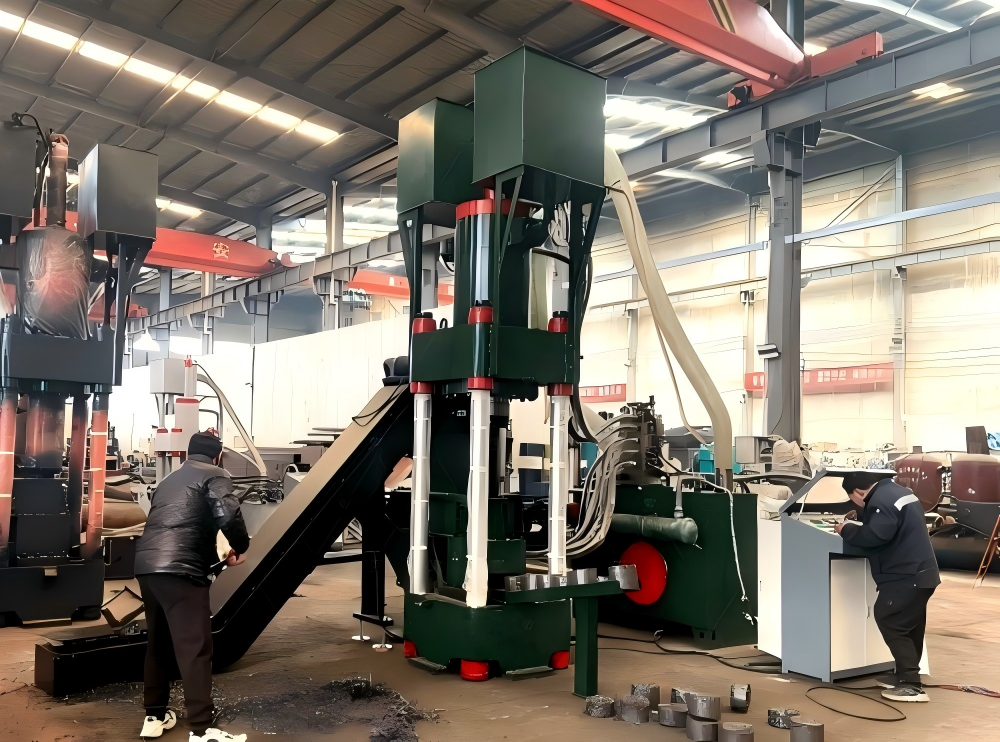
Modern briquetting systems are categorized by their structural design, typically featuring a vertical or horizontal configuration. Vertical presses are often preferred for smaller workshops due to their compact footprint, while horizontal systems are engineered for high-volume, continuous production lines. Both types utilize advanced PLC control systems to monitor pressure, cycle times, and material flow, ensuring that every briquette meets the strict density requirements of modern foundries.
Furthermore, the integration of automated feeding systems and chip conveyors has revolutionized the efficiency of these machines. By automating the scrap handling process, manufacturers can significantly reduce labor costs and improve workplace safety. When evaluating the technical specifications, it is essential to consider the machine’s ability to handle different types of metal, including aluminum, steel, copper, and brass, as each material possesses unique physical properties that dictate the required compression force.
Core Parameters: What Defines Performance?
When you set out to choose a briquetting machine for metal scrap processing, you must look beyond the price tag and focus on core technical parameters. The most critical factor is the specific pressure exerted by the main cylinder. Different metals require different pressure thresholds to achieve the necessary density. For instance, aluminum chips are relatively soft and require less pressure compared to hardened steel or titanium shavings, which demand significantly higher force to achieve a cohesive bond.
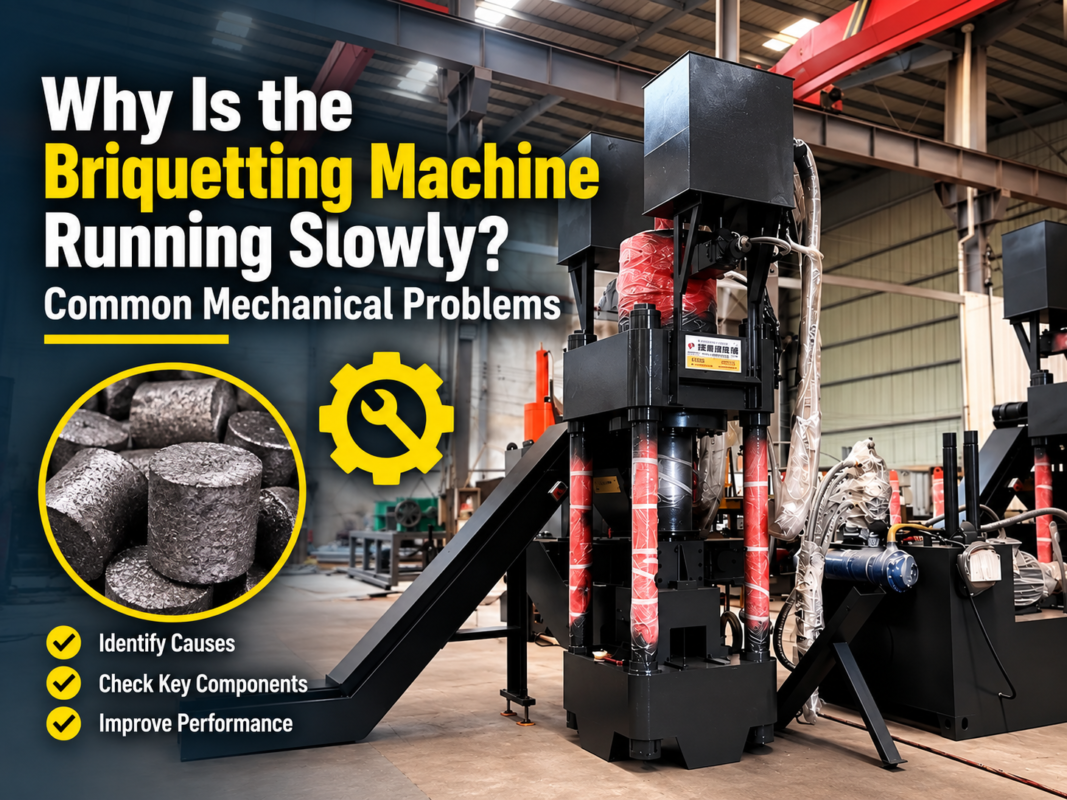
Another vital parameter is the cycle time. In a high-production environment, the number of briquettes produced per hour directly impacts your return on investment. You should evaluate the machine’s throughput capacity, measured in kilograms or tons per hour. It is important to note that throughput is not just a function of speed; it is also dependent on the bulk density of the raw scrap. A machine that performs well with fine turnings may struggle with bulky, tangled scrap if the pre-compression chamber is not adequately sized.
The briquette size and density are equally important. Foundries often have specific requirements for the dimensions of the scrap they accept. If your briquettes are too large or too light, they may not be suitable for the melting furnace. Therefore, the machine’s ability to produce consistent, high-density briquettes is a hallmark of quality. Look for machines that offer adjustable pressure settings, allowing you to fine-tune the output based on the specific metal alloy being processed.
Finally, consider the power consumption and hydraulic efficiency. A well-designed briquetting machine should optimize energy usage during the compression stroke. Advanced hydraulic systems with variable displacement pumps can significantly reduce electricity costs over the machine’s lifespan. By balancing these core parameters—pressure, throughput, density, and energy efficiency—you can ensure that your investment aligns with your operational goals.
Calculation Method: Determining Your Needs
To accurately choose a briquetting machine for metal scrap processing, you must perform a thorough calculation of your scrap generation rates. Start by measuring the volume of scrap produced by your CNC machines or lathes over a typical work week. Convert this volume into weight, as briquetting capacity is almost always rated by mass. If you produce 500kg of aluminum chips per day, your machine must be capable of processing at least that amount within your available shift hours, accounting for maintenance and downtime.
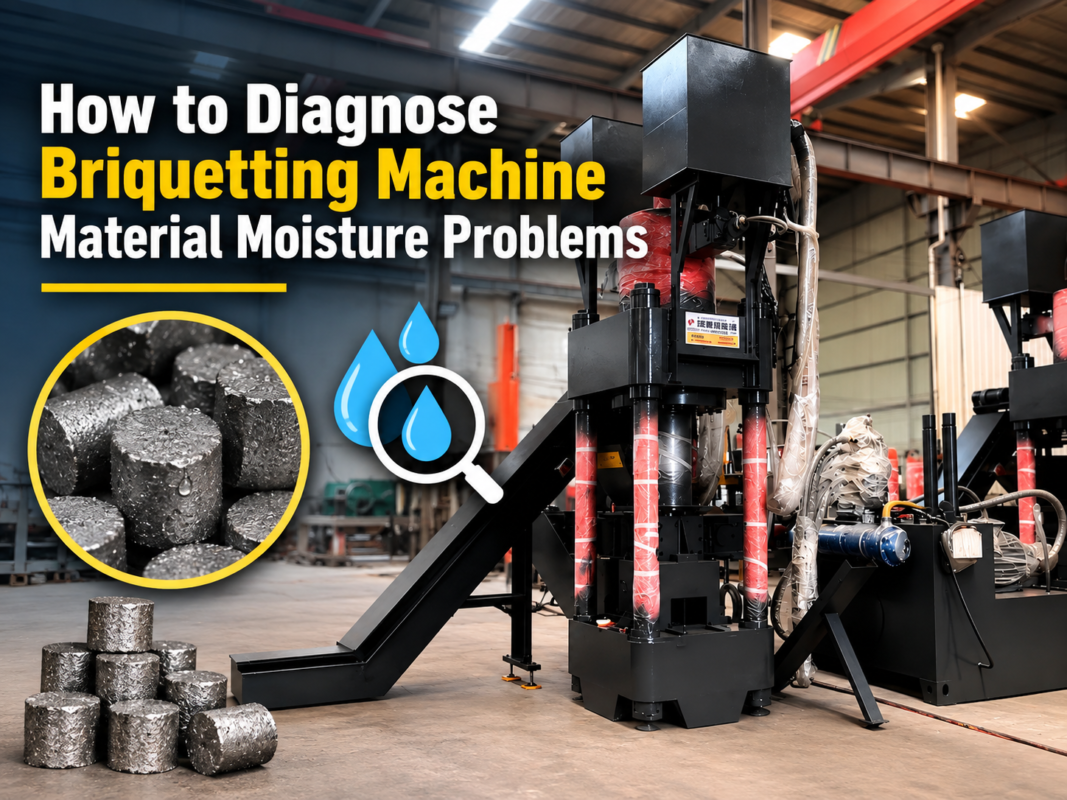
Next, calculate the potential savings from fluid recovery. Metal chips are often saturated with coolant. A high-quality briquetting machine can recover up to 95% of this fluid. Calculate the cost of your coolant per liter and multiply it by the volume recovered per ton of scrap. This figure is often the most compelling argument for the ROI of a briquetting system. Many HARSLE clients find that the savings from coolant recovery alone can pay for the machine within 12 to 18 months.
Consider the logistics of storage and transport. Loose scrap takes up significant floor space and is expensive to ship due to its low bulk density. By calculating the volume reduction ratio, you can estimate the savings in logistics costs. A typical briquetting machine can reduce the volume of scrap by a factor of 5 to 10. This means you will require fewer bins, less warehouse space, and fewer truck trips to the scrap yard, all of which contribute to your bottom line.
Finally, factor in the scrap market value. Foundries pay a premium for briquetted scrap because it is easier to handle and has a higher melting yield compared to loose chips. Contact your local scrap metal recyclers to determine the price difference between loose turnings and briquetted material. By adding the value of recovered coolant, reduced logistics costs, and the premium price for briquettes, you can create a comprehensive financial model to justify your equipment purchase.
Parameter Table: Quick Reference Guide
| Parameter | Light Duty (Workshop) | Medium Duty (Batch) | Heavy Duty (Industrial) |
|---|---|---|---|
| Compression Force | 100 – 200 Tons | 200 – 400 Tons | 400 – 800+ Tons |
| Throughput (kg/h) | 50 – 150 | 150 – 500 | 500 – 2000+ |
| Briquette Diameter | 50 – 70mm | 70 – 100mm | 100 – 150mm |
| Motor Power | 7.5 – 15 kW | 15 – 30 kW | 30 – 75+ kW |
| Coolant Recovery | Standard | High Efficiency | Integrated System |
Common Engineering Mistakes in Selection
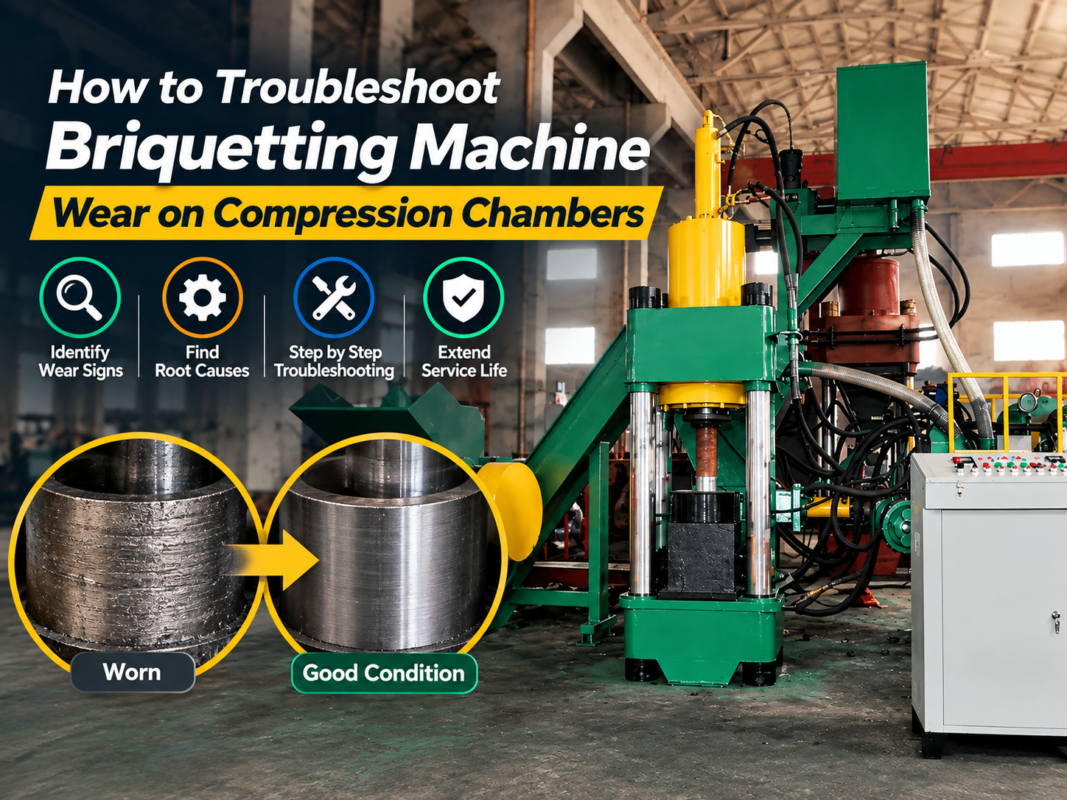
One of the most frequent mistakes when choosing a briquetting machine for metal scrap processing is underestimating the importance of material homogeneity. Many buyers assume that a machine designed for aluminum will work equally well for steel. However, the physical characteristics of these metals differ vastly. Attempting to process high-tensile steel in a machine designed for soft aluminum can lead to premature wear of the compression chamber, cylinder failure, and poor-quality briquettes that crumble upon handling.
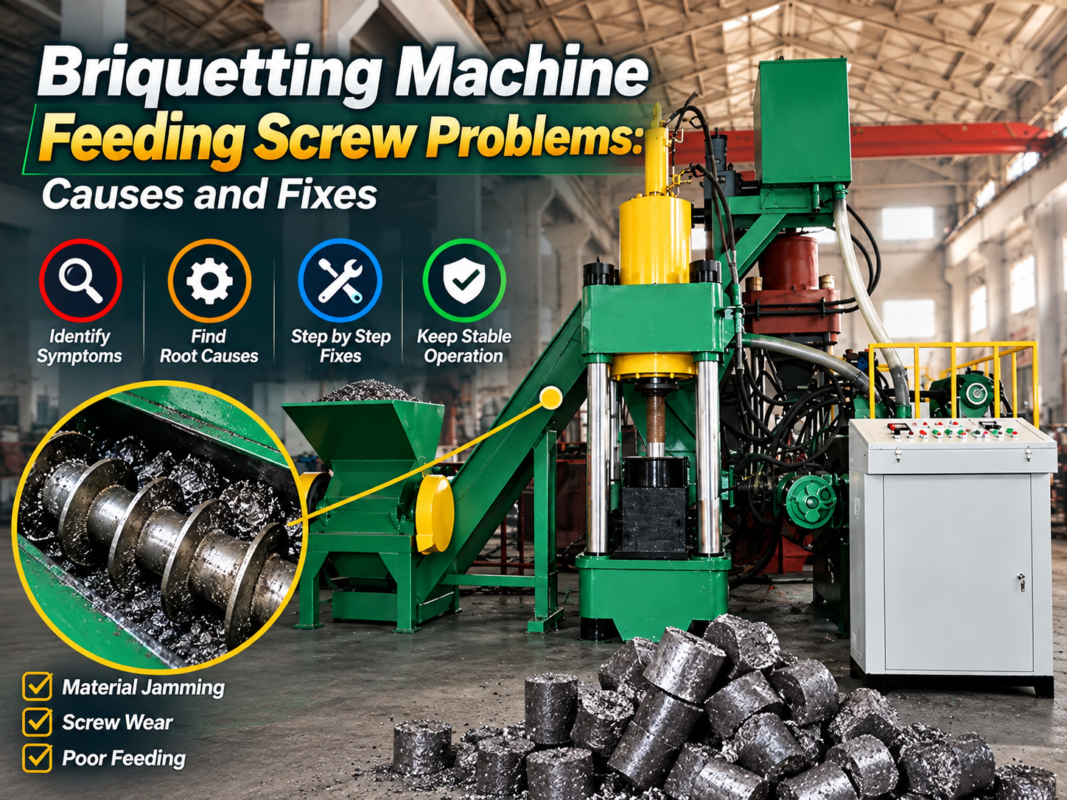
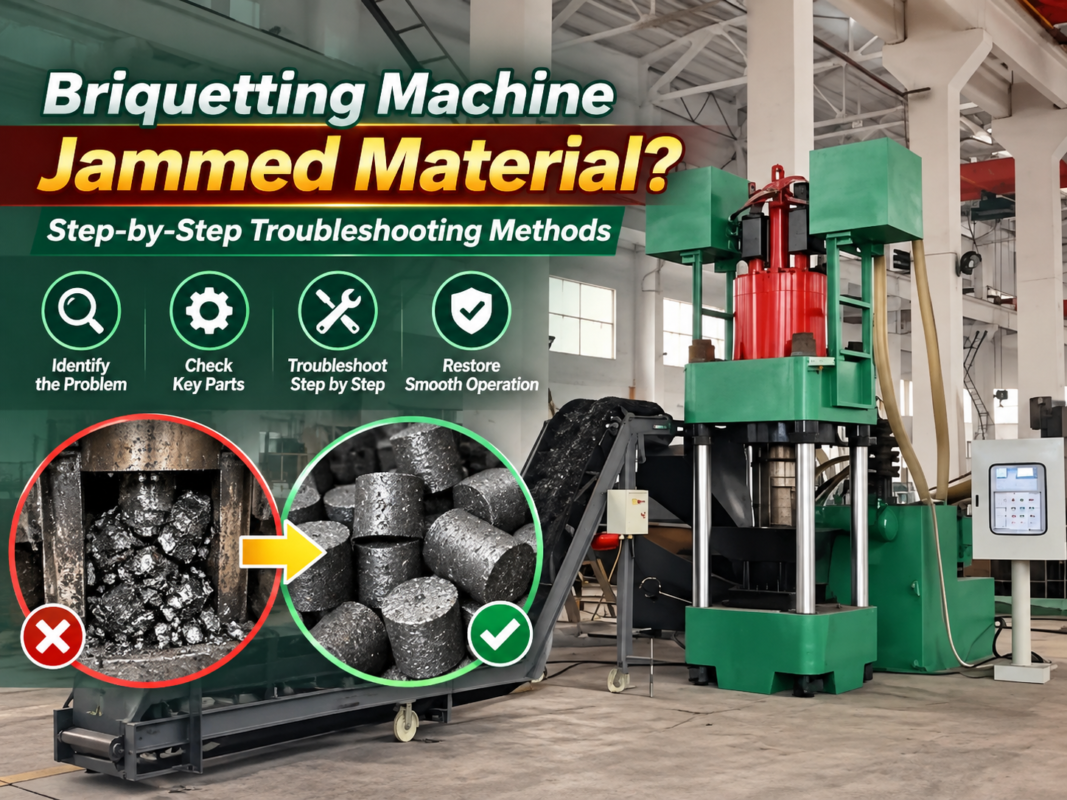
Another common error is ignoring the pre-processing requirements. If your scrap consists of long, tangled turnings, it will not feed into the briquetting chamber efficiently. Without a shredder or a chip breaker, the machine will suffer from frequent jams, leading to downtime and frustration. Always assess whether your scrap needs to be shredded before it reaches the briquetting machine. A holistic approach to the scrap processing line is essential for long-term success.
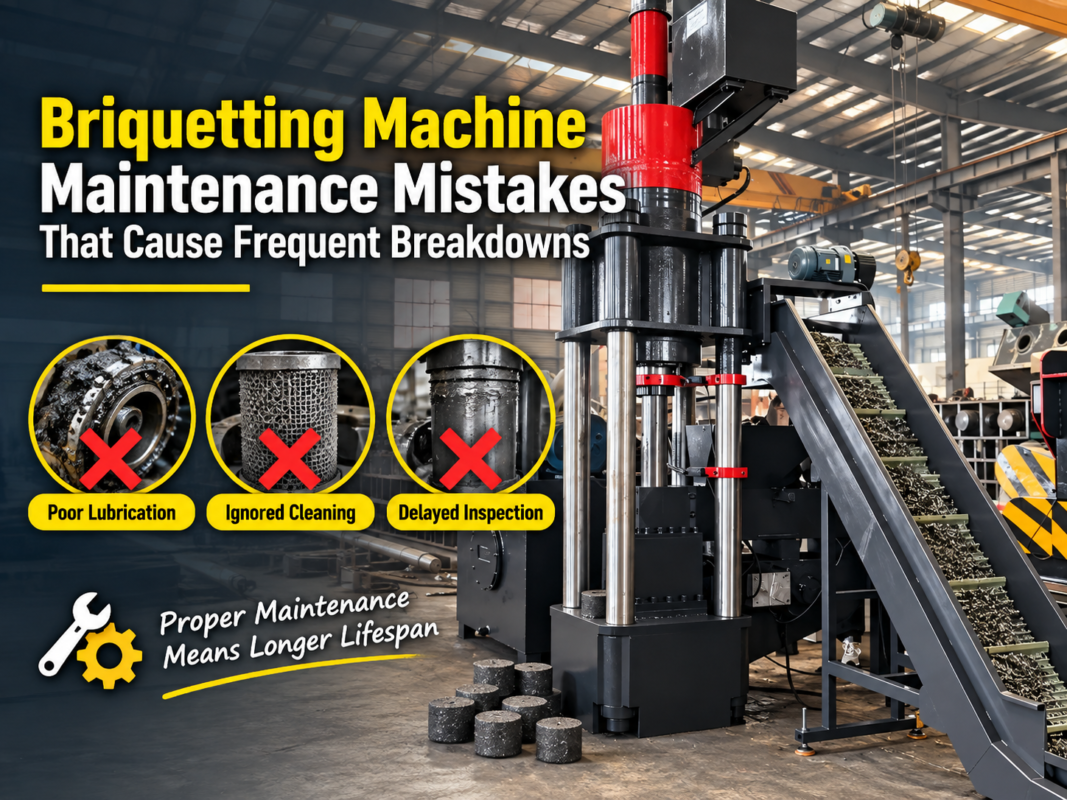
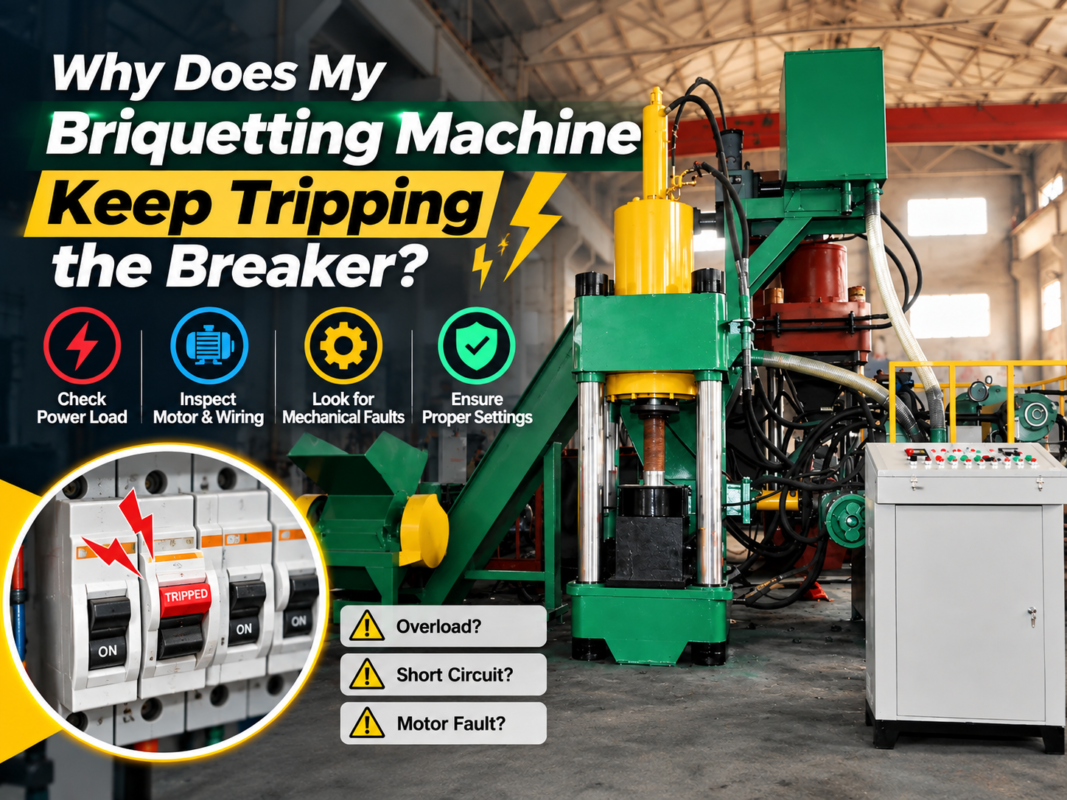
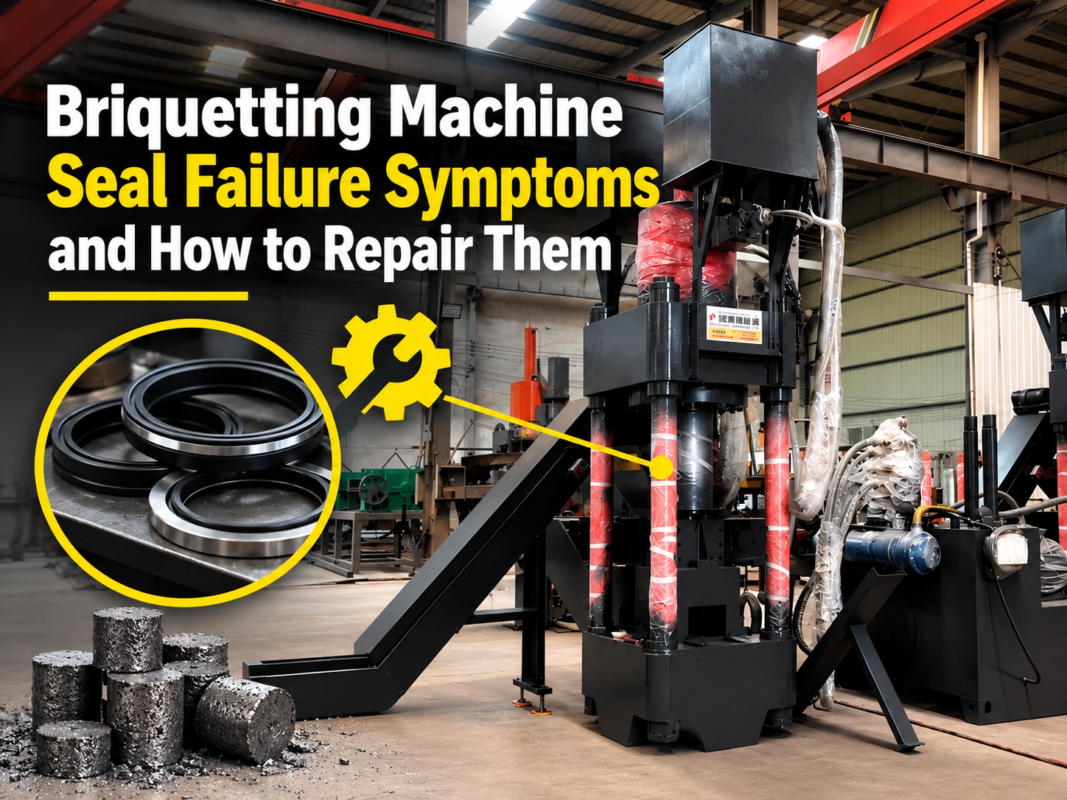
Many companies also fail to account for the maintenance requirements of the hydraulic system. Briquetting is a high-stress application. If the hydraulic oil is not kept clean and at the correct temperature, the seals and valves will fail prematurely. Neglecting the cooling system or failing to replace filters on schedule is a recipe for disaster. When selecting a machine, ensure that the maintenance points are easily accessible and that the manufacturer provides a clear maintenance schedule.
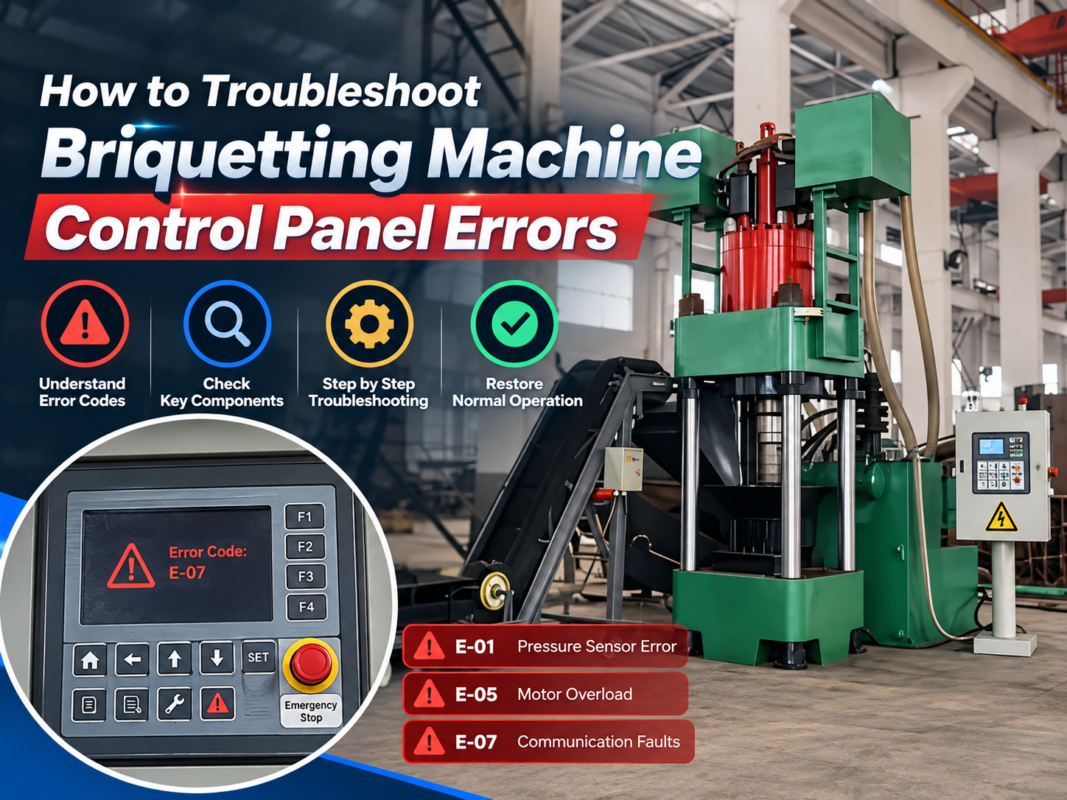
Lastly, do not overlook the importance of the control system. A machine with an outdated or overly complex interface can be a bottleneck in your production. Look for intuitive PLC interfaces that provide real-time data on pressure, oil temperature, and cycle counts. This data is invaluable for predictive maintenance and for optimizing the machine’s performance over time. Choosing a machine based solely on the lowest initial cost often leads to higher total cost of ownership due to these operational oversights.
Selection Checklist: Your Buying Roadmap
- Material Analysis: Identify the types of metal you process (aluminum, steel, brass, etc.) and their typical chip size.
- Volume Assessment: Calculate your daily and weekly scrap output in kilograms to determine the required throughput.
- Space Constraints: Measure your available floor space and consider the layout of your existing production line.
- Fluid Recovery Needs: Determine the volume of coolant currently lost to waste and the potential for recovery.
- Power Availability: Ensure your facility has the necessary electrical capacity to support the machine’s motor requirements.
- Automation Level: Decide if you need a manual feed system or a fully automated conveyor-fed solution.
- Support and Warranty: Verify the availability of spare parts and the quality of technical support from the manufacturer.
- Future Scalability: Consider if your production volume is likely to grow and whether the machine can handle increased demand.
FAQ: Frequently Asked Questions
How do I know if my scrap is suitable for briquetting?
Most metal chips, turnings, and shavings are suitable for briquetting. However, the scrap must be free of non-metallic contaminants like plastic, rubber, or wood, which can damage the machine and compromise the quality of the briquettes.
Can one machine handle different types of metal?
Yes, most HARSLE briquetting machines are versatile. However, you may need to adjust the pressure settings and cycle times when switching between materials with different hardness levels to ensure optimal briquette density.
How often does the machine require maintenance?
Routine maintenance, such as checking hydraulic fluid levels, cleaning filters, and inspecting the compression chamber, should be performed weekly. A full service by a qualified technician is recommended every 6 to 12 months, depending on usage intensity.
What is the typical lifespan of a briquetting machine?
With proper maintenance and regular replacement of wear parts, a high-quality industrial briquetting machine can last for 10 to 15 years or more in a standard manufacturing environment.
Is it worth investing in a shredder alongside the briquetting machine?
If you produce long, stringy turnings, a shredder is highly recommended. It ensures a consistent feed into the briquetting machine, prevents jams, and results in higher-density briquettes, significantly improving the overall efficiency of your scrap processing line.