Briquetting Machine Technical Guide: How Metal Chip Compaction Improves Recycling Efficiency

Technical Overview: The Science of Metal Chip Compaction
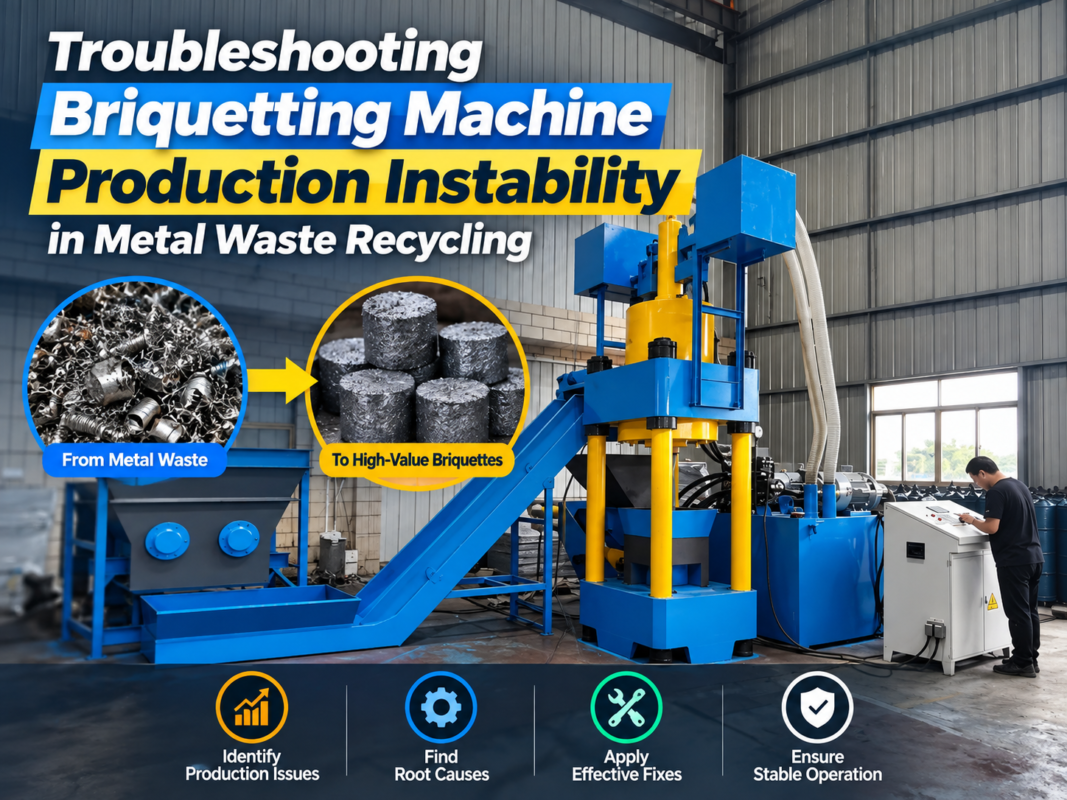
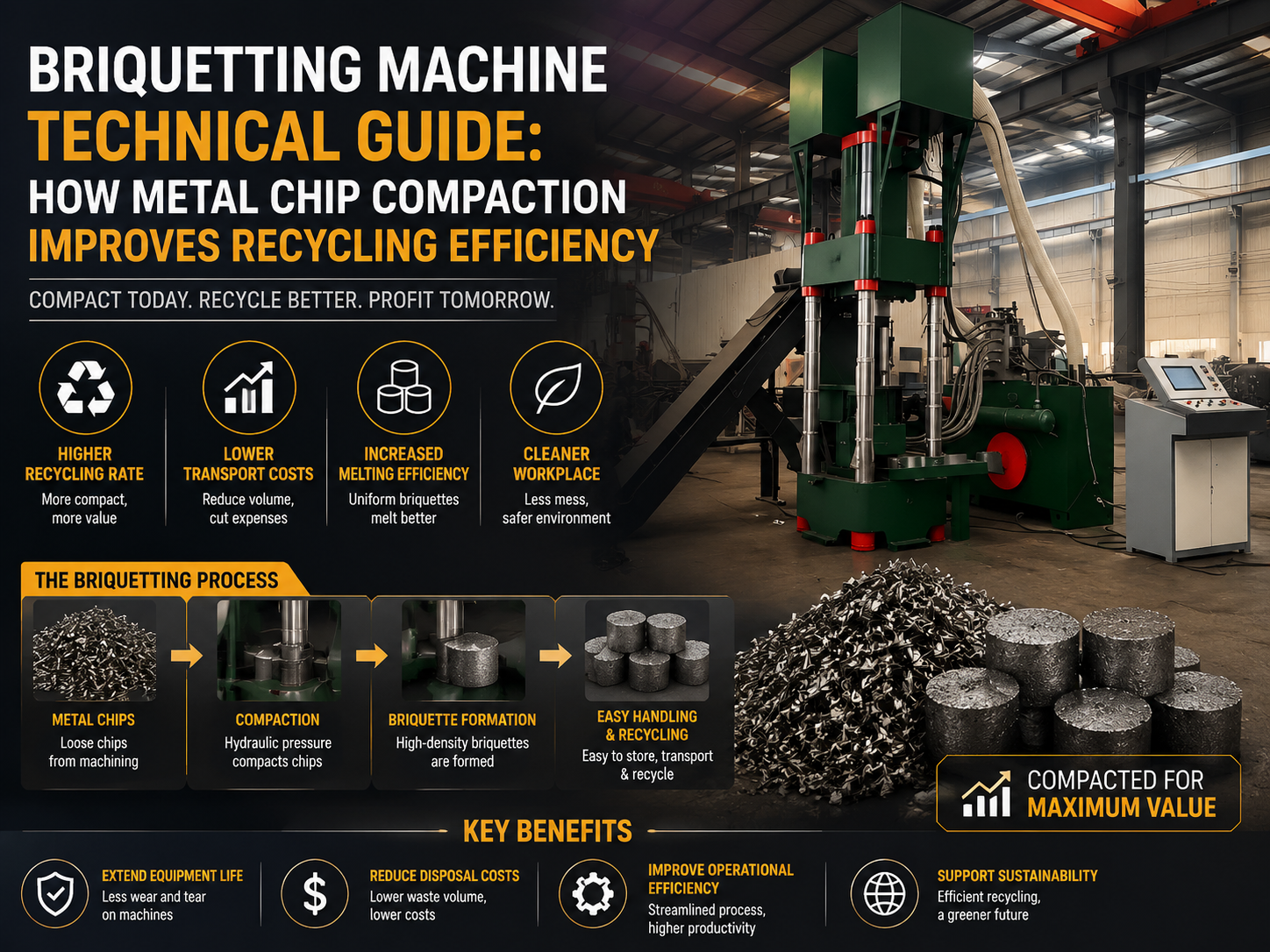
In the modern metal fabrication industry, the management of swarf, turnings, and metal chips is often an overlooked aspect of operational efficiency. A Briquetting Machine Technical Guide: How Metal Chip Compaction Improves Recycling Efficiency is essential for facility managers looking to transform waste into a revenue stream. At its core, a briquetting machine utilizes high-pressure hydraulic force to compress loose, bulky metal chips into dense, uniform pucks or briquettes. This process eliminates the need for chemical binders, relying instead on the physical deformation of the metal under extreme pressure to create a cohesive solid.
The technical mechanism involves a feeding system—typically an auger or a hopper—that delivers loose chips into a compression chamber. Once the chamber is filled, a hydraulic ram exerts massive force, often exceeding 200 tons depending on the material density. This pressure forces the air out of the interstitial spaces between the chips and breaks down the surface tension of the metal, causing the particles to interlock. The result is a high-density briquette that is significantly easier to handle, transport, and melt down in a foundry.
Beyond simple volume reduction, the briquetting process is a critical step in coolant recovery. During the compression phase, the machine forces out residual cutting fluids and oils trapped within the chips. These fluids are collected, filtered, and recycled back into the production line, significantly reducing the consumption of expensive lubricants. This dual-action approach—volume reduction and fluid recovery—is what makes briquetting a cornerstone of lean manufacturing in metal fabrication.
HARSLE’s engineering philosophy focuses on the integration of these machines into existing production lines. By automating the chip handling process, facilities can reduce manual labor, minimize the risk of fire associated with oil-soaked chips, and comply with increasingly stringent environmental regulations regarding hazardous waste disposal. Understanding the technical nuances of this equipment is the first step toward achieving a circular economy within your manufacturing facility.
Core Parameters: Defining Performance and Capacity
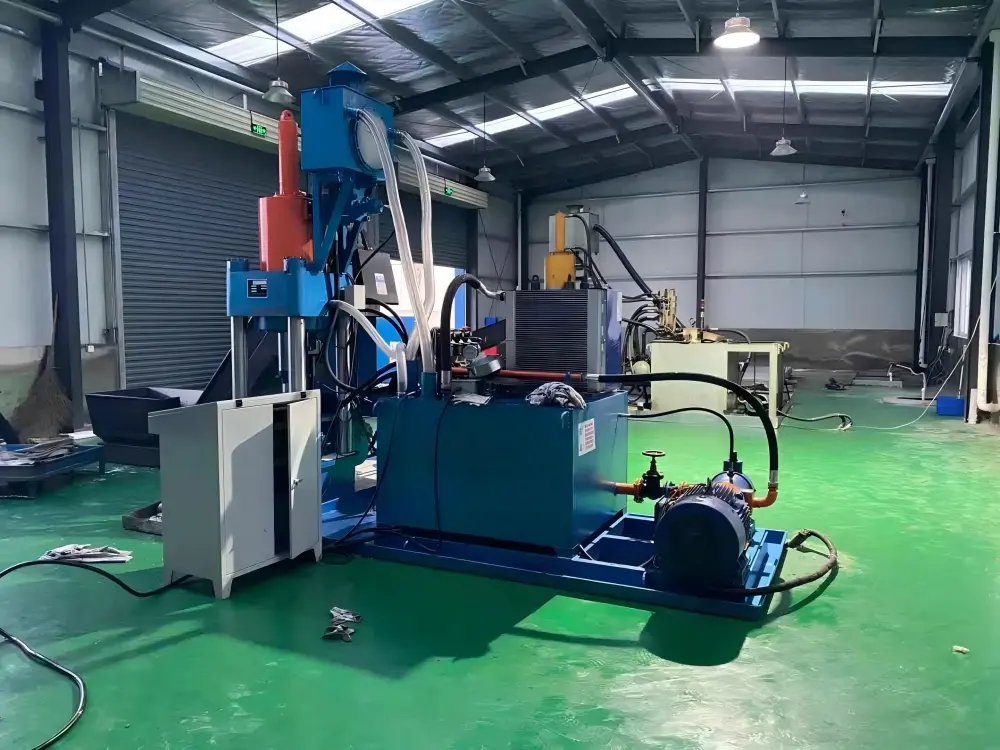
When evaluating a briquetting machine, several core parameters dictate its performance and suitability for your specific metal waste stream. The most critical parameter is the specific pressure exerted by the hydraulic ram. This is measured in megapascals (MPa) or tons of force. Different metals require different pressures; for instance, aluminum chips are relatively soft and require less pressure than hardened steel or titanium turnings. If the pressure is insufficient, the resulting briquettes will be fragile and prone to crumbling during transport.
Another vital parameter is the throughput capacity, usually measured in kilograms per hour (kg/h). This must be matched to the volume of chips generated by your CNC machines or lathes. An undersized machine will create a bottleneck in your production flow, while an oversized machine represents an unnecessary capital expenditure. HARSLE engineers recommend calculating your peak chip generation rate during high-volume shifts to ensure the briquetting system can handle the load without constant downtime.
The briquette density is the third pillar of performance. A high-density briquette minimizes the surface area exposed to oxidation, which is particularly important for reactive metals like magnesium or aluminum. High density also ensures that the briquettes sink into the melt during the smelting process, rather than floating on the surface and burning off, which significantly increases the recovery rate of the metal. A well-engineered machine will consistently produce briquettes with a density exceeding 80% of the solid metal’s density.
Finally, the cycle time and automation level are key technical considerations. Modern systems feature PLC-controlled operation, allowing for seamless integration with conveyor systems. The ability to monitor oil temperature, pressure levels, and cycle counts in real-time allows for predictive maintenance, ensuring that the machine remains operational during critical production windows. These parameters collectively define the ROI of your investment in metal chip compaction technology.
Calculation Method: Determining Your ROI
Calculating the return on investment (ROI) for a briquetting machine requires a systematic approach to analyzing your current waste management costs. The first step is to calculate the volume reduction ratio. Loose metal chips typically have a bulk density that is 10-20% of the solid metal. By compacting them into briquettes, you can achieve a volume reduction of up to 90%. This directly translates into lower logistics costs, as you can fit significantly more weight into a single shipping container or truckload.
Next, calculate the value of recovered coolant. If your facility generates 1,000 kg of chips per week, and those chips are 5% oil by weight, you are losing 50 liters of coolant weekly. At current industrial lubricant prices, this represents a substantial annual loss. By using a briquetting machine to extract this fluid, you can recover up to 95% of the coolant, which can be filtered and reused. This calculation should be factored into your annual operational savings.
The third component of the calculation is the premium paid for briquetted scrap by metal recyclers. Foundries prefer briquettes over loose chips because they are easier to charge into furnaces and have a higher melting efficiency. Many scrap dealers offer a higher price per ton for briquettes compared to loose swarf because they do not need to process the material further. By comparing the market price of loose scrap versus briquetted scrap, you can determine the additional revenue generated by the machine.
Finally, account for the reduction in labor and environmental compliance costs. Manual handling of loose chips is labor-intensive and poses safety risks. Furthermore, the environmental impact of disposing of oil-soaked chips is high. By reducing the volume of waste and cleaning the chips, you lower your hazardous waste disposal fees and improve your facility’s environmental rating. When these four factors—logistics, coolant recovery, scrap value, and disposal costs—are combined, the payback period for a HARSLE briquetting machine is often less than 18 months.
Parameter Table: Technical Specifications
| Parameter | Typical Range | Importance |
|---|---|---|
| Hydraulic Pressure | 200 – 400 Bar | Determines briquette integrity |
| Throughput Capacity | 100 – 1500 kg/h | Matches production volume |
| Briquette Diameter | 50 – 150 mm | Standardizes furnace charging |
| Coolant Recovery Rate | 85% – 98% | Directly impacts operating costs |
| Motor Power | 7.5 – 45 kW | Energy consumption vs. force |
| Automation Level | PLC/HMI Control | Reduces labor requirements |
Common Engineering Mistakes in Briquetting
One of the most frequent mistakes in the implementation of briquetting technology is failing to account for chip morphology. Not all chips are created equal; long, stringy turnings from a lathe behave very differently than short, broken chips from a milling machine. If the briquetting machine is not equipped with an integrated shredder or crusher, long turnings can bridge in the hopper, causing the machine to stall. HARSLE recommends a pre-crushing stage for facilities that generate long, stringy scrap to ensure a consistent feed into the compression chamber.
Another common error is ignoring the moisture content and chemical composition of the chips. If chips are contaminated with non-metallic debris, such as plastic, rubber, or excessive sludge, the quality of the briquettes will suffer. These contaminants can also damage the hydraulic seals and valves of the machine. It is crucial to implement a pre-sorting process to ensure that only clean metal chips enter the briquetting system. This simple step significantly extends the lifespan of the machine and improves the quality of the final product.
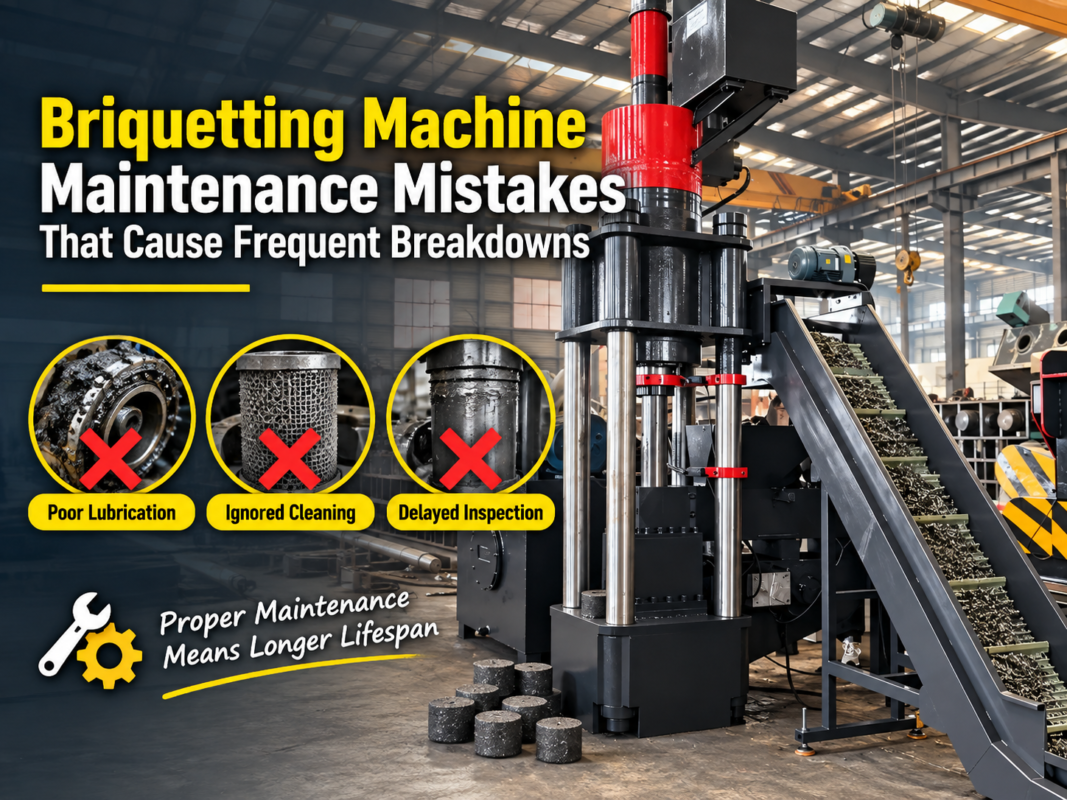
Inadequate maintenance of the hydraulic system is a silent killer of briquetting efficiency. Many operators fail to monitor the hydraulic oil temperature and filtration status. As the machine operates, the oil heats up, which can lead to viscosity changes and reduced pressure output. Furthermore, metal fines can contaminate the hydraulic fluid if seals are not maintained. A proactive maintenance schedule, including regular oil analysis and filter changes, is essential to prevent catastrophic failures and ensure consistent performance.
Finally, many facilities underestimate the importance of proper installation and foundation. A briquetting machine exerts significant vibration and force during the compression cycle. If the machine is not anchored to a stable, level concrete foundation, the structural integrity of the frame can be compromised over time. Proper leveling and vibration damping are critical to ensuring the longevity of the machine and the accuracy of the internal sensors. Always consult the HARSLE installation manual to ensure your facility meets the structural requirements for the specific model chosen.
Selection Checklist: Choosing the Right Machine
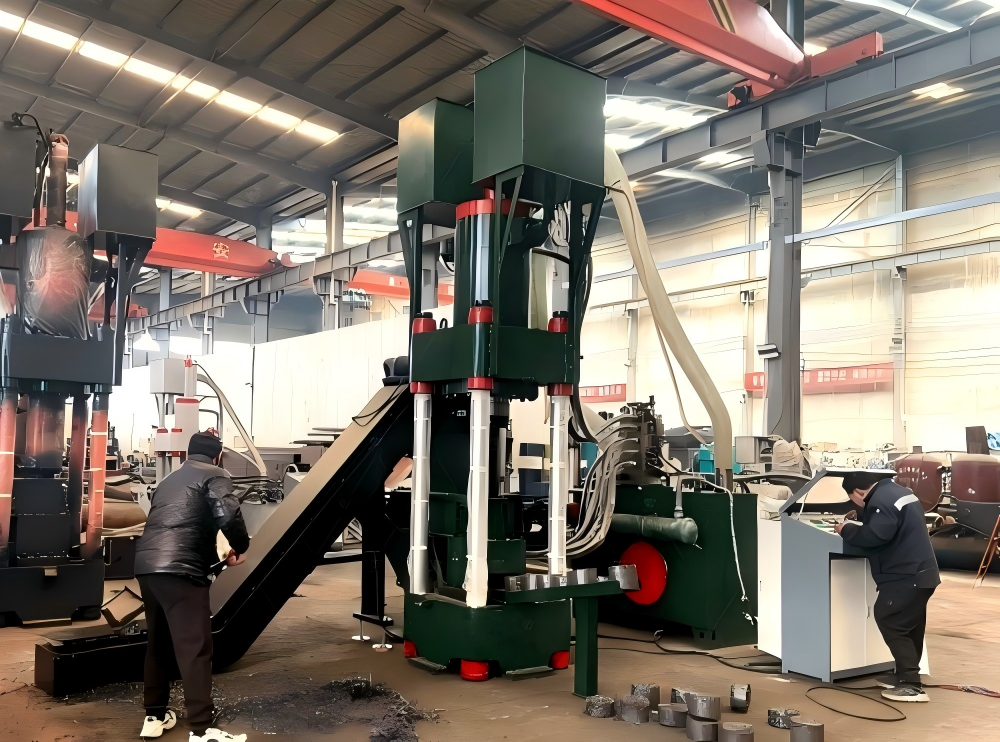
When selecting a briquetting machine, start by auditing your waste stream. Identify the types of metals you process (aluminum, steel, copper, brass, or cast iron) and the volume generated per day. Different metals have different compression ratios and require different hydraulic pressures. A machine that is perfect for aluminum may be underpowered for hardened steel. Ensure the manufacturer provides data on the specific compression capabilities for your primary metal types.
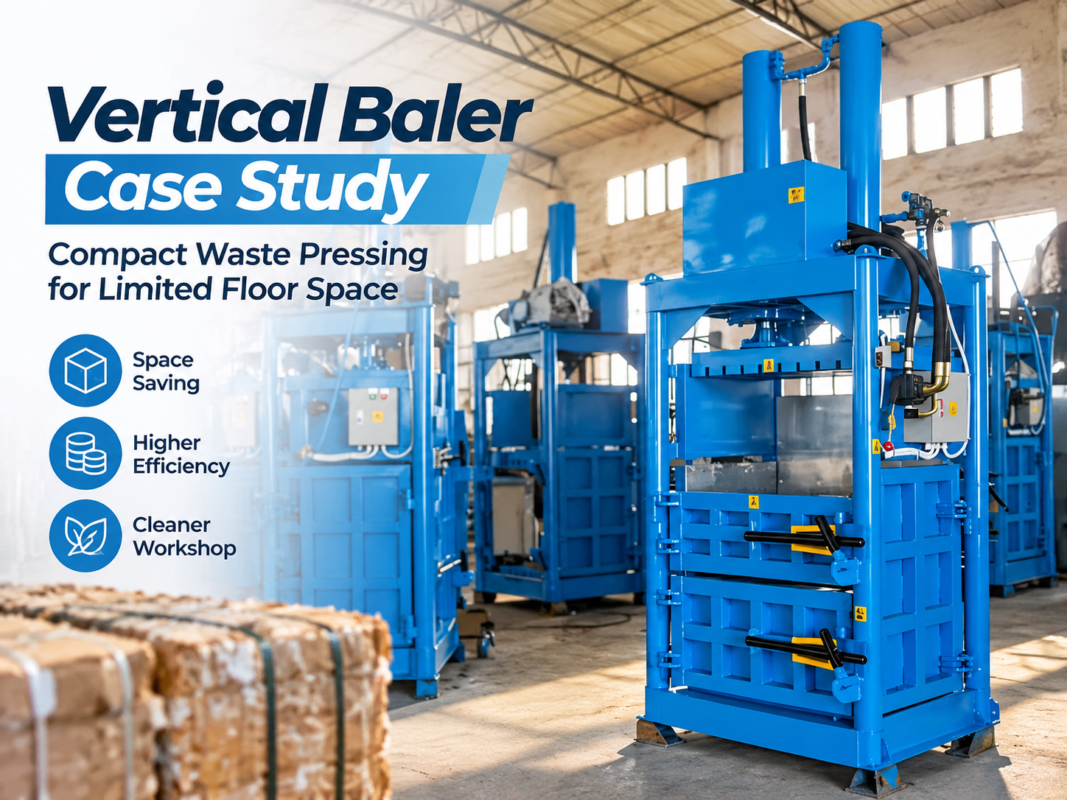
Evaluate the space constraints of your facility. Briquetting machines come in various configurations, including vertical and horizontal designs. Vertical machines are generally more compact and suitable for smaller workshops, while horizontal machines are designed for high-volume, continuous production lines. Consider the footprint of the machine, as well as the space required for chip storage, conveyor systems, and maintenance access. A well-planned layout will optimize the flow of materials and minimize manual handling.
Assess the level of automation required for your operations. If your facility runs multiple shifts, an automated system with remote monitoring capabilities is highly recommended. Look for features like automatic start/stop based on hopper levels, integrated coolant filtration systems, and HMI interfaces that provide real-time performance data. These features not only increase efficiency but also reduce the reliance on skilled labor to operate the machine.
Finally, consider the manufacturer’s support and service network. A briquetting machine is a long-term investment, and you need a partner who can provide timely technical support, spare parts, and maintenance training. HARSLE offers comprehensive after-sales support, ensuring that your equipment remains operational and efficient throughout its lifecycle. Review the warranty terms, the availability of local service technicians, and the manufacturer’s reputation for reliability in the metal fabrication industry before making your final decision.
FAQ: Frequently Asked Questions
What metals can be processed by a briquetting machine?
Most metallic chips can be processed, including aluminum, steel, stainless steel, copper, brass, and cast iron. However, the machine must be configured for the specific hardness and density of the material to ensure optimal compaction.
How much coolant can I expect to recover?
Depending on the chip geometry and the efficiency of the machine, you can typically recover between 85% and 98% of the residual coolant. This significantly reduces your expenditure on new cutting fluids.
Does the briquetting machine require a lot of maintenance?
Like any industrial hydraulic equipment, regular maintenance is required. This includes checking hydraulic oil levels, replacing filters, inspecting seals, and ensuring the compression chamber is free of debris. A proactive maintenance schedule will prevent most issues.
Can I mix different types of metal chips?
It is generally not recommended to mix different types of metal chips, as this will lower the value of the briquettes for recycling. It is best to process each metal type separately to maximize the scrap value.
How does the briquetting machine improve safety?
By compacting chips, you eliminate the hazards associated with loose, sharp metal turnings. It also reduces the risk of fires caused by oil-soaked chips and minimizes the need for manual handling, which is a common cause of workplace injuries.
Is a foundation required for the machine?
Yes, due to the high forces involved, a stable, level concrete foundation is necessary to ensure the machine operates correctly and to prevent structural damage over time. Always follow the manufacturer’s installation guidelines.