How to Improve Surface Finish in Aluminium Extrusion Press Output: A Comprehensive Technical Guide

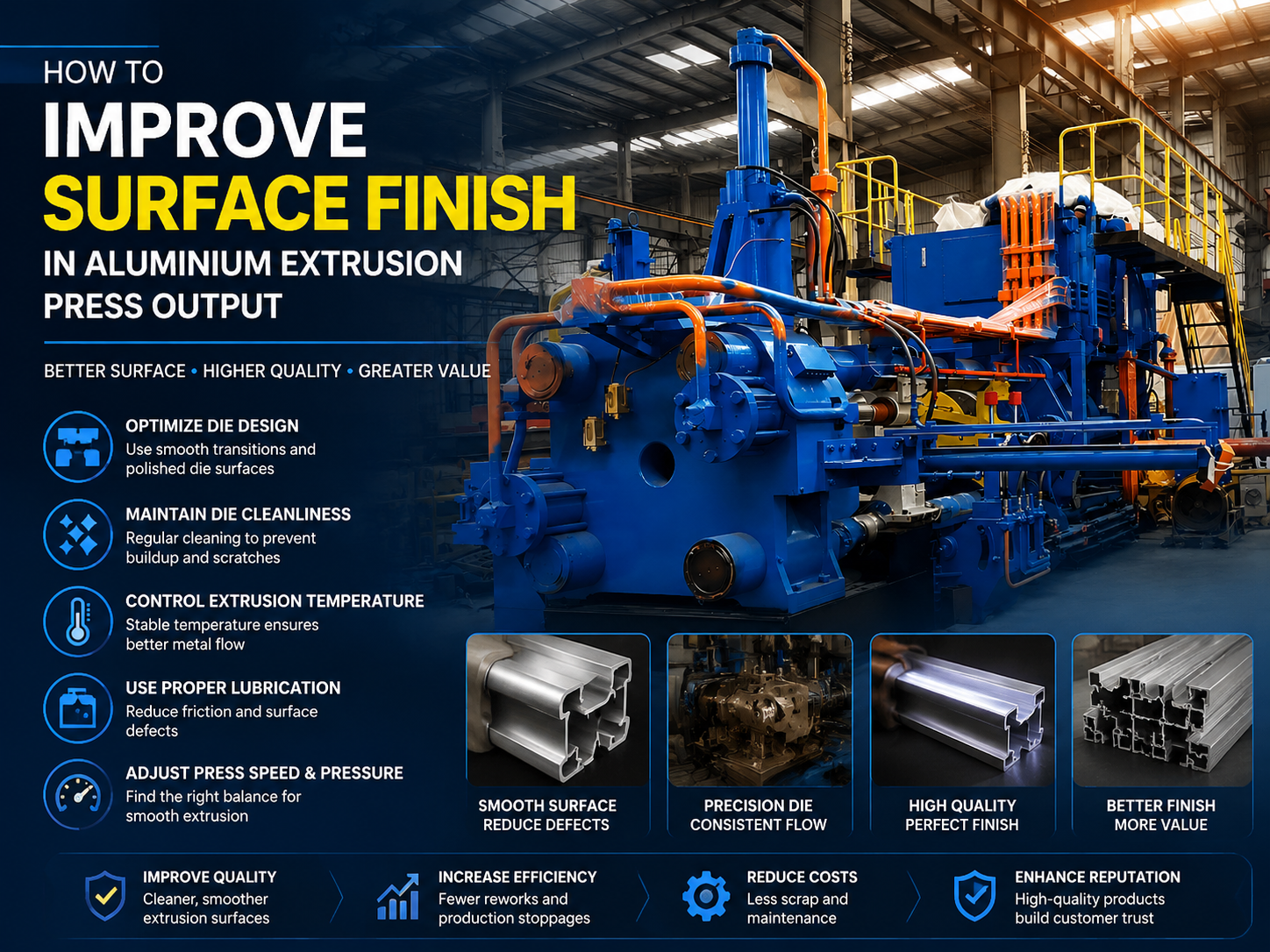
Technical Overview: The Science of Extrusion Surface Quality
Achieving a superior surface finish in aluminium extrusion is a multifaceted challenge that sits at the intersection of metallurgy, fluid dynamics, and precision engineering. For manufacturers utilizing an Aluminium Extrusion Press, the surface quality of the final profile is often the primary indicator of process control and machine health. When we discuss how to improve surface finish in aluminium extrusion press output, we are essentially addressing the friction, heat, and material flow characteristics that occur within the die and the container.
The extrusion process involves forcing a heated aluminium billet through a shaped die opening. During this high-pressure transition, the metal undergoes severe plastic deformation. If the parameters are not perfectly balanced, common defects such as pick-up, die lines, tearing, or surface roughness can occur. These defects not only compromise the aesthetic appeal of the profile but can also affect its structural integrity and suitability for secondary processes like anodizing or powder coating.
HARSLE understands that the modern industrial landscape demands tighter tolerances and flawless finishes. To improve surface finish in aluminium extrusion press output, operators must move beyond basic operation and adopt a data-driven approach to process management. This involves monitoring the interaction between the billet temperature, the extrusion speed, and the die geometry, ensuring that each variable is optimized to minimize surface friction and prevent material stagnation.
Furthermore, the maintenance of the extrusion press itself plays a critical role. A press that suffers from misalignment or inconsistent pressure delivery will inevitably produce profiles with surface irregularities. By focusing on the mechanical stability of the press and the chemical composition of the lubricant, manufacturers can significantly reduce scrap rates and enhance the value of their output. This guide serves as a technical roadmap for achieving these high-quality standards.
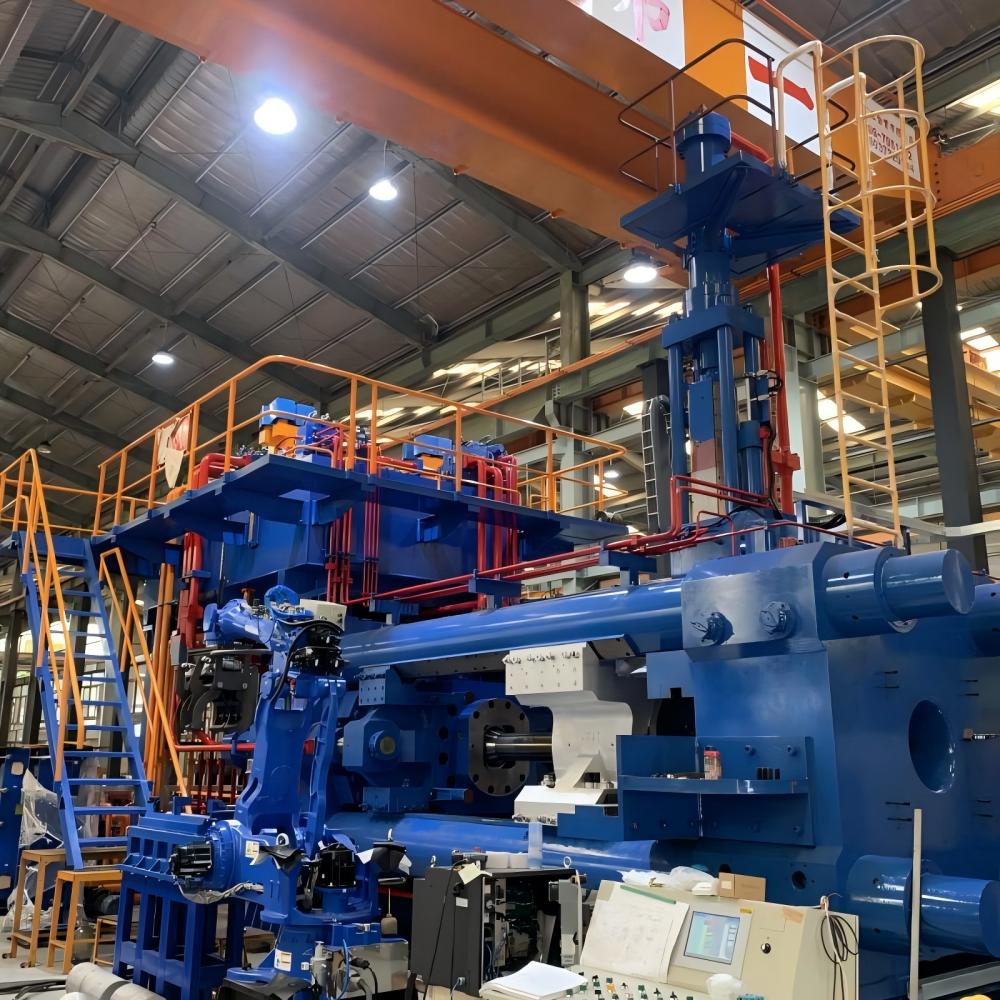
Core Parameters Influencing Surface Finish
The primary factor influencing surface finish is the temperature management of the billet and the die. If the billet is too cold, the flow stress increases, leading to higher extrusion pressures and potential surface tearing. Conversely, if the billet is too hot, the metal becomes overly fluid, which can lead to surface pick-up and poor dimensional stability. Maintaining a precise temperature gradient is essential for a smooth, defect-free surface.
Extrusion speed is another critical parameter. High-speed extrusion increases the strain rate, which generates significant internal heat. This heat can lead to localized melting or surface degradation. To improve surface finish in aluminium extrusion press output, operators must find the “sweet spot” where the speed is high enough for productivity but low enough to prevent the surface temperature from exceeding the critical threshold of the alloy being processed.
Die design and maintenance are equally important. The die bearing surface must be polished to a mirror finish to minimize friction as the aluminium flows through the orifice. Over time, die wear can lead to surface lines or “die marks.” Regular inspection and re-polishing of the die bearing are mandatory for consistent quality. Additionally, the use of high-quality nitriding treatments on the die surface can significantly reduce friction and extend the life of the tool.
Lubrication and cooling systems also play a pivotal role. The choice of lubricant must be compatible with the alloy and the extrusion temperature. Inadequate lubrication increases the risk of metal-to-metal contact between the billet and the container, leading to surface defects. Similarly, the cooling system at the exit of the press must be calibrated to ensure that the profile cools at a rate that preserves the surface finish and mechanical properties.
Calculation Method for Process Optimization
To systematically improve surface finish in aluminium extrusion press output, engineers often utilize the extrusion ratio calculation. The extrusion ratio (R) is defined as the ratio of the cross-sectional area of the container to the cross-sectional area of the extruded profile. A higher extrusion ratio generally requires higher pressure and generates more heat, which can negatively impact surface quality if not managed correctly.
Another vital calculation is the Zener-Hollomon parameter (Z), which relates the strain rate and the temperature to the flow stress of the material. By calculating Z, engineers can predict the likelihood of surface defects. The formula is Z = ε̇ exp(Q/RT), where ε̇ is the strain rate, Q is the activation energy, R is the gas constant, and T is the absolute temperature. Keeping Z within an optimal range ensures that the material flows uniformly, preventing surface tearing.
Pressure-velocity (P-V) curves are also essential tools. By plotting the extrusion pressure against the ram velocity, operators can identify the point at which the surface finish begins to degrade. If the pressure spikes or becomes erratic, it indicates that the lubrication is failing or that the die is becoming clogged with aluminium deposits. Monitoring these curves in real-time allows for proactive adjustments to the press parameters.
Finally, calculating the heat balance of the extrusion process is crucial. This involves accounting for the heat generated by plastic deformation and friction, minus the heat lost to the die and the container. By maintaining a stable heat balance, manufacturers can ensure that the exit temperature of the profile remains constant, which is the most effective way to maintain a uniform surface finish across the entire length of the extruded product.
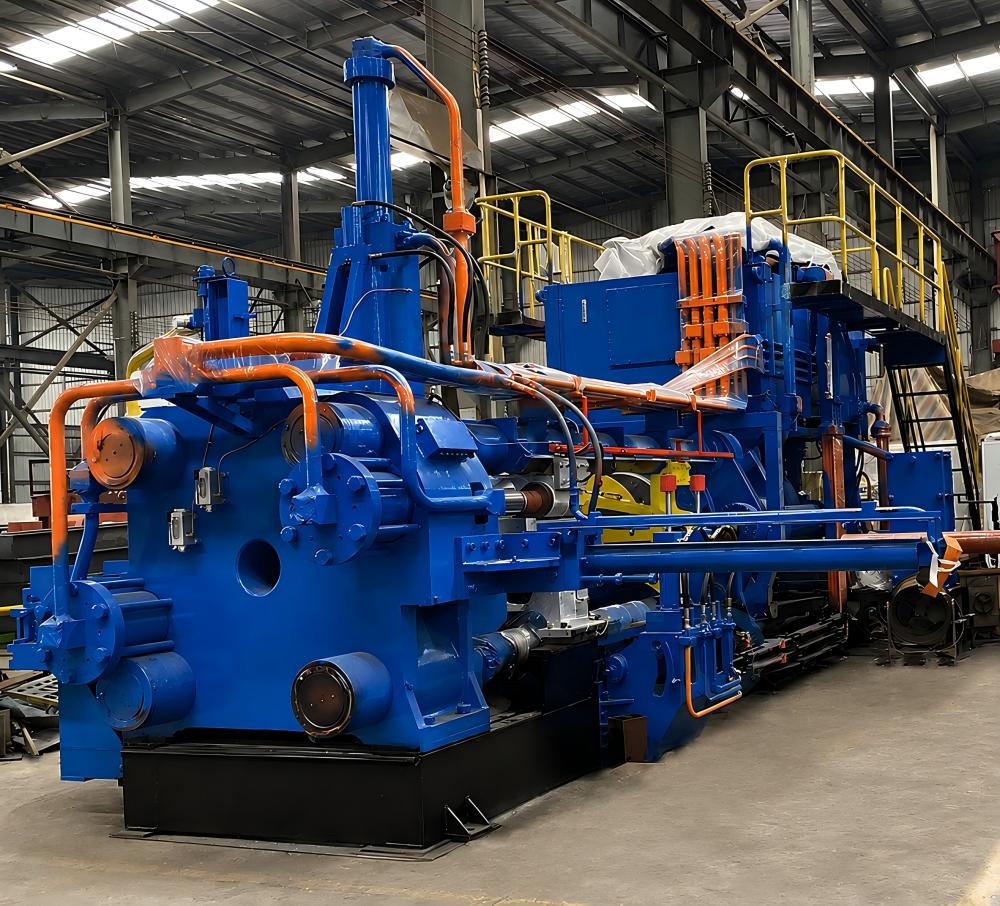
Parameter Table for Surface Quality Control
| Parameter | Target Range | Impact on Surface Finish |
|---|---|---|
| Billet Temperature | 450°C – 520°C | Prevents tearing and pick-up |
| Extrusion Speed | 5 – 25 m/min | Reduces surface heat generation |
| Die Bearing Length | 3mm – 10mm | Controls flow and surface friction |
| Container Temperature | 400°C – 450°C | Maintains material flow consistency |
| Lubricant Viscosity | High (at temp) | Reduces metal-to-metal contact |
Common Engineering Mistakes
One of the most frequent mistakes in the extrusion industry is neglecting the cleaning of the container. If the container wall is contaminated with old aluminium or oxidized material, it will be dragged into the profile, causing severe surface defects. A rigorous cleaning cycle using a dummy block that is slightly smaller than the container diameter is essential to ensure that all residue is removed before the next billet is loaded.
Another common error is the improper storage and handling of billets. Aluminium billets that are stored in humid environments can develop surface oxidation. When these billets are extruded, the oxide layer can break off and become embedded in the surface of the profile, leading to unsightly streaks and poor finish. Proper climate-controlled storage and pre-extrusion cleaning are non-negotiable for high-quality output.
Ignoring die maintenance is a recipe for failure. Many operators wait until a die is visibly damaged before taking it out of service. However, micro-wear on the die bearing can cause subtle surface lines that are only visible after anodizing. Implementing a strict die maintenance schedule, including regular polishing and nitriding, is a hallmark of a professional extrusion facility that prioritizes surface quality.
Finally, failing to monitor the exit temperature of the profile is a significant oversight. Even if the billet temperature is correct, the heat generated during the extrusion process can cause the exit temperature to rise significantly. If this temperature exceeds the alloy’s limit, surface burning or “tearing” will occur. Real-time temperature monitoring at the die exit is essential for making dynamic adjustments to the extrusion speed.
Selection Checklist for Extrusion Equipment
- Rigidity of the Press Frame: Ensure the press has a robust, fatigue-resistant frame to minimize deflection during high-pressure cycles.
- Advanced Control Systems: Look for PLC-based control systems that allow for precise, real-time adjustments to ram speed and pressure.
- Heating System Efficiency: The billet heater must provide uniform heating to prevent temperature gradients that lead to surface defects.
- Die Handling Infrastructure: Invest in high-quality die ovens and polishing equipment to maintain your tooling in peak condition.
- Cooling Capacity: Ensure the exit cooling system is capable of handling the maximum production speed without compromising the surface finish.
- Data Logging Capabilities: Choose a press that logs process data, allowing for post-run analysis to identify trends in surface quality.
- Maintenance Accessibility: A well-designed press should allow for easy access to the container and die assembly for routine cleaning and maintenance.
Frequently Asked Questions (FAQ)
Why does my aluminium profile have longitudinal lines?
Longitudinal lines are typically caused by wear on the die bearing surface or the accumulation of aluminium deposits on the die. Regular polishing and proper nitriding of the die are the best ways to eliminate these lines.
How does billet temperature affect surface finish?
If the billet is too cold, the metal does not flow easily, leading to high friction and surface tearing. If it is too hot, the metal becomes too soft, leading to surface pick-up and poor dimensional control. Maintaining the correct temperature is critical.
What is the role of the dummy block in surface quality?
The dummy block acts as a seal between the ram and the container. A high-quality, well-maintained dummy block prevents the oxide layer on the outside of the billet from entering the extrusion, which is vital for a clean surface finish.
Can extrusion speed be too slow?
While slow speeds generally improve surface finish by reducing heat, they can lead to excessive cooling of the billet within the container, which increases the required pressure and can cause other defects. The speed must be balanced with the temperature.
How often should I polish my extrusion dies?
The frequency of polishing depends on the alloy, the profile complexity, and the production volume. As a general rule, dies should be inspected after every production run and polished whenever micro-wear or aluminium build-up is detected.
Is surface finish affected by the alloy composition?
Yes, different alloys have different flow characteristics and temperature sensitivities. For example, 6063 aluminium is easier to extrude with a good finish than 7075, which requires more precise control over temperature and speed.