Energy Saving Tips for Aluminium Extrusion Press Operations: A Comprehensive Guide

Technical Overview
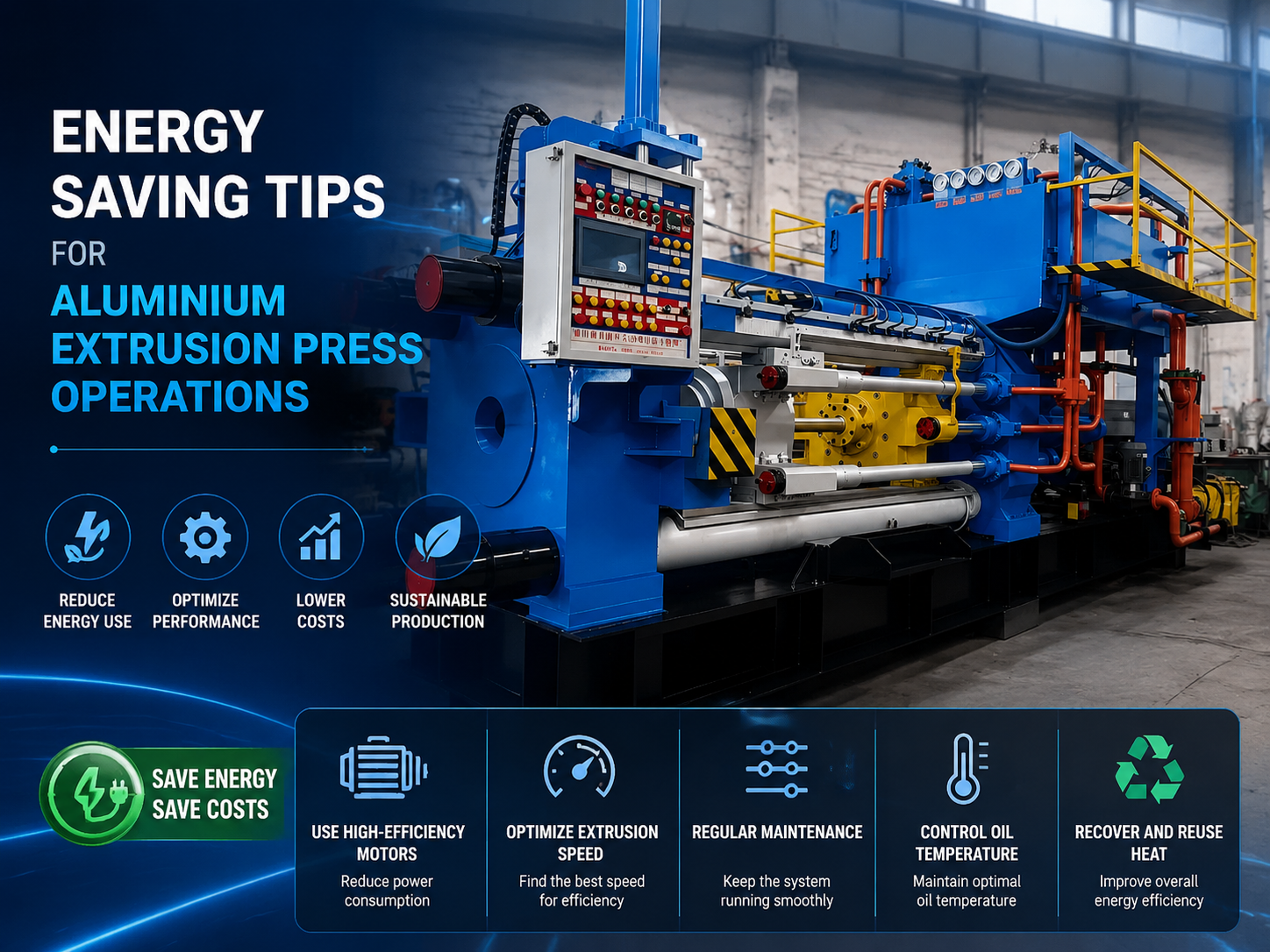
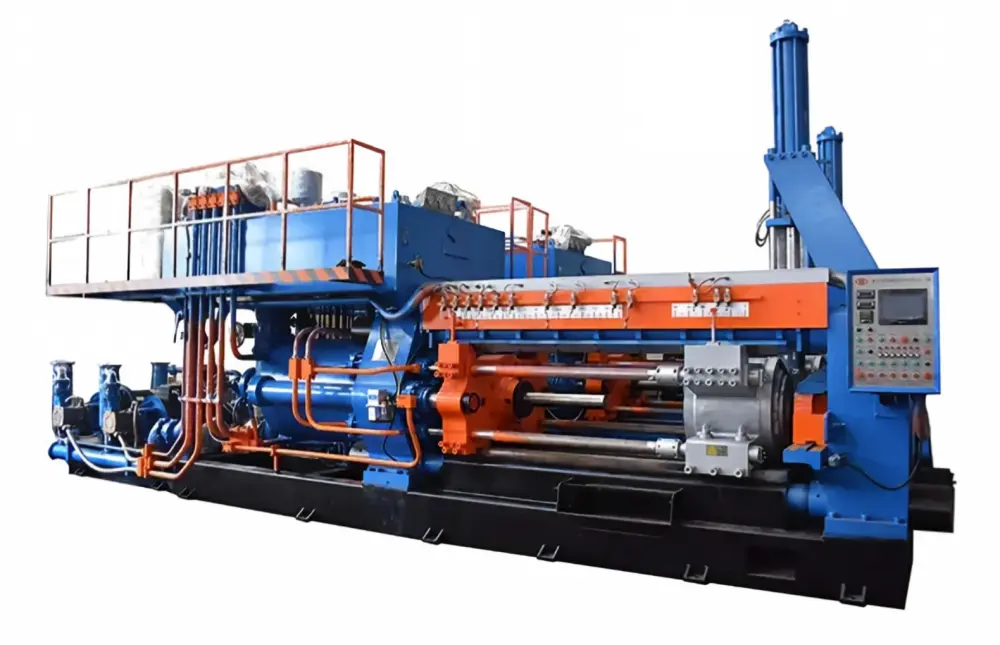
In the modern metal fabrication landscape, the aluminium extrusion process stands as one of the most energy-intensive operations. As global energy costs rise and sustainability mandates become more stringent, implementing effective Energy Saving Tips for Aluminium Extrusion Press Operations is no longer optional—it is a competitive necessity. An aluminium extrusion press functions by forcing a heated aluminium billet through a shaped die, creating profiles with specific cross-sections. This process requires immense hydraulic pressure and precise thermal management, both of which are primary drivers of electricity consumption.
HARSLE’s advanced extrusion systems are designed with energy efficiency at their core, utilizing high-performance hydraulic circuits and intelligent control systems. However, the operational efficiency of these machines depends heavily on how they are managed on the factory floor. By understanding the thermodynamics of the billet heating process and the fluid dynamics of the hydraulic system, operators can significantly reduce the kilowatt-hour consumption per kilogram of extruded aluminium.
The primary energy consumers in an extrusion line include the billet heating furnace, the main hydraulic pump motors, the cooling systems, and the auxiliary handling equipment. Addressing these components through systematic optimization allows manufacturers to lower their carbon footprint while simultaneously increasing throughput. This technical guide explores the intersection of mechanical precision and energy management.
Energy efficiency in this sector is not merely about turning off machines when not in use; it involves sophisticated load management and process synchronization. When the extrusion press is idle, the hydraulic pumps often continue to run, consuming significant “no-load” power. Implementing variable frequency drives (VFDs) and smart standby modes can mitigate this waste. Furthermore, the heat loss from the billet furnace represents a massive opportunity for recovery and insulation optimization.
Finally, the integration of Industry 4.0 technologies allows for real-time monitoring of energy consumption patterns. By analyzing data from the press, managers can identify peak demand periods and shift production schedules to off-peak hours, taking advantage of lower utility rates. This holistic approach transforms the extrusion press from a simple production tool into a data-driven, energy-efficient asset.
Core Parameters
To effectively implement Energy Saving Tips for Aluminium Extrusion Press Operations, one must first understand the core parameters that dictate energy demand. The most critical factor is the extrusion ratio, which defines the relationship between the cross-sectional area of the billet and the final profile. A higher ratio requires greater force, which directly correlates to higher hydraulic pressure and energy consumption. Optimizing the die design to reduce friction is a primary method for lowering this force requirement.
Billet temperature is another vital parameter. While higher temperatures make the aluminium more malleable and easier to extrude, they also require more energy to reach the target heat and increase the risk of surface defects. Finding the “Goldilocks zone”—the lowest temperature at which the alloy can be extruded without exceeding the press’s pressure limits—is essential for energy conservation. Precision induction heating systems are superior to gas furnaces in this regard, as they offer faster, more localized heating.
Hydraulic system pressure and flow rate are the lifeblood of the extrusion press. Modern systems utilize proportional valves to ensure that the pump only delivers the exact amount of fluid required for the current stage of the cycle. By minimizing pressure drops across valves and ensuring that hydraulic oil viscosity is maintained at optimal levels, operators can reduce the load on the main drive motors, leading to substantial energy savings over the machine’s lifespan.
Cycle time optimization is the final core parameter. Every second the press spends in the “dead cycle” (the time between the end of one extrusion and the start of the next) is wasted energy. By automating billet loading, die changing, and profile handling, the press can maintain a higher duty cycle, spreading the fixed energy costs of the auxiliary systems over a larger volume of finished product. This increases the overall energy efficiency ratio (EER) of the production line.
Calculation Method
Calculating the energy efficiency of your extrusion line is the first step toward improvement. The fundamental metric is the Specific Energy Consumption (SEC), measured in kWh per ton of extruded aluminium. To calculate this, you must aggregate the total energy consumption of the press, the furnace, and the cooling system over a specific production period, then divide by the total weight of the output profiles.
The formula is: SEC = (Total Energy Consumed in kWh) / (Total Weight of Extruded Aluminium in Tons). By tracking this metric monthly, you can establish a baseline and measure the impact of any energy-saving initiatives. If your SEC is trending upward, it is a clear indicator that either the equipment requires maintenance or the process parameters have drifted away from the optimal setpoints.
Another important calculation is the Hydraulic Efficiency Index (HEI). This measures how much of the electrical energy supplied to the motor is actually converted into useful work at the ram. A significant gap between the motor input and the ram output indicates energy loss due to friction, heat, or hydraulic leakage. Regularly auditing these figures helps in identifying which components—such as worn seals or inefficient pumps—are the primary culprits for energy waste.
Finally, consider the Cost per Meter of Extrusion. This calculation incorporates energy costs, labor, and material scrap rates. Often, a slight increase in energy usage to improve profile quality can lead to a massive reduction in scrap, which is the most energy-intensive waste of all. By calculating the total energy embedded in the scrap, you can justify investments in better die technology or more precise temperature control systems.
Parameter Table
| Parameter | Target Range | Impact on Energy Consumption |
|---|---|---|
| Billet Temperature | 450°C – 520°C | High impact; excessive heat wastes fuel. |
| Hydraulic Pressure | 15 – 25 MPa | Directly proportional to motor load. |
| Extrusion Speed | 5 – 20 mm/s | Higher speeds increase heat and pressure. |
| Idle Time | < 10% of cycle | High idle time wastes electricity. |
| Oil Temperature | 40°C – 55°C | Optimal viscosity reduces pump load. |
Common Engineering Mistakes
One of the most frequent mistakes in aluminium extrusion is the failure to maintain the hydraulic oil cooling system. When oil temperatures rise above the optimal range, the fluid becomes too thin, leading to internal leakage within the pumps and valves. This forces the motor to work harder to maintain the required pressure, significantly increasing energy consumption. Regular cleaning of heat exchangers and monitoring of oil cooling fans are essential maintenance tasks that are often overlooked.
Another common error is the use of outdated or poorly designed dies. A die with high friction requires significantly more pressure to force the aluminium through the orifice. Engineers often compensate for this by increasing the hydraulic pressure, which is a “brute force” approach that consumes excessive energy. Investing in high-quality, coated dies that reduce friction can lower the required extrusion pressure by 10-15%, leading to immediate energy savings.
Many facilities also suffer from “phantom loads”—auxiliary equipment that remains powered on during shift changes or maintenance periods. This includes conveyor motors, cooling fans, and lighting systems. Implementing automated power-down sequences or simple motion sensors can eliminate these unnecessary costs. Furthermore, failing to insulate the billet furnace properly leads to massive heat loss, forcing the burners to cycle more frequently than necessary.
Finally, neglecting the maintenance of the main drive motors and VFDs is a critical oversight. Over time, motor bearings can wear, and VFD settings can drift. Periodic calibration of these systems ensures that the motor is operating at its peak efficiency point. Ignoring these technical details leads to a gradual decline in machine performance, which is often mistaken for normal wear and tear rather than a preventable energy drain.
Selection Checklist
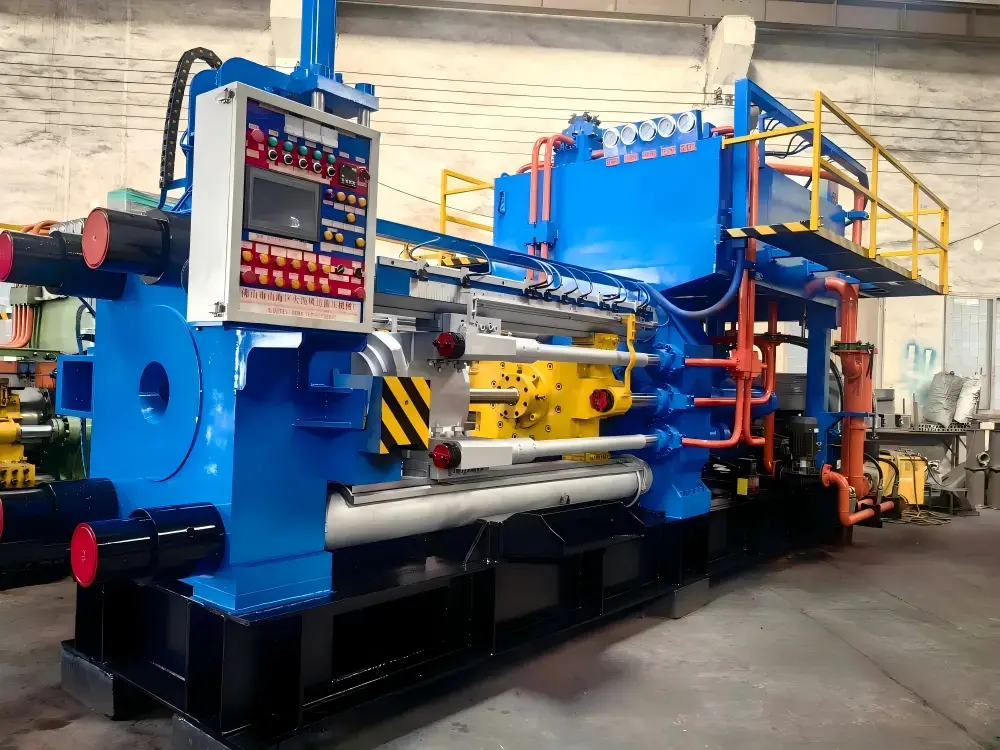
When selecting a new aluminium extrusion press or upgrading an existing one, use this checklist to ensure energy efficiency is prioritized:
- Variable Frequency Drives (VFDs): Ensure the main motors are equipped with VFDs to match power consumption to the actual load.
- Servo-Hydraulic Systems: Look for servo-driven pumps that provide high precision and eliminate energy waste during idle phases.
- Energy Recovery Systems: Inquire about systems that capture energy during the deceleration phase of the ram.
- Advanced Insulation: Verify that the billet furnace features high-grade ceramic fiber insulation to minimize thermal loss.
- Smart Control Software: Ensure the press comes with an integrated energy monitoring dashboard for real-time data analysis.
- Proportional Valve Technology: Confirm the use of high-response proportional valves to minimize pressure drops.
- Automated Handling: Check for integrated automation that reduces the time the press spends in a non-productive state.
FAQ
How often should I audit my extrusion press for energy efficiency?
We recommend a comprehensive energy audit at least twice a year. However, real-time monitoring should be part of your daily operational dashboard to catch anomalies immediately.
Can retrofitting an old press with VFDs save money?
Yes, retrofitting older hydraulic presses with modern VFDs is one of the most cost-effective ways to reduce energy consumption, often paying for itself within 18-24 months.
Does higher extrusion speed always mean lower energy efficiency?
Not necessarily. While higher speeds require more power, they also reduce the time the auxiliary systems (like cooling fans and heaters) are running. The goal is to find the optimal balance where the press is running at its most efficient duty cycle.
What is the role of hydraulic oil in energy saving?
Hydraulic oil is the medium of power transmission. Keeping it clean, at the right viscosity, and free of air bubbles ensures that the energy supplied by the motor is efficiently transferred to the ram without loss due to internal friction or cavitation.
Are there government incentives for energy-efficient machinery?
Many regions offer tax credits or grants for companies that upgrade to energy-efficient industrial machinery. Consult with your local energy provider or government industrial department to see if your HARSLE press upgrade qualifies.