Common Aluminium Extrusion Press Problems and How to Troubleshoot Them: A Comprehensive Guide

Technical Overview
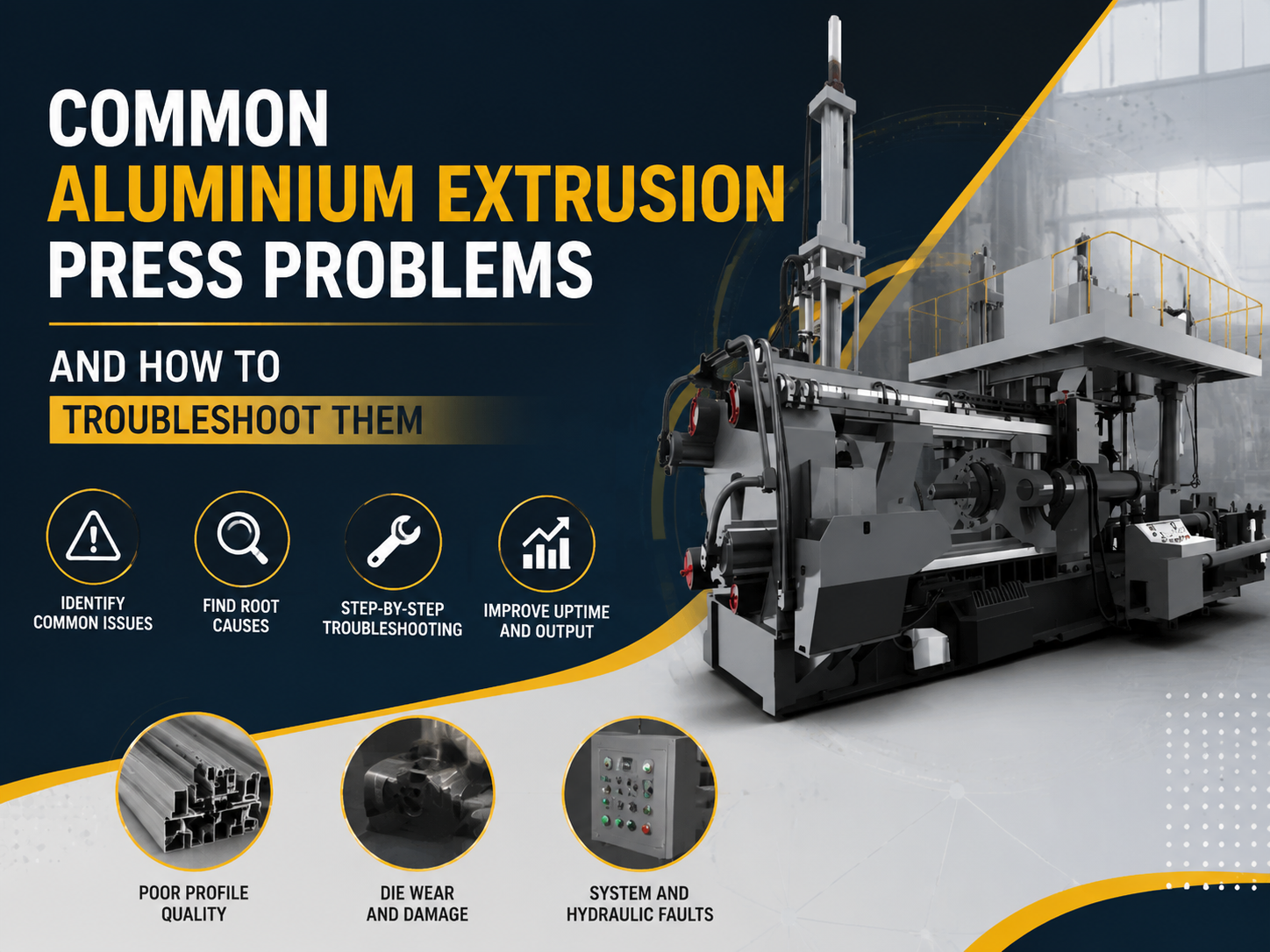
The aluminium extrusion process is a cornerstone of modern metal fabrication, transforming aluminium billets into complex cross-sectional profiles used in construction, automotive, and aerospace industries. At the heart of this operation lies the aluminium extrusion press, a sophisticated piece of industrial machinery that relies on high-pressure hydraulic systems, precise thermal control, and robust mechanical components. Understanding the technical nuances of these machines is essential for any facility manager aiming to maintain high throughput and product quality.
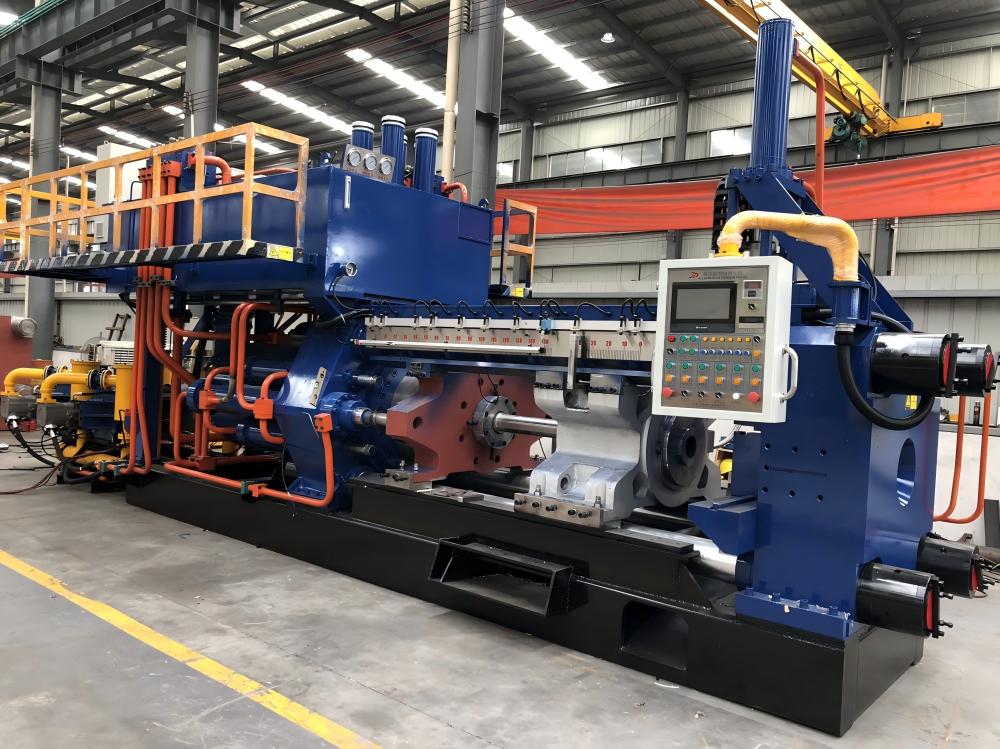
An aluminium extrusion press operates by forcing a heated aluminium billet through a shaped steel die. This process involves several critical stages: billet heating, dummy block engagement, ram advancement, and profile cooling. Because the system operates under extreme pressure—often exceeding 2,000 tons—even minor deviations in hydraulic fluid viscosity, die alignment, or billet temperature can lead to significant operational failures. HARSLE emphasizes that proactive monitoring of these variables is the first line of defense against unplanned downtime.
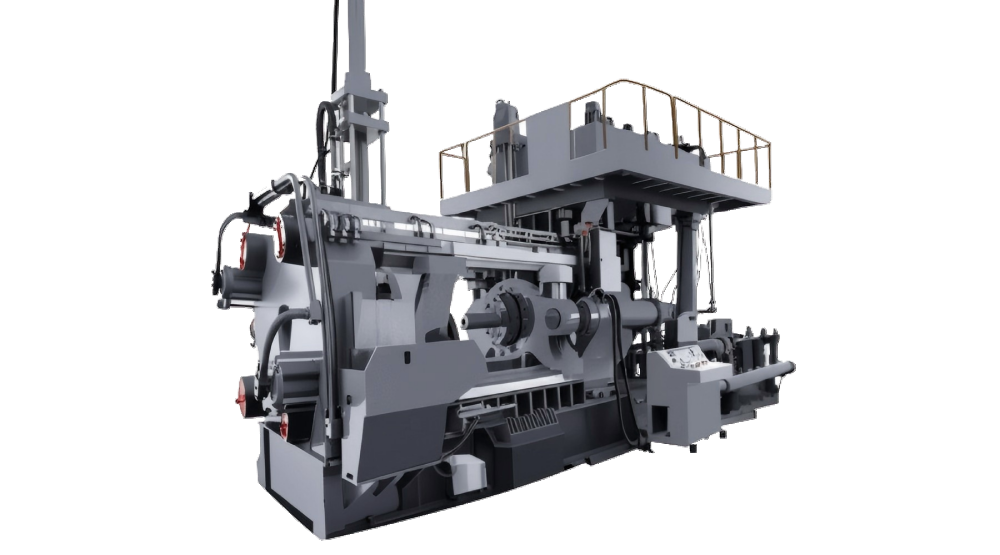
The mechanical architecture of a modern press includes the main cylinder, the container, the stem, and the shear assembly. Each component must work in perfect synchronization. When one element fails, it creates a ripple effect throughout the entire production line. For instance, a worn-out container liner can lead to surface defects on the extruded profile, while a faulty hydraulic valve can cause inconsistent ram speed, leading to structural inconsistencies in the final product.
Troubleshooting these systems requires a systematic approach. Operators must be trained to recognize the early warning signs of mechanical fatigue, such as unusual vibrations, fluctuating pressure gauges, or abnormal noise during the extrusion cycle. By integrating advanced sensor technology and regular maintenance schedules, facilities can transition from reactive repairs to predictive maintenance, significantly extending the lifespan of their extrusion equipment.
Core Parameters
To effectively manage common aluminium extrusion press problems and how to troubleshoot them, one must first master the core parameters that dictate machine performance. The most critical parameter is the extrusion pressure, which must be carefully calibrated based on the alloy type, billet temperature, and the complexity of the die profile. If the pressure is too low, the metal will not flow correctly; if it is too high, it risks damaging the die or the container.
Billet temperature is another non-negotiable variable. Aluminium alloys typically require heating to between 400°C and 500°C. If the billet is too cold, the extrusion force required exceeds the machine’s capacity, potentially causing a stall or mechanical failure. Conversely, if the billet is overheated, the surface quality of the profile will degrade, leading to “tearing” or “pick-up” defects. Maintaining a consistent thermal profile across the entire billet is essential for uniform material flow.
Ram speed is the third pillar of extrusion control. The speed at which the ram pushes the billet through the die determines the exit temperature of the profile. As the metal deforms, it generates heat through friction. If the ram speed is too fast, the exit temperature may exceed the alloy’s melting point, resulting in surface cracking. Operators must balance speed with the cooling capacity of the quench system to ensure the profile maintains its required mechanical properties.
Finally, the container pressure and the dummy block fit are vital for preventing “back-flow” or “shelling.” The dummy block must create a tight seal against the container wall to ensure that the oxide layer on the billet surface is left behind in the container rather than being extruded into the profile. Proper calibration of these parameters ensures that the extrusion process remains stable, repeatable, and efficient over long production runs.
Calculation Method
Calculating the required extrusion force is a fundamental skill for troubleshooting press capacity issues. The basic formula for extrusion force (F) is defined as the product of the extrusion pressure (p) and the cross-sectional area of the container (A). However, in practical industrial applications, this must be adjusted for the extrusion ratio (R), which is the ratio of the billet cross-sectional area to the profile cross-sectional area.
The formula is expressed as: F = p × A. To determine the pressure required, engineers use the flow stress of the alloy at a specific temperature. The flow stress increases as the temperature decreases and as the strain rate (ram speed) increases. Therefore, the calculation must account for the specific alloy’s resistance to deformation. For complex profiles, a shape factor (S) is often introduced to account for the increased friction caused by the profile’s perimeter-to-area ratio.
When troubleshooting a press that is failing to complete an extrusion, engineers should calculate the theoretical force required versus the actual force being applied. If the actual force is significantly higher than the theoretical requirement, it indicates a problem with lubrication, die friction, or an incorrect billet temperature. This calculation helps isolate whether the issue is mechanical (e.g., a worn ram) or process-related (e.g., incorrect heating).
Furthermore, calculating the “dead cycle time” is essential for optimizing productivity. The dead cycle includes the time taken for the ram to retract, the container to move, and the new billet to be loaded. By analyzing these time intervals, maintenance teams can identify bottlenecks in the hydraulic system or the loading mechanism, allowing for targeted improvements that increase the overall output of the extrusion line.
Parameter Table
| Parameter | Typical Range | Impact of Deviation |
|---|---|---|
| Billet Temperature | 420°C – 480°C | Surface defects, structural weakness |
| Hydraulic Pressure | 20 – 30 MPa | Incomplete extrusion, system stall |
| Ram Speed | 5 – 25 mm/s | Surface tearing, exit temperature rise |
| Container Temperature | 380°C – 420°C | Inconsistent flow, die wear |
| Die Pre-heat Temp | 450°C – 480°C | Die breakage, profile distortion |
Common Engineering Mistakes
One of the most frequent mistakes in managing aluminium extrusion presses is the neglect of die maintenance. Many operators assume that as long as the die is not broken, it is functioning correctly. However, die wear is a gradual process that alters the profile dimensions over time. Failing to inspect the die bearing surface for wear or buildup can lead to dimensional inaccuracies that are difficult to troubleshoot later in the process.
Another common error is the improper management of hydraulic fluid. Hydraulic systems are the lifeblood of the extrusion press, yet they are often overlooked until a catastrophic failure occurs. Using the wrong viscosity grade or failing to monitor fluid contamination levels can lead to sluggish valve response, overheating, and premature wear of the main cylinder seals. Regular oil analysis is a simple yet effective practice that prevents these issues.
Inadequate billet preparation is also a significant oversight. If the billets are not heated uniformly, the center of the billet may be at a different temperature than the surface. This temperature gradient causes uneven material flow, leading to internal stresses in the extruded profile that may not be visible immediately but will cause the profile to warp or twist during the cooling or aging process. Investing in high-quality induction heating systems is crucial for consistent results.
Finally, many facilities fail to document their troubleshooting steps. When a problem occurs, the immediate goal is to get the machine running again. However, without a detailed log of the symptoms, the actions taken, and the outcome, the same problem is likely to recur. Establishing a standardized troubleshooting protocol ensures that the knowledge gained from one repair is applied to future maintenance, creating a culture of continuous improvement.
Selection Checklist
When selecting or upgrading an aluminium extrusion press, consider the following checklist to ensure long-term reliability and ease of troubleshooting:
- Hydraulic System Efficiency: Does the press feature energy-efficient pumps and high-response proportional valves?
- Control System Integration: Is the PLC system capable of real-time data logging for pressure, temperature, and ram speed?
- Maintenance Accessibility: Are the critical components, such as the main cylinder and shear assembly, easily accessible for inspection and repair?
- Die Handling System: Does the machine include an automated die changing system to reduce downtime and improve safety?
- After-Sales Support: Does the manufacturer provide comprehensive training, spare parts availability, and remote diagnostic capabilities?
- Safety Features: Are there redundant safety interlocks, light curtains, and emergency stop systems that meet international standards?
- Customization Options: Can the press be tailored to handle specific alloy types or complex profile geometries?
FAQ
What is the most common cause of surface defects in aluminium extrusion?
Surface defects are most commonly caused by incorrect billet temperature or excessive ram speed. If the billet is too hot or the ram moves too quickly, the friction generates excessive heat, leading to surface tearing. Additionally, poor die maintenance or debris in the container can cause streaks and scratches.
How often should I perform maintenance on my extrusion press?
Maintenance should be performed on a tiered schedule. Daily checks should include hydraulic fluid levels and visual inspections. Monthly maintenance should involve checking the alignment of the ram and container, while annual overhauls should include a full inspection of the hydraulic seals, electrical systems, and structural integrity of the press frame.
Why does my extrusion press stall during the cycle?
A stall is typically caused by insufficient pressure or an obstruction. Check the hydraulic pressure settings, ensure the billet temperature is within the correct range, and inspect the die for any blockages. If the pressure is correct but the machine still stalls, there may be an issue with the main hydraulic pump or a faulty pressure relief valve.
How do I troubleshoot inconsistent profile dimensions?
Inconsistent dimensions are usually a sign of die wear or thermal instability. First, inspect the die bearing surface for signs of wear. If the die is in good condition, check the billet heating process to ensure uniform temperature distribution. Finally, verify that the ram and container are perfectly aligned to prevent uneven pressure distribution.
Can HARSLE provide technical support for older extrusion presses?
Yes, HARSLE offers comprehensive support for both new and existing machinery. Our technical team can assist with troubleshooting, spare parts sourcing, and even retrofitting older presses with modern control systems to improve performance and reliability.