Comprehensive Hammer Shredder Installation Guide for Fabrication and Recycling Plants


Technical Overview of Hammer Shredder Systems
The hammer shredder, often referred to as a hammer mill in specific contexts, is a cornerstone of modern metal fabrication and recycling plants. Its primary function is to reduce large, bulky scrap materials into smaller, uniform pieces through high-velocity impact. Unlike shear shredders that rely on cutting forces, the hammer shredder utilizes the kinetic energy stored in a heavy, rotating rotor equipped with free-swinging hammers. This process is essential for increasing the bulk density of scrap metal, which significantly improves the efficiency of downstream processes like smelting and chemical refining.
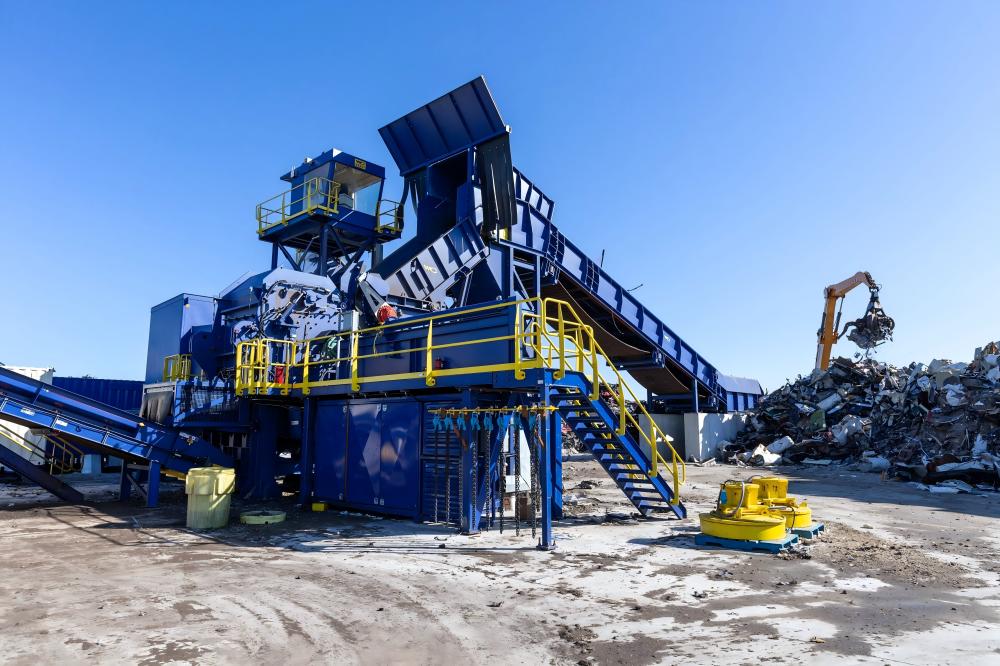
In a typical Hammer Shredder Installation Fabrication Recycling Plants environment, the machine consists of a heavy-duty housing, a central rotor assembly, a set of manganese steel hammers, and a discharge grate. When material enters the feed chute, it is struck by the hammers rotating at speeds often exceeding 500 RPM. The impact shatters brittle materials and deforms ductile metals, forcing them against internal breaker plates. Once the material reaches a size small enough to pass through the discharge grate at the bottom, it exits the system. This mechanical reduction is not just about size; it also serves to ‘clean’ the scrap by knocking off paint, rust, and non-metallic attachments.
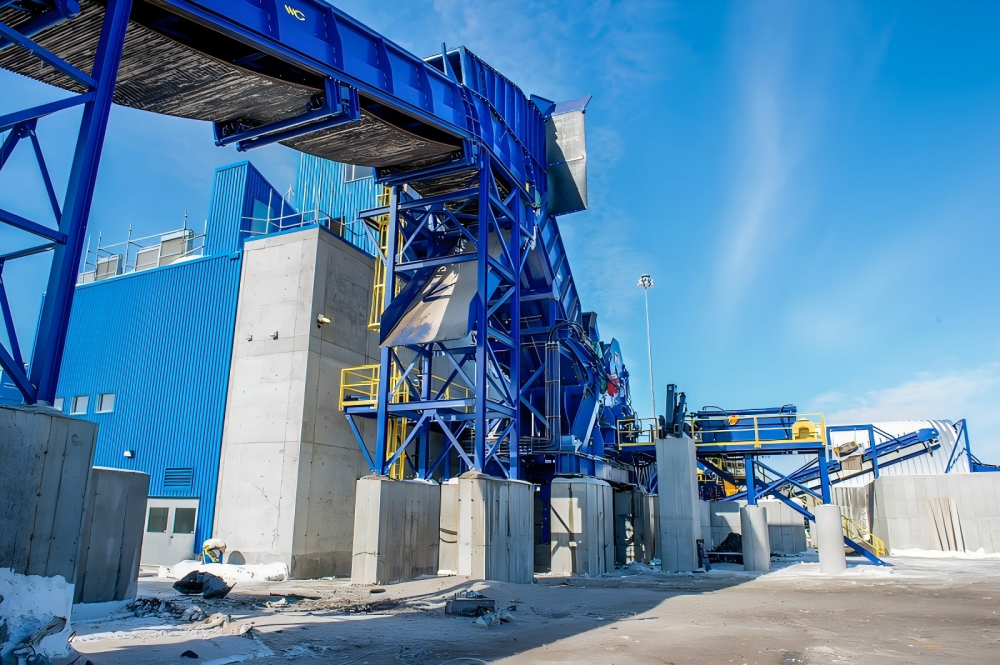
The engineering complexity of these machines requires a deep understanding of dynamics. The rotor must be perfectly balanced to prevent catastrophic vibration, and the housing must be reinforced to withstand the constant bombardment of high-speed metal fragments. For fabrication plants looking to integrate these systems, the installation phase is the most critical period. A poorly installed shredder will not only suffer from reduced throughput but will also experience premature component failure, leading to expensive downtime and safety hazards for the plant operators.
Modern hammer shredders are increasingly integrated with automated control systems. These systems monitor motor load, vibration levels, and bearing temperatures in real-time. In a recycling plant, this allows for the optimization of feed rates—ensuring the shredder operates at peak efficiency without overloading the motor. Understanding the synergy between the mechanical components and the electronic control units is vital for any technical team overseeing the installation process.
Core Parameters of Industrial Hammer Shredders
When selecting and installing a hammer shredder, several core parameters dictate the performance and suitability of the machine for specific fabrication or recycling tasks. The first and most prominent parameter is the Rotor Diameter and Width. These dimensions define the ‘swept area’ of the hammers and directly correlate to the maximum size of the input material. A larger rotor can handle bulkier scrap, such as car bodies or large structural steel sections, while smaller rotors are suited for electronic waste or aluminum extrusions.
Motor Power (Horsepower/Kilowatts) is the next critical factor. Hammer shredders are high-energy consumers. The power requirement is determined by the desired throughput (tons per hour) and the toughness of the material. For instance, shredding reinforced steel requires significantly more torque and sustained power than shredding thin-gauge aluminum. During the Hammer Shredder Installation Fabrication Recycling Plants phase, ensuring the electrical infrastructure can handle the massive inrush current of these motors is a primary engineering concern.
Hammer Weight and Metallurgy play a decisive role in the shredding efficiency. Hammers are typically made from manganese steel or specialized alloys that work-harden under impact. The weight of the hammer determines the kinetic energy delivered per strike ($E = 0.5 · m · v^2$). Heavier hammers are used for heavy melting scrap (HMS), while lighter hammers are preferred for lighter materials to reduce unnecessary wear on the rotor pins. The configuration of the hammers—whether they are staggered or aligned—also affects the ‘bite’ the machine takes on the material.
Finally, the Grate Opening Size determines the final product size. Smaller openings produce a finer, more uniform product but reduce the overall throughput and increase the wear rate per ton of material processed. Engineers must balance the requirements of the end-user (e.g., a foundry requiring a specific density) with the operational costs of the recycling plant. Adjusting these parameters during installation and commissioning is a fine-tuning process that requires empirical testing with the actual scrap mix the plant intends to process.
Calculation Method for Shredder Performance
To ensure a successful Hammer Shredder Installation Fabrication Recycling Plants project, engineers must perform several key calculations. The most fundamental is the Theoretical Throughput Capacity (Q). While actual capacity varies based on material density and feed consistency, a common formula used in the industry is:
Q = k · D · L · n · ρ
Where:
– Q is the capacity (kg/h).
– k is an empirical coefficient based on material type and grate size.
– D is the rotor diameter (m).
– L is the rotor length (m).
– n is the rotor speed (RPM).
– ρ is the bulk density of the input material (kg/m³).
Another vital calculation involves the Kinetic Energy of the Rotor. Because hammer shredders rely on the momentum of the rotor to ‘carry through’ tough spots in the feed, the moment of inertia must be sufficient. If the rotor lacks enough mass or speed, it will slow down significantly upon impacting a large piece of scrap, causing a current spike in the motor and potential tripping of the circuit breakers. Engineers must calculate the total inertia of the rotor assembly, including the hammers, to ensure the motor can recover speed quickly between impacts.
Power consumption calculations are also necessary for operational budgeting. The Specific Energy Consumption (SEC) is measured in kWh per ton. For scrap steel, this typically ranges from 15 to 30 kWh/t depending on the desired fineness. By multiplying the SEC by the target hourly tonnage, the plant can determine the required transformer capacity and the expected utility costs. During the installation phase, these calculations help in verifying that the cooling systems for the motor and bearings are adequately sized to dissipate the heat generated during continuous operation.
Hammer Shredder Parameter Table
The following table provides a comparison of typical parameters for different scales of hammer shredders used in industrial fabrication and recycling plants.
| Parameter | Light-Duty (E-Waste) | Medium-Duty (Alu/Light Scrap) | Heavy-Duty (HMS/Auto) |
|---|---|---|---|
| Rotor Diameter (mm) | 600 – 800 | 1000 – 1300 | 1600 – 2200+ |
| Motor Power (kW) | 45 – 90 | 110 – 315 | 500 – 2000+ |
| Hammer Weight (kg) | 5 – 15 | 20 – 50 | 80 – 150+ |
| Rotor Speed (RPM) | 900 – 1200 | 600 – 900 | 400 – 600 |
| Throughput (Tons/Hr) | 1 – 5 | 10 – 25 | 40 – 120+ |
| Grate Size (mm) | 20 – 40 | 50 – 100 | 100 – 200 |
Common Engineering Mistakes in Installation
One of the most frequent mistakes in Hammer Shredder Installation Fabrication Recycling Plants is Inadequate Foundation Design. A hammer shredder generates massive dynamic loads. If the foundation is designed only for the static weight of the machine, the resulting vibrations will quickly degrade the structural integrity of the surrounding building and the machine itself. Engineers must use vibration-dampening mounts or a massive concrete ‘inertia block’ isolated from the rest of the plant floor by expansion joints and specialized damping materials.
Another common error is Improper Alignment of the Drive Train. Whether the shredder is direct-driven via a coupling or belt-driven, precision alignment is non-negotiable. Even a fraction of a millimeter of misalignment can lead to premature bearing failure or shaft breakage. Given the high speeds and forces involved, thermal expansion must also be considered; a machine that is perfectly aligned when cold may move out of alignment as it reaches operating temperature. Using laser alignment tools during the installation process is a best practice that should never be skipped.
Neglecting Dust and Emission Control is a mistake that often leads to regulatory issues and health hazards. Shredding metal, especially scrap that may contain residual oils or plastics, generates significant amounts of dust and potentially hazardous fumes. An installation that does not include a robust cyclone or baghouse filtration system will quickly become a maintenance nightmare, as metallic dust settles on electrical components and causes short circuits. Furthermore, the installation of a water injection system inside the shredding chamber can help suppress dust and cool the hammers, but it must be carefully calibrated to avoid creating a sludge that clogs the grates.
Finally, Undersizing the Feed and Discharge Conveyors often creates a bottleneck that prevents the shredder from reaching its rated capacity. The discharge conveyor must be able to handle the ‘surge’ capacity of the shredder. If the shredder processes a particularly brittle piece of scrap quickly, the discharge system must be fast enough to clear that material before the next batch arrives. In many recycling plants, the shredder is capable of more than the conveyors can carry, leading to inefficient stop-start cycles that wear out the motor starters and gearboxes.
Selection Checklist for Fabrication and Recycling Plants
Choosing the right equipment for a Hammer Shredder Installation Fabrication Recycling Plants project requires a systematic approach. Use the following checklist to evaluate potential machinery and installation plans:
- Material Analysis: Have you clearly defined the chemistry, thickness, and physical dimensions of the primary scrap stream?
- Throughput Requirements: Does the machine’s rated capacity include a 20% safety margin for peak loads?
- Metallurgical Compatibility: Are the hammers and liner plates made from a material suited for your specific scrap (e.g., high-manganese for impact-heavy steel)?
- Foundation Specs: Has a structural engineer reviewed the soil bearing capacity and the dynamic load requirements of the shredder?
- Electrical Infrastructure: Is the transformer and switchgear capable of handling the starting current (Soft starters or VFDs are highly recommended)?
- Maintenance Access: Is there sufficient overhead clearance for a crane to lift the rotor out for maintenance? Are there access doors for easy hammer replacement?
- Safety Systems: Does the installation include emergency stops, vibration sensors, and ‘reject doors’ to eject unshreddable items?
- Downstream Separation: Is the magnetic separation and air classification system sized to match the shredder’s output?
Maintenance and Operational Longevity
Once the Hammer Shredder Installation Fabrication Recycling Plants process is complete, the focus shifts to maintenance. The most critical maintenance task is the Hammer Rotation and Replacement. Hammers wear down on the leading edge; rotating them to use the trailing edge can double their lifespan. However, this must be done in balanced sets. Replacing only one or two hammers in a large rotor will create an imbalance that can destroy the main bearings within hours.
Lubrication of the main rotor bearings is another daily requirement. Given the dusty and hot environment, many plants opt for automated lubrication systems that deliver precise amounts of high-temperature grease at set intervals. Monitoring the temperature of these bearings is the best way to predict a failure before it happens. A sudden rise in temperature usually indicates either a lack of lubrication or the onset of fatigue in the bearing races.
The internal liner plates of the shredder housing also require regular inspection. These plates protect the structural frame of the machine from the constant impact of flying metal. If a liner plate falls off or wears through, the frame itself will begin to erode, leading to a much more expensive and difficult repair. Hard-facing welding can sometimes be used to extend the life of liners and hammers, but this requires specialized welding rods and techniques to ensure the added material doesn’t chip off under impact.
Frequently Asked Questions (FAQ)
1. How often should hammers be replaced in a high-volume recycling plant?
In a typical 8-hour shift processing mixed steel scrap, hammers may need to be rotated every 2-3 days and replaced every 1-2 weeks. This varies significantly based on the abrasiveness of the material and the quality of the hammer alloy.
2. What is the purpose of a ‘Reject Door’ in a hammer shredder?
A reject door (or ‘ejection gate’) is a safety feature that allows the shredder to automatically or manually eject large pieces of ‘unshreddable’ material, such as a solid steel shaft or a heavy engine block, that could otherwise cause catastrophic damage to the rotor.
3. Can a hammer shredder be used for non-metallic materials?
Yes, hammer shredders are highly effective for wood, plastics, and glass. However, the hammer design and rotor speed must be adjusted. For example, wood shredding usually requires sharper ‘knives’ or hammers with a different profile than those used for metal.
4. How do I reduce the noise levels of a shredder installation?
Noise can be mitigated by installing the shredder inside a sound-dampened enclosure, using thick rubber liners in the feed chute, and ensuring the foundation is properly isolated to prevent ground-borne noise transmission.
5. What is the difference between a hammer shredder and a ring mill?
While similar, a ring mill uses heavy rolling rings instead of swinging hammers. Ring mills are often preferred for applications where a ‘tearing’ action is more effective than a pure ‘impact’ action, such as in certain types of coal or soft metal processing.
Conclusion
Successful Hammer Shredder Installation Fabrication Recycling Plants projects are the result of meticulous planning, precise engineering, and a deep understanding of the materials being processed. By focusing on the core parameters, ensuring a robust foundation, and following a strict maintenance schedule, fabrication and recycling plants can achieve high throughput and a rapid return on investment. As the global demand for recycled metals continues to grow, the role of the hammer shredder as a primary reduction tool remains more vital than ever. HARSLE continues to lead the industry by providing the technical expertise and high-quality machinery needed to power the next generation of recycling facilities.