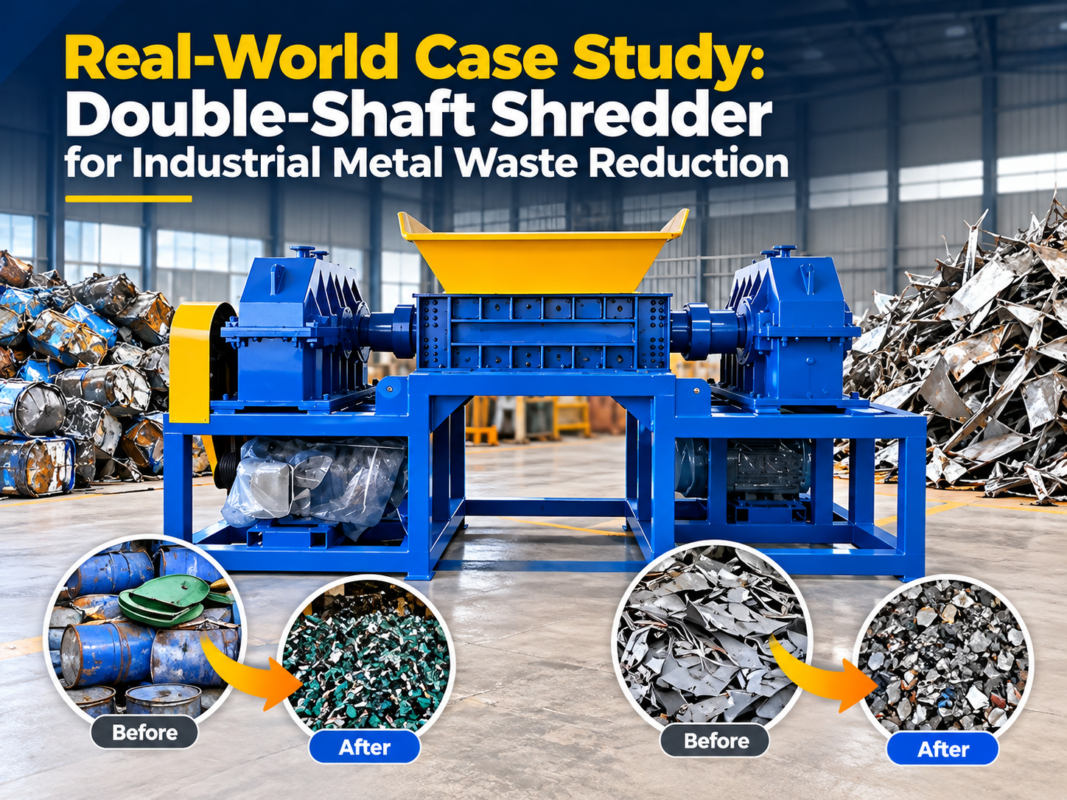
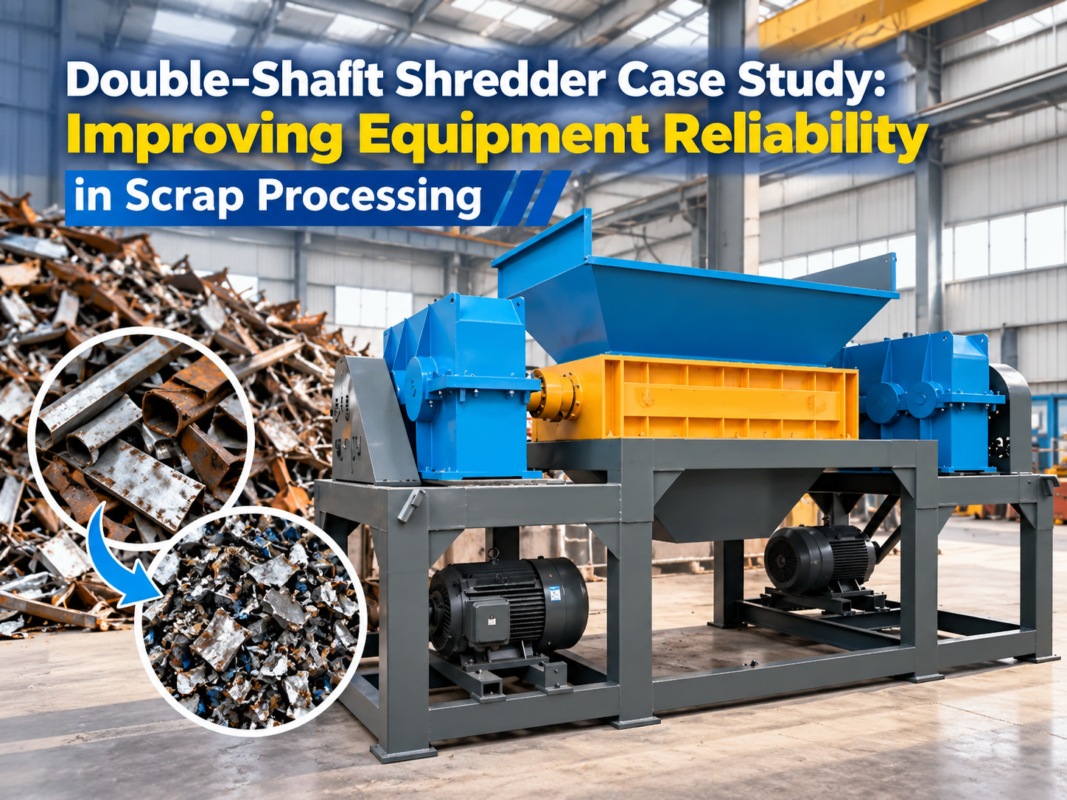
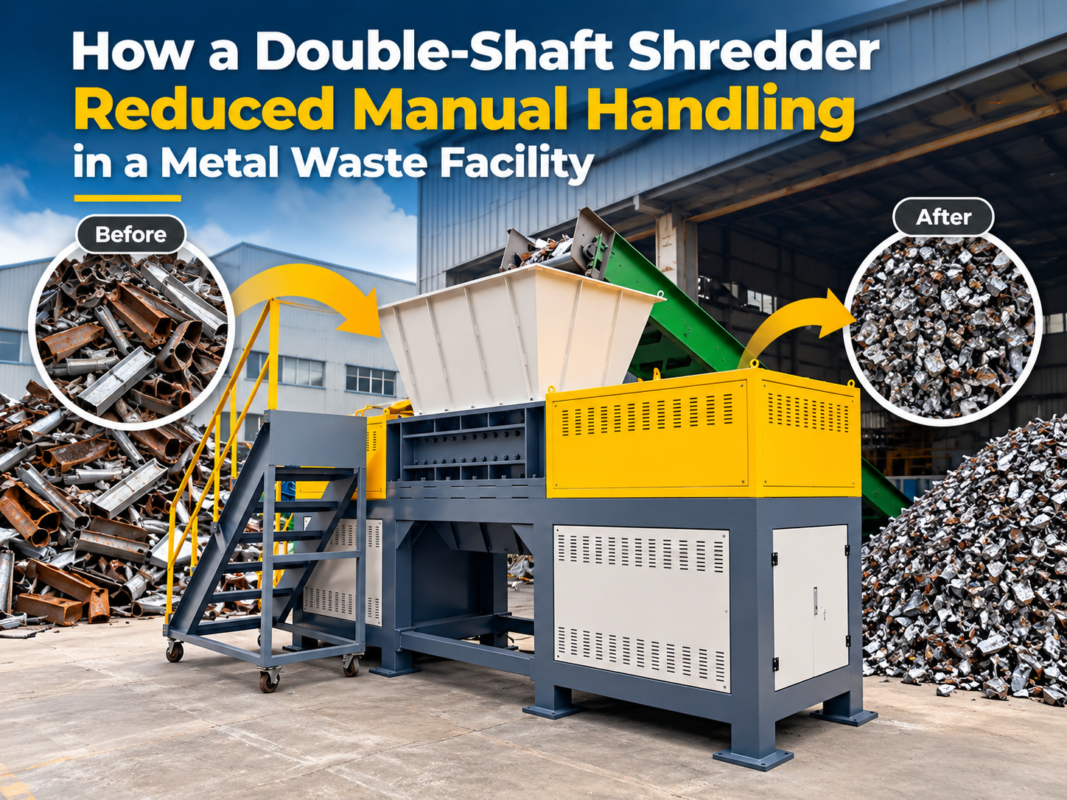
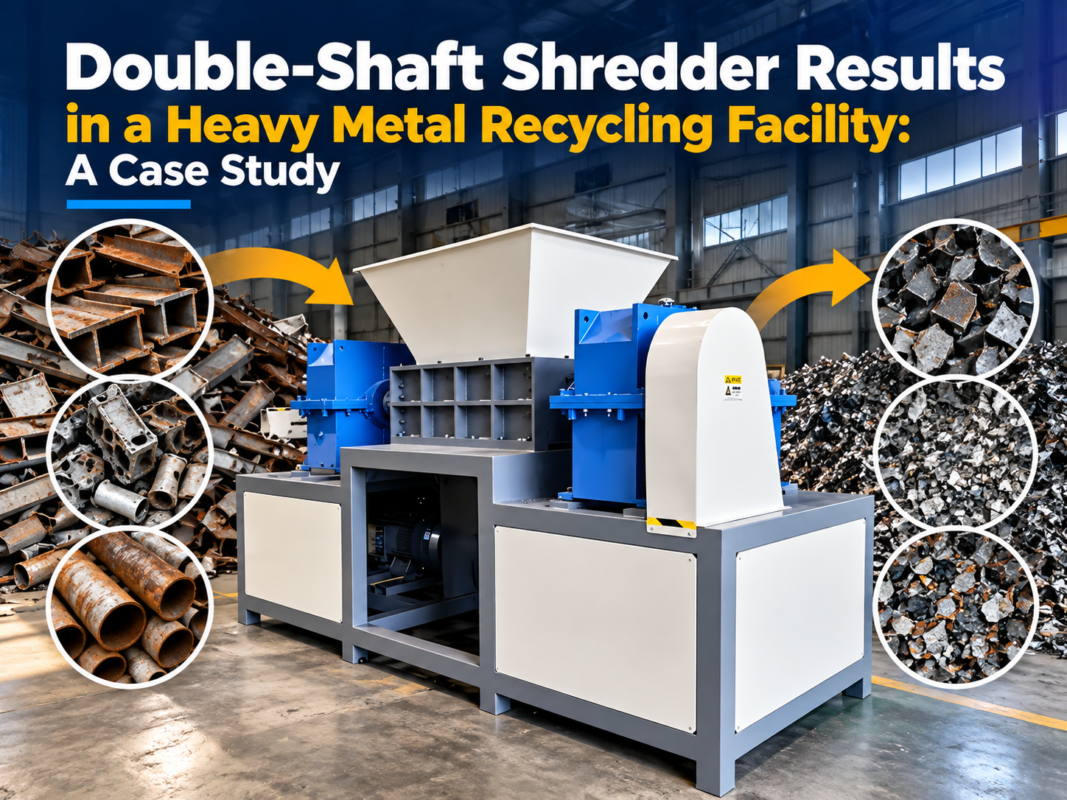
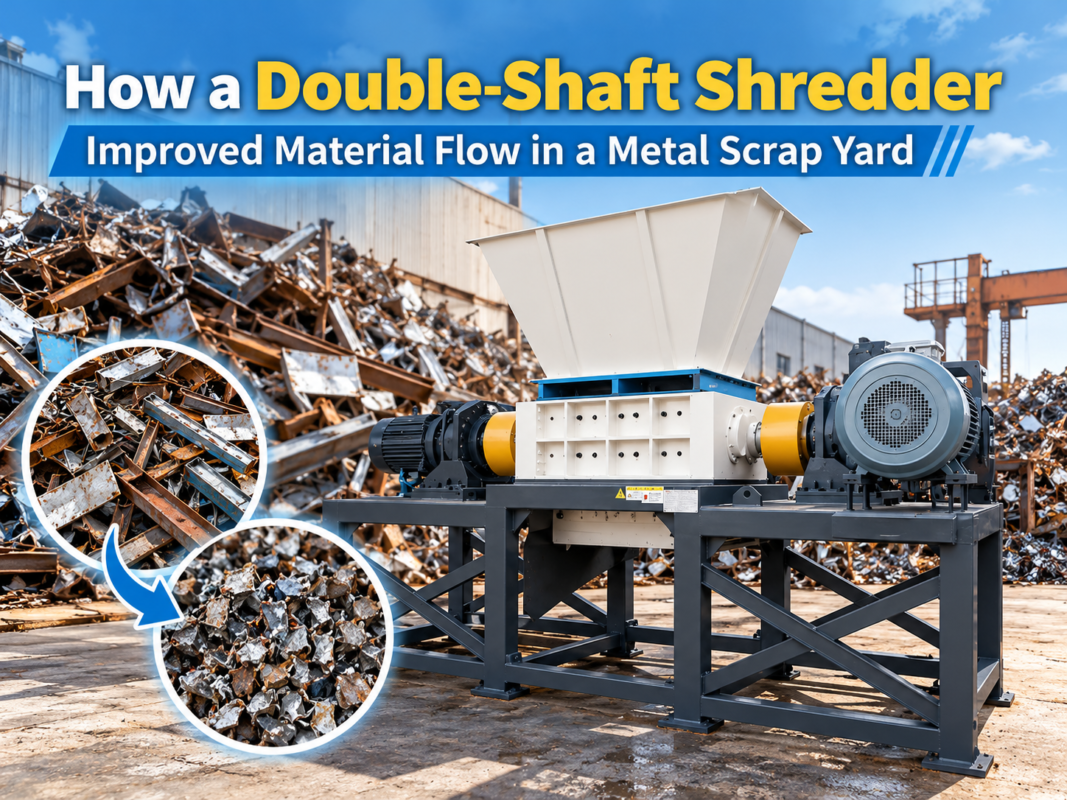
Double-Shaft Shredder Buying Guide for Industrial Buyers: Specifications That Matter

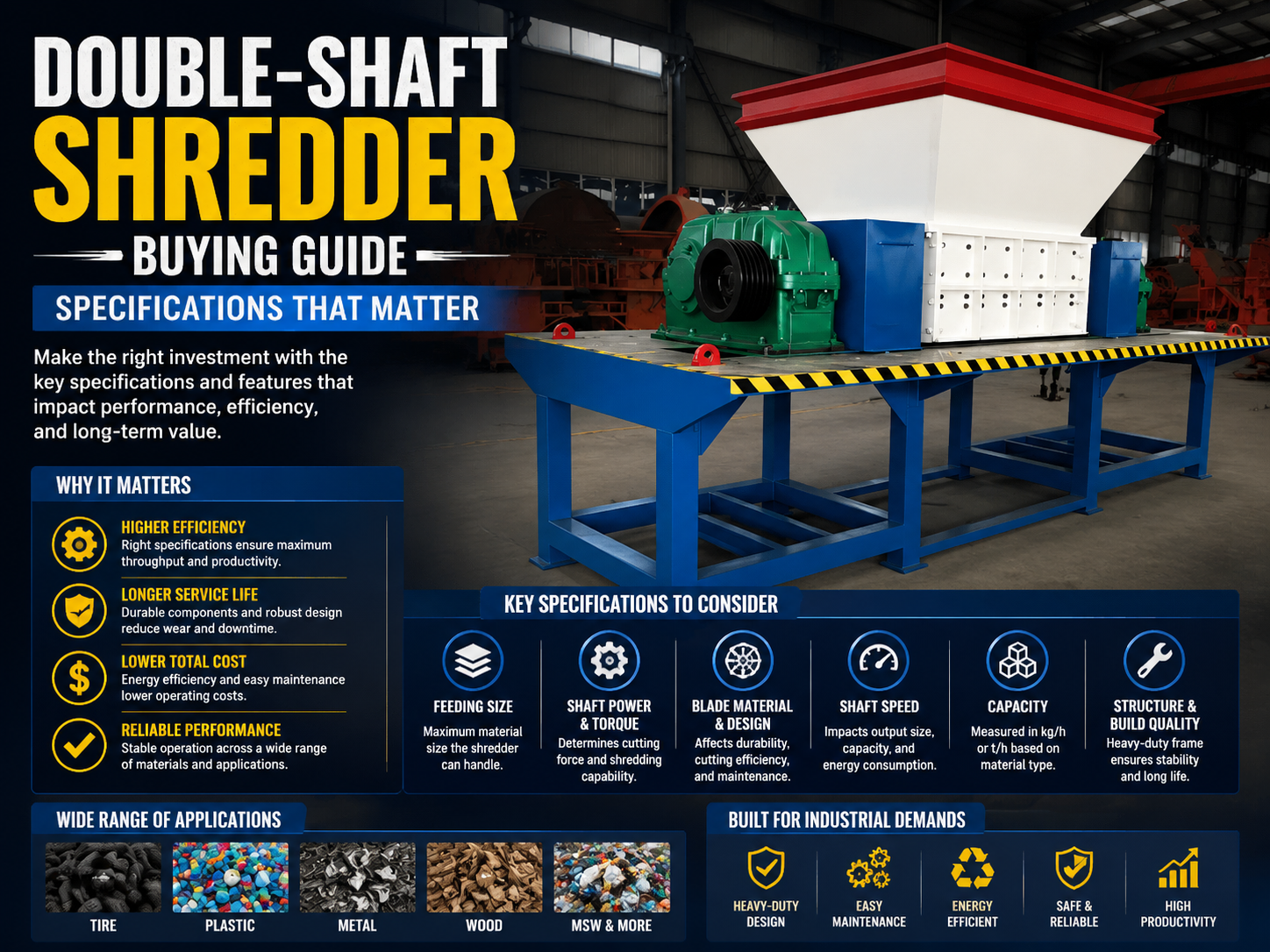
Technical Overview of Double-Shaft Shredders
The double-shaft shredder, often referred to as a dual-shaft or shear shredder, is the workhorse of the industrial recycling and waste processing sectors. Unlike high-speed granulators that rely on impact and centrifugal force, the double-shaft shredder operates on a low-speed, high-torque principle. This mechanical advantage allows it to process high-volume, high-strength materials—such as scrap metal, industrial plastics, rubber tires, and electronic waste—with minimal dust and noise pollution. For industrial buyers, understanding the underlying mechanics is the first step in making an informed procurement decision.
At its core, the machine consists of two parallel shafts fitted with interlocking cutting disks. These shafts rotate toward each other at relatively low speeds (typically between 10 and 40 RPM). As material is fed into the hopper, the hooks on the blades grab the material and pull it into the cutting chamber. The shearing action occurs between the edges of the interlocking blades, effectively ‘slicing’ the material into strips or smaller fragments. This process is highly efficient for volume reduction and primary processing before secondary granulation or sorting.
One of the defining characteristics of a high-quality double-shaft shredder, such as those engineered by HARSLE, is the robustness of the drive system. The drive system usually involves a combination of high-power electric motors or hydraulic motors coupled with planetary gear reducers. These reducers are critical because they convert the high-speed rotation of the motor into the massive torque required to shear through tough materials. Without a properly rated gearbox, the machine would stall or suffer catastrophic gear failure when encountering dense objects.
Furthermore, modern industrial shredders are equipped with intelligent control systems, typically PLC-based. These systems monitor the load on the motors in real-time. If the machine encounters an unshreddable object or an overload condition, the PLC triggers an automatic reverse function. The shafts rotate backward to clear the jam and then resume forward operation. This feature is essential for protecting the mechanical components and ensuring continuous operation in demanding industrial environments.
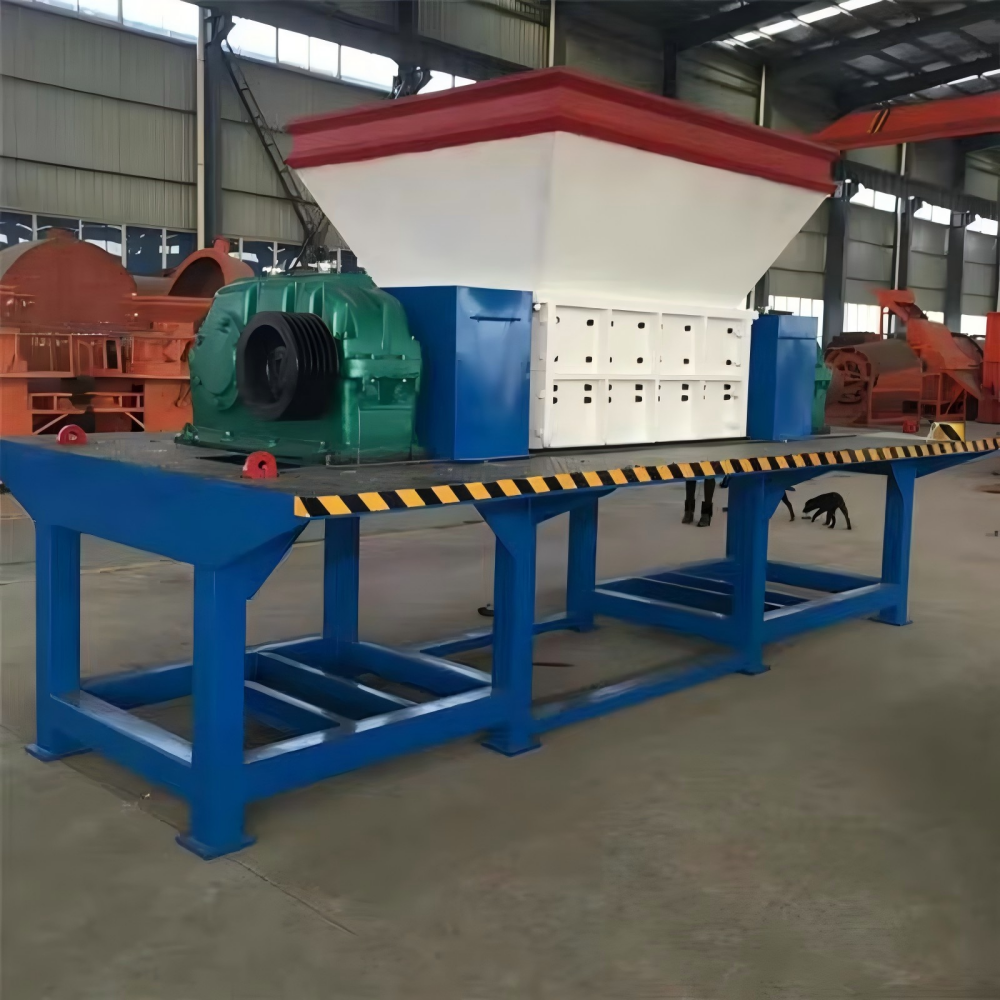
Core Parameters That Define Performance
When evaluating a double-shaft shredder, industrial buyers must look beyond the exterior frame and focus on the technical specifications that dictate the machine’s longevity and efficiency. The first and most critical parameter is Torque. Torque is the rotational force that performs the actual shearing. In the context of shredding, higher torque allows the machine to process thicker and harder materials. Buyers should verify the output torque of the gearbox rather than just the input horsepower of the motor, as the efficiency of the transmission plays a significant role.
The second parameter is Blade Metallurgy and Geometry. The blades are the primary wear parts of the shredder. Common materials include Cr12MoV, D2 (SKD-11), and H13 tool steels. For processing abrasive materials like tires or contaminated plastics, blades with high carbon and chromium content are preferred for their hardness and wear resistance. Geometry is equally important; the number of ‘hooks’ on a blade determines how aggressively the machine grabs material. A single-hook blade is excellent for heavy-duty metal shredding, while multi-hook blades are better suited for lightweight plastics or paper where higher throughput is desired.
Chamber Dimensions and Shaft Diameter are structural parameters that limit the size of the input material. The chamber size (length x width) must be large enough to accommodate the largest expected waste pieces without bridging (where material gets stuck above the blades). The shaft diameter must be sufficient to withstand the bending moments generated during high-torque operations. A thin shaft in a high-power machine is a recipe for fatigue failure and shaft breakage.
Finally, Throughput Capacity is the metric most buyers use to justify the ROI. Throughput is influenced by the shaft speed, blade thickness, and the bulk density of the material. It is important to note that throughput is often inversely proportional to the final particle size. If you require a very small output size, the blades must be thinner and the shafts may need to rotate slower to ensure a clean cut, which can reduce the total tons-per-hour processed. Always request throughput data based on your specific material type rather than generic ‘maximum’ ratings.
Calculation Method for Shredder Selection
Selecting the right shredder is not a matter of guesswork; it involves engineering calculations based on the physical properties of the material to be processed. The primary calculation involves determining the Shear Force required. The formula for shear force (F) is: F = τ × A, where τ (tau) is the shear strength of the material and A is the cross-sectional area being cut. For example, if you are shredding steel plate, you must use the shear strength of steel (approx. 75% of its tensile strength) multiplied by the thickness of the plate and the length of the blade contact area.
Once the shear force is known, the Required Torque (T) can be calculated using the formula: T = F × r, where r is the radius of the cutting blade. This calculation helps in selecting the appropriate gearbox and motor. If the calculated torque exceeds the rated torque of the machine, the shredder will frequently stall or fail. Industrial buyers should also account for a ‘Service Factor’—usually 1.5 to 2.0—to handle unexpected surges in material density or thickness.
Another important calculation is the Throughput Rate (Q). This can be estimated using: Q = V × ρ × η, where V is the volume of material displaced by the blades per revolution, ρ (rho) is the bulk density of the material, and η (eta) is the filling efficiency of the hopper. Filling efficiency is rarely 100%; for bulky items like hollow plastic drums, it might be as low as 30%, whereas for baled paper, it could be 80%. Understanding these variables prevents the common mistake of overestimating the machine’s daily production capacity.
Comparative Parameter Table for Industrial Applications
The following table provides a general guideline for the specifications required based on the type of material being processed. These values are representative of HARSLE’s industrial-grade equipment standards.
| Material Type | Recommended Motor Power (kW) | Blade Thickness (mm) | Shaft Speed (RPM) | Key Specification Focus |
|---|---|---|---|---|
| Plastic Film/LDPE | 15 – 30 | 10 – 20 | 25 – 40 | High speed, multi-hook blades |
| Electronic Waste (E-Waste) | 30 – 75 | 20 – 40 | 15 – 25 | Tramp metal protection, dust control |
| Car Tires (TDF) | 90 – 160 | 40 – 60 | 10 – 18 | High torque, specialized alloy blades |
| Scrap Metal (Light) | 75 – 200 | 30 – 50 | 10 – 15 | Reinforced chamber, heavy-duty bearings |
| Wood Pallets/Crates | 22 – 45 | 20 – 30 | 20 – 30 | Nail resistance, high volume hopper |
Common Engineering Mistakes in Shredder Procurement
One of the most frequent mistakes industrial buyers make is Undersizing the Drive System. In an attempt to save on initial capital expenditure, buyers may opt for a lower-kilowatt motor. However, if the motor and gearbox cannot provide sufficient torque for the toughest piece of material in the waste stream, the machine will operate in a constant state of ‘reverse-and-restart.’ This not only reduces throughput but also puts immense thermal stress on the motor and mechanical stress on the couplings, leading to premature failure.
Another critical error is Ignoring Blade Metallurgy. Not all steel is created equal. A common mistake is choosing generic ‘hardened steel’ blades for abrasive applications like glass-filled plastics or sand-contaminated tires. Without the proper alloying elements (like Vanadium or Molybdenum) and correct vacuum heat treatment, the blades will dull within weeks. The cost of downtime and blade replacement far outweighs the initial savings of cheaper blades. Buyers should always ask for the specific material grade and the Rockwell Hardness (HRC) rating of the cutting tools.
Poor Hopper and Feed Design is a third common pitfall. A shredder is only as good as its feeding system. If the hopper is too small or has vertical walls that encourage ‘bridging,’ the blades will spin empty while material sits stuck above them. Conversely, over-feeding a machine without a load-sensing conveyor can lead to constant jamming. An integrated system that syncs the conveyor speed with the shredder’s PLC load is the hallmark of a well-engineered industrial setup.
Lastly, many buyers neglect the Maintenance Access requirements. Double-shaft shredders require periodic blade tightening, lubrication, and eventual blade removal for sharpening. If the machine frame is designed without easy-access panels or if the bearings are buried deep within the structure, simple maintenance tasks can turn into multi-day shutdowns. HARSLE designs emphasize ‘split-bearing’ housings and modular blade shafts to minimize this specific type of operational risk.
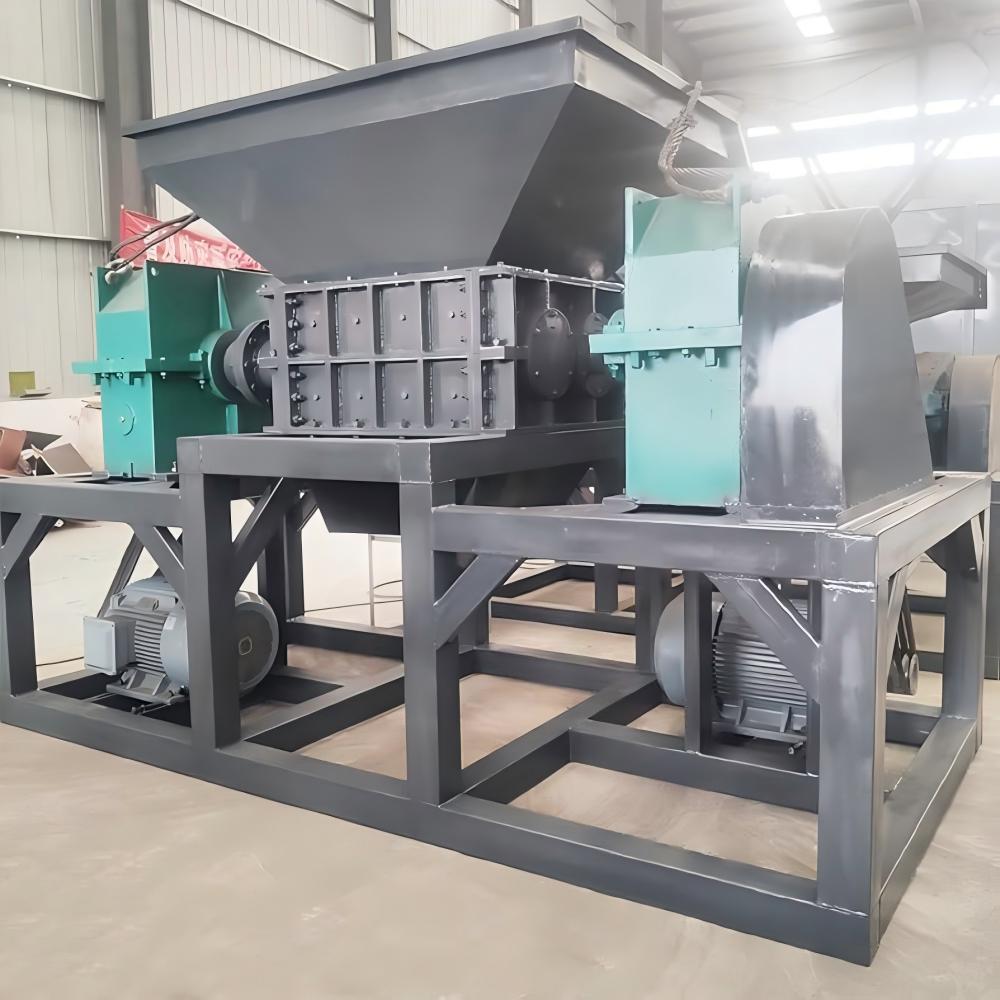
Selection Checklist for Industrial Buyers
To ensure a successful investment, procurement teams should follow this technical checklist before finalizing a purchase:
- Material Analysis: Have you provided the manufacturer with the exact composition, dimensions, and moisture content of your waste stream?
- Torque Verification: Does the gearbox rated torque exceed the maximum calculated shear force of your toughest material by at least 50%?
- Blade Specification: Are the blades made from D2, SKD-11, or equivalent tool steel with a hardness of HRC 55-60?
- Drive Type: For consistent loads, electric drives are efficient; for shock-heavy or variable loads, consider hydraulic drives for their inherent pressure relief capabilities.
- PLC Features: Does the control system include auto-reverse, over-current protection, and data logging for maintenance intervals?
- Wear Part Availability: Does the supplier maintain a local stock of blades, spacers, and seals?
- Safety Compliance: Does the machine meet CE or local safety standards, including emergency stops and interlocked hopper sensors?
- Footprint and Integration: Will the machine fit into your existing line, and is the discharge height compatible with your conveyors?
Frequently Asked Questions (FAQ)
1. How often do double-shaft shredder blades need to be sharpened?
The frequency depends entirely on the material. For clean plastics, blades may last 1,000+ hours. For abrasive materials like tires or contaminated construction waste, they may need inspection every 200-400 hours. Many modern blades are designed to be ‘re-welded’ and ground in-place to extend their life before full replacement is necessary.
2. Can a double-shaft shredder handle ‘tramp metal’ (unshreddable objects)?
While the PLC auto-reverse protects the machine from damage, a double-shaft shredder is not designed to cut through thick solid steel shafts or heavy engine blocks. If such items are common in your waste stream, a magnetic separator or a pre-sorting station is required to prevent catastrophic blade breakage.
3. What is the difference between a single-shaft and a double-shaft shredder?
A single-shaft shredder uses a hydraulic pusher to press material against a high-speed rotor and uses a screen to define the output size. It is better for achieving a small, uniform particle size. A double-shaft shredder is a high-torque, ‘grab-and-shear’ machine better suited for bulky, heavy, or elastic materials where volume reduction is the primary goal.
4. Why is the gearbox so important in a double-shaft shredder?
The gearbox is the component that translates the motor’s power into the force needed to shear material. In shredding, speed is secondary to force. A high-quality planetary gearbox can handle the massive shock loads and high torque ratios (often 30:1 or higher) required to process industrial waste without stripping gears.
5. Does HARSLE offer custom blade configurations?
Yes. Depending on the specific application—whether it’s medical waste, bulky furniture, or aluminum scrap—the thickness, hook count, and material of the blades can be customized to optimize the balance between throughput and particle size.